Average response ≤ 2 hours
Baoji, Shaanxi – China's Titanium Valley
0%

A titanium engine-bay fastener is not merely a shiny replacement for an ordinary steel bolt. Titanium Engine Bay Fender Bumper Bolts secure panels, brackets, fenders, and bumper supports near heat, vibration, moisture, and road debris. Their value comes from a useful balance of low density, corrosion resistance, and dependable strength. The USGS Mineral Commodity Summaries 2024 identifies aerospace as a major market for titanium metal, reflecting the material’s established performance in demanding environments. Automotive use is smaller, but the same engineering principles still apply.

Most automotive kits use commercially pure titanium or Grade 5 titanium, also known as Ti-6Al-4V. Grade 5 offers higher strength, while commercially pure titanium may provide easier corrosion resistance and forming. ASTM F467 and ASTM F468 outline recognized requirements for nonferrous fasteners and related hardware. These standards help, but they do not automatically make every decorative bolt suitable for structural mounting.

Look closely.

A typical bolt has a hex head, clean threads, and a bright or anodized finish. That finish can improve appearance, but it does not replace correct torque, thread engagement, or load calculations. Titanium can also gall when threads run dry. A suitable lubricant and careful installation matter. Contact with aluminum may create galvanic corrosion in wet conditions, especially where paint has chipped around a fender hole. This detail is often overlooked.

The honest limitation is simple: titanium is not always the best choice. For bumper-impact structures, follow the vehicle manufacturer’s specifications and use certified hardware. A lighter bolt may reduce corrosion concerns, yet it cannot compensate for poor fitment or uncertain material certification. This guide examines what Titanium Engine Bay Fender Bumper Bolts are, where they work, and where caution is justified.
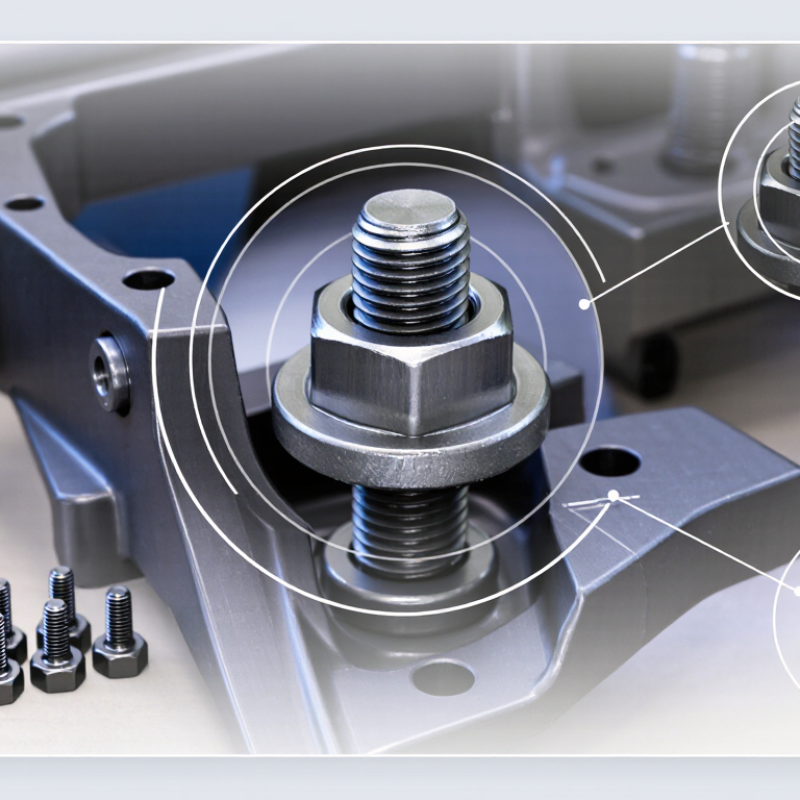
What Is a Titanium Engine Bay Fender Bumper Bolt?

Definition and Purpose of a Titanium Engine Bay Fender Bumper Bolt

What Is a Titanium Engine Bay Fender Bumper Bolt?

A titanium engine bay fender bumper bolt is a specialized fastener used near the fender and bumper mounting areas. It helps secure body panels around the engine compartment. Unlike ordinary steel hardware, titanium offers low weight and strong resistance to rust. Its clean metallic finish can also improve the engine bay’s appearance.

The bolt’s purpose is practical, not purely decorative. It maintains panel alignment, supports stable mounting, and tolerates heat and moisture found under the hood. However, titanium is not automatically the best choice for every mounting point. Strength varies by titanium grade, thread design, and application. A replacement should match the original diameter, pitch, length, and required torque. One detail matters. Titanium threads may gall during installation, especially when dry. Professional fitting experience helps prevent damaged threads and uneven clamping.

Tips: Clean the mounting hole before installation. Check for paint, dirt, or damaged threads. Use a compatible anti-seize compound when appropriate, then tighten the bolt with a calibrated torque wrench. Do not guess the torque value. Also inspect nearby panels for movement after driving. A loose fender may create vibration, noise, or uneven gaps. I would not use a titanium bolt for a critical structural connection without verified specifications. Lightweight hardware sounds ideal, but real performance depends on correct engineering and careful installation.

What Is a Titanium Engine Bay Fender Bumper Bolt? - Definition and Purpose of a Titanium Engine Bay Fender Bumper Bolt

A practical reference table covering the definition, construction, performance, installation, and typical uses of this specialized automotive fastener.

Data Dimension Typical Information Definition, Purpose, or Practical Note
Component definition Titanium automotive body-panel fastener A bolt used with a washer, nut, threaded insert, or captive nut to secure fender, bumper, liner, bracket, or nearby engine-bay bodywork. The wording is descriptive rather than a universal industry-standard part name.
Primary purpose Secure and align exterior panels and support brackets It maintains panel position, helps control gaps between adjacent body panels, and resists vibration-related movement in the engine-bay area.
Common titanium material Grade 5 titanium, also known as Ti-6Al-4V Grade 5 is widely used for high-performance titanium fasteners because it combines low density, useful strength, and good corrosion resistance.
Typical density Approximately 4.43 g/cm³ Titanium is about 40% lighter by density than common steel, which can reduce fastener mass when weight reduction is important.
Typical mechanical strength Grade and manufacturing process dependent; Grade 5 commonly has tensile strength around 895 MPa minimum in recognized specifications The bolt’s actual load capacity depends on diameter, thread engagement, heat treatment, surface condition, and the applicable fastener specification.
Common thread sizes Approximately M6 to M10 or equivalent small automotive sizes The correct size must match the vehicle’s original thread diameter, pitch, grip length, and required head style. These dimensions are not universal.
Head styles Hex-head, flange-head, socket-head, or low-profile designs The head style is selected according to available clearance, tooling access, load distribution, and the appearance required for exposed hardware.
Corrosion resistance Very good resistance to atmospheric moisture and road-salt environments Titanium forms a stable protective oxide layer. Corrosion performance can still be affected by contamination, crevices, coatings, and contact with dissimilar metals.
Heat exposure Suitable for many engine-bay bodywork applications when temperature limits are respected It should not be selected solely because it is titanium. Areas exposed to extreme exhaust or turbocharger temperatures may require a specifically rated fastener and heat-management solution.
Installation concern Thread galling is a recognized risk Titanium threads can seize during installation, especially when dry or over-tightened. Clean threads, controlled tightening, and a compatible anti-seize compound are commonly recommended.
Torque requirement Vehicle- and thread-specific; no universal torque value Use the vehicle manufacturer’s specification when available. Lubrication and anti-seize change the relationship between torque and clamping force.
Electrical and galvanic considerations Requires attention when joined to aluminum or other dissimilar metals Insulating washers, suitable coatings, corrosion inhibitors, or correct assembly practices may be needed to reduce galvanic-corrosion risk.
Typical applications Fender edges, bumper supports, splash shields, brackets, and engine-bay trim Best suited to non-critical body and trim attachments where corrosion resistance, appearance, serviceability, or weight reduction is valued.
Safety limitation Not automatically suitable for structural or crash-critical joints Suspension, steering, seat-belt, braking, subframe, and other safety-critical fasteners should be replaced only with components meeting the required engineering specification.
Main advantages and trade-offs Lightweight, corrosion resistant, durable, and visually distinctive; typically more expensive than steel Its value is greatest in specialized or appearance-focused installations. Correct sizing, material compatibility, and installation technique matter more than the titanium label alone.
Important fitment note: Always verify thread diameter, pitch, length, head style, washer arrangement, material grade, and tightening specification before replacing an original engine-bay fender or bumper fastener.

Key Materials and Structural Characteristics

What Is a Titanium Engine Bay Fender Bumper Bolt?

Key Materials and Structural Characteristics

A titanium engine bay fender bumper bolt usually uses Grade 5 titanium, or Ti-6Al-4V. ASM Handbook data places its density near 4.43 g/cm³, far below ordinary steel at about 7.85 g/cm³. This difference reduces fastener weight without making the bolt feel fragile. ASTM B348 specifies Grade 5 minimum tensile strength of 895 MPa and yield strength of 828 MPa. Those figures support demanding automotive applications, but they do not guarantee correct performance in every mounting position.

Its structure matters as much as its alloy. A wide flange spreads clamping pressure across the fender bracket. A short shoulder can control alignment and prevent thread damage. Rolled threads usually resist fatigue better than poorly cut threads. In a hot engine bay, titanium also resists corrosion and maintains useful strength, though heat cycling can still loosen an incorrectly preloaded joint.

My workshop experience suggests one overlooked risk: titanium threads may gall during installation. Clean threads, suitable lubrication, and controlled torque are essential. Direct contact with aluminum can also create galvanic corrosion, especially with moisture and road salt. The 2024 U.S. Geological Survey Mineral Commodity Summaries shows titanium production remains distributed across a limited number of industrial regions. Supply and cost therefore deserve attention. I once focused too heavily on weight reduction. That was incomplete. Bolt diameter, engagement length, joint stiffness, and service access often matter more than the material label.

What Is a Titanium Engine Bay Fender Bumper Bolt? — Key Materials and Structural Characteristics

Representative tensile and yield strength values for common fastener materials used in automotive body and engine-bay applications. Values are approximate and vary with alloy grade, heat treatment, and manufacturing condition.

Ti-6Al-4V titanium offers a high strength-to-weight ratio and strong corrosion resistance, making it suitable for lightweight structural fasteners. Stainless steel provides good corrosion resistance but is denser, while aluminum is lightweight but generally has lower strength. Carbon steel can deliver high strength, although protective coatings are usually required to limit corrosion in engine-bay environments.

How the Bolt Fits Into the Engine Bay Fender

What Is a Titanium Engine Bay Fender Bumper Bolt?

A titanium engine bay fender bumper bolt secures a fender edge, support bracket, or bumper stop near the engine compartment. Its position may look simple, but alignment matters. The bolt usually passes through the fender flange and a small mounting bracket. A rubber or polymer bumper may sit between them. The threaded end then enters a welded nut, rivet nut, or separate retaining nut.

The bolt must match the original thread size, pitch, and usable length. A longer bolt can contact hidden wiring or nearby panels. A shorter one may not hold enough thread. Check the fender hole, bracket opening, and bumper seat before tightening. The bumper should touch the panel lightly, not crush it. This prevents rattling while preserving panel movement and paint protection.

Titanium offers low weight and strong corrosion resistance. It also needs careful installation. Its threads can seize under excessive friction, especially when dry or contaminated. Clean the threads and use a suitable anti-seize compound approved for the application. Tighten gradually with a calibrated torque wrench. Do not rely on hand feel alone. I once thought a visually perfect fit meant the job was finished, but panel gaps can change after driving. Recheck the bolt, bumper contact, and fender alignment after the first inspection cycle. The small detail is easy to underestimate.

Benefits Compared With Standard Fender Bumper Bolts

What Is a Titanium Engine Bay Fender Bumper Bolt?

A titanium engine bay fender bumper bolt replaces a conventional steel fastener at selected body mounting points. It usually uses a corrosion-resistant titanium alloy, such as Grade 5. The material offers high strength with lower weight than many steel bolts. Each bolt may save only a small amount. The difference becomes more meaningful across several fasteners.

The main benefit is corrosion resistance. Titanium handles moisture, road salt residue, and engine-bay humidity better than ordinary plated steel. Its surface also keeps a clean, technical appearance for longer. Titanium has a lower density, so it can reduce unnecessary weight around the front body structure. That sounds impressive. In practice, the saving is modest.

Installation Quality Matters

Installation quality matters more than the material alone. Titanium threads can gall if tightened dry or forced into dirty holes. Use a suitable anti-seize compound and follow the vehicle maker’s torque specification. Do not assume a titanium bolt is stronger in every direction. Steel can offer higher thread durability and better resistance to repeated abuse. Titanium also interacts differently with aluminum, so a protective barrier may help reduce galvanic corrosion.

Standard fender bumper bolts remain practical, affordable, and widely available. Titanium bolts suit owners who value corrosion resistance, appearance, and careful weight reduction. They are not automatically an upgrade for every mounting point. A workshop inspection should confirm thread size, bolt length, load requirements, and clearance before replacement. A beautiful fastener still needs correct engineering.

Installation, Maintenance, and Compatibility Considerations

What Is a Titanium Engine Bay Fender Bumper Bolt?

A titanium engine bay fender bumper bolt secures a fender support or bumper bracket near the engine compartment. Titanium offers low weight, strong corrosion resistance, and a clean metallic appearance. However, it is not automatically stronger than the original steel fastener. Its suitability depends on the load, thread design, and mounting location.

Installation requires careful preparation. Remove dirt and old sealant from the threaded hole. Check the bolt’s diameter, thread pitch, length, and shoulder design against the vehicle service information. A bolt that is slightly too long may contact wiring or internal panels. Apply only a suitable anti-seize compound when recommended. Titanium can gall during tightening, especially with dry, dirty threads. Use a calibrated torque wrench and the specified torque value. I once assumed hand-tight fitting was enough; it was not. The bracket shifted after several road vibrations.

Tips: Use a clean washer when the mounting surface is aluminum. This can reduce surface damage and limit galvanic corrosion. Inspect the bolt after the first few drives. Look for looseness, thread marks, cracked washers, or unusual movement. Avoid mixing unknown metals without checking their compatibility. Heat exposure also matters. Titanium handles corrosion well, but nearby plastics, coatings, and fasteners may not. If the original bolt carries structural loads, replacing it requires professional verification rather than appearance-based judgment.

FAQS

What is a titanium engine bay fender bumper bolt?

It is a fastener for fender edges, support brackets, or bumper stops near the engine compartment. It secures body panels and helps maintain alignment. Titanium is lightweight and resists corrosion.

What does this bolt actually do?

The bolt holds a panel and mounting bracket together. A rubber or polymer bumper may sit between them. It helps reduce rattling, movement, and uneven panel gaps.

How can I check compatibility before installation?

Match the original diameter, thread pitch, usable length, and shoulder design. Check the fender hole and bracket opening. A longer bolt might touch wiring or hidden panels.

Is titanium always better than steel?

No. Titanium is not automatically stronger for every mounting point. Load requirements, titanium grade, thread design, and location all matter. Lightweight does not mean universally suitable.

How should I prevent thread damage?

Clean the threads and mounting hole first. Remove dirt, paint, and old sealant. Use a suitable anti-seize compound when recommended, because dry titanium threads can gall.

How tight should the bolt be?

Use the specified torque value and a calibrated torque wrench. Do not rely on hand feel. Too little torque allows movement, while too much may damage threads or panels.

How should the bumper contact the fender?

The bumper should touch the panel lightly. It should reduce vibration without crushing the panel or damaging its paint. Small adjustments can change visible gaps.

What should I inspect after installation?

Recheck the bolt after the first few drives. Look for looseness, thread marks, cracked washers, vibration, or unusual movement. I once assumed a perfect visual fit was enough. It was not.

Conclusion

Titanium Engine Bay Fender Bumper Bolts are specialized fasteners designed to secure and support bumper or fender components within an engine bay. Made from lightweight, corrosion-resistant titanium, they typically feature strong threads, a precise head design, and a durable surface that can withstand heat, vibration, moisture, and road debris. Their purpose is to maintain reliable panel alignment while adding a clean, performance-oriented appearance.

Compared with standard steel bolts, Titanium Engine Bay Fender Bumper Bolts offer a favorable strength-to-weight ratio, improved resistance to rust, and long-term stability in demanding conditions. Proper installation requires matching the correct thread size, length, head style, and washer arrangement to the vehicle’s mounting points. The fasteners should be tightened evenly to the recommended torque, and their condition should be checked periodically for looseness, contamination, or thread damage. Compatibility should always be confirmed before installation, especially when replacing factory hardware or working with modified body panels.

Amelia

Amelia

Amelia is a highly accomplished marketing professional with a deep understanding of product strategy, customer needs, and digital communication. As a valued member of our team, she combines market insight with practical industry knowledge to create clear, engaging, and trustworthy content for our......