Blog
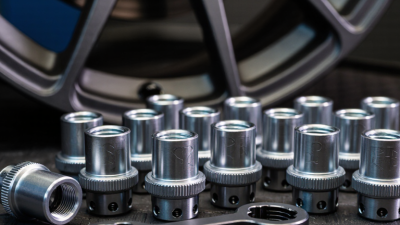
How to Choose Anti Theft Titanium Wheel Lug Nuts?
Choosing Anti Theft Titanium Wheel Lug Nuts requires more than comparing color, weight, and price. Material strength matters, but so do thread accuracy, key design, corrosion resistance, and installation quality. A bright titanium finish cannot compensate for a poorly matched thread.
The National Insurance Crime Bureau reported 1,020,729 vehicle thefts in the United States during 2023. Its data concerns complete vehicles, not individual wheels, yet it shows why physical security deserves attention. S&P Global Mobility also reported that the average U.S. vehicle age reached about 12.6 years in 2024. Older vehicles often need careful inspection before replacement hardware is selected. These reports do not prove that every vehicle needs titanium lug nuts. They do support a practical, evidence-based approach.
Automotive security consultant Chris Mallett explains, “A wheel lock works best when its key remains controlled and the hardware fits precisely.” That principle is easy to overlook. Buyers should verify thread pitch, seat type, socket clearance, torque specifications, and compatibility with aftermarket wheels. Titanium can offer low weight and strong corrosion resistance, but its performance depends on alloy grade and manufacturing quality. The marketing may sound impressive.
Real-world experience also exposes a weakness: one locking pattern is not equally effective against every theft attempt. Professional installation, secure key storage, and periodic inspection remain essential. This guide examines those details without promising absolute protection, because no lug nut can eliminate risk completely.
Read more »
 By:Amelia
- October 23, 2026
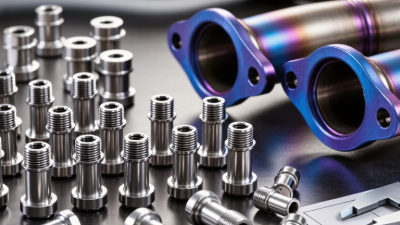
Top Titanium Automotive Exhaust Manifold Studs Suppliers?
Choosing reliable Titanium Automotive Exhaust Manifold Studs suppliers requires more than comparing prices or polished product photographs. The right supplier understands heat cycling, galvanic corrosion, thread accuracy, and installation stress. These studs may sit beside glowing exhaust runners, where temperatures rise and fall repeatedly. A weak material decision can become a seized nut, damaged thread, or difficult repair.
Metallurgist Dr. John Campbell has emphasized a valuable manufacturing principle: “Quality depends on process control, not material reputation.” That principle applies directly here. Grade 5 titanium may offer excellent strength-to-weight performance, but alloy selection alone does not prove product quality. Buyers should examine mill certificates, tensile data, thread standards, dimensional tolerances, and batch traceability. Surface treatment also deserves attention. Titanium’s behavior against stainless steel nuts, aluminum heads, and high-temperature coatings can vary significantly.
Look beyond the catalogue.
Experienced suppliers should explain torque guidance, anti-seize compatibility, and thermal expansion. They should also identify whether their studs are machined, rolled, or cold-formed. Each process can influence thread durability and fatigue resistance. A supplier who avoids technical questions may not understand demanding exhaust environments.
Still, no supplier is perfect. Published data may contain gaps, and laboratory figures may not reflect every vehicle platform. That uncertainty deserves honest review. This guide compares leading Titanium Automotive Exhaust Manifold Studs suppliers through engineering evidence, production consistency, customer support, and real-world suitability. The goal is practical selection, not exaggerated marketing.
Read more »
 By:Ethan
- October 23, 2026
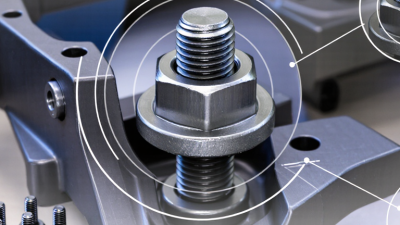
What Is a Titanium Engine Bay Fender Bumper Bolt?
A titanium engine-bay fastener is not merely a shiny replacement for an ordinary steel bolt. Titanium Engine Bay Fender Bumper Bolts secure panels, brackets, fenders, and bumper supports near heat, vibration, moisture, and road debris. Their value comes from a useful balance of low density, corrosion resistance, and dependable strength. The USGS Mineral Commodity Summaries 2024 identifies aerospace as a major market for titanium metal, reflecting the material’s established performance in demanding environments. Automotive use is smaller, but the same engineering principles still apply.
Most automotive kits use commercially pure titanium or Grade 5 titanium, also known as Ti-6Al-4V. Grade 5 offers higher strength, while commercially pure titanium may provide easier corrosion resistance and forming. ASTM F467 and ASTM F468 outline recognized requirements for nonferrous fasteners and related hardware. These standards help, but they do not automatically make every decorative bolt suitable for structural mounting.
Look closely.
A typical bolt has a hex head, clean threads, and a bright or anodized finish. That finish can improve appearance, but it does not replace correct torque, thread engagement, or load calculations. Titanium can also gall when threads run dry. A suitable lubricant and careful installation matter. Contact with aluminum may create galvanic corrosion in wet conditions, especially where paint has chipped around a fender hole. This detail is often overlooked.
The honest limitation is simple: titanium is not always the best choice. For bumper-impact structures, follow the vehicle manufacturer’s specifications and use certified hardware. A lighter bolt may reduce corrosion concerns, yet it cannot compensate for poor fitment or uncertain material certification. This guide examines what Titanium Engine Bay Fender Bumper Bolts are, where they work, and where caution is justified.
Read more »
By:Amelia
- October 23, 2026