Featured Grade 5 Titanium Fasteners & Performance Components
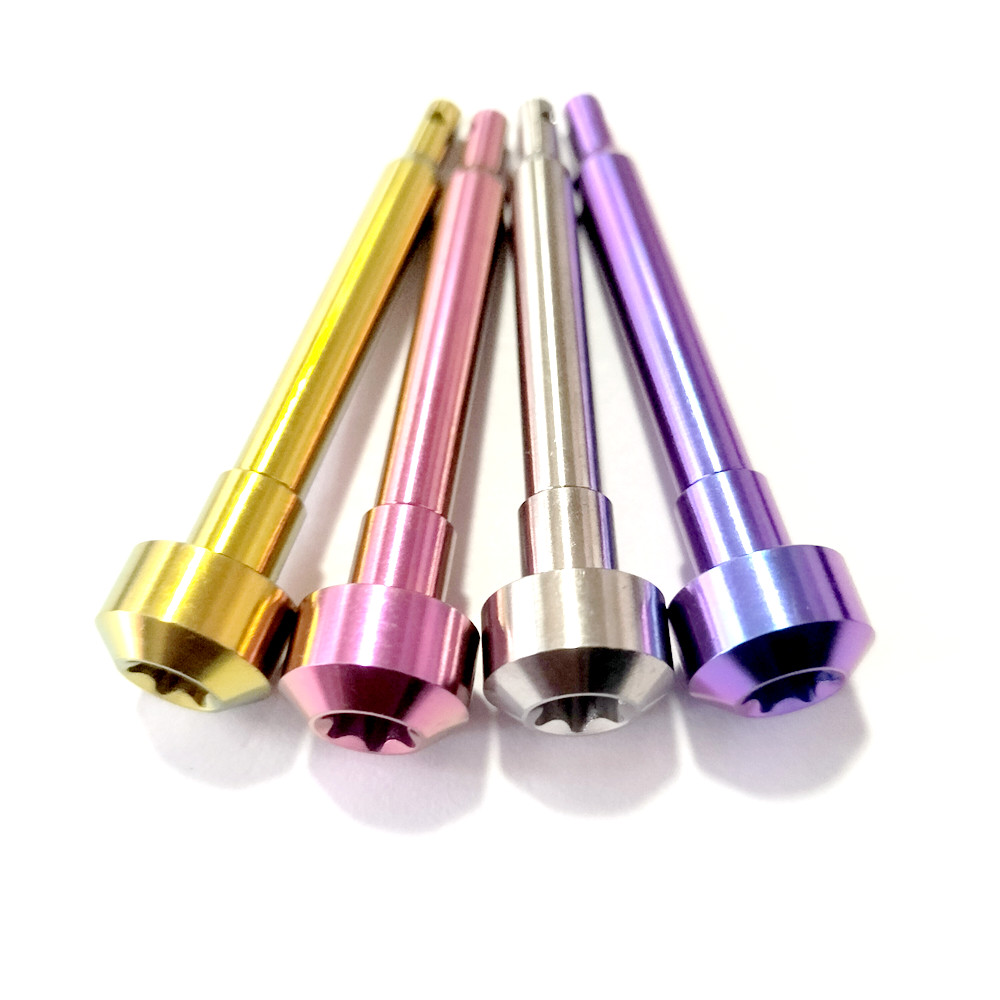
Precision CNC machined from aerospace-grade Ti-6Al-4V alloy, tested for severe thermal cycling, anti-corrosion, and extreme stress environments.
Engineering Whitepaper: Metallurgical Dynamics of CE Certified Titanium Exhaust Studs
An in-depth technical analysis on thermal expansion matching, shear resistance, and anti-galling mechanics in high-temperature powertrain environments.
The Exhaust Manifold Thermal Paradox
Internal combustion engines, turbocharged automotive setups, and high-performance racing manifolds operate under brutal thermal cycling conditions. Exhaust gas temperatures (EGT) frequently surge between 500°C and 950°C. Under these operational extremes, traditional carbon steel or stainless steel manifold studs suffer from severe thermal expansion mismatches when threaded into aluminum or cast-iron cylinder heads.
Standard Grade 8.8 or 10.9 steel studs exhibit high thermal expansion coefficients ($\approx 12 \times 10^{-6}/K$). As the engine heats up and cools down, the differential growth rate creates constant axial elongation and stress relaxation. Over time, this yields the infamous exhaust leak, blown manifold gaskets, or sheared stud shanks. Furthermore, OEM steel hardware rapidly oxidizes, leading to thread seizing, rust welding, and catastrophic failure during servicing.
As a specialized CE Certified Titanium Exhaust Studs Supplier, our engineering team utilizes Grade 5 Ti-6Al-4V (UNS R56400) alpha-beta titanium alloy. Titanium's coefficient of thermal expansion ($8.6 \times 10^{-6}/K$) aligns closely with aluminum engine blocks ($23 \times 10^{-6}/K$) compared to steel, maintaining stable clamping pressure throughout extreme thermal shocks without dynamic stretch or fatigue failure.
Roll-Threaded Strength Mechanics
Unlike lower-tier suppliers who machine threads via cut-lathe tooling (which sever continuous grain flow lines), our CE-compliant exhaust studs feature 100% precision rolled threads. Cold thread rolling compresses the alloy's crystalline lattice, inducing compressive residual stresses along the thread root and elevating fatigue limits by up to 300%.
This prevents fatigue crack propagation under harmonic engine vibrations and cyclic combustion pulsations.
Mechanical Property Comparison Matrix
The table below highlights why Grade 5 Titanium outperforms stainless steel, OEM mild steel, and Grade 2 titanium in high-stress thermal clamping applications:
| Material Grade | Yield Strength (MPa) | Tensile Strength (MPa) | Density (g/cm³) | Thermal Expansion ($10^{-6}/K$) | Corrosion Resistance | Max Service Temp (°C) |
|---|---|---|---|---|---|---|
| Grade 5 Ti-6Al-4V (Verqo Standard) | ≥ 880 | ≥ 950 | 4.43 | 8.6 | Exceptional (Immune to Salt/Oxidization) | 500°C Continuous / 800°C Intermittent |
| Class 10.9 Carbon Steel | 940 | 1040 | 7.85 | 12.0 | Poor (Requires Galvanizing/Plating) | 350°C (Prone to Temper Softening) |
| 316 Austenitic Stainless Steel | 290 | 580 | 8.00 | 16.0 | Good (Prone to Galling) | 600°C |
| Grade 2 Commercial Pure Titanium | 275 | 345 | 4.51 | 8.6 | Exceptional | 300°C (Lacks Tensile Capacity) |
Application Ecosystem & Precision Product Engineering
From high-horsepower automotive manifolds to high-revving motorcycle exhaust headers and electric power units, our titanium stud solutions are built to strict tolerance standards.
Automotive Turbo & Manifold Studs
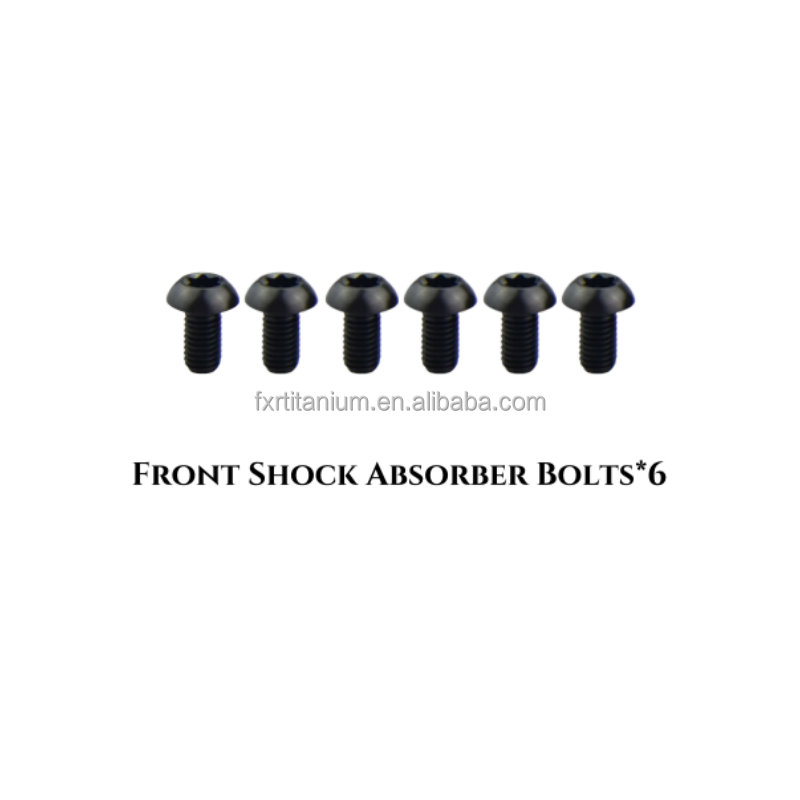
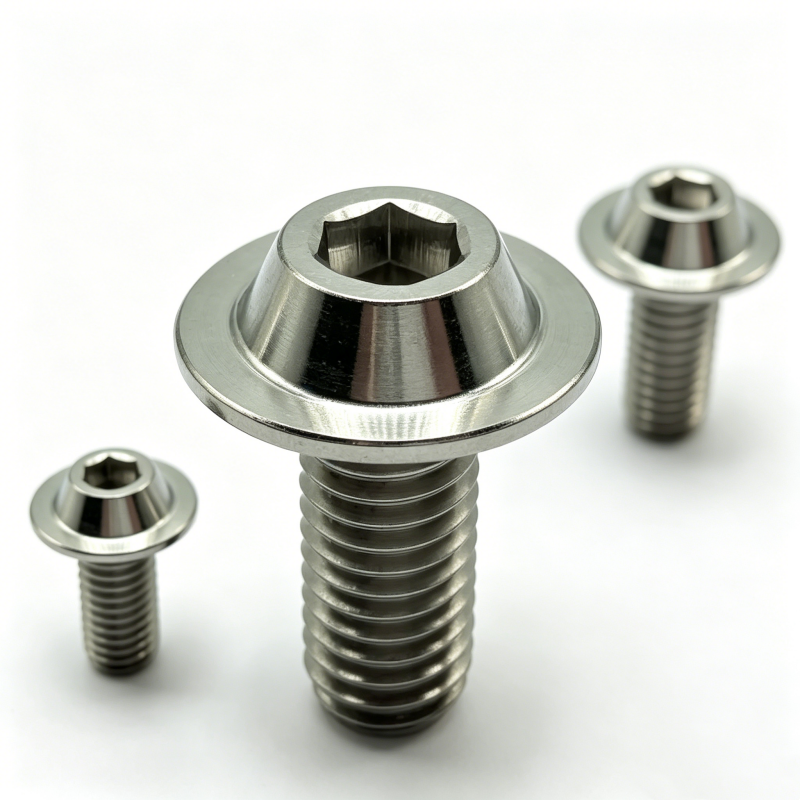
Engineered for high-boost turbocharged vehicles (M8x1.25, M10x1.25, M10x1.5 pitch). Features extended unthreaded shank shoulders to equalize clamp load and internal hex/Allen head drives for rapid installation in tight engine bays.
Motorsport & Motorcycle Header Hardware
Ultra-lightweight flange nuts and double-ended stud kits specifically tailored for Honda, Yamaha, Kawasaki, KTM, and Ducati exhaust ports. Includes safety-wire pre-drilled holes to comply with professional race regulation sanctioning bodies.
Custom CNC Special Fasteners
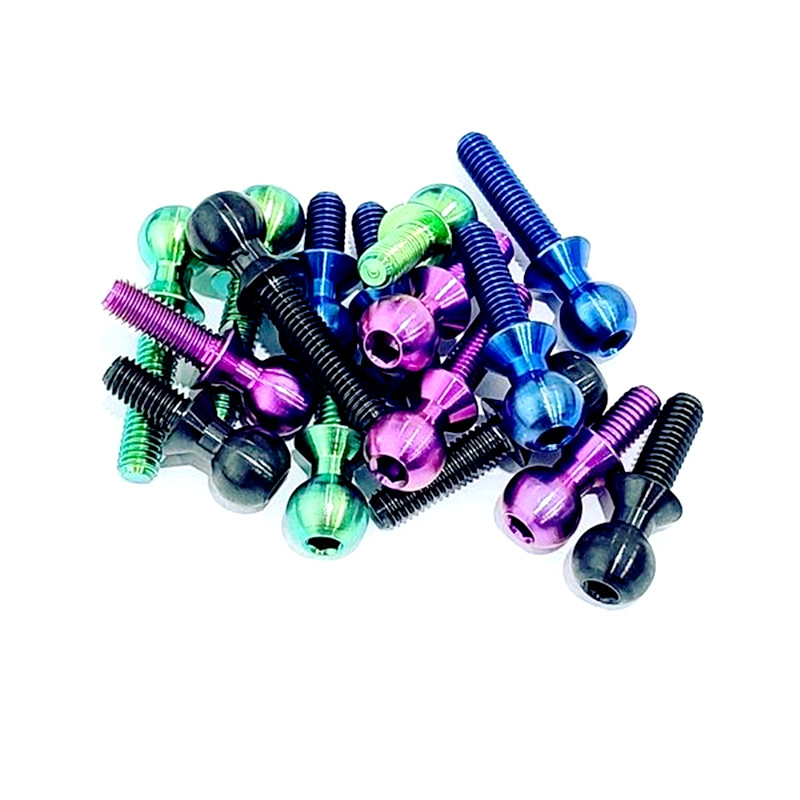
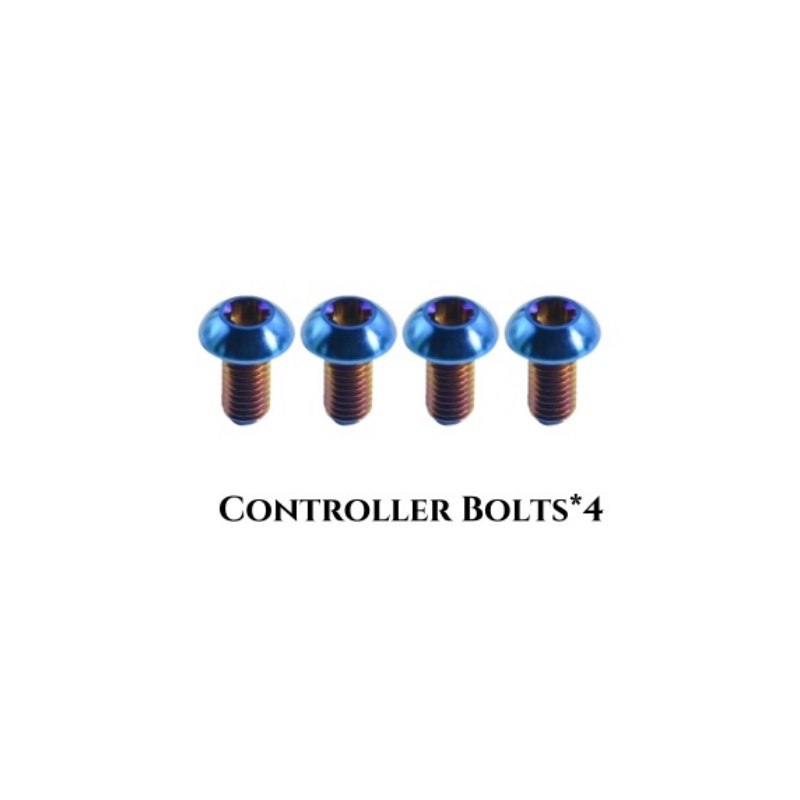
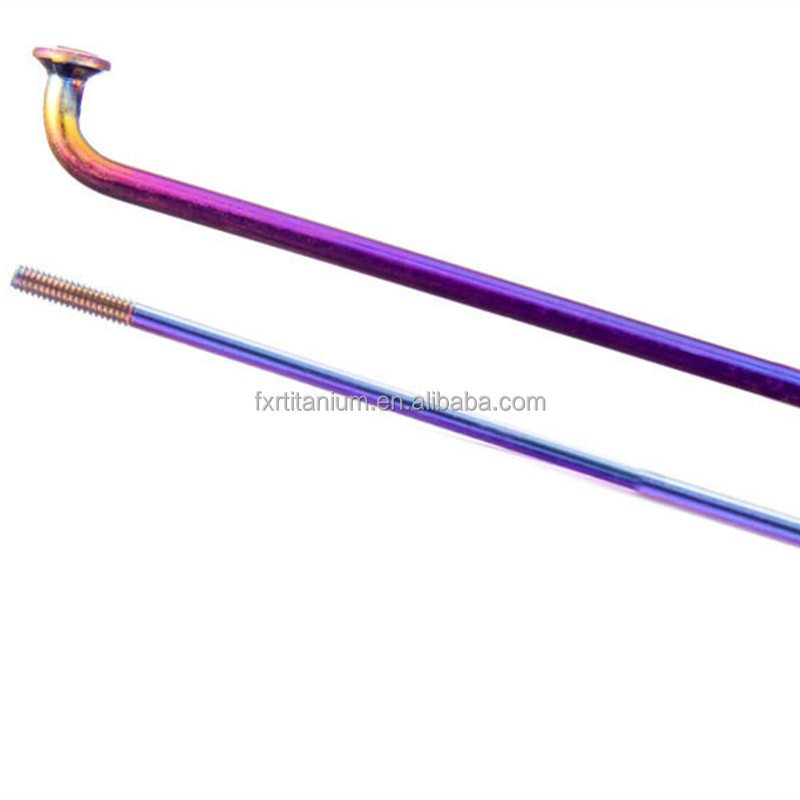
Bespoke M2 to M26 fasteners crafted according to CAD drawings or physical samples. Ideal for custom electric vehicle powertrain controllers, suspension links, marine exhaust risers, and aerospace mounting brackets.
Future Procurement Trends in Titanium Hardware (2025–2030)
Market intelligence and technological trajectories driving global supply chain procurement strategies for high-performance titanium components.
1. Accelerating Automotive & EV Lightweighting Mandates
As global regulations enforce stricter fleet carbon emissions (Euro 7 and EPA standards), automotive OEMs and tier-1 suppliers are turning to titanium to reduce unsprung mass and powertrain weight. In Electric Vehicles (EVs), every kilogram saved directly converts into increased battery range and improved thermal efficiency in high-output motor housings.
2. Rise of PVD Vacuum Coating Technology
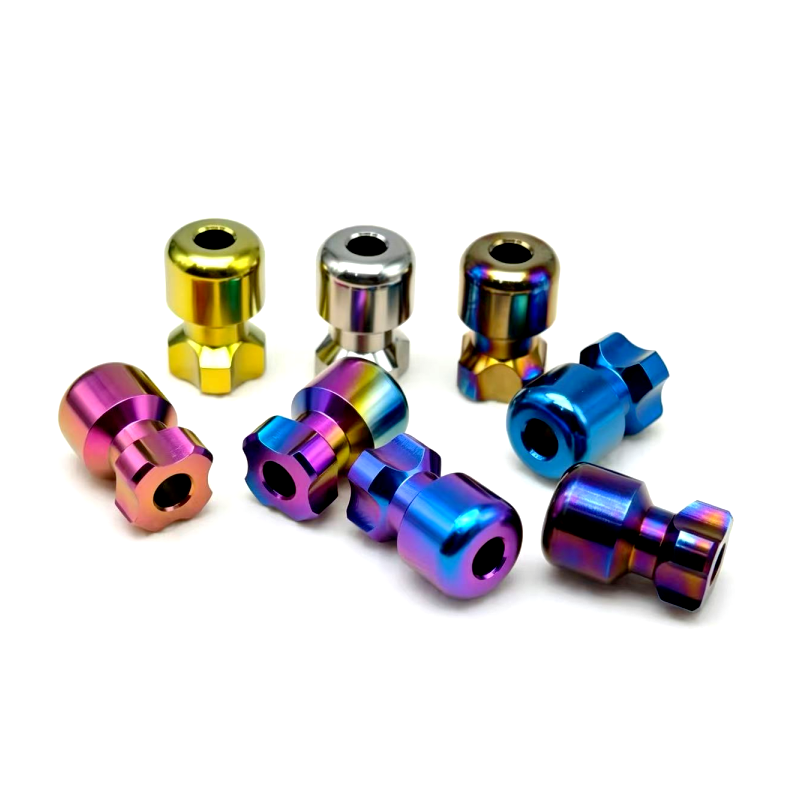
Traditional anodizing provides vibrant aesthetic options but can fade under prolonged temperatures exceeding 400°C. Modern procurement trends show a rapid transition toward Physical Vapor Deposition (PVD) Coating (TiN, TiCN, DLC). PVD creates a micro-thin, diamond-hard protective layer that drastically lowers the friction coefficient (preventing thread galling) while offering thermal stability past 800°C in dramatic Black, Burnt Blue, and Gold finishes.
3. Mandatory CE Certification & Full Traceability
Industrial buyers and automotive distributors no longer accept non-verified titanium stock. Supply chain transparency now mandates EN 10204 3.1 Mill Test Certificates (MTR), verifying chemical composition (spectrometric analysis) and ultrasonic flaw detection. CE certification ensures that titanium exhaust studs satisfy European safety, health, and environmental protection benchmarks.
Key Sourcing Intelligence Checklist
- Material Verification: Demand XRF spectro testing to guarantee genuine Grade 5 (Ti-6Al-4V) rather than recycled scrap or lower-grade Grade 2 titanium.
- Thread Execution: Specify cold-rolled threads over cut threads for critical exhaust clamping locations.
- Anti-Galling Design: Utilize copper-based anti-seize paste during installation, or order PVD coated titanium studs with lower surface friction.
- Quality Traceability: Ensure your supplier provides CE certification and batch-specific tensile testing documentation.
Why Partner with Verqo Titanium Products Co., Ltd.?
Located in Baoji — China's world-renowned "Titanium Valley" — Verqo integrates raw material melting, precision CNC machining, surface treatment, and global export under one roof.
10+ Years OEM / ODM Precision
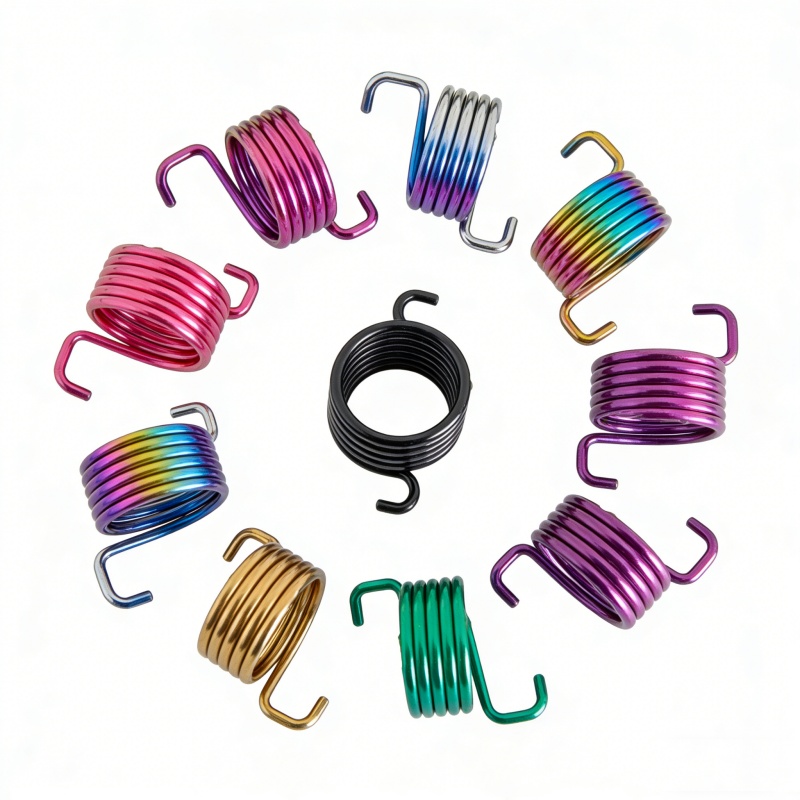
Over a decade of specialized expertise manufacturing Grade 5 titanium bolts, studs, nuts, springs, and CNC structural parts ranging from thread sizes M2 up to M26.
Advanced 5-Axis CNC & Thread Rolling
Equipped with high-precision multi-axis CNC turning-milling centers, automatic cold-heading machines, and optical sorting gauge units ensuring 100% thread dimensional accuracy.
Global Logistics & Flexible MOQ
Serving buyers across North America, Europe, Australia, and Southeast Asia. We offer low MOQ requirements starting from 10–50 pieces for stock items, with an average response time of under 2 hours.
5-Step OEM/ODM Manufacturing & Quality Assurance Workflow
Verification of CAD/STEP files, thread pitches, tolerances, and thermal environment demands.
Chemical composition testing of raw titanium vacuum-melted sponge bar stock.
High-speed CNC machining followed by cold thread rolling to secure grain integrity.
Controlled anodizing or PVD vacuum coating for precise color spectrum and wear layer.
Optical shadowgraph thread check, torque pull test, dimensional confirmation & export packing.
Procurement & Technical FAQ: Titanium Exhaust Studs
Expert answers to common engineering, ordering, and material certification questions from international B2B buyers.
Ready to Upgrade Your Fastener Supply Chain?
Contact Verqo Titanium today to request material samples, engineering CAD support, or custom wholesale pricing for CE certified titanium exhaust studs and race hardware.