Precision Titanium Frame Bolts & Structural Fasteners
Engineered for automotive, motorcycle, bicycle, and high-vibration racing applications. 43% lighter than class 10.9 steel with zero corrosion risk.
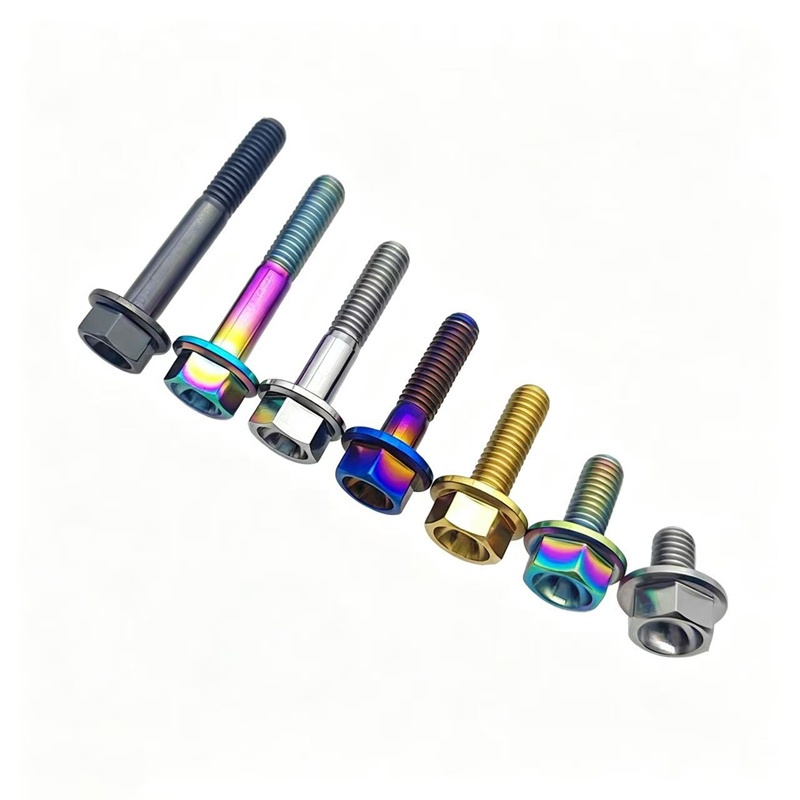
Factory Director 6X20 M5/M6/M8/M10/M12/M14 Hex Head Flange Titanium Bolts
View Technical Specs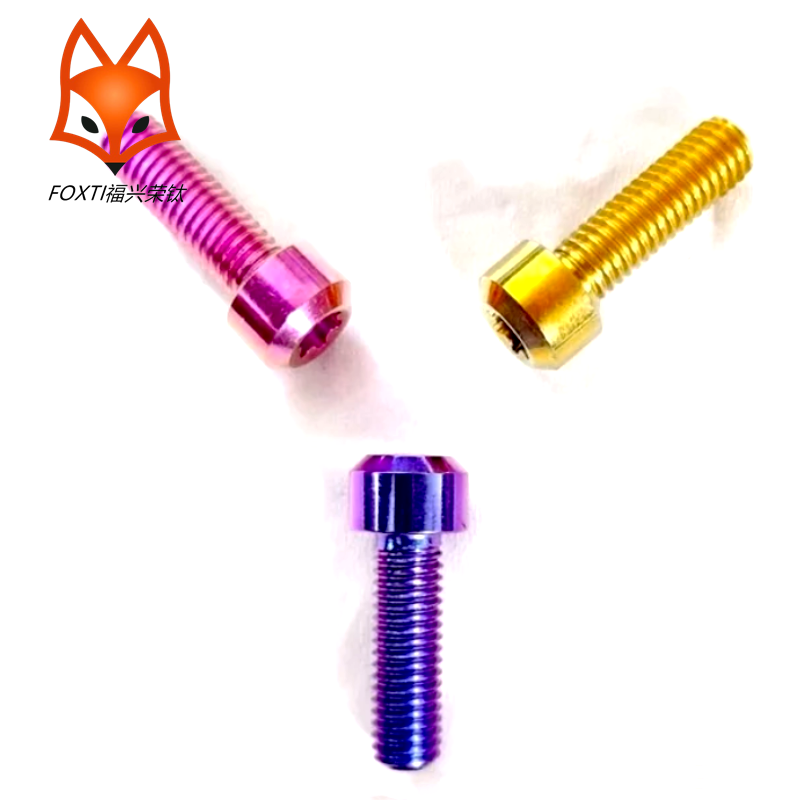
Factory Customized SHSC Head Small Motorcycle Modification Bolts ISO Standard
View Technical Specs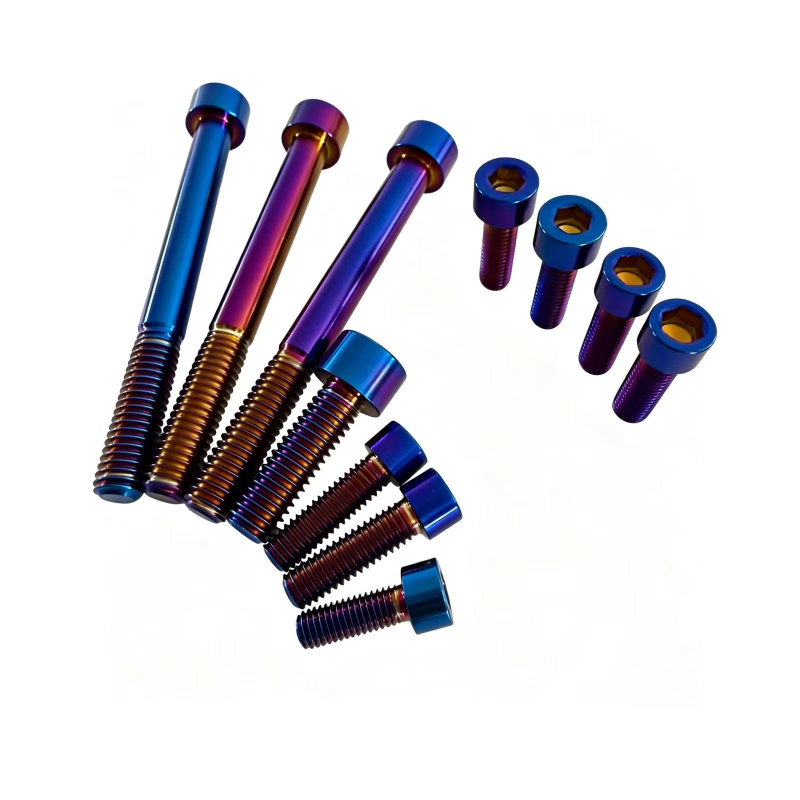
Factory Wholesale Titanium Alloy Socket Head Bolts Grade 10.9/12.9 PVD Coated
View Technical Specs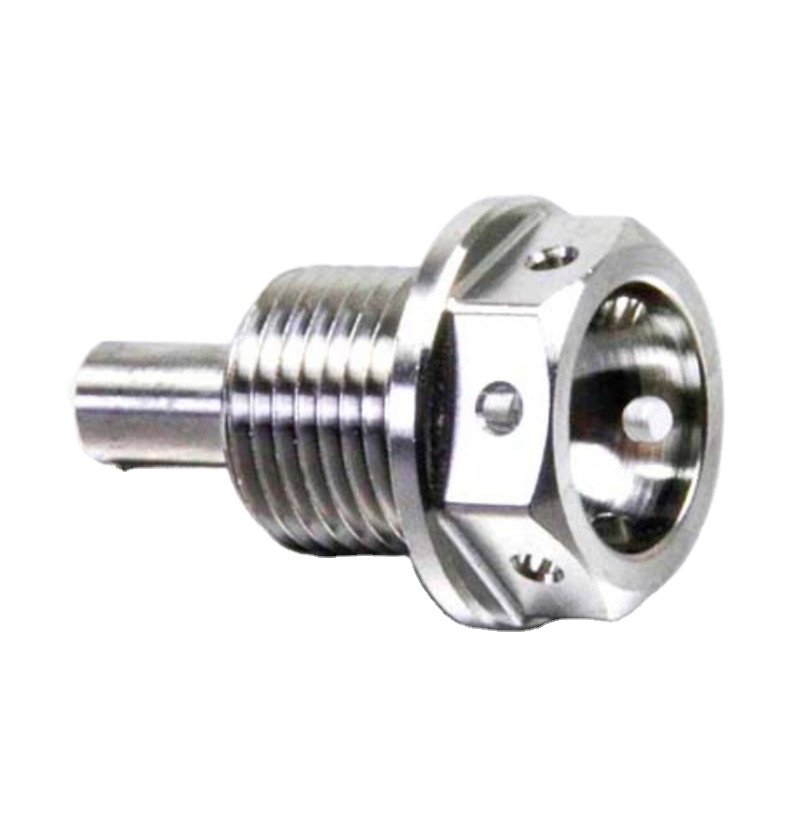
Factory Custom M12 M14 M16 M20 M26 Sump Magnetic Titanium Oil Drain Plug Bolt
View Technical Specs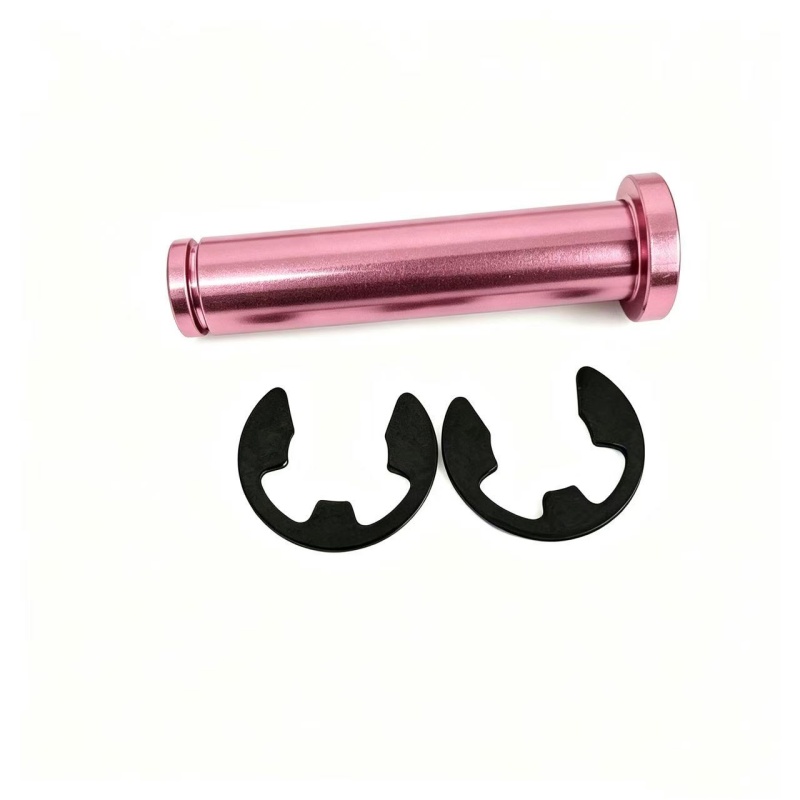
Factory Customized Grade 5 Colorful M10*40mm Titanium Foot Peg Pin Bolt
View Technical Specs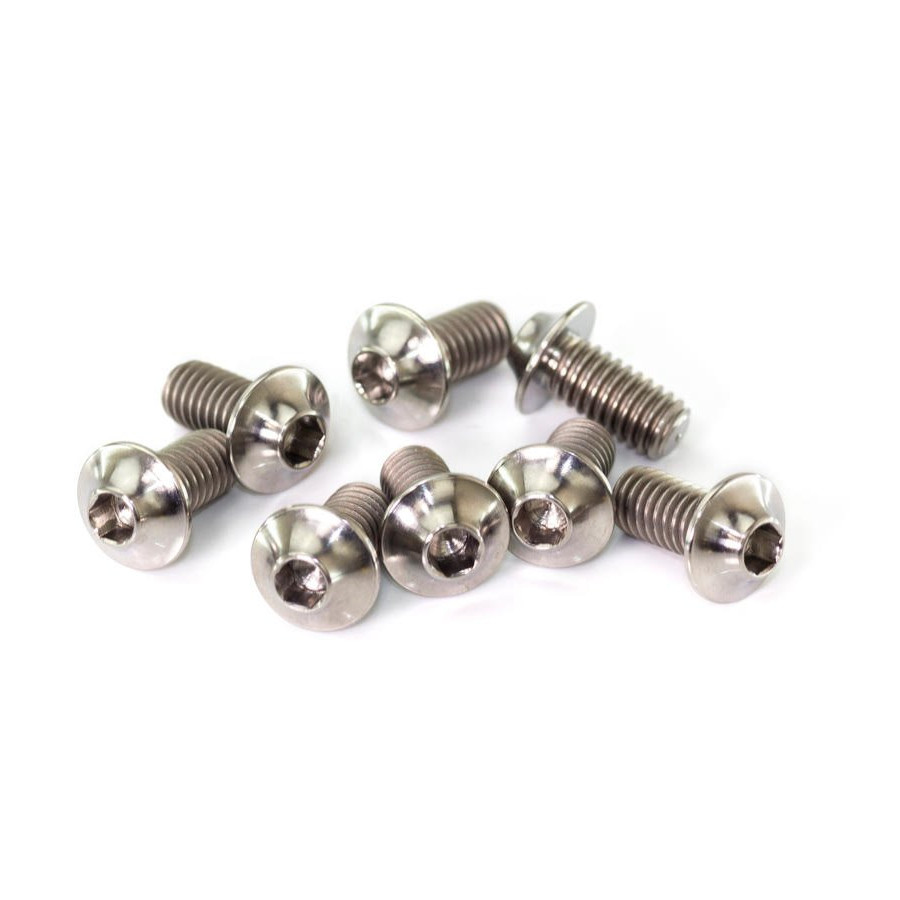
GR5 M3x4/6/8/10/12/15mm UFO Cone Head RC Car Model Aircraft Titanium Screws
View Technical Specs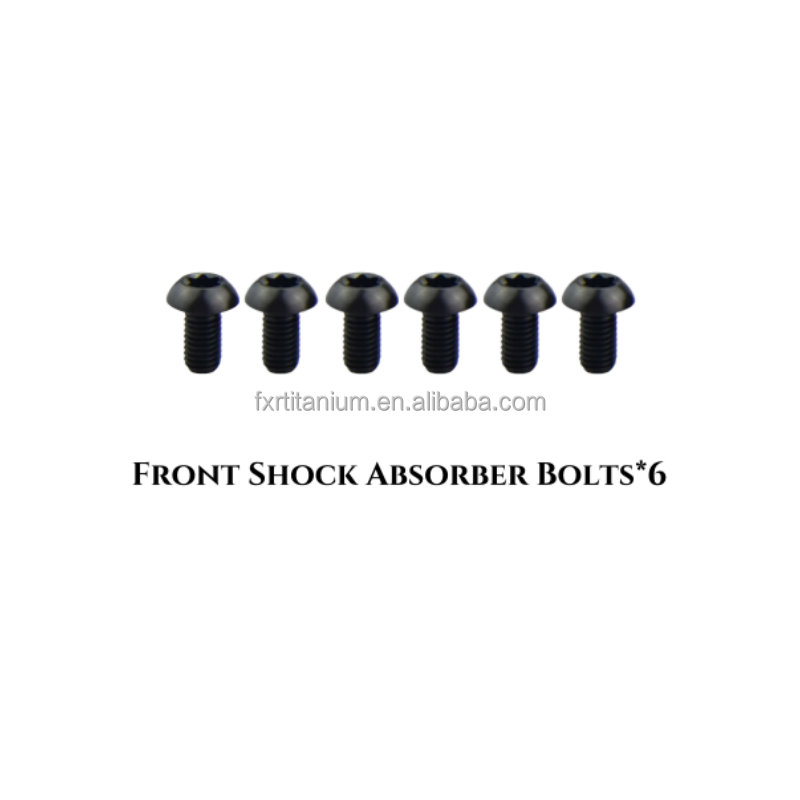
Factory Processing Class 10.9/12.9 Titanium Front Shock Absorber Bolts (6PCS)
View Technical Specs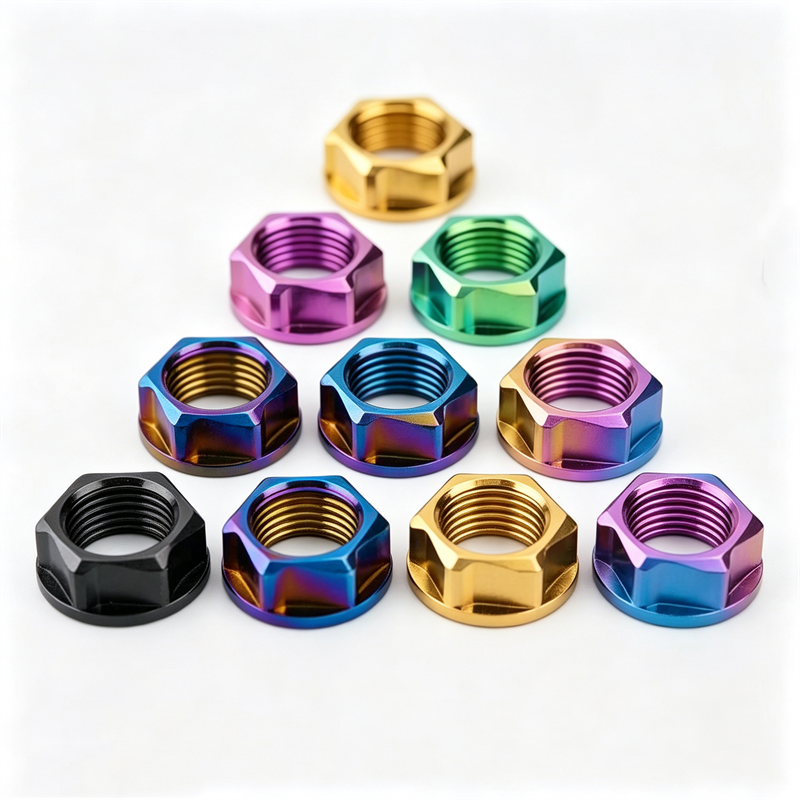
High Strength GR5 CNC Machined M5/M6/M8/M10/M12 Flange Lock Nut
View Technical SpecsEngineering Superiority of Titanium Alloy Frame Bolts
A comprehensive metallurgical analysis evaluating load-bearing capacities, fatigue resistance, shear performance, and weight optimization formulas for B2B engineering buyers.
Ti-6Al-4V Alpha-Beta Microstructure
Grade 5 (Ti-6Al-4V) titanium combines 6% aluminum to stabilize the alpha phase and 4% vanadium to stabilize the beta phase. This dual-phase heat-treated structure yields a minimum tensile strength of 895–1050 MPa, surpassing standard 8.8 grade carbon steel while remaining virtually immune to atmospheric and chemical oxidation.
Unsprung Mass Reduction Ratio
With a density of 4.43 g/cm³ (compared to 7.85 g/cm³ for steel), Grade 5 titanium bolts deliver an immediate 43% weight savings. In automotive suspension and motorcycle frame dynamics, lowering unsprung mass directly reduces rotational inertia, drastically enhancing damper response, acceleration, and handling agility.
Extreme Fatigue & Stress Corrosion Resistance
Titanium naturally forms a tenacious, self-healing TiO2 oxide film upon atmospheric exposure. Unlike plated steel bolts that suffer micro-pitting, hydrogen embrittlement, or galvanic oxidation, titanium frame fasteners endure high-vibration fatigue cycles and saltwater erosion without structural degradation.
Material Comparison Matrix: Fastener Mechanical Properties
When selecting frame structural bolts for high-stress mounts, comparing physical parameters is critical for safety margins and dynamic performance calculations:
| Material Grade / Specification | Density (g/cm³) | Tensile Strength (MPa) | Yield Strength (MPa) | Corrosion Resistance | Fatigue Limit (N/mm²) |
|---|---|---|---|---|---|
| Verqo Titanium GR5 (Ti-6Al-4V) | 4.43 | 950 – 1050 | 880 – 950 | Exceptional (Self-Passivating) | 510 |
| Class 10.9 Alloy Steel (Quenched/Tempered) | 7.85 | 1040 | 940 | Poor (Requires Galvanizing/Plating) | 420 |
| Class 8.8 Structural Carbon Steel | 7.84 | 800 | 640 | Poor (Prone to Rusting) | 320 |
| 316 Stainless Steel (A4-80 Cold Worked) | 8.00 | 800 | 600 | Moderate (Crevice Corrosion Risk) | 280 |
| 7075-T6 Aluminum Alloy | 2.81 | 570 | 505 | Fair (Anodizing Required) | 160 |
Cold Thread Rolling vs. Machined Cutting: Fatigue Life Implications
A critical engineering distinction in high-end titanium fastener manufacturing lies in the thread formation method. Cutting threads with traditional lathe tools severs the longitudinal grain flow lines of the titanium alloy bar stock, introducing microscopic stress risers at the thread root. At Verqo, all structural frame bolts undergo precision cold thread rolling post-heat treatment.
Thread rolling compresses the titanium crystal structure into continuous, burnished grain contours that conform to the thread geometry. This process imparts compressive residual stress at the root fillet, resulting in a 20% to 30% increase in dynamic fatigue strength and virtually eliminating premature fatigue failure under cyclic frame shear loads.
Key Trends in Titanium Fastener Technology
As motorsport teams, electric vehicle OEMs, and lightweight bicycle manufacturers push for higher efficiency, titanium hardware manufacturing is undergoing rapid technological evolution.
PVD Vacuum Physical Vapor Deposition Coatings
Traditional anodizing alters the superficial titanium oxide thickness to create decorative color hues. However, modern high-stress applications demand PVD DLC (Diamond-Like Carbon) and TiN / TiCN Vacuum Coatings. PVD coatings achieve surface hardness levels exceeding 2500 HV, drastically decreasing thread friction coefficients (to ~0.12) and totally eradicating thread galling during automated high-speed torque installation.
Electric Mobility (E-Moto & EV Chassis) Optimization
The rapid rise of high-torque electric motorcycles (such as Surron Ultra Bee, Talaria Sting, and Stark VARG) demands specialized frame fastening hardware. Electric powertrains output immediate linear torque, putting intense shear stress on motor mount bolts and shock absorber pins. Modern titanium frame bolts feature integrated dual-drive heads (Hex Flange + Internal Torx/Socket) combined with safety-wire cross-drilling to ensure zero bolt loosening under high-frequency electrical motor resonance.
Hollow-Core Topology & Additive Machining Hybrids
Advanced CAD topology optimization enables weight reduction beyond standard solid-shank bolts. By utilizing multi-axis CNC Swiss machining, manufacturers create hollow-core shank bolts and UFO cone-head contours that strip non-structural material from the neutral stress axis of the fastener. This results in an additional 15% weight reduction while preserving 95%+ of torsional and tensile load capabilities.
Smart Traceability & Material Certificate Standardization
Global aerospace and racing buyers now mandate full raw-material heat traceability. Modern factories utilize laser micro-marking on bolt heads to print batch QR codes, material grade designations, and thread specifications, directly linking installed hardware to EN 10204 3.1 Mill Test Certificates for absolute quality accountability.
Future Global Procurement Trends for Titanium Hardware
Navigating supply chain volatility, optimizing total cost of ownership (TCO), and establishing reliable OEM supplier relationships in China's titanium manufacturing hubs.
1. Consolidation in "Titanium Valley" Hubs
International procurement managers are moving away from fragmented trading intermediaries and establishing direct factory partnerships in Baoji, Shaanxi Province ("China's Titanium Valley"). Baoji controls over 80% of China's titanium melting, forging, and precision machining capacity. Direct factory sourcing reduces lead times by 35% and eliminates middleman markups.
2. Total Cost of Ownership (TCO) vs. Initial Unit Price
While Grade 5 titanium bolts carry a higher initial unit price than zinc-plated steel, commercial buyers calculate value based on lifecycle serviceability. Titanium fasteners eliminate replacement cycles caused by rust, prevent thread seizing in high-heat engine environments, and lower transport/energy consumption in light-weighting designs.
3. Flexible MOQ and Rapid Prototyping Mandates
Agile aftermarket brand owners require low Minimum Order Quantities (MOQs) for pilot product launches. Leading Chinese manufacturers now offer flexible MOQ arrangements (starting from 10–100 pieces per spec) supported by multi-axis CNC rapid sampling within 7 to 10 working days.
Why Sourcing from Verqo Delivers Competitive Advantage
Combining decade-long metallurgical expertise, advanced CNC Swiss turning centers, and end-to-end quality assurance to power global brands.
Baoji Industrial Supply Chain Synergy
Situated in China's titanium epicenter, Verqo maintains direct raw material procurement partnerships with primary sponge titanium smelters. Every batch of Grade 5 (Ti-6Al-4V) bar stock undergoes spectrographic analysis and ultrasonic flaw detection prior to machining.
Multi-Axis CNC Turn-Mill Precision
Our workshop houses over 50 precision CNC Swiss automatic lathes, 5-axis machining centers, and optical thread pitch sorters. We maintain tight dimensional tolerances up to ±0.01 mm on thread pitches, shank concentricity, and socket depth.
Complete Surface Treatment Ecosystem
From micro-polishing, ultrasonic degreasing, multi-color electrochemical anodizing (Gold, Blue, Purple, Burnt Blue, Green) to physical vapor deposition (PVD Vacuum Black, Rainbow/Oil-Slick), all finishing processes are completed in-house under strict environmental standard controls.
Comprehensive OEM/ODM Service Model
We work directly from customer CAD files (.STEP, .IGS, .DWG) or physical samples. Our engineering desk verifies thread pitch ratios, stress concentration points, and torque recommendations within 2 hours, supporting swift prototype iterations.
Frequently Asked Questions on Titanium Frame Bolt Procurement
Addressing key engineering, procurement, and logistics inquiries for international purchasers and OEM engineers.
Request a Custom Quote & Full Engineering Catalog
Partner directly with China's leading titanium fastener manufacturer. Send us your CAD drawings or product specifications for an immediate technical evaluation and factory-direct pricing.
Get Catalog