Featured Titanium Pipe Fittings & Precision Fastening Hardware
Engineered in Baoji for extreme vibration, subsea salinity, high-temperature exhaust pipelines, and lightweight motorsport assemblies. Review factory-direct stock lines below.
Metallurgical Standards for Industrial Titanium Piping & Fitting Systems
Industrial piping networks operating in aggressive media—such as chlorinated brine in chlor-alkali facilities, sour wet gas in offshore platforms, and supercritical fluid loops in aerospace cooling—demand zero-tolerance material selection. As the premier China titanium pipe fittings manufacturer & supplier, Verqo Titanium Products Co., Ltd. operates strictly within international pressure vessel and piping standards, including ASTM B363, ASME SB363, ASME B16.9 (factory-made wrought buttwelding fittings), ASME B16.11 (forged fittings and socket-weld unions), and MSS SP-43.
The inherent performance advantage of titanium stems from its immediate, spontaneous passivating oxide layer (primarily TiO₂). When damaged mechanically, this protective film reforms instantaneously in the presence of oxygen or trace moisture down to parts-per-million levels. However, choosing the proper titanium alloy determines the boundary between operational success and catastrophic stress corrosion cracking (SCC) or localized hydrogen-induced embrittlement.
Comprehensive Grade Comparison for Fluid Handling & Pipe Unions
| Titanium Grade & UNS | Standard Specification | Min. Tensile (MPa) | Min. Yield 0.2% (MPa) | Elongation (%) | Primary Fluid & Environmental Application |
|---|---|---|---|---|---|
| Grade 2 (UNS R50400) CP Alpha | ASTM B363 / B861 / ASME SB363 | ≥ 345 | ≥ 275 | ≥ 20% | Chemical processing, marine seawater piping, flue gas desulfurization (FGD), desalination. |
| Grade 5 (UNS R56400) Ti-6Al-4V α+β | ASTM B381 / B348 / AMS 4928 | ≥ 895 | ≥ 828 | ≥ 10% | Offshore HPHT manifolds, motorsport high-pressure lines, aerospace hydraulic couplers, studs. |
| Grade 7 (UNS R52400) Ti-0.15Pd | ASTM B363 WPT7 / ASME SB363 | ≥ 345 | ≥ 275 | ≥ 20% | Hydrochloric acid (HCl), sulfuric acid (H₂SO₄), acidic chloride refining where crevice attack is critical. |
| Grade 9 (UNS R56320) Ti-3Al-2.5V | ASTM B861 Gr.9 / AMS 4944 | ≥ 620 | ≥ 483 | ≥ 15% | High-pressure hydraulic tubing, aircraft fuel lines, premium bicycle frame tubes and exhaust loops. |
| Grade 12 (UNS R53400) Ti-0.3Mo-0.8Ni | ASTM B363 WPT12 / ASME SB363 | ≥ 483 | ≥ 345 | ≥ 18% | Cost-effective alternative to Grade 7 in moderately reducing brine systems at temperatures > 250°C. |
Dimensional Tolerances & Welding Integrity
Under ASME B16.9 and MSS SP-43, the dimensional consistency of seamless and welded titanium fittings is controlled to sub-millimeter tolerances. When manufacturing concentric reducers, eccentric reducers, 45°/90° elbows, and equal tees, our CNC orbital beveling machinery ensures wall thickness variations at the weld bevel stay within ±12.5% of nominal wall thickness, and out-of-roundness at ends does not exceed 1.5% of the outside diameter. For critical applications, full radiographic testing (RT) or liquid penetrant inspection (PT) is carried out per ASME Section VIII Division 1 guidelines.
Future Procurement Trends in Titanium Piping Infrastructure
Global supply chains are shifting toward decarbonization, high-reliability subsea systems, and aerospace-level traceability. Discover the top purchasing drivers shaping titanium B2B contracts.
1. Transition to Green Hydrogen & CCS
Hydrogen distribution networks operate under extreme pressures and cryogenic temperatures where steel risks catastrophic hydrogen embrittlement. Titanium Grade 2 and Grade 9 show near-zero hydrogen permeability and embrittlement resistance at elevated pressures, prompting massive EPC demand for titanium manifolds, welded tees, and seamless reducers.
2. Replacement of Super Duplex in Subsea
Offshore oil, gas, and floating wind substations are shifting away from 2507 super duplex stainless steel toward Grade 5 (Ti-6Al-4V) and Grade 29 (ELI with Ru) titanium piping. Titanium's 43% lower density dramatically reduces topside structural weight on FPSO platforms while eliminating seawater micro-fouling and pitting corrosion completely.
3. Strict Raw Material Sponge Traceability
International procurement teams now mandate EN 10204 3.1 or 3.2 mill certificates showing 100% virgin titanium sponge origin. In response, Verqo provides end-to-end vacuum arc remelting (VAR) heat traceability, confirming non-scrap source material to safeguard against interstitial gas defects (oxygen, carbon, nitrogen spikes).
4. Demand for Anti-Galling Thread Solutions
Historically, titanium-to-titanium threaded fittings suffered from galling (friction cold-welding) during assembly. Procurement trends favor pre-treated factory finishes, such as physical vapor deposition (PVD) diamond-like carbon (DLC), dry-film lubricants, or micro-arc oxidation (MAO), enabling repeat disassembly without thread seizure.
5. Modular Skids & Pre-Fabricated Spools
Instead of welding titanium on site—which requires strict inert-gas trailing shields—EPC contractors increasingly procure custom, pre-fabricated spool assemblies. By hydroforming, CNC bending, and orbital butt-welding in our Baoji cleanroom facility, buyers reduce hazardous on-site fabrication risks by over 70%.
6. Fast-Track Agile Production & Low MOQs
Traditional mills impose 500 kg minimum order quantities with 16-week lead times. Agile buyers now favor hybrid precision facilities like Verqo that bridge custom CNC small-batch prototyping (from 10–50 pieces) with large volume extrusion runs, backed by local billet reserves in China's Titanium Valley.
Technological Innovations in Titanium Pipe Fitting & Hardware Manufacturing
Fabricating titanium components demands specialized metallurgy distinct from common stainless steel or nickel alloys. Titanium’s low elastic modulus (roughly half that of carbon steel) causes pronounced spring-back during cold forming, while its chemical reactivity at temperatures exceeding 400°C creates high vulnerability to interstitial embrittlement from oxygen, hydrogen, and nitrogen.
1. Precision Cold & Warm Hydroforming of Seamless Elbows and Tees
To produce ASME B16.9 seamless buttweld elbows (45°, 90°, and 180° configurations), Verqo implements computer-controlled warm mandrel bending and hydraulic bulging. Utilizing vacuum induction heated mandrels, seamless titanium pipes (ASTM B861) are expanded uniformly. This prevents wall thinning along the extrados (outer radius) and avoids wrinkle buckling along the intrados (inner radius), delivering consistent burst pressure ratings conforming to ASME Section VIII.
2. Ultra-Clean Inert Gas Welding Chambers (Orbital TIG/GTAW)
Welded titanium pipe fittings (ASTM B363 WPT2W or WPT5W) require complete atmosphere isolation. We utilize automated orbital Gas Tungsten Arc Welding (GTAW) stations inside high-purity argon chambers with residual oxygen monitored below 20 ppm. Extended trailing shields and internal root purge systems ensure the weld bead and heat-affected zone (HAZ) exhibit a bright silver metallic luster, free from undesirable straw, blue, or gray oxide contamination that indicates embrittlement.
3. Multi-Axis CNC Thread Machining & Rolling
For high-pressure threaded pipe fittings (NPT, BSPT, Metric ISO) and race-spec chassis bolts, cut threads can create stress concentration notches. Wherever geometry allows, Verqo employs thread rolling for bolts and CNC thread whirling for internal pipe threads. Thread rolling burnishes the root profile, inducing beneficial compressive residual stresses that increase fatigue life under high cyclic loading.
Why Verqo Leads China’s Titanium Manufacturing Supply Chain
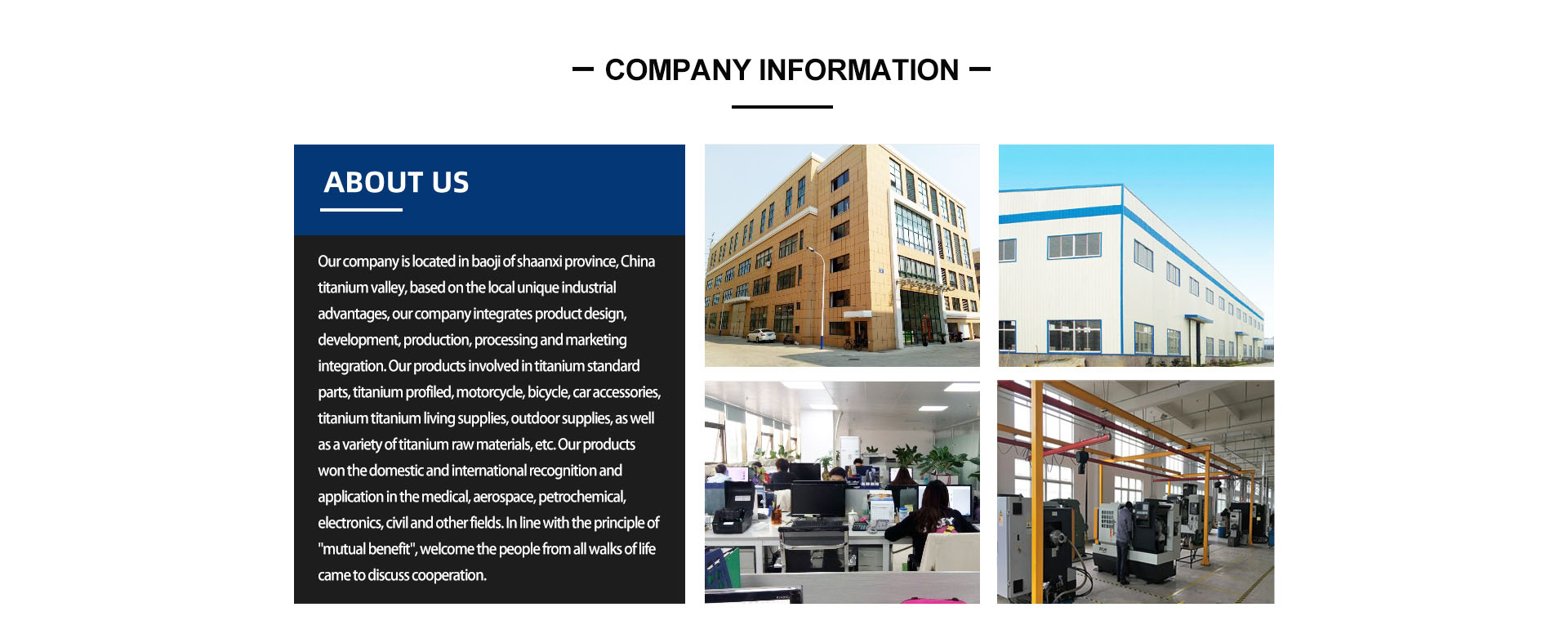
Headquartered in Baoji, Shaanxi Province—globally acknowledged as China's "Titanium Valley"—Verqo Titanium Products Co., Ltd. has specialized in titanium design, precision CNC machining, pipe fitting fabrication, and global export distribution since 2015. Baoji houses over 60% of China’s high-purity titanium sponge smelting and secondary processing capacity, giving our engineers direct access to national lab-certified titanium billets, advanced vacuum arc furnaces, and specialized metallurgical testing facilities.
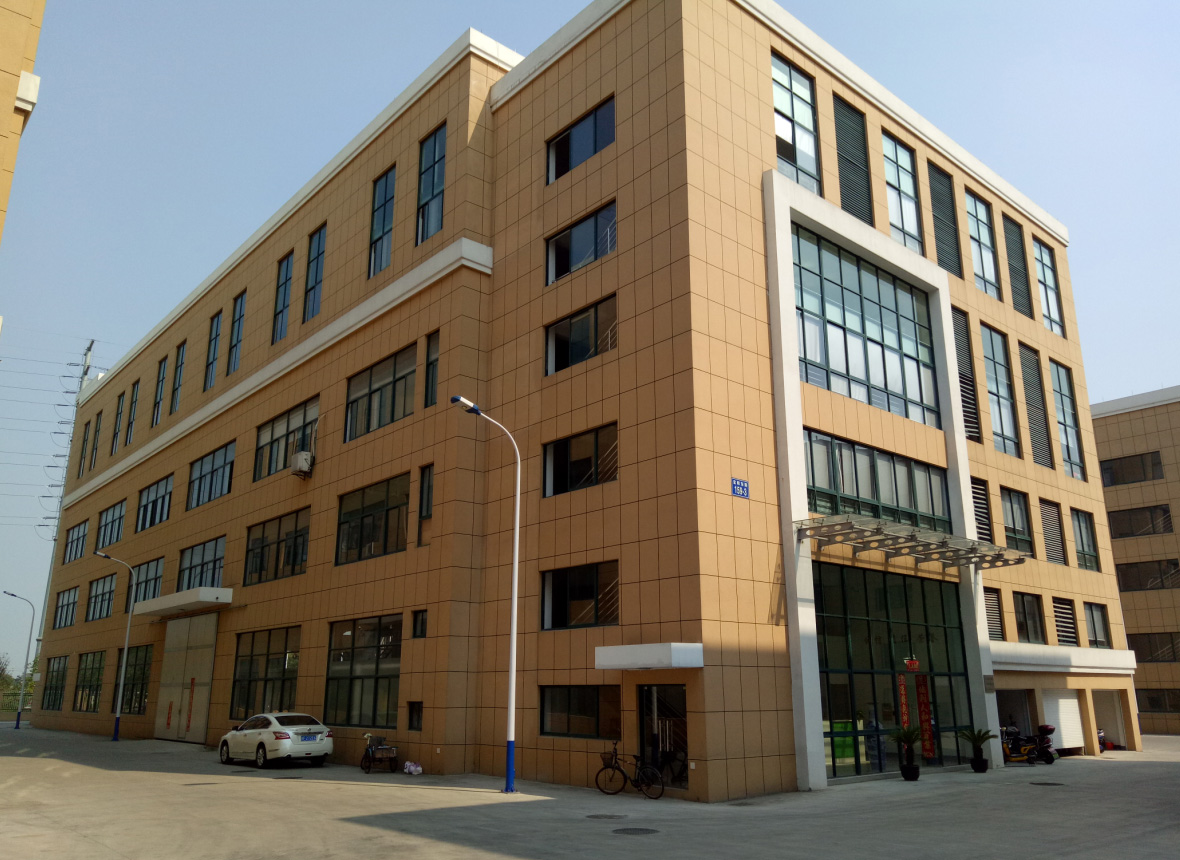
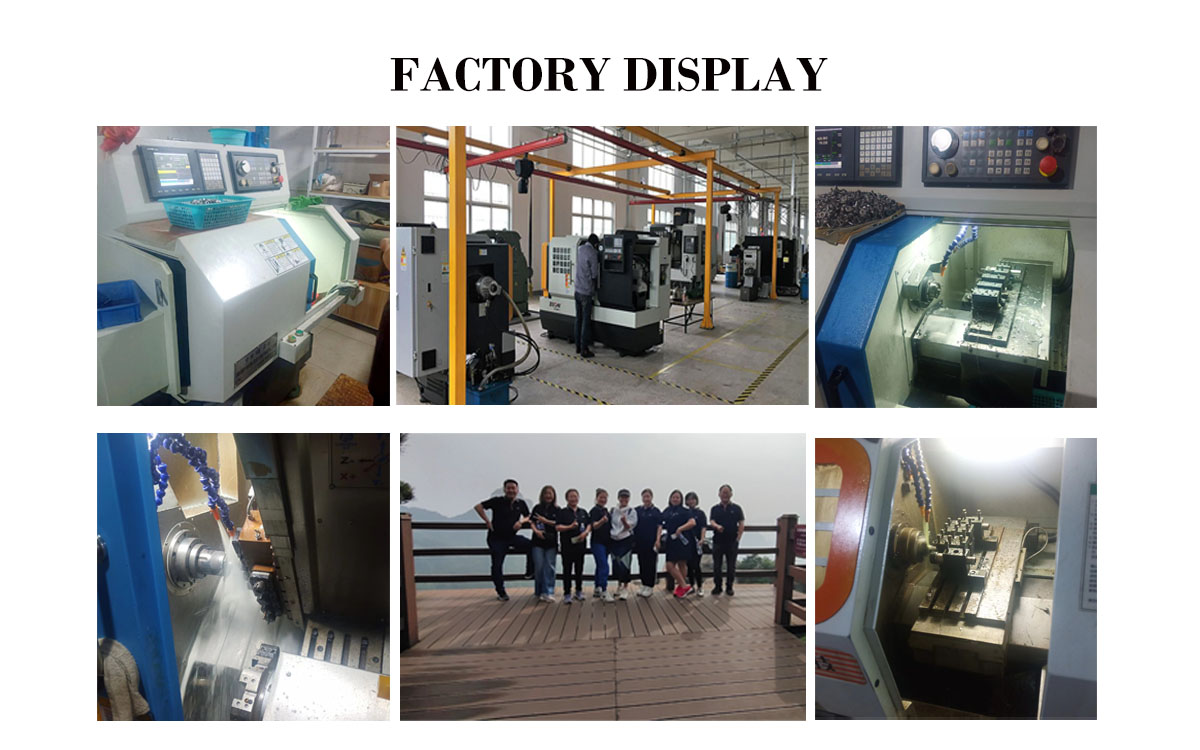
Our company facilities include a modern 1,001–2,000 m² workshop equipped with 3-axis, 4-axis, and 5-axis CNC machining centers, automated thread rollers, precision hydraulic presses, and spectrographic PMI analyzers. We serve industrial clients in North America, Southeast Asia, Oceania, and Western Europe, delivering mission-critical titanium pipe fittings, flanges, wheel hardware, and custom-engineered titanium CNC components.
Baoji Production Workshop
1,001–2,000 m² facility with multi-axis CNC turn-mill stations.
Precision CNC Machining
Tight-tolerance turning for fittings, flanges, and M2–M26 hardware.
Inspection & Quality Control
100% thread gauging, CMM dimensional checks, and PMI verification.
Comprehensive Product Matrix
Fittings, flanges, bolts, nuts, studs, and custom OEM shapes.
In-Process Metallurgical Control
Continuous monitoring from raw titanium billet to surface finish.
Export-Ready Global Packaging
Moisture-proof, scratch-resistant packing shipped worldwide.
Need Custom Titanium Pipe Fittings or Precision Hardware to Print?
Submit your CAD files (.STEP, .DWG, .PDF) or sample components. Our Baoji metallurgists and CNC engineering team will provide a comprehensive DFM review, material certificate confirmation, and direct factory pricing within 2 hours.
Frequently Asked Sourcing & Engineering Questions (FAQ)
Clear, technically rigorous answers covering titanium material grades, testing protocols, custom order lead times, and global shipping policies.
Every production lot is shipped with an authentic EN 10204 3.1 Inspection Certificate containing actual chemical composition (C, O, N, H, Fe, and alloying elements like Al, V, Pd, Mo), tensile strength, 0.2% yield strength, elongation percentage, and hydrostatic or NDT test results. We also accommodate third-party inspection (TPI) by SGS, TÜV, or Lloyd’s Register upon customer request.
Choose ASTM B363 Grade 2 when your main priority is overall corrosion resistance in wet chlorine, seawater, nitric acid, or organic acids at moderate pressures (≤ 25 bar), where high weld ductility and ease of field manipulation are essential. Choose Grade 5 (Ti-6Al-4V) when you require high yield strength (over 828 MPa) for high-pressure hydraulic manifolds, downhole offshore subsea loops, or extreme-temperature exhaust headers where weight savings and shear resistance are paramount.
Titanium has a high coefficient of friction that can lead to galling under torque. To prevent this, we employ: (1) high-precision thread rolling and whirling to create ultra-smooth thread root surfaces (Ra ≤ 0.4 μm); (2) advanced PVD coatings (like TiN, CrN, or DLC) that act as an anti-friction ceramic barrier; and (3) supplying custom orders with anti-seize paste containing molybdenum disulfide (MoS₂) or nickel flakes.
Per ASME B16.9 and ASME Section V, our welded fittings undergo 100% Visual Examination (VT) and Liquid Penetrant Testing (PT) to confirm zero surface cracks, pores, or lack of fusion. For high-pressure critical class fittings, we perform 100% Radiographic Testing (RT) on all longitudinal and circumferential butt-welds, along with hydrostatic pressure testing up to 1.5 times the design working pressure.
We offer some of the most flexible MOQs in the industry. For standard fasteners (M2 to M26) and catalog pipe fittings in stock, the MOQ starts at just 10 to 20 pieces. For custom CNC components and custom-forged buttweld fittings produced to print, MOQs typically range from 50 to 100 pieces. Standard prototypes take 5–7 days, while full production runs ship in 15–25 business days depending on surface treatments.
No, titanium cannot be directly fusion-welded to iron-based alloys (steel, stainless steel, nickel alloys) using conventional TIG methods because brittle intermetallic phases (FeTi, Fe₂Ti) form, causing welds to crack upon cooling. Direct transitions require either mechanically flanged joints (e.g., Titanium Lap Joint Stub End with an ASTM A105 backing flange) or explosion-bonded transition joints (clad bimetallic couplings).
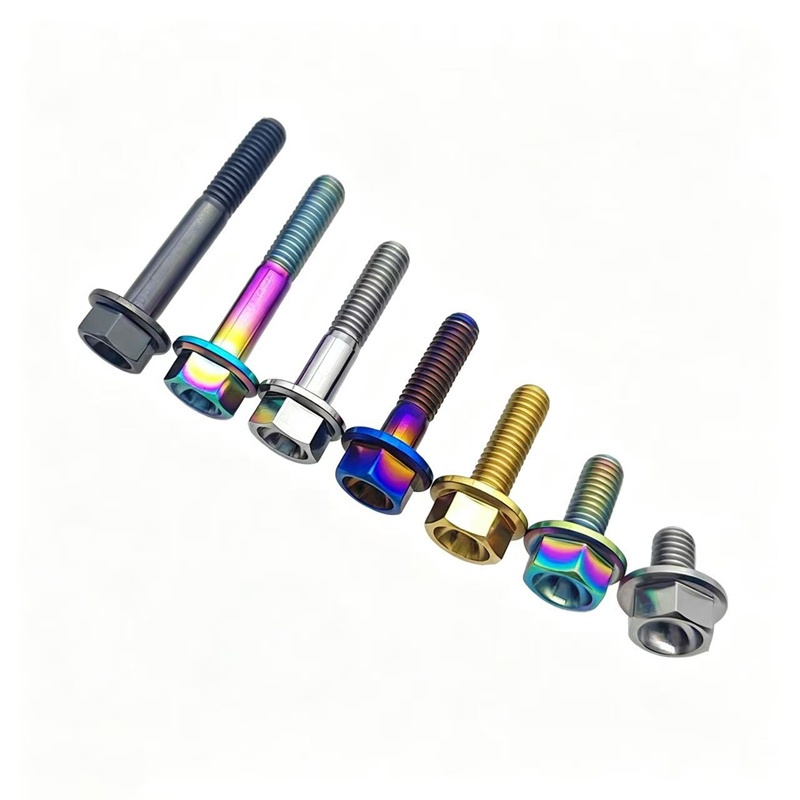
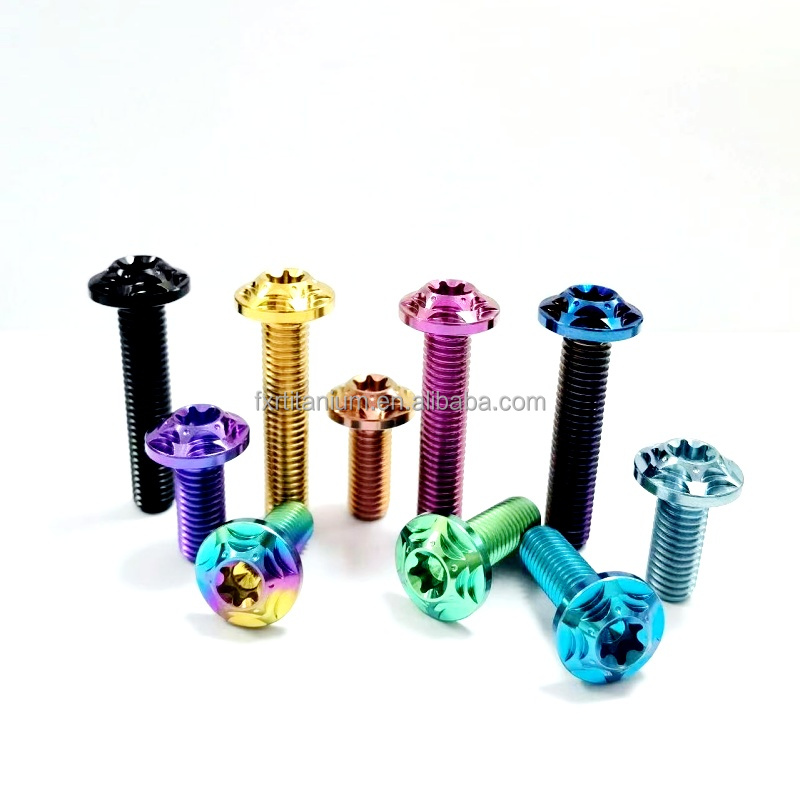
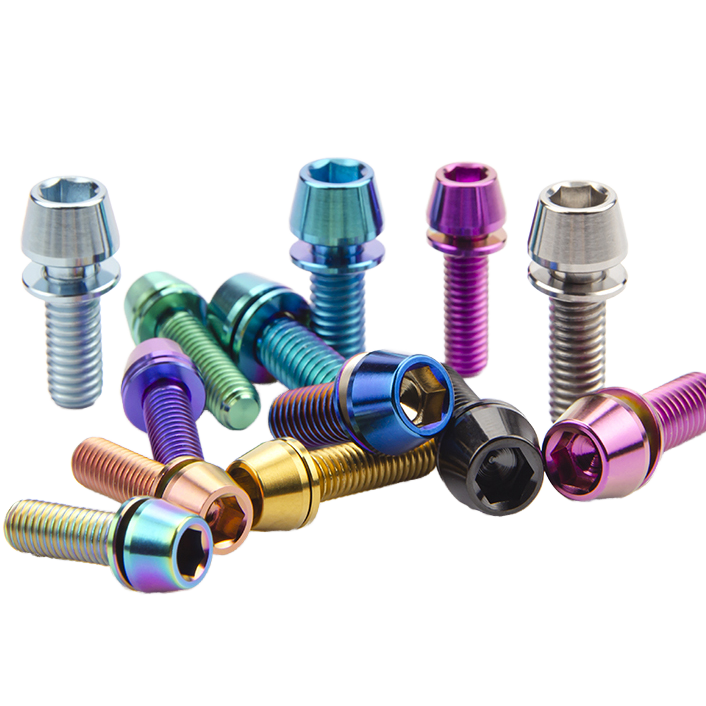
We provide several high-performance surface finishes: precision vibratory deburred, mechanical mirror polishing, bead-blasting, controlled electrochemical anodizing (yielding gold, royal blue, violet, burnt blue, and rose colors), and PVD vacuum multi-arc ion plating (yielding diamond-like black, oil-slick rainbow, and rich gold). Custom corporate branding and part numbers can also be added via fiber laser marking.
We accept commercial T/T (Telegraphic Transfer), Irrevocable Letters of Credit at Sight (L/C), and PayPal for prototype samples. For international logistics, we offer door-to-door express couriers (DHL, FedEx, UPS) for urgent orders (≤ 5 days globally), alongside DDP/CIF/FOB ocean and air freight for full container and heavy palletized consignments via Shanghai, Qingdao, or Shenzhen ports.