Precision Titanium Hub Fasteners & Hardware Series
Engineered from certified Ti-6Al-4V (Grade 5) titanium billet bar stock. Fully customizable dimensions, knurled profiles, anti-theft locking drives, and anti-galling thread treatments ready for worldwide export container dispatch.
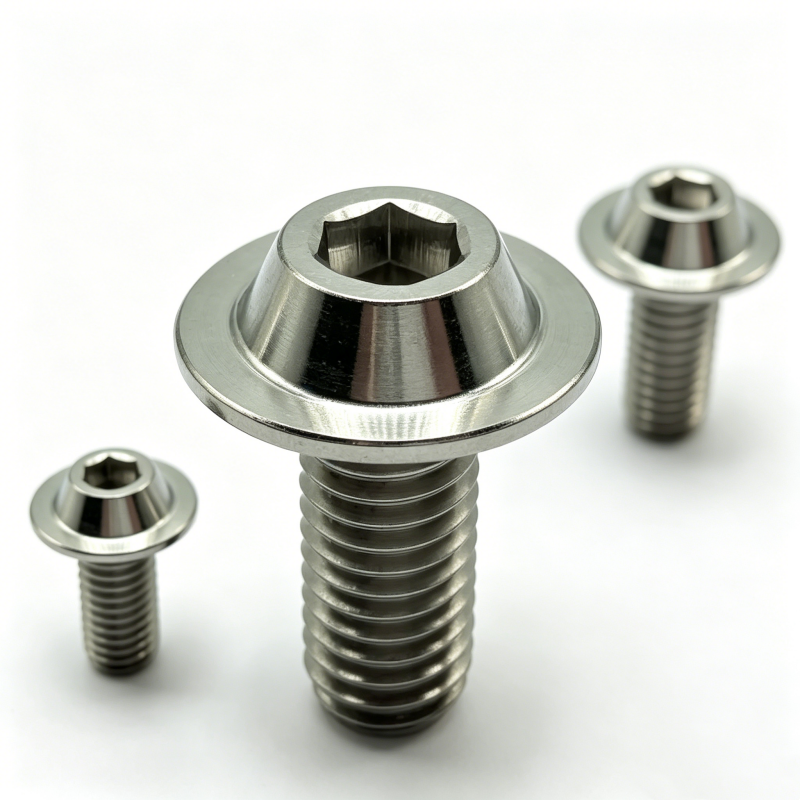
Factory Wholesale GR5 Titanium Alloy Screws M4 M5 M6 M8 M10 Titanium Bolts with Hex Socket UFO Head
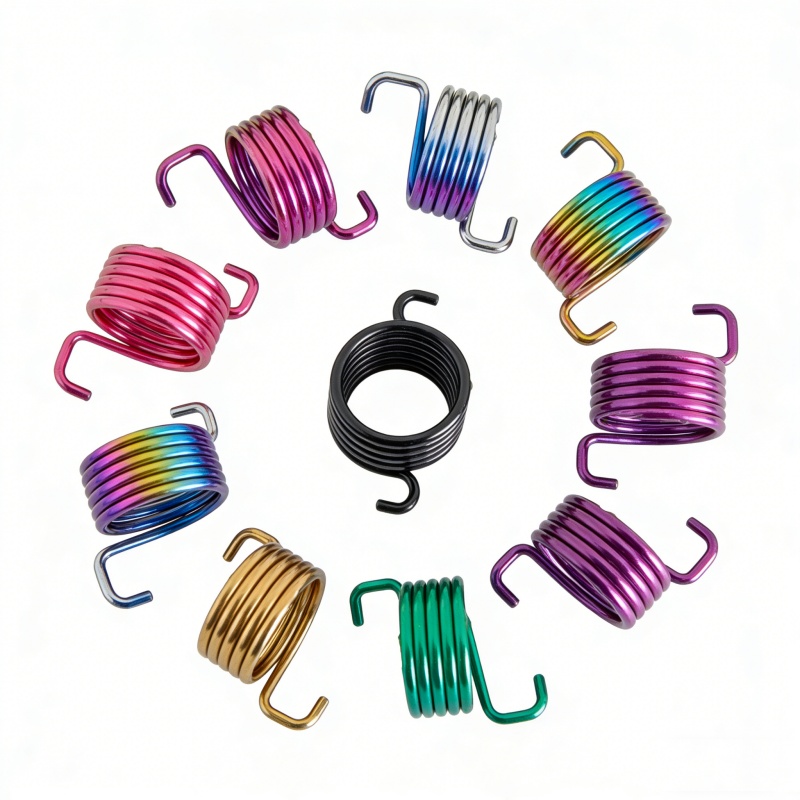
Factory Customized Colorful Titanium Alloy Coil Motorcycle Footpeg Torsion Spring 25 lb Load Capacity
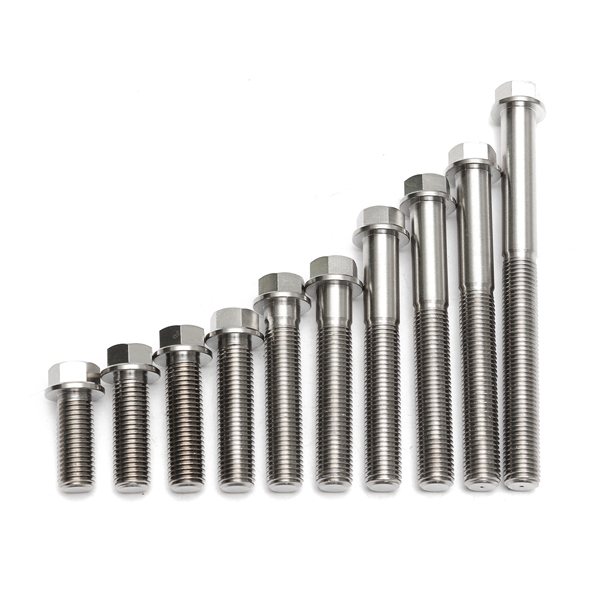
Factory Price M6 M8 M10 GR5 Motorcycle Automotive Sprint Midget Car Titanium Alloy Hex Flange Bolts
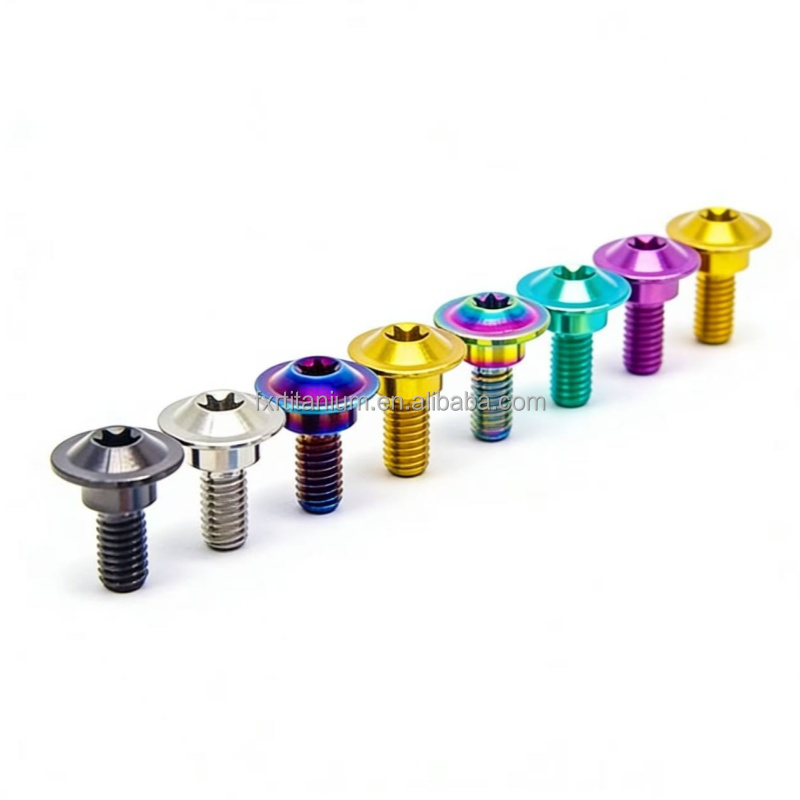
Grade 10 Anodized M5 M6 Disc Head Step Titanium Alloy Screws for Japanese Motorcycle Windshield Bolts
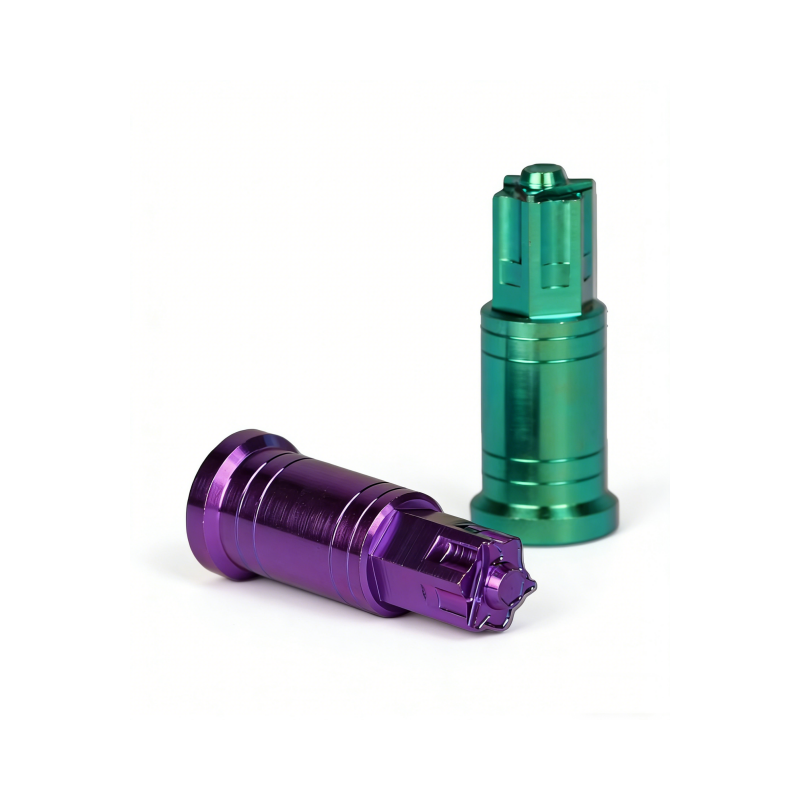
Factory Customized Color Size M6 M8 M10 GR5 Hex Head Polished Titanium Alloy Knurled Extended Nut
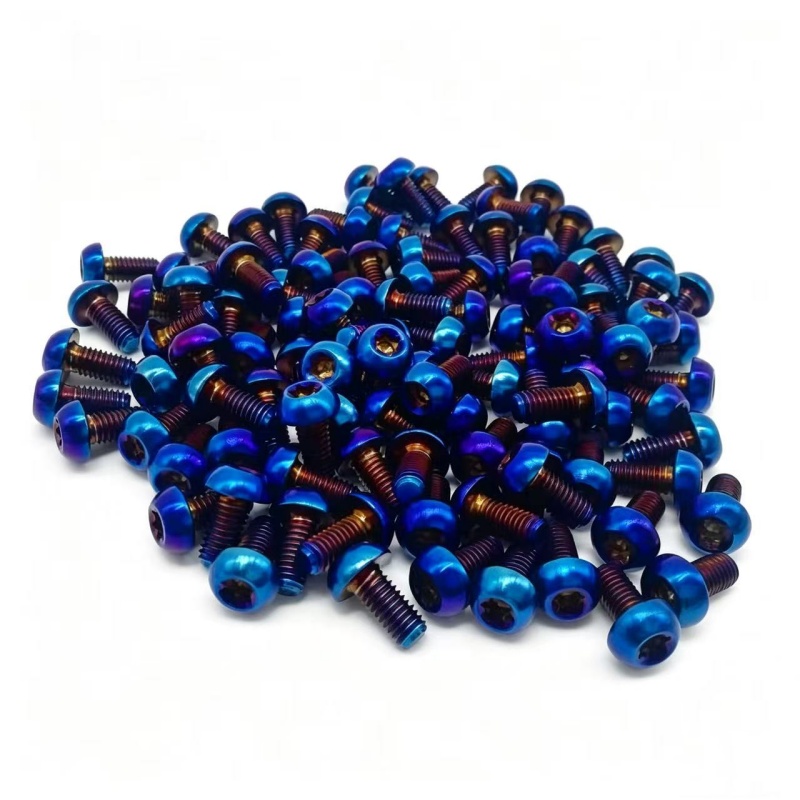
Factory Wholesale Button Socket Head Titanium Alloy Bolts Burnt Blue Surron Ultra Bee LBX Talaria
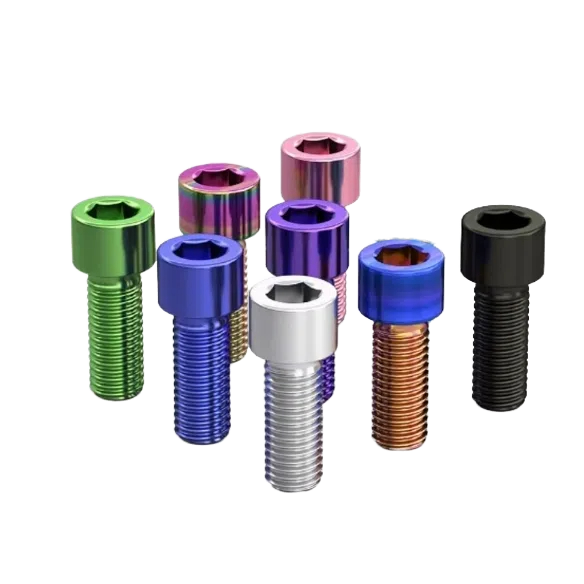
Gr5 Anodized Colored M3-M8 Titanium Alloy CNC Cap Socket Bolts for Motorcycle Bicycle RC Car Auto
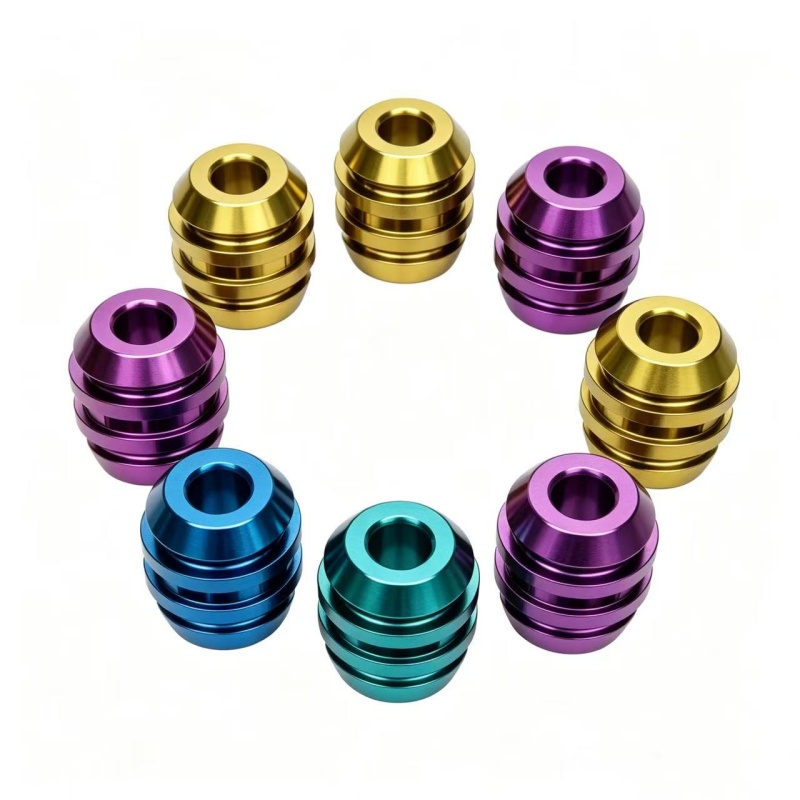
FOXTI Gr5 Titanium Alloy Custom Colorful PVD Coated Corrosion Resistant EDC Lanyard Beads 6mm/8mm
Why Ti-6Al-4V Grade 5 Outperforms Steel & Aluminum in Wheel Hub Retention
In rotational mechanical assemblies, wheel hub nuts endure cyclic shear forces, radial shock loading, and rapid thermal cycling generated by braking systems. Sourcing authentic Ti-6Al-4V Grade 5 eliminates catastrophic shear risk while optimizing vehicle dynamic response.
Rotational Inertia Reduction
Rotating unsprung mass holds an angular momentum penalty calculated via ΔI = ½mr². Swapping steel hub nuts (density 7.85 g/cm³) for GR5 titanium (4.43 g/cm³) sheds 43% of perimeter weight, significantly improving acceleration and damper rebound speed.
Rolled Threads vs. Cut Threads
Verqo wheel hub nuts feature cold-rolled external and internal threads rather than CNC-cut threads. Thread rolling burnishes the grain flow lines continuously across thread crests and roots, boosting fatigue limit by over 300% under severe cornering deflection.
Elimination of Galvanic Seizure
Direct contact between carbon steel nuts and alloy rims causes galvanic battery cells and oxidation crusts. Grade 5 titanium forms an instantaneous TiO&sub2; passivation layer, ensuring zero rust, seamless wheel changes, and zero stud thread stripping across multi-season use.
Thermal Stability up to 450°C
Brake rotor heat soak routinely heats wheel hub flanges above 250°C. Aluminum 7075-T6 lug nuts suffer yield strength drop-offs above 120°C, leading to torque loss. GR5 titanium maintains high structural rigidity, thermal modulus, and clamped preload tension up to 450°C.
| Mechanical & Physical Property | Verqo GR5 Titanium (Ti-6Al-4V) | High-Tensile Steel 10.9 | Billet Aluminum 7075-T6 | Commercial Pure Ti (Grade 2) |
|---|---|---|---|---|
| Density (ρ) | 4.43 g/cm³ (−43.5% vs. Steel) | 7.85 g/cm³ | 2.81 g/cm³ | 4.51 g/cm³ |
| Yield Strength (Rp0.2) | ≥ 828 MPa (Typical: 890–940 MPa) | 940 MPa | 503 MPa (Drops >100°C) | 275 MPa (Unsuitable for Wheels) |
| Ultimate Tensile Strength (Rm) | ≥ 895–1000 MPa | 1040 MPa | 572 MPa | 345 MPa |
| Strength-to-Weight Ratio | 214 kN·m/kg (Class Leader) | 132 kN·m/kg | 204 kN·m/kg | 76 kN·m/kg |
| Modulus of Elasticity (E) | 114 GPa (Superior Clamping Flex) | 210 GPa | 71 GPa | 105 GPa |
| Corrosion Resistance (ASTM B117) | > 2,000 Hours Salt Spray (Zero Rust) | Requires Zinc/Cad Plating | Anodized / Prone to Pitting | > 2,000 Hours Salt Spray |
| Wheel Hub Application Fit | High-Performance, Track, OEM EV | Heavy Industrial, Stock Passenger | Show Cars Only (Low Safety Factor) | Non-Load Trim Hardware Only |
Emerging Procurement Trends for Titanium Hub Hardware (2025–2030)
Global Tier-1 importers, performance tuning brands, and motorsport distribution hubs are shifting supply chain metrics. Here is how international engineering and procurement teams are adapting procurement criteria.
1. Electric Vehicle Hyper-Torque Clamping
EV platforms deliver instantaneous maximum torque from 0 RPM, generating severe rotational shearing forces at the hub interface. Fleet engineers and aftermarket distributors are phasing out steel and aluminum fasteners in favor of cold-forged Grade 5 titanium lug nuts to handle continuous 140–180 N·m torque retention without stretching or bolt relaxation.
2. Two-Piece Floating Seat Architectures
A major trend among high-end European sports and racing cars is the transition from fixed conical seats (60° taper) to floating separate collar seats. Floating washer assemblies prevent galling against forged aluminum wheel seats during pneumatic gun tightening, guaranteeing precise preload distribution across all studs.
3. Transition to PVD Over Chemical Dyes
While traditional electrochemical anodizing provides brilliant aesthetic hues, track environments expose wheel fasteners to caustic wheel cleaners and gravel impingement. Procurement directives now specify Physical Vapor Deposition (PVD) titanium nitride (TiN) and Diamond-Like Carbon (DLC) coatings for superior micro-hardness (>2500 HV) and UV color stability.
4. Full Metallurgical Traceability & MTR
Global safety compliance requires supply chain transparency. Wholesale buyers increasingly require European EN 10204 Type 3.1 chemical inspection certificates alongside ultrasonic billet testing reports to verify low interstitial gas limits (Oxygen ≤ 0.20%, Nitrogen ≤ 0.05%, Hydrogen ≤ 0.015%) to prevent hydrogen embrittlement.
5. Multi-Point Custom Security Keyways
With high-value aftermarket wheel packages costing upwards of $5,000 to $15,000, distributors demand tailored anti-theft hub nut geometries. Modern wholesale lines incorporate 7-spline drives, irregular internal flower patterns, and floating outer knurled slip-sleeves that spin freely against unauthorized wrench extraction.
6. Flexible Just-In-Time Low-MOQ Warehousing
High capital storage costs are causing global distributors to partner with Chinese manufacturers capable of scalable MOQ batches. Verqo supports agile procurement by stocking popular thread pitches (M12×1.25, M12×1.5, M14×1.25, M14×1.5) with MOQ thresholds starting at just 10–20 pieces for standard profiles and 50–100 pieces for bespoke CNC OEM runs.
Precision Engineering & Surface Treatment Workflows
From aerospace certified raw bar stock to finished high-tolerance fasteners, Verqo leverages precision Chinese tooling to manufacture wheel hub hardware that meets DIN, ISO, and race-sanctioned standards.
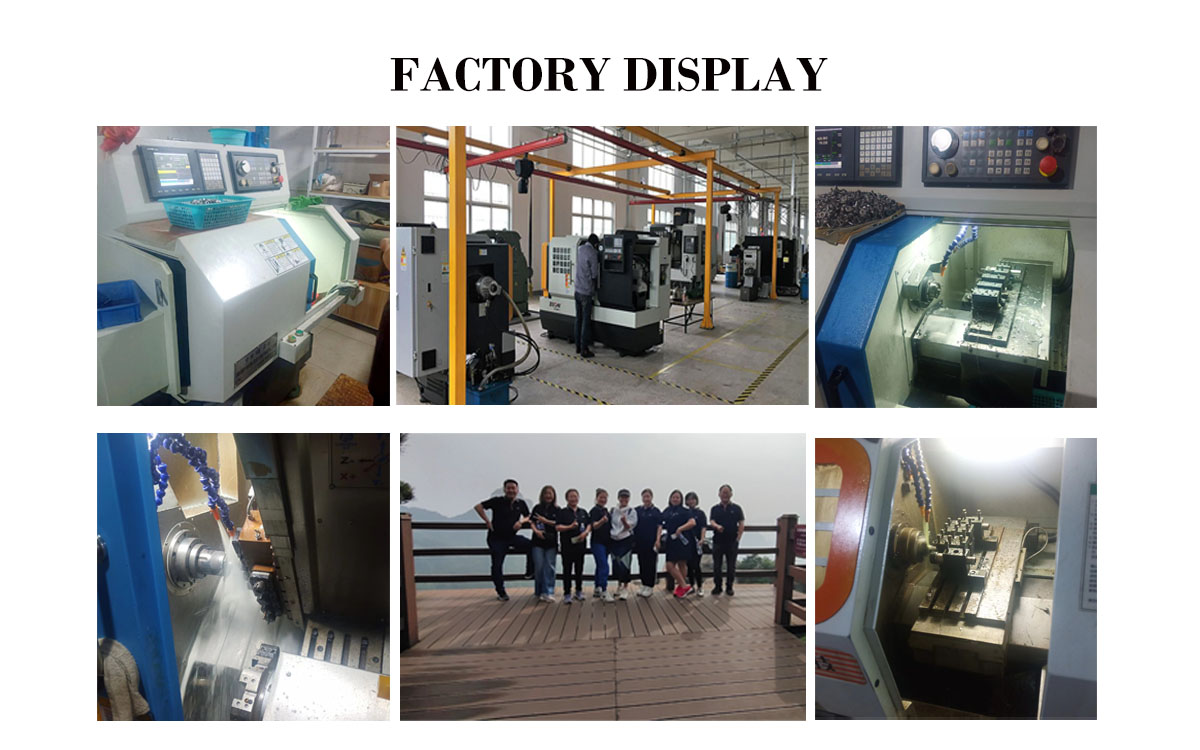
Baoji Manufacturing Hub: Advanced 5-Axis CNC & Thread Rolling
Situated in Baoji, Shaanxi Province—internationally recognized as "China's Titanium Valley"—Verqo Titanium Products Co., Ltd. utilizes an integrated 1,001–2,000 m² production workshop equipped with multi-axis Swiss-type turning centers, high-speed multi-station cold-heading machines, and optical sorting lines.
By controlling every fabrication stage from spectrometer ingot analysis to precision thread grinding, we maintain tight machining tolerances within ±0.01 mm. Each hub nut profile is carefully chamfered, drilled, or knurled to eliminate stress concentrations, ensuring concentricity and accurate thread engagement.



Why International Tier-1 Buyers Choose Verqo Titanium
Combining Baoji's rich raw material supply chain with rigorous export logistics, we deliver stable engineering quality, competitive factory-direct pricing, and dependable supply continuity.
Titanium Valley Supply Chain
Located in Baoji, China's core titanium industrial cluster, we secure premium vacuum arc remelted (VAR) Ti-6Al-4V bar stock directly from verified smelters, keeping material costs competitive and supply lead times predictable.
100% Quality Inspection
Every shipment undergoes multi-point quality control, including Mitutoyo optical profiling, 6H/6g thread go/no-go plug gauging, micro-hardness Rockwell testing, and spectral composition checks to ensure dimensional accuracy across every batch.
Fast Technical Turnaround
With an average response time of ≤2 hours and a 98.62% response rate, our English-speaking technical team reviews engineering drawings (CAD, STEP, DWG) quickly, providing detailed DFM feedback and fast production quotes.
Bespoke OEM Customization
We machine customized head styles (open-ended racing, closed acorn, extended knurled, 12-point tuner, anti-theft), custom laser-etched brand logos, and multi-color PVD/anodized finishes with low sample testing MOQs.
Technical & Sourcing FAQ for Titanium Hub Fasteners
Clear, direct answers regarding material grades, galling prevention, torque specifications, and export ordering terms to help streamline your procurement decisions.
What specific titanium alloy grade is used for your hub nuts and studs?
We use certified Ti-6Al-4V Grade 5 (UNS R56400 / ASTM B348). Grade 5 is an alpha-beta alloy delivering minimum yield strength ≥828 MPa and ultimate tensile strength ≥895–1000 MPa. We do not use commercial pure Grade 2 or Grade 3 titanium for load-bearing hub nuts, as their yield strength (275–380 MPa) is insufficient for high-torque wheel clamping.
How do you resolve and prevent thread galling (cold-welding) in titanium hub nuts?
Thread galling occurs when friction breaks down microscopic oxide films under high clamping pressure. We prevent this by precision CNC single-point thread chasing or thread rolling to achieve mirror Ra ≤ 0.4 μm surface smoothness. Additionally, our PVD coatings (TiN, DLC) generate ultra-hard lubricious barrier layers. We also recommend molybdenum disulfide or nickel-based anti-seize paste during installation, calibrated to a 10–15% reduced dry-torque value.
Which thread sizes, pitches, and seat profiles can you manufacture?
We machine all standard automotive and motorsport sizes, including M12×1.25, M12×1.5, M14×1.25, M14×1.5, and 1/2-20 UNF. Wheel seat profiles include standard 60° conical taper (acorn), radius/ball seat (R12, R13, R14 for Porsche, Mercedes, OEM applications), and flat mag washer designs, alongside custom two-piece floating washer styles.
What surface finishes and colors are available for wholesale export?
We offer precision mirror polishing, micro-glass bead blasting, electrochemical anodizing (raw silver, gold, deep blue, purple, emerald green, and hand-torched burnt blue), and vacuum multi-arc PVD deposition (Diamond-Like Carbon high-gloss/matte black, titanium gold, and neo-chrome oil slick). All finishes resist road salt, brake dust, and extreme temperature cycling.
Can you manufacture custom lug nuts from our CAD drawings or physical samples?
Yes. With over 10 years of specialized OEM and ODM manufacturing experience, our engineering department reviews 2D PDF blueprints and 3D CAD files (STEP, IGES, SolidWorks). We evaluate thread tolerances, verify tooling access, produce initial sample sets for dimensional validation, and run volume production upon your sign-off.
What is your minimum order quantity (MOQ) for standard vs. custom parts?
We maintain low, flexible ordering minimums. Stocked thread sizes (such as standard hex open/closed nuts in polished, burnt blue, or PVD black) start at 10 to 20 pieces. Fully bespoke custom geometries, specific thread pitches, or custom knurling patterns typically require an MOQ of 50 to 100 pieces per batch.
Do you supply official Material Test Reports (MTR) with wholesale shipments?
Yes. Every export lot is accompanied by a mill chemical and mechanical inspection certificate matching EN 10204 3.1 standards. This documentation details chemical composition analysis (percentages of Ti, Al, V, Fe, C, N, H, O) along with tensile strength, yield strength, and elongation percentage test values.
What are your international payment terms and lead times?
We support standard international B2B payment terms, including T/T (Telegraphic Transfer), L/C at sight, and PayPal for sample orders. Lead times for catalog inventory range from 3 to 7 business days. Custom CNC manufacturing typically takes 15 to 25 business days, backed by express air courier (DHL, FedEx, UPS) or sea freight container services.
Request a Fast Wholesale Quote on Titanium Hub Hardware
Whether you need stock racing wheel lug nuts or custom high-volume CNC wheel hardware, our engineering team in Baoji delivers fast pricing, drawing reviews, and complete material certification.