Featured Precision Titanium Metric Fasteners
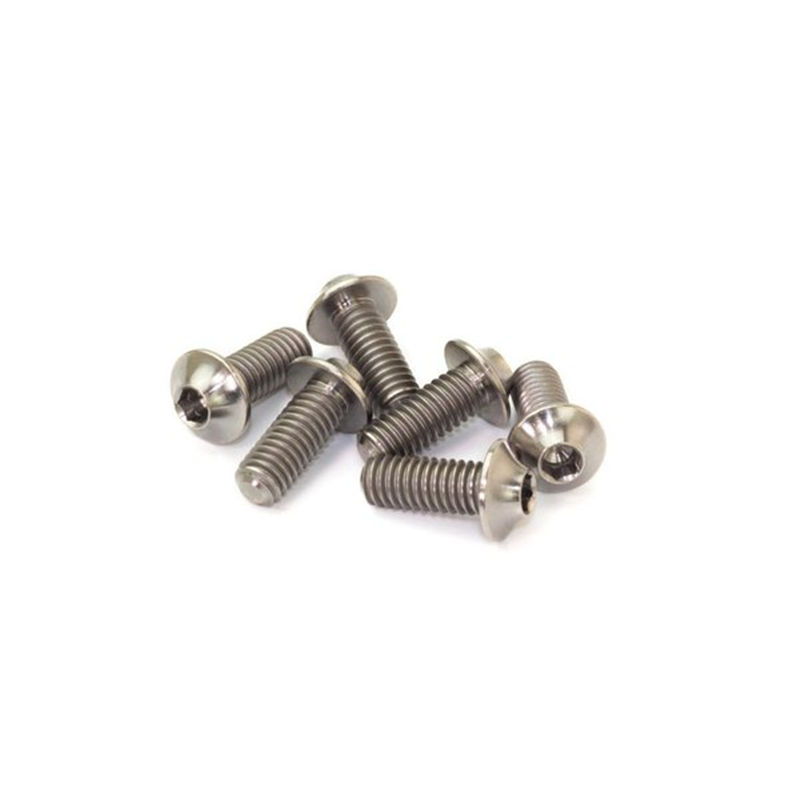
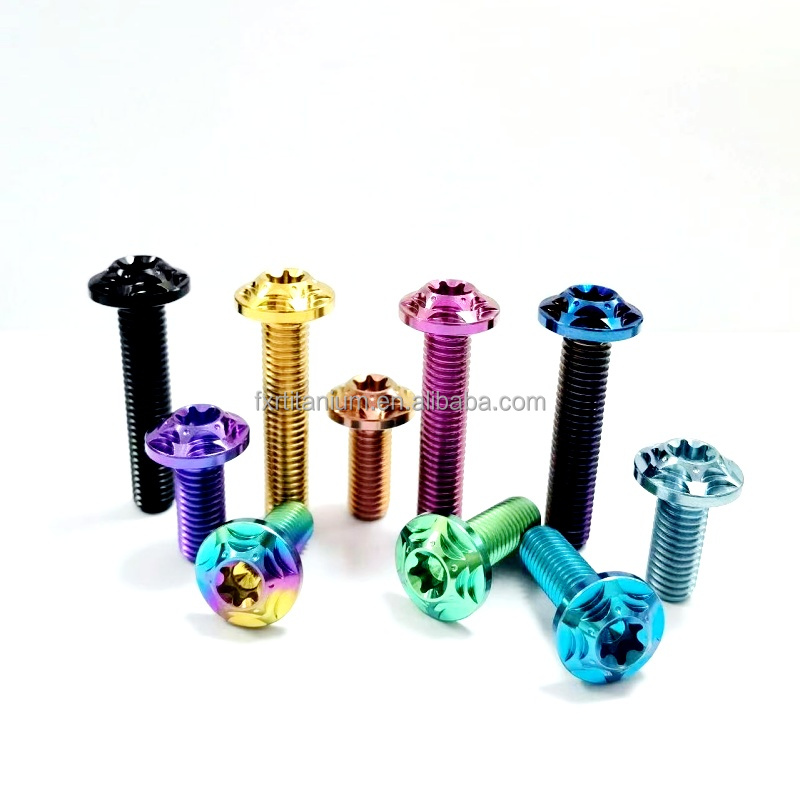
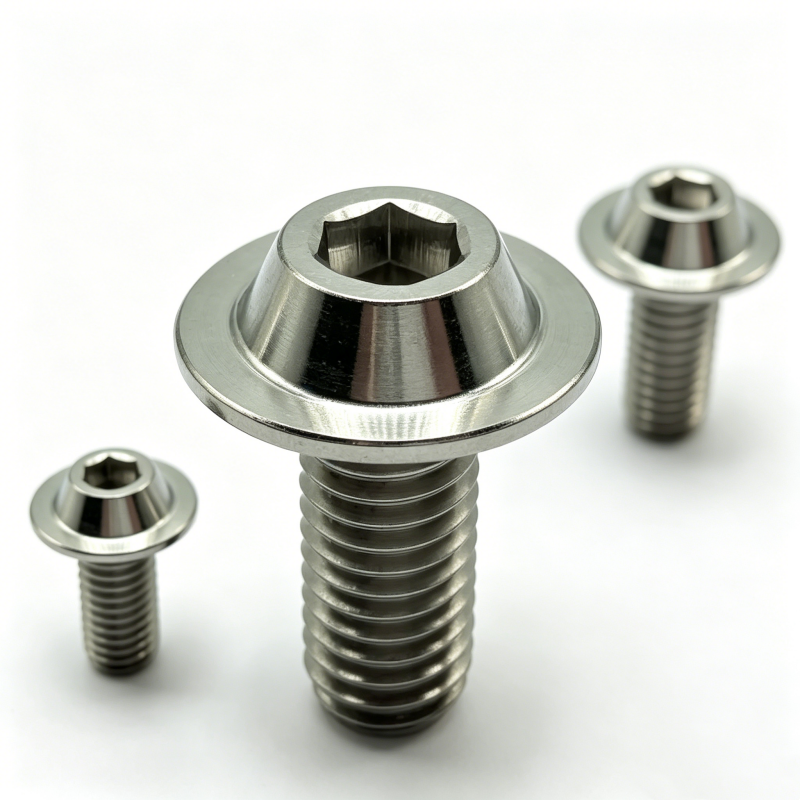
Precision-machined from certified Grade 5 aerospace-grade titanium alloy bars. Featuring cold-rolled threads, strict 6g/6h tolerance conformity, high-temperature PVD, and micro-arc anodized finishes.
Metallurgical Superiority: Ti-6Al-4V Grade 5 vs. Structural Steel
Why Tier-1 engineering teams and performance OEMs migrate from Class 8.8/10.9 zinc-plated alloy steel to cold-worked Grade 5 (Ti-6Al-4V) metric fasteners for mission-critical assemblies.
| Mechanical & Physical Property | Ti-6Al-4V (Grade 5 Annex) | Ti-6Al-4V ELI (Grade 23) | Grade 2 (CP Titanium) | Class 10.9 Alloy Steel |
|---|---|---|---|---|
| Ultimate Tensile Strength (UTS, MPa) | 930 – 1,020 MPa | 860 – 910 MPa | 345 – 480 MPa | 1,040 – 1,100 MPa |
| 0.2% Offset Yield Strength (MPa) | ≥ 860 MPa | ≥ 790 MPa | ≥ 275 MPa | ≥ 940 MPa |
| Density (g/cm³) & Weight Savings | 4.43 g/cm³ (~43% reduction) | 4.43 g/cm³ (~43% reduction) | 4.51 g/cm³ (~42% reduction) | 7.85 g/cm³ (Baseline) |
| Strength-to-Weight Ratio (kN·m/kg) | 215 kN·m/kg (Exceptional) | 201 kN·m/kg | 88 kN·m/kg | 132 kN·m/kg |
| Fatigue Endurance Limit (σe @ 10₷ cycles) | 510 MPa (Rolled Threads) | 480 MPa | 190 MPa | 420 MPa (Subject to micro-notch) |
| Chloride Pitting & Corrosion Resistance | Impervious (PREN > 40 eq.) | Impervious | Virtually Inert | Severely prone to rust (Needs plating) |
| Working Temperature Envelope | -210°C to +430°C | -250°C to +400°C (Cryo-safe) | -40°C to +250°C | -50°C to +300°C |
| Magnetic Permeability (μ) | 1.00005 (Non-Magnetic) | 1.00004 (Non-Magnetic) | 1.00005 (Non-Magnetic) | Ferromagnetic (> 100) |
Cold-Rolled Thread Dynamics
Single-point CNC thread cutting tears across the internal grain boundary of alpha-beta titanium alloys, inducing micro-notches that drastically reduce dynamic fatigue life. Our factory exclusively deploys precision warm/cold thread rolling dies under strict hydraulic feed controls. This continuous grain flow induces residual compressive surface stress, multiplying cycle life by 350% under cyclic shear loads.
Anti-Galling & Friction Coefficients
Uncoated titanium mated with identical alloys or aluminum exhibits severe adhesive galling due to its natural micro-friction coefficient (μ ≈ 0.35–0.42). We engineered advanced surface lubrication solutions: micro-layer PVD carbon-graphite coatings, dry-film molybdenum disulfide (MoS2), and controlled vacuum anodizing that normalize torque-tension correlation to μ = 0.12–0.15, guaranteeing accurate clamp load repeatability.
Galvanic Isolation Engineering
When bolting into high-grade carbon fiber composite (CFRP) panels or cast magnesium uprights, traditional zinc-plated or alloy steel screws create aggressive galvanic corrosion couples. Grade 5 titanium boasts an electrochemical potential closely aligned with carbon matrix laminates (-0.05V vs. SCE), permanently eliminating intergranular decay and resin matrix blistering.
Rooted in China's "Titanium Valley" – Baoji Industrial Cluster
Founded in 2015, Verqo Titanium Products Co., Ltd. is positioned directly within Baoji, Shaanxi Province—the world-renowned epicenter responsible for over 60% of China's total titanium sponge smelting and secondary metallurgical refinement. By controlling raw sponge melting, vacuum arc remelting (VAR), precision rotary swaging, and multi-axis Swiss CNC turning within our ecosystem, we bypass intermediary broker markups and guarantee 100% material traceability from ingot to boxed fastener.
- Strict Ingot Certification: Every batch is accompanied by genuine EN 10204 3.1 chemical inspection certificates and mechanical tension test reports verifying chemical compliance (Al: 5.5–6.75%, V: 3.5–4.5%, Fe ≤ 0.30%, O ≤ 0.20%, H ≤ 0.015%).
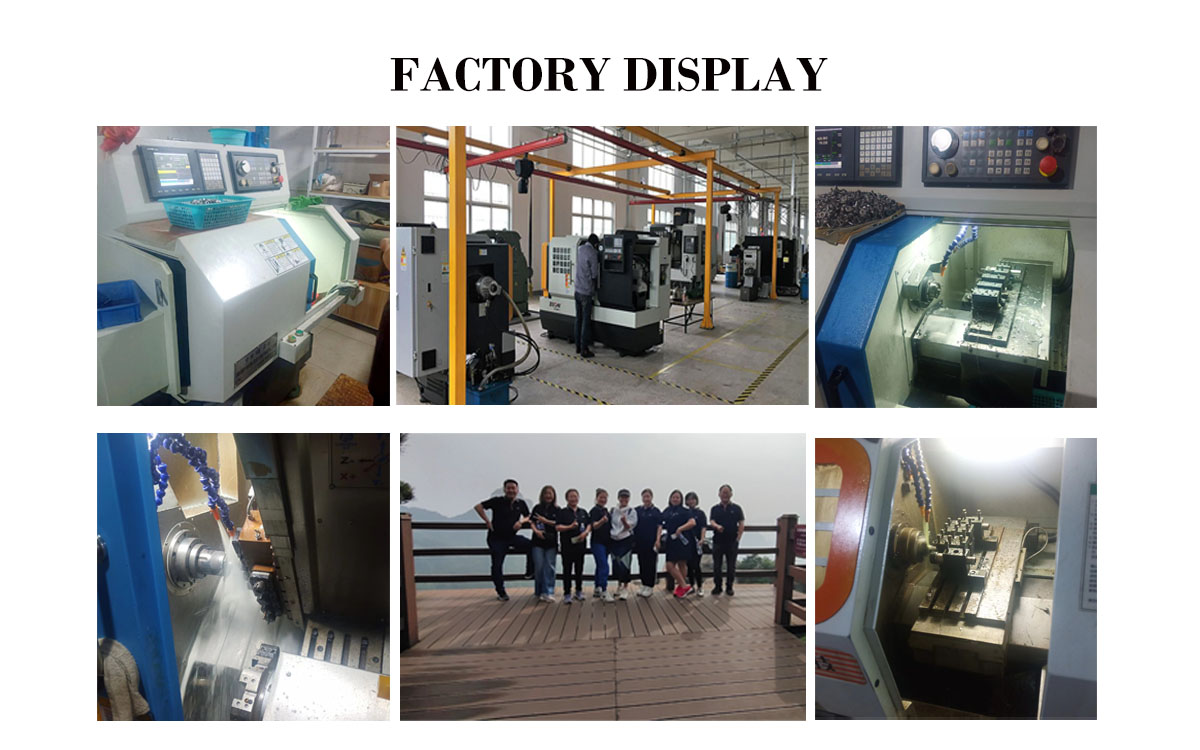
- Advanced CNC Machining Fleet: Equipped with precision Japanese Star and Citizen multi-axis sliding-head CNC Swiss lathes capable of holding run-out tolerances within ±0.005 mm across micro-threads (M2, M2.5, M3) through heavy structural hardware (M20, M24, M26).
- Dual Optical Laser Sorting: Automated 360-degree high-speed optical vision sorting systems inspect 100% of critical dimensions, pitch diameters, head concentricity, and driver socket depths at 400 parts per minute prior to batch packing.
- Flexible OEM/ODM Production Runs: From rapid prototyping runs of 20–50 pieces for race team R&D up to serialized annual container contracts exceeding 5,000,000 units.



Specialized Electrochemical & Vacuum PVD Finishes
Unlike painted or dipped finishes that flake and compromise thread pitch, our specialized titanium surface treatments are molecularly bonded to resist salt fog, brake dust, high-thermal cycling, and abrasive impacts.
Vibro-Centrifugal & Mirror Polish
Surface roughness refined to Ra ≤ 0.2 μm. Eliminates surface stress risers, providing pure natural titanium luster for high-end aerospace and automotive aesthetics.
Type II Anodized Anodic Blue
Controlled electrolyte voltage deposition yielding an optical refraction interference layer. 100% non-pigmented, highly stable in hydraulic fluids and petroleum fuels.
Nitride Gold (TiN Vacuum Deposition)
Physical Vapor Deposition (PVD) titanium nitride coating achieving Vickers hardness up to 2,300 HV. Extreme scratch and stone-chip resistance for racing disc rotors.
Flame / Burnt Blue Gradient
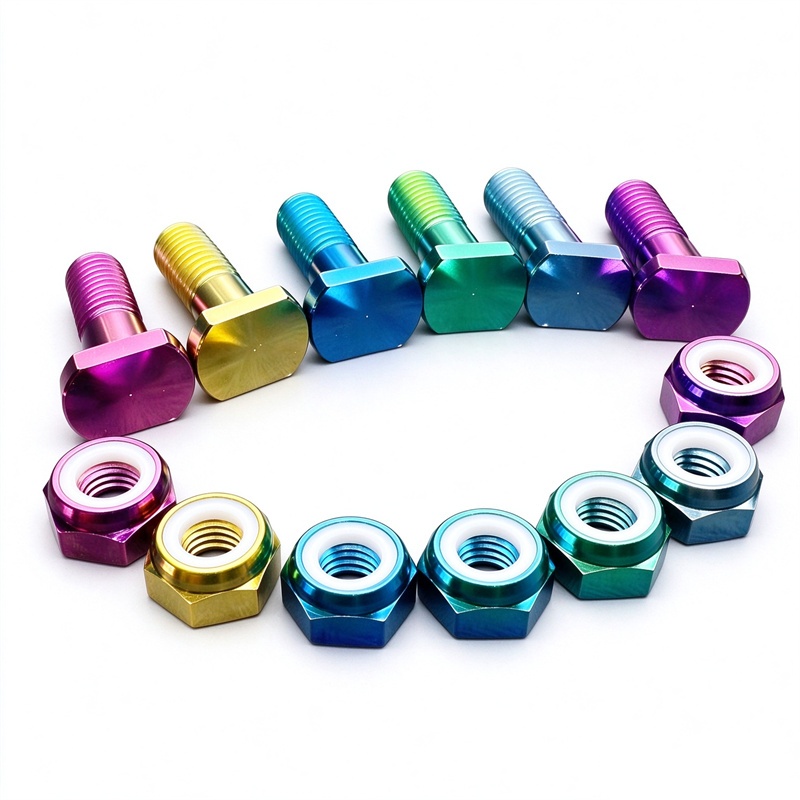
Precision thermal profiling creates an authentic motorsports titanium heat-tint transition from deep royal purple to electric blue and amber gold.
DLC / PVD Diamond-Like Carbon
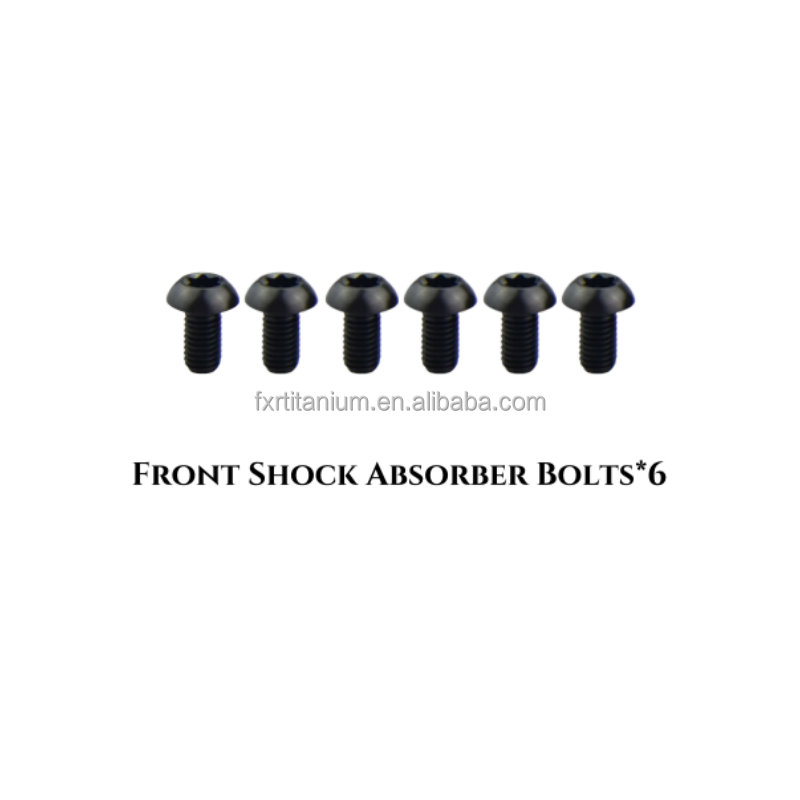
Ultra-low coefficient of friction (μ ≤ 0.10) combined with intense deep black surface hardness. Impervious to aggressive track brake fluids and corrosive road salts.
Neo-Chrome / Oil-Slick Spectrum
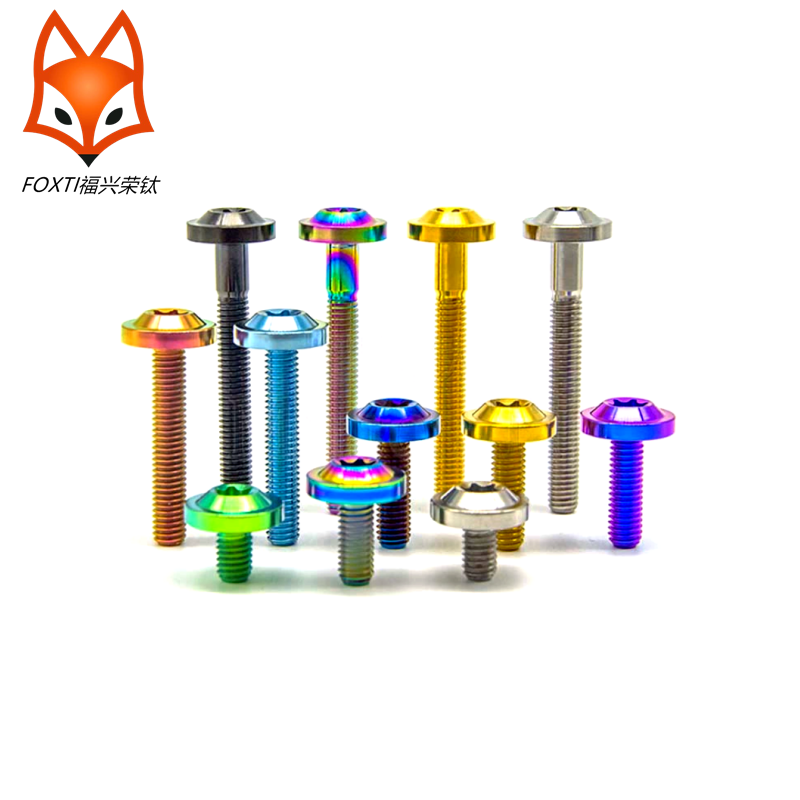
Multi-target arc cathode sputtering creating vibrant polychromatic reflections. Widely specified across custom boutique bicycle components and RC show cars.
Future Procurement Trends in Titanium Metric Hardware (2025–2030)
Industry analysis for procurement officers, supply chain managers, and lead design engineers navigating global lightweighting directives, raw material supply dynamics, and EV architecture demands.
E-Mobility High-Voltage Architecture
Electric motorcycles (Surron, Talaria, Stark Varg) and commercial EV battery modules are shifting away from heavy stainless hardware. Designers are standardizing on non-magnetic Grade 5 titanium bolts to eliminate electromagnetic eddy current induction around 800V inverters while shaving unsprung rotational mass from suspension uprights and caliper brackets.
Near-Net Cold Heading Optimization
With raw titanium bar stock prices fluctuating, forward-thinking manufacturers are transitioning high-volume standard metric screws (M3 to M8) from 100% subtractive CNC bar turning to multi-station warm/cold heading. This manufacturing leap cuts scrap chips by 65%, accelerates daily throughput, and directly lowers unit procurement costs for OEM tier-suppliers.
Sub-Millimeter Micro Fasteners
Uncrewed aerial systems (drones), FPV racing frames, medical robotic armatures, and ruggedized optical cameras are demanding M1.6, M2, and M2.5 titanium screws with complex drive geometries (Torx Plus, UFO flush heads). These applications require zero-play concentricity and extreme shear strength where traditional stainless steel screws cause critical weight penalties.
Baoji Direct Supply Consolidation
Western and Southeast Asian hardware importers are systematically dismantling multi-tier broker chains in favor of factory-direct partnerships rooted in the Baoji manufacturing hub. Direct communication with factory engineers reduces technical drawing revisions, guarantees access to mill test certs, and unlocks agile 10–20 unit prototyping before scaling to full container orders.
Frequently Asked Technical Sourcing Questions
Critical mechanical data, dimensional standards, minimum order criteria, and machining tolerances clarified by our chief metallurgists and international sales engineers.
Q: Which titanium grades do you manufacture for metric structural bolts?
Our standard structural production utilizes certified Ti-6Al-4V Grade 5 (ASTM B348 / AMS 4928 / Werkstoff 3.7165), achieving minimum tensile strength of 895–950 MPa. For extreme cryogenic or fracture-critical biomedical applications, we machine Grade 23 (Ti-6Al-4V ELI) with strictly controlled interstitial elements (oxygen ≤ 0.13%). For decorative trim, fluid reservoirs, and low-load covers where formability is prioritized over shear modulus, commercially pure Grade 2 (CP-Ti) is available upon request.
Q: What is the full scope of metric thread sizes, pitches, and standards available?
We machine and roll metric coarse and metric fine pitches spanning M2 up to M26. Common coarse standards include M3x0.5, M4x0.7, M5x0.8, M6x1.0, M8x1.25, M10x1.5, and M12x1.75. For motorsports calipers, hubs, and suspension pivots, we specialize in high-demand fine pitches: M10x1.0, M10x1.25, M12x1.25, M12x1.5, M14x1.25, and M14x1.5. All threads conform to ISO 965-2 / DIN 13 tolerance class 6g (external) and 6H (internal).
Q: How do your titanium metric bolts compare to Class 10.9 and Class 12.9 steel?
Standard annealed Grade 5 titanium boasts a tensile strength (~950 MPa) roughly equivalent to Class 10.9 steel (1,040 MPa), but with a 43% lower density (4.43 g/cm³ vs. 7.85 g/cm³). When our cold-worked rolled threads are coupled with heat treatment, yield strengths reach 900+ MPa. While Class 12.9 steel has a higher absolute tensile rating (1,220 MPa), it is severely vulnerable to hydrogen embrittlement and catastrophic stress-corrosion cracking in humid or salted track environments, where titanium remains completely inert.
Q: What tightening torque should be applied to titanium metric fasteners?
Because Grade 5 titanium possesses a lower modulus of elasticity (114 GPa vs. 210 GPa for steel), it stretches elastically at lower force levels. As a rule of thumb, torque should be set to 75%–85% of standard OEM zinc-plated steel torque specs. Always apply a quality anti-seize paste containing copper, nickel, or MoS2 to the threads to normalize the coefficient of friction and eliminate thread galling during high-speed torque installation.
Q: What are your Minimum Order Quantities (MOQ) for catalog vs. custom OEM parts?
For standard off-the-shelf catalog items (such as DIN 912 socket caps, UFO cone heads, and popular motorcycle flange bolts), our MOQ is flexible, beginning at just 10 to 50 pieces. For custom OEM/ODM fasteners engineered to proprietary CAD drawings or physical samples requiring specialized custom tooling, custom CNC programming, or custom PVD runs, production runs typically start at 100 to 500 pieces depending on part volume and thread complexity.
Q: Can you manufacture custom head geometries, drive sockets, and safety wiring holes?
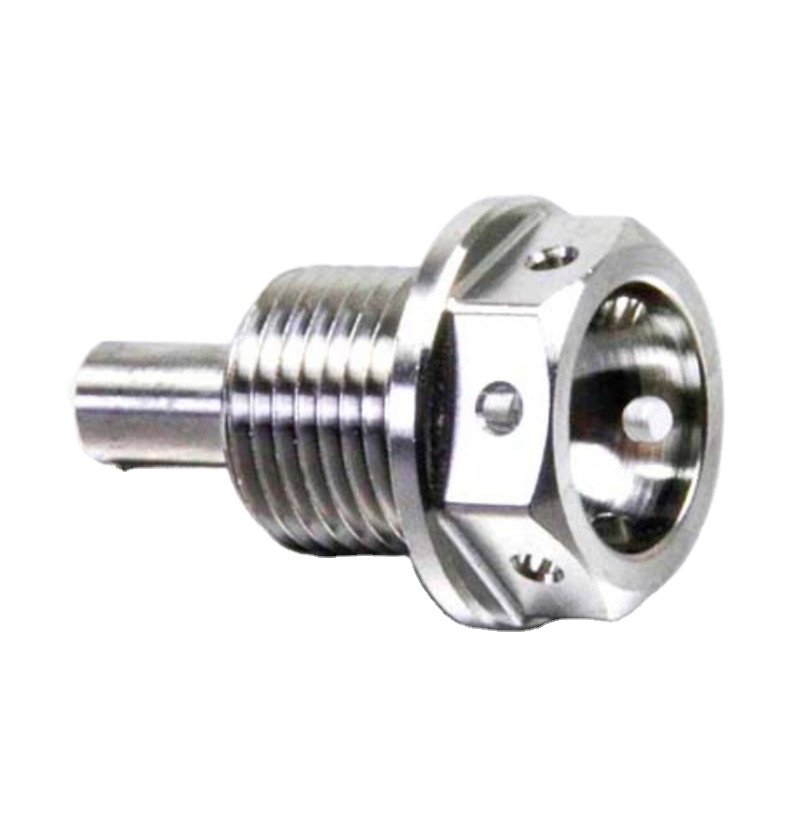
Yes. We specialize in custom OEM drive patterns including standard Internal Hex, Torx (T10 through T50), Torx Plus (tamper-resistant), 12-Point Flange Racing heads, drilled Race-Spec heads (with cross-drilled lock-wire safety holes through the flats), and low-profile umbrella UFO heads. Custom branding, laser-etched part numbers, thread sizes, and corporate logos can be applied directly to the head surface with micron-level precision.
Q: How do you prevent thread galling between titanium bolts and titanium/aluminum tapped holes?
Galling occurs when friction tears away the microscopic passive titanium oxide layer, causing cold welding. We mitigate this through: (1) specialized vacuum PVD DLC or titanium nitride coatings that form a physical barrier with high surface hardness; (2) micro-arc oxidation that produces a ceramic-like porous surface impregnated with dry lubricant; and (3) precision rolled thread finishes that eliminate microscopic machining burrs present on lathe-cut threads.
Q: What quality inspection reports and certifications do you supply with shipments?
Every delivery includes full documentation: EN 10204 3.1 Certified Material Test Reports (MTR) demonstrating optical emission spectrometer (OES) chemical breakdowns, tensile and yield test graphs, Rockwell C hardness tests, thread pitch gauge verification records, and optical coordinate measuring machine (CMM) dimensional tolerance certificates. Third-party testing via SGS or TÜV can be coordinated upon request.
Ready to Optimize Your Hardware Weight & Structural Integrity?
Submit your 2D engineering drawings (PDF, DWG) or 3D STEP files directly to our Baoji metallurgical engineering team. We provide rapid tolerance analysis, DFM optimization, and fixed factory quotations within 2 hours.