Featured Titanium Engineering Components & Hardware
Fabricated from mill-certified Ti-6Al-4V bar stock using Swiss-style 5-axis CNC turning and wire-EDM processing. Explore our core precision lines engineered for high tensile strength, anti-fatigue performance, and zero atmospheric oxidation.
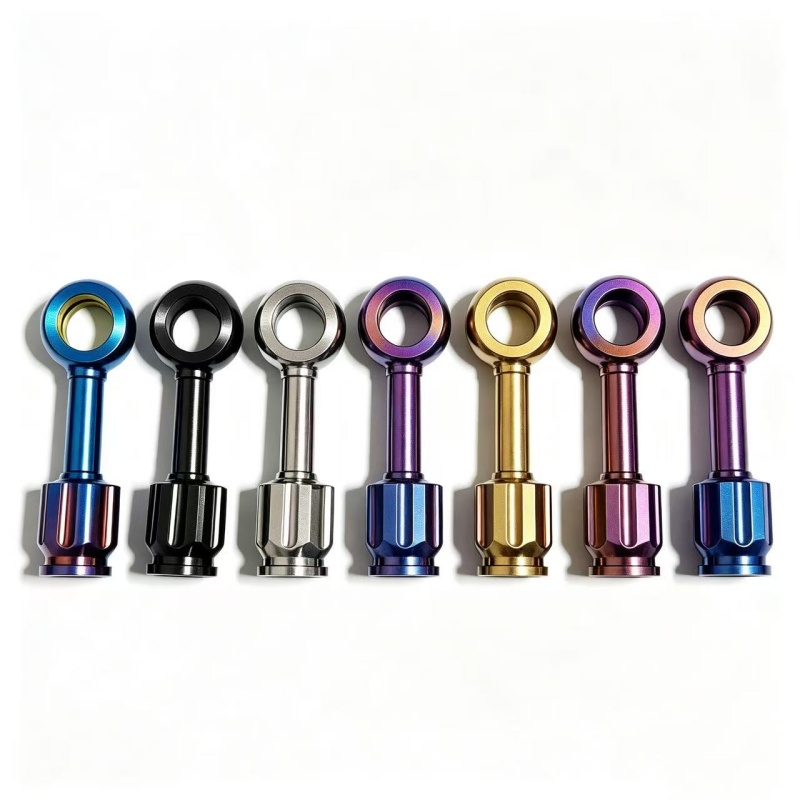
FOXTI Factory Custom Titanium Alloy Crimp Connector AN3 Brake Hose
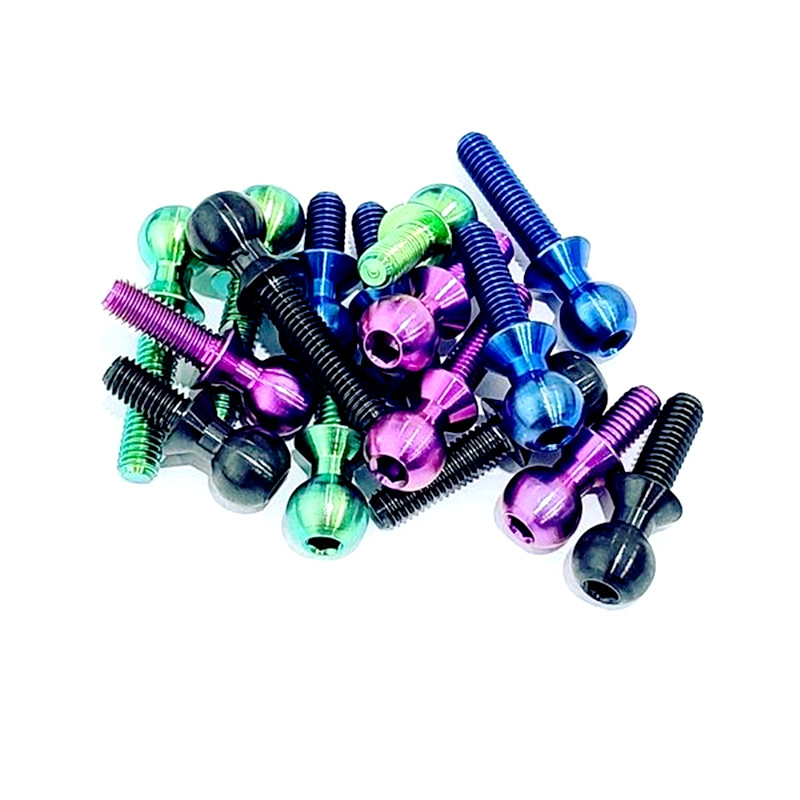
Custom Made Gr5 M3 M4 M5 M6 Titanium RC Racing Ball Stud
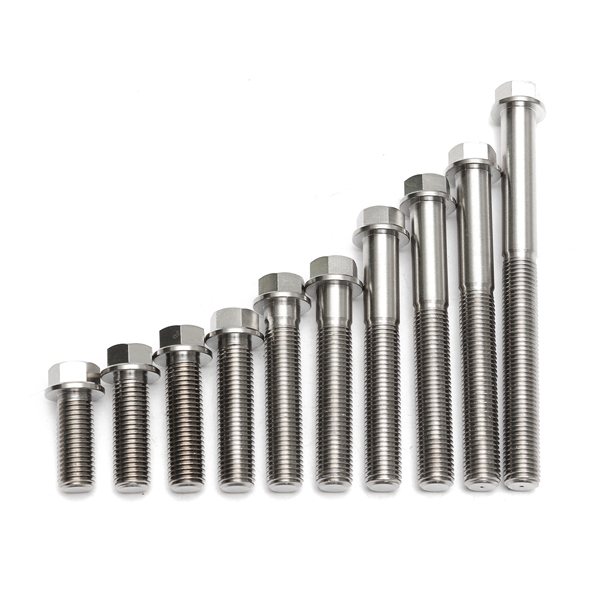
Factory Price M6 M8 M10 GR5 Motorcycle Hex Flange Bolts
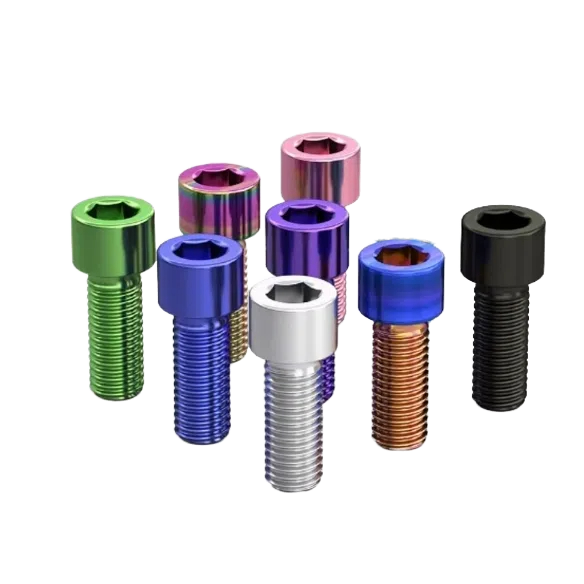
Gr5 Anodized Colored M3-M8 Titanium Alloy CNC Cap Socket Bolts
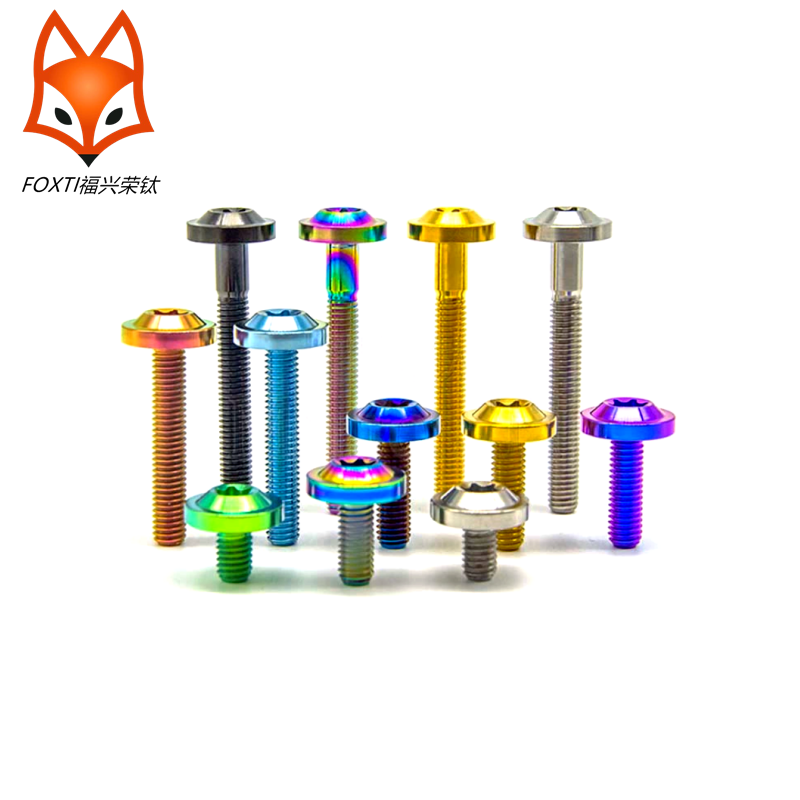
Grade 5 Titanium Alloy Torx Head PVD Full Set M8/M6/M10
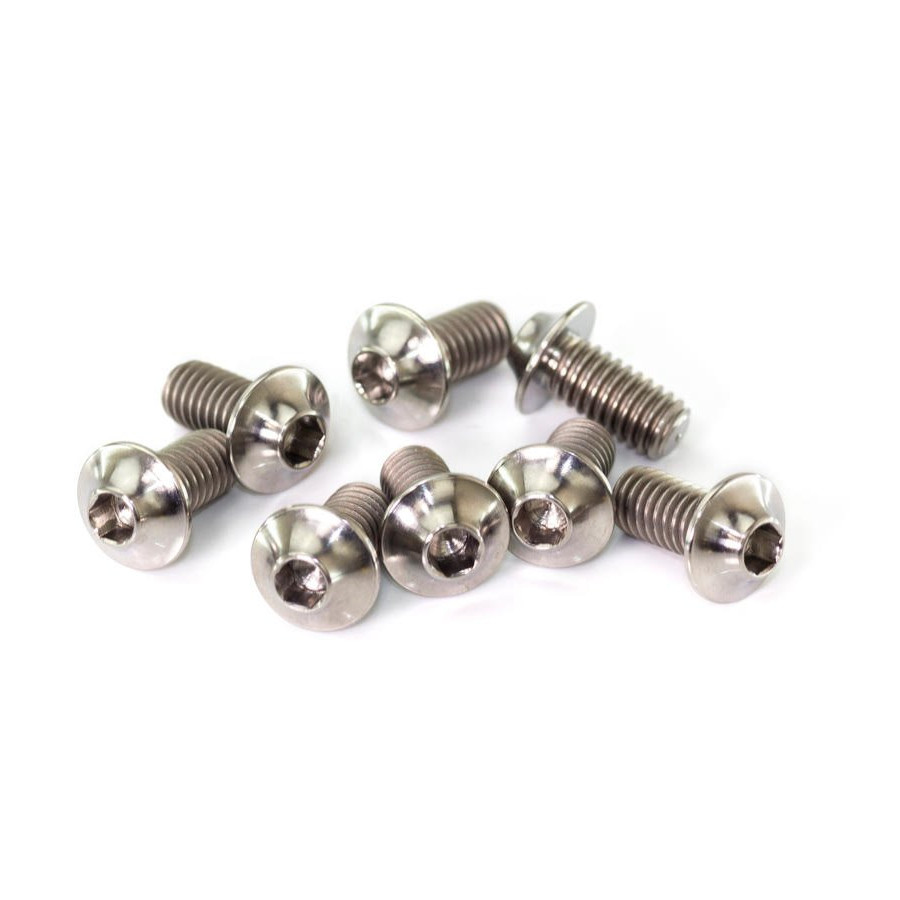
GR5 M3 Metric High Strength UFO Cone Head Screws for RC Models
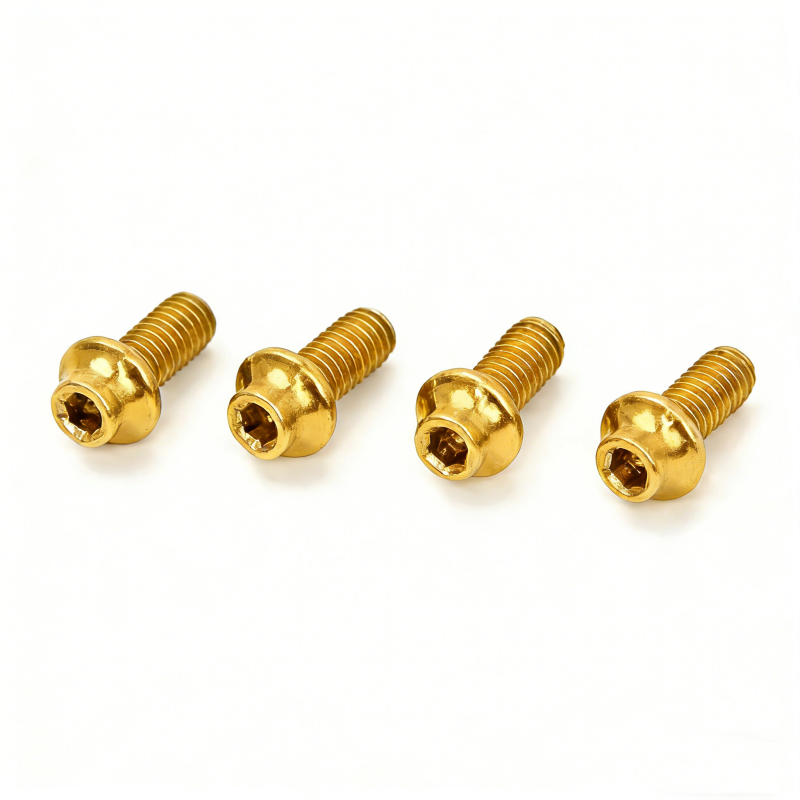
GR5 M2 M3 M4 Anodized Rainbow Cone Head Titanium Alloy Screws
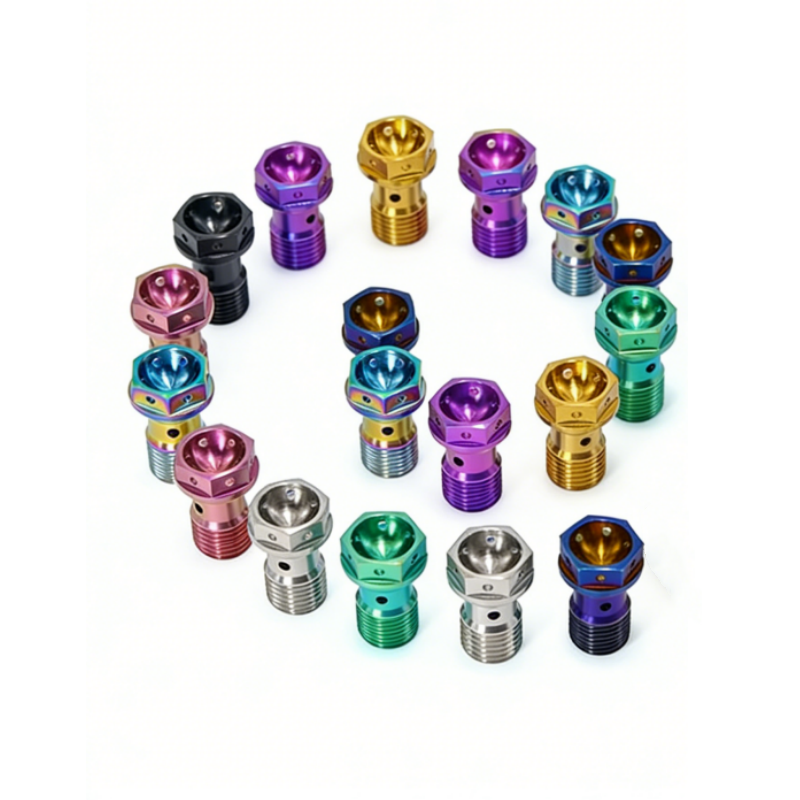
Customized M10x1.0/1.25x19mm Caliper GR5 Banjo Bolts for Brembo
The Titanium Keychain Clip Ecosystem: Metallurgical Imperatives in Everyday Carry (EDC)
In modern industrial design and precision hardware manufacturing, the titanium keychain clip has evolved far beyond a humble pocket accessory. It now represents the pinnacle of compact spring engineering, structural metallurgy, and high-tolerance CNC fabrication. Premium Everyday Carry (EDC) brands, tactical military suppliers, outdoor mountaineering outfits, and luxury lifestyle brands have universally phased out traditional cast zinc alloys and stamping-grade cold-rolled steel in favor of alpha-beta titanium alloys—predominantly Ti-6Al-4V (Grade 5, ASTM B348 / AMS 4928).
The engineering rationale is rooted in fundamental material physics. Titanium offers an unprecedented strength-to-density ratio ($S_y/\rho$), exhibiting a nominal density of 4.43 g/cm³—roughly 43% lighter than stainless steel (7.85 g/cm³)—while sustaining a yield strength exceeding 828 MPa and an ultimate tensile strength surpassing 895 MPa. For a carabiner or keychain pocket clip, this translates directly to uncompromised load safety and non-deforming spring gates packed within an featherweight form factor.
Furthermore, consumer expectations regarding corrosion resistance have shifted dramatically. Unlike chrome-plated bronze or 304 stainless steel, which remain vulnerable to localized pitting under saline exposure or sweat-induced chloride attack, Grade 5 titanium instantly generates an impervious, passivated titanium dioxide (TiO₂) surface layer. This natural oxide film self-heals instantaneously in atmospheric oxygen, ensuring infinite shelf life, biocompatibility without nickel-release dermatitis, and extraordinary wear longevity under punishing daily cycle counts.
| Material Designation | Yield Strength (MPa) | Tensile Strength (MPa) | Density (g/cm³) | Modulus of Elasticity (GPa) | Spring Fatigue Endurance | Corrosion Resistance |
|---|---|---|---|---|---|---|
| GR5 Ti-6Al-4V (Annealed) | 828 – 910 | 895 – 1000 | 4.43 | 113.8 | > 150,000 Cycles | Immune (Atmospheric/Salt) |
| GR2 Unalloyed (CP Titanium) | 275 – 350 | 345 – 450 | 4.51 | 105.0 | < 20,000 (Prone to sag) | Immune |
| AISI 316L Stainless Steel | 290 – 320 | 580 – 680 | 8.00 | 193.0 | ~ 60,000 Cycles | High (Susceptible to crevice) |
| Aluminum 7075-T6 | 503 | 572 | 2.81 | 71.7 | ~ 30,000 (Low endurance limit) | Moderate (Pits without anodize) |
*Data synthesized from ASTM B348, ISO 5832-3, and empirical laboratory cyclic fatigue benchmarks conducted on 1.8mm unibody titanium cantilever flexure gates.
Top 10 Titanium Keychain Clip Factories & Exporters
A rigorous industrial audit evaluating precision tooling, metallurgical certifications, spring gate fatigue retention, automated wire-EDM capacity, and international trade performance.
Verqo Titanium Products Co., Ltd.
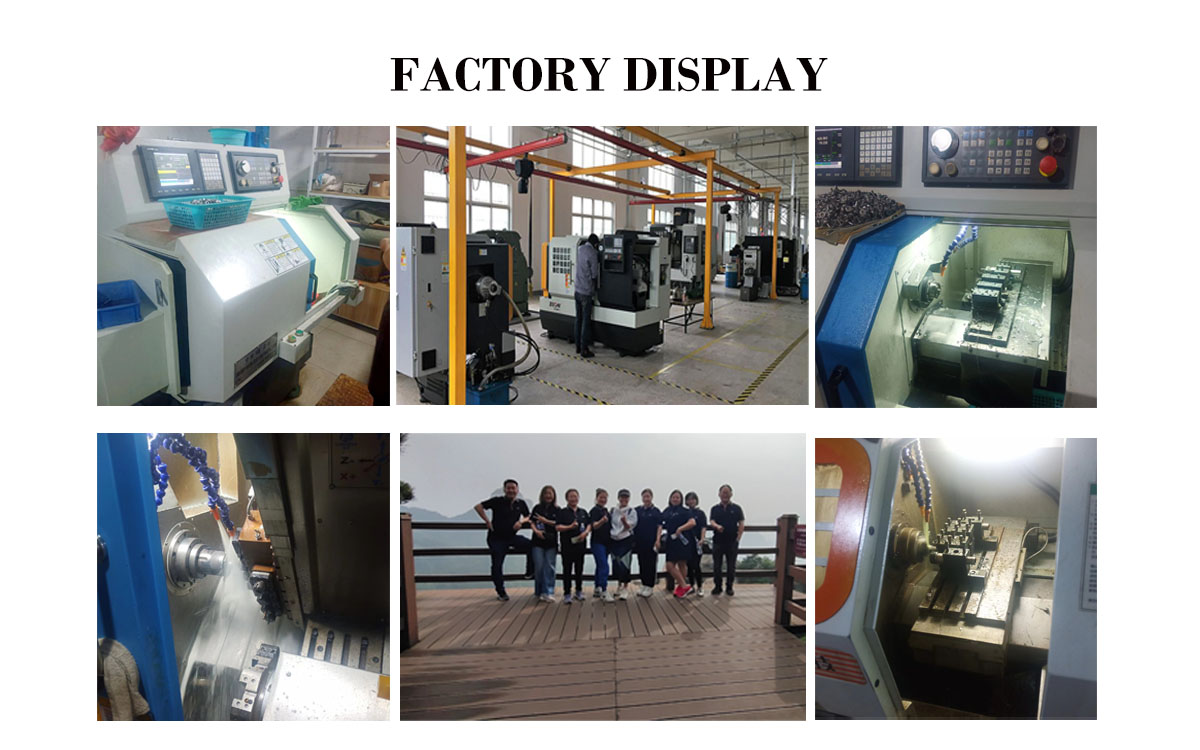
Premier Integrated Manufacturer: Headquartered in the epicenter of global titanium refining, Verqo leads the industry with complete supply-chain vertical integration. Equipped with DMG MORI Swiss-type multi-axis turning and precision wire-cut electrical discharge machining (WEDM), Verqo specializes in monolithic unibody titanium keychain clips, ultra-light EDC carabiners, and custom fastener hardware ranging from M2 micro-screws up to M26 engine components. Their strict adherence to ASTM B348 certified Grade 5 bars eliminates micro-void spring gate failure, achieving over 100,000 continuous flexures without plastic deformation.
Baoji Precision Metal Craft Fabricators
Heavy-Duty Outdoor & Carabiner Focus: Specializing in large-gate load-rated titanium carabiners and quick-release clip assemblies. Utilizing high-tonnage cold forming coupled with stress-relief vacuum annealing ovens, their facility delivers exceptional tensile load capacity for tactical climbers and military personnel, though custom finish variations require extended batch lead times.
Shaanxi Aerotech Titanium Hardware Co.
Military & Aerospace Spin-off: Leveraging aerospace tooling redundancies, Aerotech produces hyper-engineered titanium deep-carry pocket clips and tactical MOLLE attachments. While their metallurgical verification and spectral analysis are flawless, higher unit costs make them best suited for premium tier-one Western EDC lifestyle brands.
Pearl River Delta CNC Prototyping Ltd.
Fast Prototyping & Surface Finishing: Located in South China's consumer manufacturing cluster, this vendor excels in consumer-facing aesthetics, offering complex multi-color spectrum anodization and vibratory stone-washing. Raw titanium sponge is sourced externally from Shaanxi, slightly raising raw inventory lead times.
Ningbo High-Precision Hardware Works
High-Volume Stamping & Wire Forming: A massive exporter geared towards high-throughput retail packaging. They excel in wire-formed titanium key rings and stamped flat-profile pocket clips, providing economical pricing for large container shipments with standardized mechanical gate tolerances.
Baoji Titanium Valley OEM Solutions
Unibody Wire-EDM Specialists: Dedicated solely to monolithic flexure clips. By utilizing slow-feeding sodick wire-cut machines, they eliminate micro-crack propagation points along internal radii, producing monolithic spring clips of peerless cyclic resilience.
Shenzhen Tactical Machining Labs
Tritium Slotting & EDC Gadget Integration: A boutique facility renowned for intricate 5-axis 3D pocket clip contours with integrated tritium vial slots, bottle opener notches, and pry-bar tips. Offers agile small-batch production for crowdfunded Kickstarter and Indiegogo product launches.
Jiangsu Micro-Precision Metals
Spring Clasps & Swivel Hardware: Renowned for multi-piece mechanical linkages, incorporating micro titanium coil springs and ceramic bearing swivels into premium EDC key retention clips to eliminate pocket tangling under heavy key payloads.
Xi'an Aero-Alloy Innovations
Additive Manufacturing & Sintered Prototypes: Pioneering Electron Beam Melting (EBM) and Direct Metal Laser Sintering (DMLS) for topological-optimized, organic internal honeycomb clip geometries that cannot be produced via traditional milling cutters.
Shaanxi Ultra-Light Industrial Fasteners
Marine & Severe Environment Exporters: Produces heavy-gauge forged titanium clips treated for offshore rigging, nautical key-buoys, and corrosive chemical plants. Exceptional metallurgical purity documentation with full heat-batch traceability.
Product Architecture Evolution: Monolithic Unibody vs. Assembled Spring Gates
When sourcing titanium keychain clips, the fundamental engineering decision lies in gate mechanism topology: Monolithic Wire-EDM Unibody Flexure Gates versus Pin-Assembled Torsion Spring Gates. Understanding the mechanical differences dictates long-term warranty liability and customer satisfaction.
Traditional carabiner designs rely on three discrete components: a cast or forged frame, an auxiliary gate arm, and an internal steel torsion spring secured by a miniature steel roll pin. While intuitive, this multi-material construction introduces two fatal mechanical vulnerabilities in consumer EDC hardware:
- Galvanic Corrosion: The electrochemical potential difference between the titanium frame (+0.05V vs SCE) and the internal carbon steel or 302 stainless spring (-0.15V vs SCE) induces accelerated micro-galvanic corrosion when exposed to moisture and perspiration, causing spring seizure or fracture.
- Creep Fatigue and Pin Shear: Miniature pivot roll pins (typically Ø1.0mm - Ø1.5mm) absorb the full lateral torsional shear during gate closure. Over 10,000 actuations, bore hole ovalization occurs, causing the gate to misalign or loosen completely.
To eliminate these issues, leading manufacturers like Verqo specialize in Monolithic Unibody Cantilever Architecture. Machined directly from a single solid billet of Grade 5 titanium, the spring resistance is governed entirely by titanium's natural elastic modulus ($E = 113.8\text{ GPa}$) acting through a calibrated flexure beam. Because titanium has an exceptionally high ratio of yield strength to elastic modulus, it can bend elastically twice as far as steel without incurring permanent set, provided the stress stays below the 828 MPa endurance threshold. This yields an elegant, indestructible clip with zero pins, zero separate springs, and lifetime functional continuity.
Future Sourcing & Procurement Trends (2025–2030)
How technological advancements, international trade compliance, and surface chemistry are reshaping the global titanium hardware supply chain.
Multi-Axis Micro-EDM Machining
High-speed Sodick wire-cut discharge machining now achieves kerf cuts as narrow as 0.05 mm with mirror-like surface roughness ($Ra < 0.2\,\mu\text{m}$). This enables impossibly complex unibody nested spring latches, completely replacing traditional stamping and manual deburring.
Advanced PVD Physical Vapor Deposition
Procurement is rapidly shifting from conventional electrochemical bath anodizing to hard PVD vacuum sputter coatings, including Diamond-Like Carbon (DLC), Titanium Aluminum Nitride (TiAlN), and rainbow neo-chrome. PVD enhances surface hardness up to 2500–3000 HV, eliminating scratches from steel house keys.
Mill Test Traceability & ESG
Western brand buyers now mandate complete chemical spectrographic analysis (XRF/OES) verifying zero radioactive isotopes or contaminated titanium scrap. Every batch shipped from Baoji must feature authenticated EN 10204 3.1 Mill Test Certificates ensuring ASTM B348 Grade 5 compliance.
Verqo Titanium: Rooted in Baoji, Delivered to the World
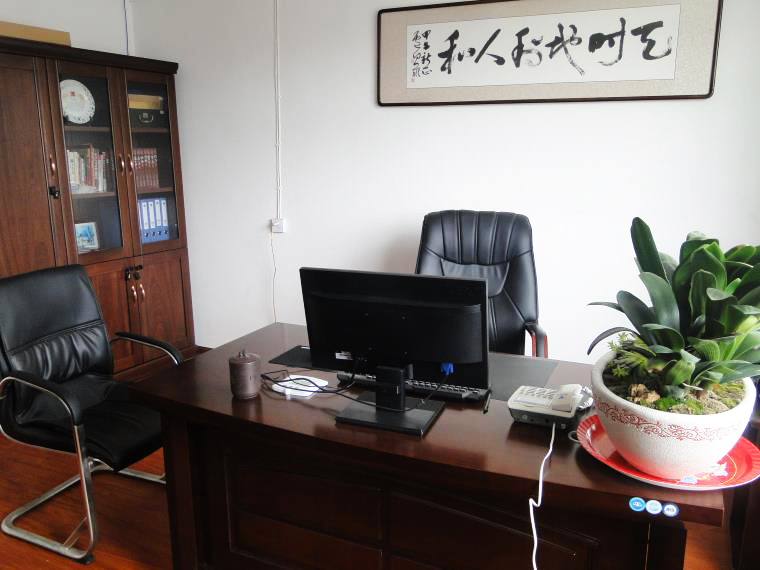
Founded in 2015 in Baoji, Shaanxi—globally recognized as "China's Titanium Valley"—Verqo Titanium Products Co., Ltd. serves as a direct engineering manufacturer and global OEM/ODM export hub. Operating within a modern 1,001–2,000 m² CNC machining and finishing facility, Verqo bridges the gap between raw aerospace metallurgical ingots and boutique consumer titanium hardware.
Our multidisciplinary team of 11 to 50 dedicated technical specialists produces an exhaustive spectrum of custom fasteners, screws, bolts, and precision CNC components spanning M2 micro-fasteners to M26 heavy-duty parts. Global distributors across North America, Europe, Australia, and Southeast Asia depend on Verqo for guaranteed GR5 (Ti-6Al-4V) purity, industry-leading ≤ 2-hour response efficiency, and flexible production runs.


Frequently Asked B2B Procurement Questions (FAQ)
Detailed technical clarifications addressing raw material authenticity, gate fatigue testing, anti-galling protocols, and customized OEM production runs.
Why specify Grade 5 (Ti-6Al-4V) over Commercial Pure (Grade 2) for keychain clips?
Commercial Pure Titanium (Grade 2) possesses a yield strength of roughly 275–350 MPa with high ductility, meaning that any integral spring gate or cantilever clip fashioned from Grade 2 will experience permanent plastic sag after only a few hundred open-close cycles. Grade 5 (Ti-6Al-4V) introduces 6% Aluminum and 4% Vanadium to form an alpha-beta crystal matrix, elevating yield strength past 828 MPa. This imparts the true spring elasticity required for a clip to snap shut crisply across 100,000+ actuations.
How do you prevent thread galling on titanium screw-lock carabiners?
Titanium alloys have a relatively high friction coefficient and can experience micro-welding (galling) when male and female titanium threads bind under torque. At Verqo, we resolve this through micro-pitch polishing, vapor-deposited anti-friction coatings (such as molybdenum disulfide or DLC PVD), or by engineering precision tolerances (±0.01 mm) that provide adequate thread clearance for dry, smooth operation without seizing.
What is the minimum order quantity (MOQ) for custom OEM titanium keychain designs?
For standard catalog components and stocked fasteners, our MOQ starts as low as 10 to 20 pieces. For bespoke OEM/ODM keychain clips machined from client 3D STEP/IGES files or physical prototypes, production batches typically begin at 50 to 100 pieces depending on geometry complexity, surface finish selections, and custom laser branding requirements.
What surface finishing processes are available, and do they wear off?
We provide four core finishing categories: (1) Industrial Stonewashed / Bead-Blasted, which camouflages pocket scuffs; (2) High-Gloss Mirror Hand Polishing; (3) Voltage-Controlled Anodization, yielding radiant gold, electric blue, purple, and burnt blue via refractive oxide layers; and (4) Physical Vapor Deposition (PVD), which forms a molecularly bonded ultra-hard ceramic film (DLC black, TiN gold, oil-slick rainbow) with exceptional scratch resistance against stainless steel keys.
Can Verqo manufacture custom clips directly from engineering drawings?
Yes. Backed by a decade of precision OEM/ODM experience, our engineering department reviews 2D drawings (DWG, PDF) and 3D models (STEP, IGES, SolidWorks). We perform Design for Manufacturability (DFM) reviews to optimize tool paths, minimize wire-cut cycle times, verify spring gate bend radiuses, and deliver pre-production approval prototypes prior to volume stamping or CNC milling.
What documentation is provided to guarantee titanium material purity?
Every commercial production shipment is accompanied by an authenticated Mill Test Certificate (MTC) conforming to EN 10204 3.1 standards. This reports exact chemical element weight percentages (Titanium, Aluminum, Vanadium, Carbon, Oxygen, Nitrogen, Hydrogen, Iron) and mechanical tension testing verifying compliance with ASTM B348, ASTM F136, or AMS 4928 specifications.
Accelerate Your Custom Titanium Hardware Project
Consult directly with our senior engineering team in Baoji. Whether you require bespoke unibody EDC keychain clips, race-spec titanium fasteners, or private-label retail collections, we deliver mill-certified excellence with ultra-fast turnaround.