Featured Fastener & Hardware Series
Direct Factory OEM / ODM Manufacturing from China's Titanium Cluster
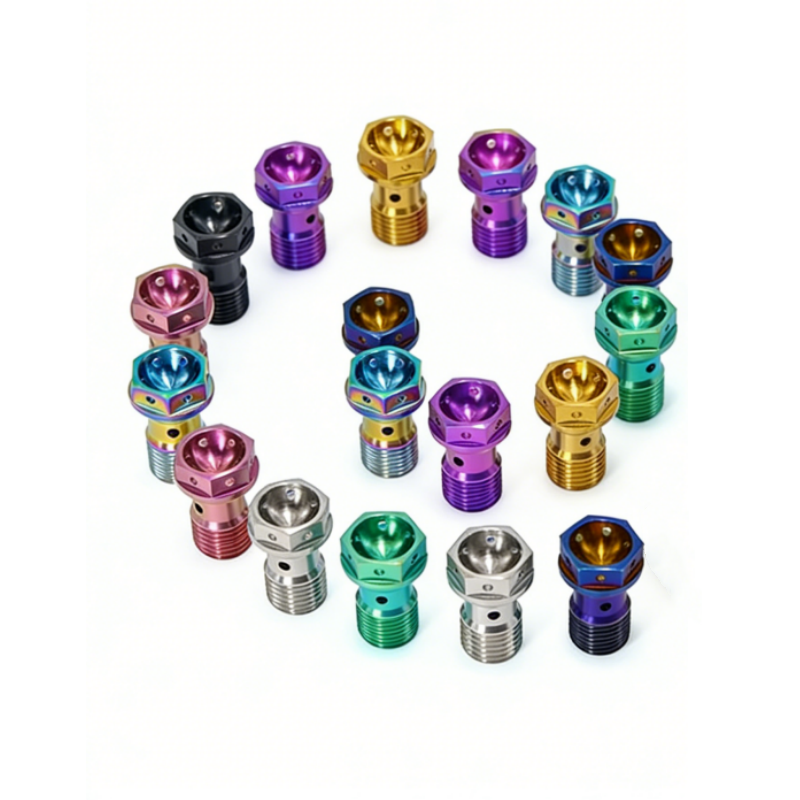
Customized M10 *1.0/1.25* 19mm Motorcycle Brake Calipers GR5 Titanium Banjo Bolts Baut for Brembo
View Specifications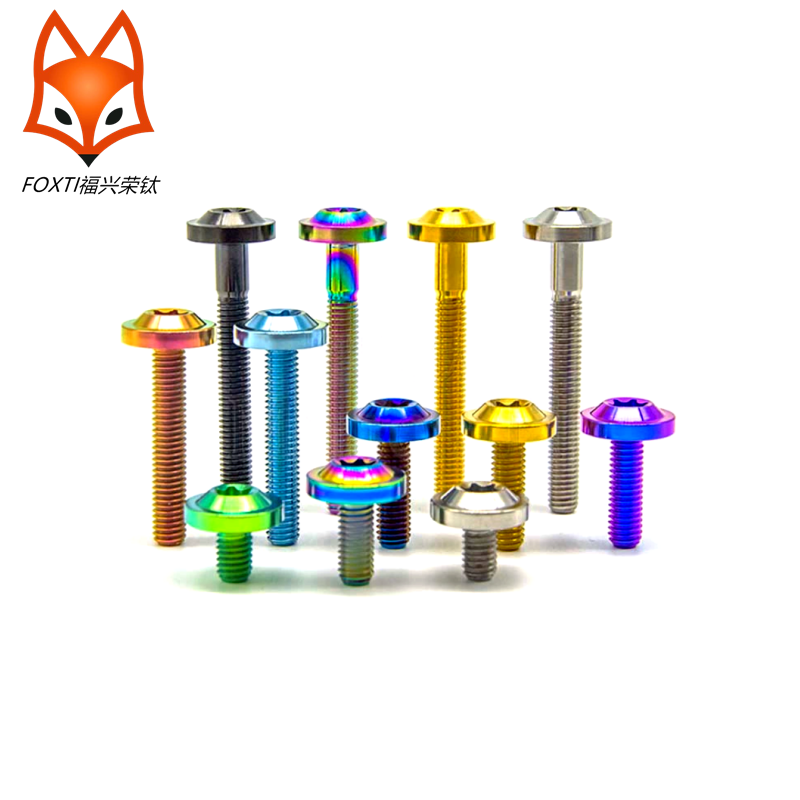
China Import Grade 5 Titanium Alloy Baut Jok Piringan Disc Torx Head Anodized PVD Finish Full Set M8/M6/M10 VESPA Sprint Yamaha
View Specifications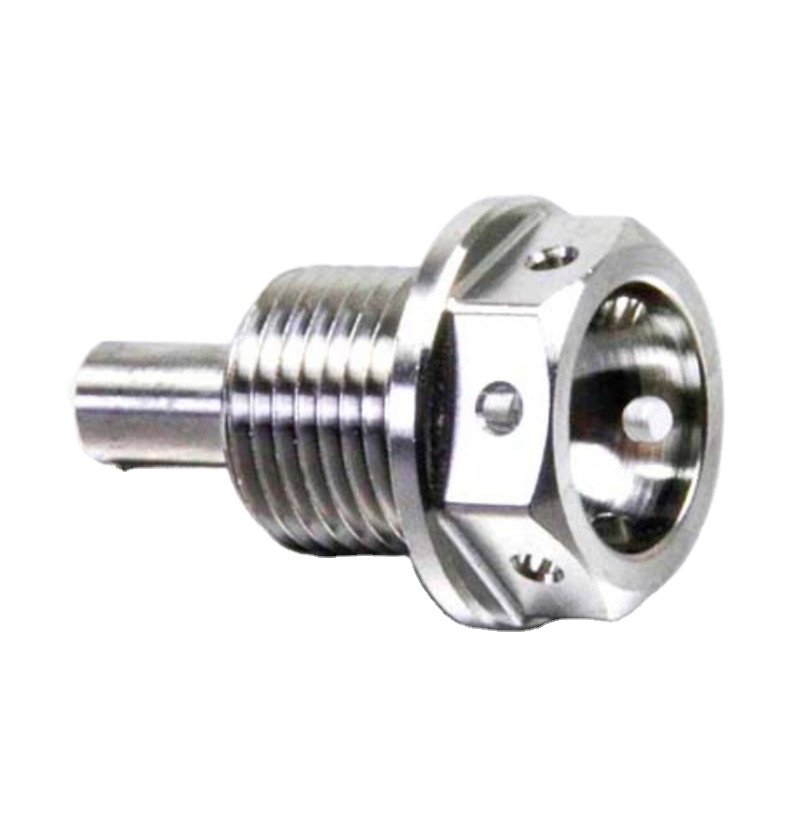
Factory Custom M12 M14 M16 M20 M26 Auto Automotive Sump Magnetic Titanium Oil Drain Plug Bolt
View Specifications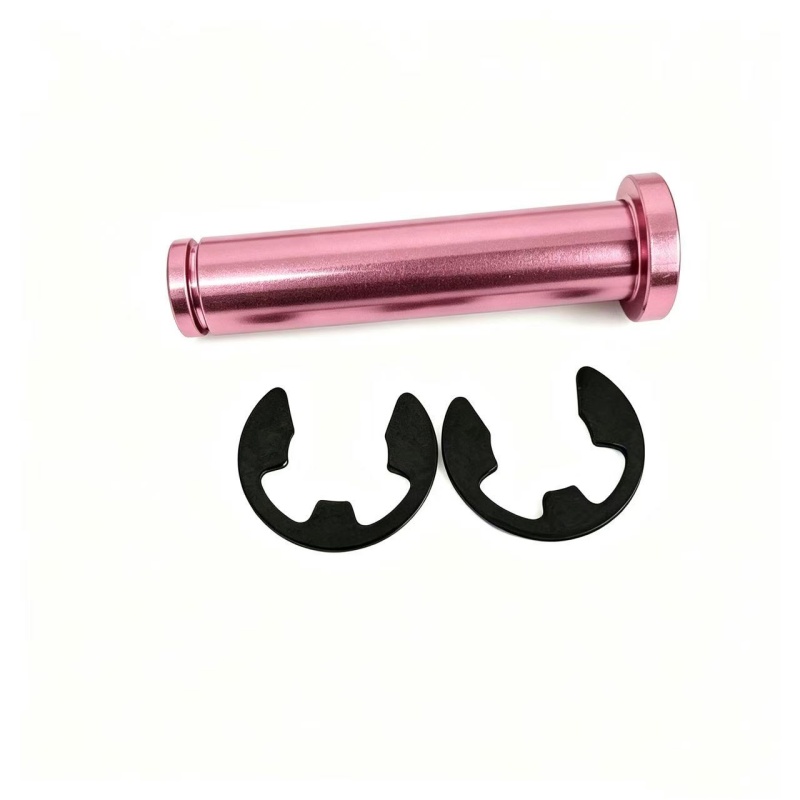
Factory Customized Grade5 Colorful M10*40mm Titanium Foot Peg Pin Bolt for Motorcycle Motocross Honda Yamaha Talaria Segway
View Specifications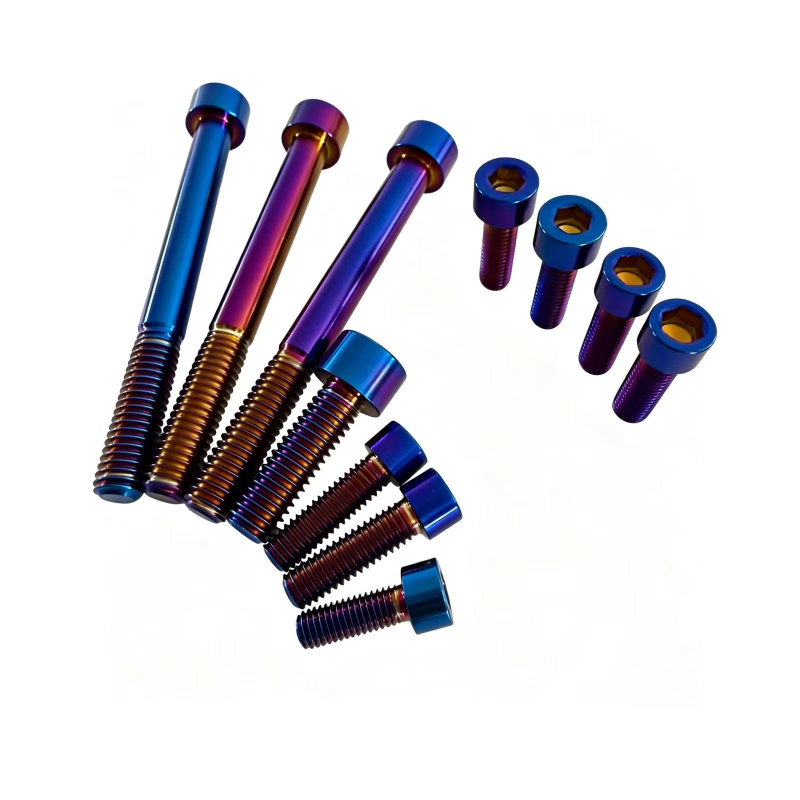
Factory Wholesale Titanium Alloy Socket Head Bolts Grade 10.9/12.9 PVD Coated Colorful for Surron Ultra Bee LBX Light Bee
View Specifications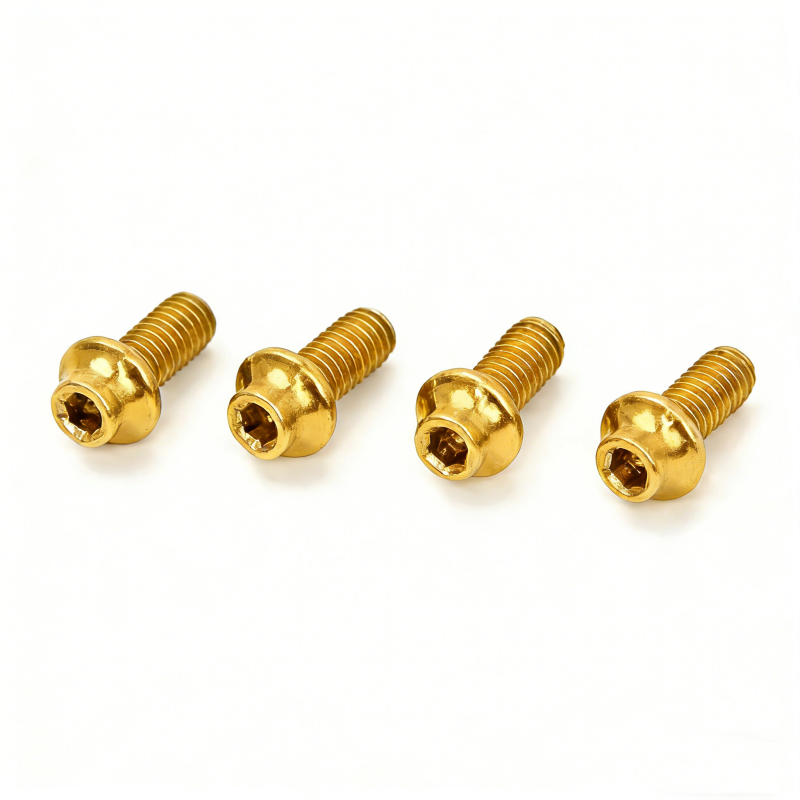
GR5 M2 M3 M4 Anodized rainbow Colorful ufo Cone Head Rc Car Titanium Alloy Screw Metric High Strength Corrosion Resistant
View Specifications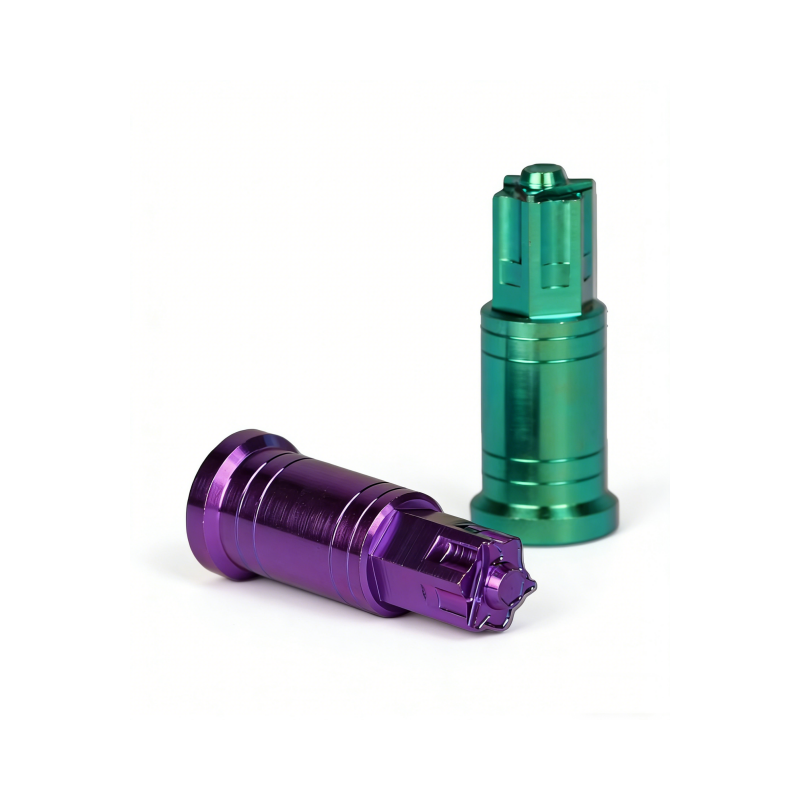
Factory Customized Color Size M6 M8 M10 GR5 Hex Head Polished Motorcycle Titanium Alloy Knurled Extended Nut Grade 10.9/12.9
View Specifications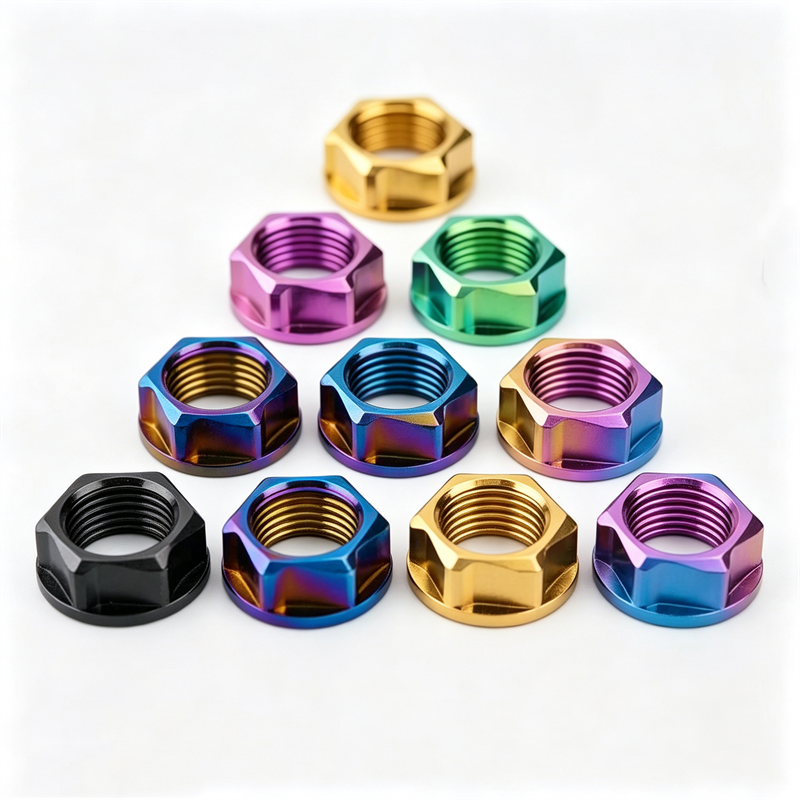
High Strength GR5 Polished/Coated Titanium Alloy CNC Machined M5/M6/M8/M10/M12 Flange Lock Nut for Motorcycle/Bicycle
View Specifications1. Metallurgy & Mechanical Performance: Why Ti-6Al-4V Grade 5 Dominates High-End Wheel Fasteners
In automotive OEM engineering, motorsport dynamics, and aerospace hardware design, wheel lug nuts and wheel studs represent critical unsprung rotational mass. Selecting the optimal titanium alloy grade determines not only vehicle handling responsiveness but also thread fatigue resistance under extreme shear and thermal shock conditions. As a leading manufacturer based in Baoji—China’s premier "Titanium Valley"—Verqo Titanium Products Co., Ltd. utilizes vacuum-arc remelted (VAR) Grade 5 Titanium (Ti-6Al-4V) bar stock as standard material for all automotive and motorcycle lug nuts.
Composed of 6% Aluminum, 4% Vanadium, and 90% pure Titanium, Grade 5 is an alpha-beta dual-phase alloy offering an extraordinary strength-to-weight ratio. Compared to commercially pure titanium (Grade 2) or standard structural steel, Ti-6Al-4V delivers high yield strength exceeding 880 MPa while reducing overall hardware weight by approximately 43%.
| Material Benchmark | Density (g/cm³) | Tensile Strength (MPa) | Yield Strength (MPa) | Shear Strength (MPa) | Thermal Expansion (10⁻⁶/K) |
|---|---|---|---|---|---|
| GR5 Titanium (Ti-6Al-4V) Primary Choice | 4.43 | 950 - 1050 | 880 - 920 | 550 | 8.6 |
| Grade 10.9 Alloy Steel | 7.85 | 1040 | 940 | 620 | 12.0 |
| Grade 12.9 Alloy Steel | 7.85 | 1220 | 1100 | 730 | 12.3 |
| 7075-T6 Aluminum Alloy | 2.81 | 572 | 503 | 331 | 23.2 |
| GR2 Pure Titanium | 4.51 | 345 | 275 | 240 | 8.6 |
Technical Information Gain: The Physics of Unsprung Rotational Mass
Reducing 1 kg of rotational unsprung weight at the wheel hub equates to dynamic performance gains equivalent to reducing approximately 1.5 kg to 2 kg of static sprung vehicle weight. Grade 5 titanium wheel nuts directly minimize angular momentum and gyroscopic precession, enabling faster damper recovery, crispering turn-in response, and reducing kinetic braking energy requirements.
2. Top 10 Titanium Wheel Nuts Manufacturer & Exporter Selection Benchmark
When Tier-1 automotive aftermarket distributors, racing constructors, and OEM buyers source titanium wheel hardware globally, evaluating manufacturers requires strict compliance frameworks. Below are the six essential benchmarks defined by automotive quality standards:
Cold-Forged Thread Rolling
Superior suppliers cut threads via cold-rolling processes rather than CNC lathe cutting. Rolled threads maintain continuous alloy grain flow, yielding up to 30% higher fatigue resistance.
60° Cone, Ball & Mag Seat Precision
Wheel seating surfaces require precise angular tolerances (±0.25°) to guarantee uniform contact stress distribution against alloy wheels and eliminate seating friction galling.
Anti-Galling Physical Vapor Deposition (PVD)
Advanced PVD vacuum coatings (TiN, TiCN, DLC) increase surface hardness above 2000 HV, preventing titanium-to-titanium thread binding under repeated torque cycles.
Spectro-Chemical Batch Certification
Every raw material bar lot must undergo optical emission spectrometry (OES) to verify strict adherence to ASTM B348 and ISO 5832 elemental composition limits.
Custom Anti-Theft Lock Key Engineering
Precision CNC turn-milling centers cut proprietary 7-point, spline, or floating-washer lock patterns to safeguard high-value performance wheels against theft.
Export Supply Chain Flexibility
Flexible MOQ structures starting from 10 to 100 sets, accompanied by custom laser-etched branding, barcodes, and drop-ship ready export packaging.
3. Global Procurement Trends & Automotive Engineering Outlook
The global market for automotive fasteners is undergoing a massive paradigm shift driven by vehicle electrification (EVs), lightweighting mandates, and aftermarket personalization trends. OEM engineering buyers are increasingly transitioning from heavy steel lug nuts to titanium alloy solutions for several key reasons:
A. Electrification and Heavy EV Battery Compensation
Electric vehicles (EVs) incorporate heavy lithium-ion battery packs, adding 300 kg to 700 kg to overall vehicle weight. To maintain battery range efficiency without compromising crash safety structural steel, automotive engineers aggressively trim unsprung weight at the suspension corners. Standard steel wheel nuts (averaging 80g-110g per nut) replaced by Grade 5 Titanium alternatives (averaging 42g-58g per nut) reduce total wheel hardware weight by up to 1.2 kg per vehicle.
B. Extreme Thermal Resistance in Performance & Motorsport Applications
During high-speed track driving or heavy braking, brake rotors transfer severe thermal energy directly into the wheel hub and wheel studs, reaching temperatures above 400°C. Alloy steel fasteners can experience thermal expansion mismatch, leading to clamp load loss or bolt stretching. Grade 5 titanium maintains structural integrity and low thermal expansion (8.6 x 10⁻⁶/K), retaining constant clamp force under severe heat cycling.
C. Surface Finishing Innovations: Anodizing vs. Vacuum PVD Coatings
Visual customization remains a primary growth driver in the aftermarket segment. Modern B2B buyers now select between two distinct surface finish technologies:
- Anodic Oxidation (Anodizing): Electro-chemically adjusts titanium's microscopic surface oxide layer to create vibrant interference colors (Gold, Electric Blue, Purple, Green, Pink) without organic dyes. Ideal for corrosion resistance and aesthetic color matching.
- Physical Vapor Deposition (PVD Coatings): Plasma-assisted deposition of Titanium Nitride (TiN) or Diamond-Like Carbon (DLC) in a vacuum chamber. PVD yields ultra-hard finishes (PVD Black, Burnt Blue, Oil-Slick Rainbow) with surface friction coefficients as low as 0.15, practically eliminating thread binding.
4. Enterprise Competitive Advantage: Why Partner with Verqo Titanium
Located in Baoji, Shaanxi, Verqo Titanium Products Co., Ltd. integrates raw material melt sourcing, precision 5-axis CNC machining, cold thread rolling, surface finishing, and quality control under one roof. Our factory advantages include:
- Integrated Baoji Raw Material Chain: Direct access to primary sponge titanium and certified Ti-6Al-4V vacuum-arc ingot producers ensures consistent raw material purity and lower supply chain overhead.
- Sub-Micron Machining Precision: Equipped with Japanese high-speed CNC turning-milling centers, maintaining dimensional tolerances within ±0.01 mm across all metric thread pitches (M12x1.25, M12x1.5, M14x1.25, M14x1.5, M16x1.5).
- 100% Quality Assurance & Traceability: Every batch undergoes thread ring/plug gauge verification, optical projector measurements, salt-spray corrosion testing (exceeding 96 hours), and ultrasonic flaw detection.
- OEM/ODM Rapid Prototyping: Complete engineering support for custom drawings, 3D CAD modeling, sample production within 7-10 days, and private laser logo marking.
Request OEM Custom Fastener Quotation
Direct Factory Wholesale | Custom CAD Drawings | Fast International Shipping
Contact Us5. Technical Procurement FAQ: Frequently Asked Questions
We exclusively recommend Grade 5 Titanium (Ti-6Al-4V, UNS R56400) for structural wheel lug nuts and studs. Grade 5 offers a minimum tensile strength of 895-1000 MPa, providing structural safety equivalent to Grade 10.9 steel fasteners. Commercially pure titanium (Grade 2) lacks adequate yield strength and must never be used for load-bearing wheel applications.
Thread galling occurs when titanium surfaces friction-weld under dry torque. We prevent galling through two engineering methods: 1) Applying anti-galling PVD coatings (TiN or DLC) or anodization treatments to modify surface friction, and 2) Recommending copper anti-seize paste or molybdenum disulfide (MoS2) lubricant on threads during installation,torqued to manufacturer specified values.
We produce all standard metric thread pitches including M12x1.25, M12x1.5, M14x1.25, M14x1.5, M16x1.5, as well as UNF threads. Seating designs include 60-degree conical (tapered) seats, ball/radius seats (R12/R13/R14 for Porsche, Audi, Honda OEM wheels), and flat mag seats with washer fitments.
Yes. Cold-rolled GR5 titanium wheel nuts possess outstanding shear strength (550 MPa) and elevated fatigue limits under high vibration and heat. They are widely utilized across Formula 3, GT3 racing, rally sports, and street performance tuning builds.
For standard stocked sizes, MOQ starts from 10 to 20 pieces. For custom CAD dimensions, special PVD color finishes, or anti-theft key geometries, MOQ is typically 50 to 100 sets. Production lead time averages 10 to 15 business days following sample approval.
Yes. We engineer customized anti-theft lug nut patterns utilizing unique multi-point, spline, or internal star patterns milled directly via 5-axis CNC centers. Every order includes matching high-strength titanium or hardened steel key sockets.
Partner with a Leading Titanium Manufacturer
Elevate your product line with certified Grade 5 Titanium wheel hardware, motorcycle bolts, and custom CNC components direct from Baoji, China.
Contact Us