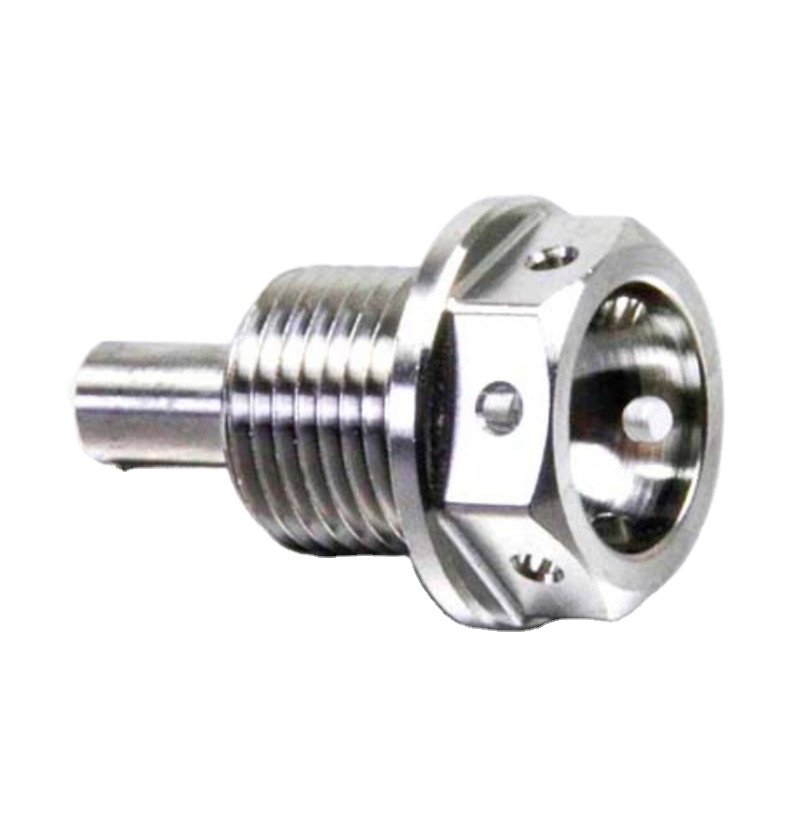
The Metallurgical & Mechanical Case for Titanium Hollow Core Fasteners
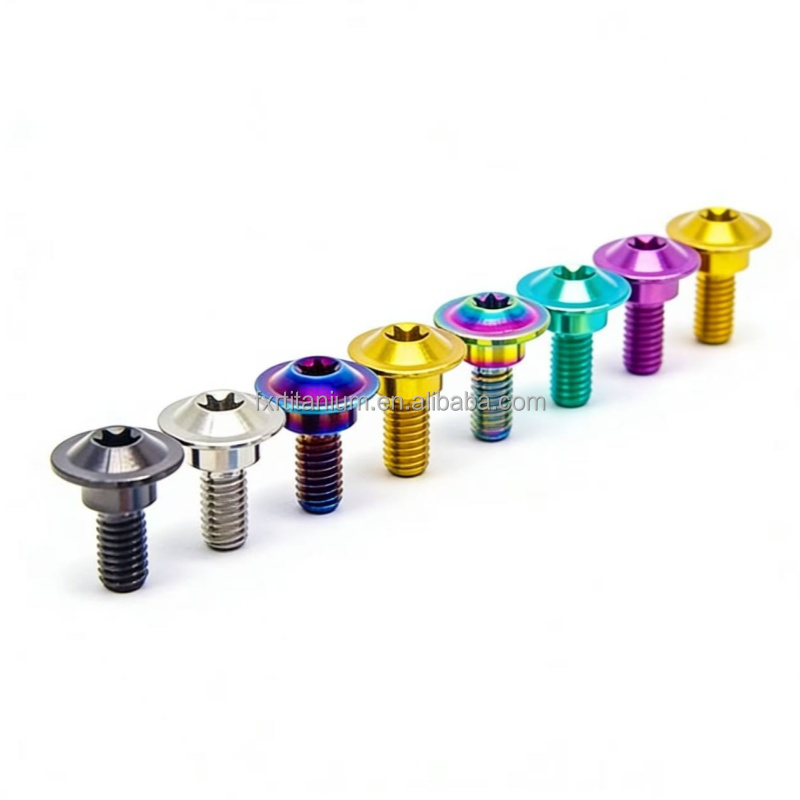
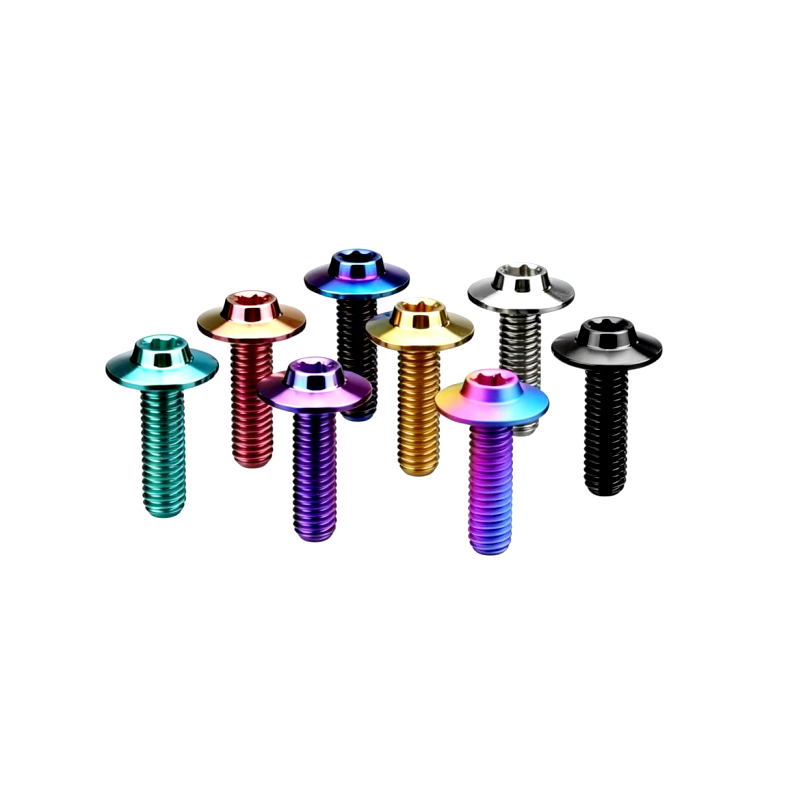
In high-velocity rotational systems, unsprung suspension corners, and aerospace airframe enclosures, mechanical fasteners are consistently subjected to complex compound stresses consisting of axial tension, transverse shear, and cyclic torsional fatigue. Historically, structural designers turned to Grade 10.9 or 12.9 alloy steels to satisfy tensile yield criteria. However, solid steel bolts introduce excessive parasitical inertia. Replacing solid hardware with custom titanium hollow bolts manufactured from refined Titanium Grade 5 (Ti-6Al-4V, Werkstoff 3.7165, UNS R56400) provides an unequaled structural solution by leveraging the mechanics of hollow cross-sections.
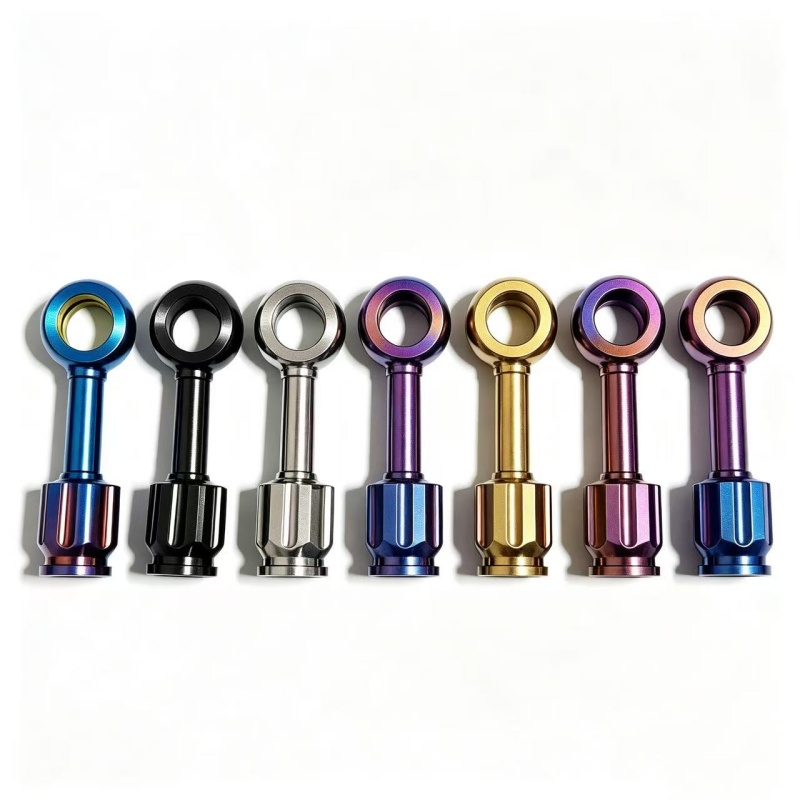
Beyond simple mass reduction, titanium exhibits unique acoustic and vibration-damping indices that surpass steel and aluminum. In racing braking assemblies (such as banjo bolts, disc rotor pins, and brake caliper mounts), the hollow titanium shaft serves a dual operational role: it functions as a primary load-bearing tensioner while acting as a thermal bottleneck, restricting the thermal conduction of friction heat generated at the rotor from transferring into fluid lines and wheel bearings.
| Fastener Material & Architecture | Density (g/cm³) | Yield Strength (MPa) | Tensile Strength (MPa) | Strength-to-Weight Ratio | Fatigue Endurance Limit | Galvanic & Sea Salt Stability |
|---|---|---|---|---|---|---|
| Hollow Titanium GR5 (Ti-6Al-4V Rolled) | 4.43 (Effective 3.12*) | 880 – 920 | 950 – 1,050 | 336 kN·m/kg | 510 MPa (10⁷ cycles) | Immune (<0.001 mm/year) |
| Solid Titanium GR5 (Commercial) | 4.43 | 828 | 895 | 202 kN·m/kg | 460 MPa (10⁷ cycles) | Immune (<0.001 mm/year) |
| Commercial Pure Titanium GR2 | 4.51 | 275 | 345 | 76 kN·m/kg | 180 MPa (10⁷ cycles) | Immune (<0.001 mm/year) |
| High-Tensile Alloy Steel (Class 10.9) | 7.85 | 940 | 1,040 | 132 kN·m/kg | 420 MPa (Corrosive drops) | Severe Rusting (Requires Plating) |
| Aircraft Grade Aluminum 7075-T6 | 2.81 | 503 | 572 | 203 kN·m/kg | 160 MPa (Brittle notch factor) | Prone to Pitting & Intergranular stress |
*Effective density accounts for 30% hollow axial internal cavity ratio on verified neutral axis bores.
A critical consideration during hollow titanium bolt manufacturing is the thread fabrication process. Traditional thread cutting interrupts the grain boundary matrix of the alloy, introducing microscopic notch points at the thread roots that trigger premature fatigue shear under high-torque dynamic conditions. Top-tier Chinese manufacturers in the Baoji industrial base utilize continuous CNC rolling dice following solution treatment and aging. Thread rolling plastically deforms the grain flow along the root profile, imparting compressive residual stresses that double resistance to thread-stripping and vibrational loosening.