High-Performance Titanium Hardware Showcase
Explore our core titanium production capability, spanning motorsport wheel studs, race-spec flange bolts, magnetic oil plugs, and custom CNC components engineered in Baoji's Titanium Valley.
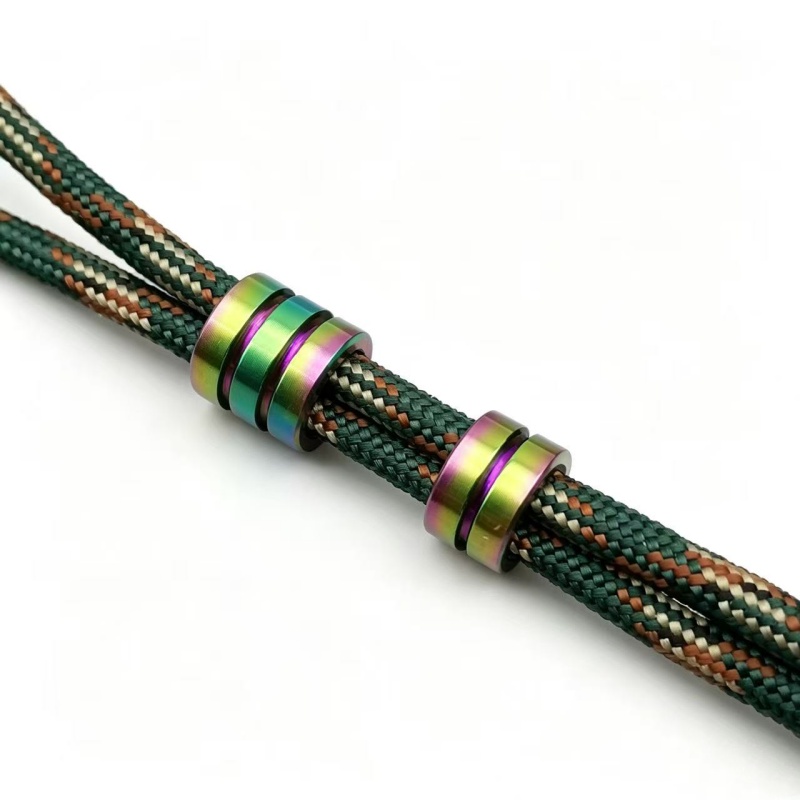
Factory Custom Colorful Titanium Paracord Beads EDC Lanyard Beads 6mm Hole PVD Coated Pendant Beads for Knife
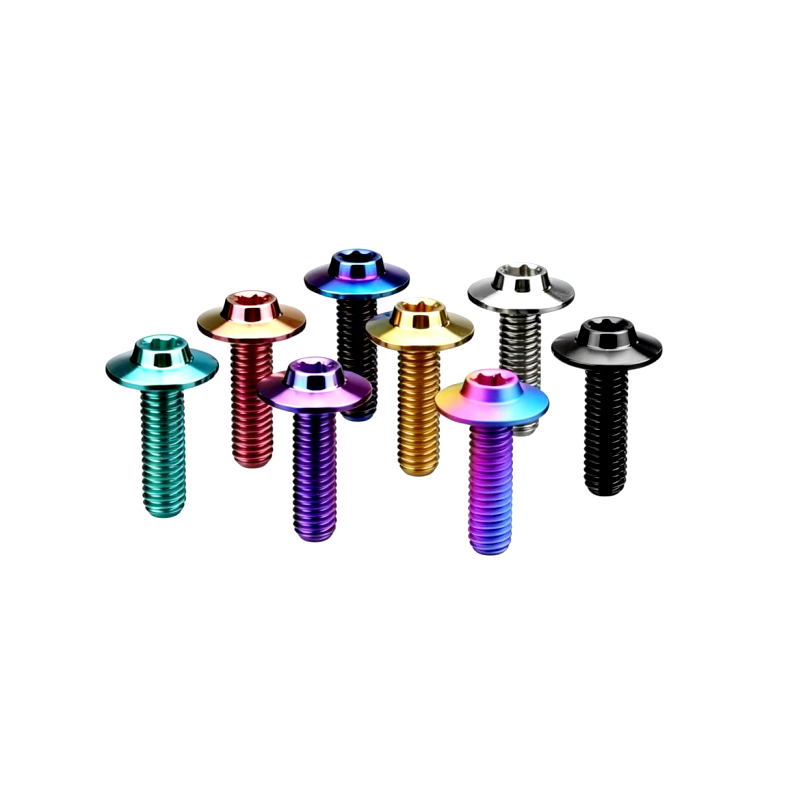
Grade 5 Colorful M6*6/8/10/12/15/20/25/30/35/40/45/50 Motorcycle Automatic Titanium Umbrella Torx Head Bolts
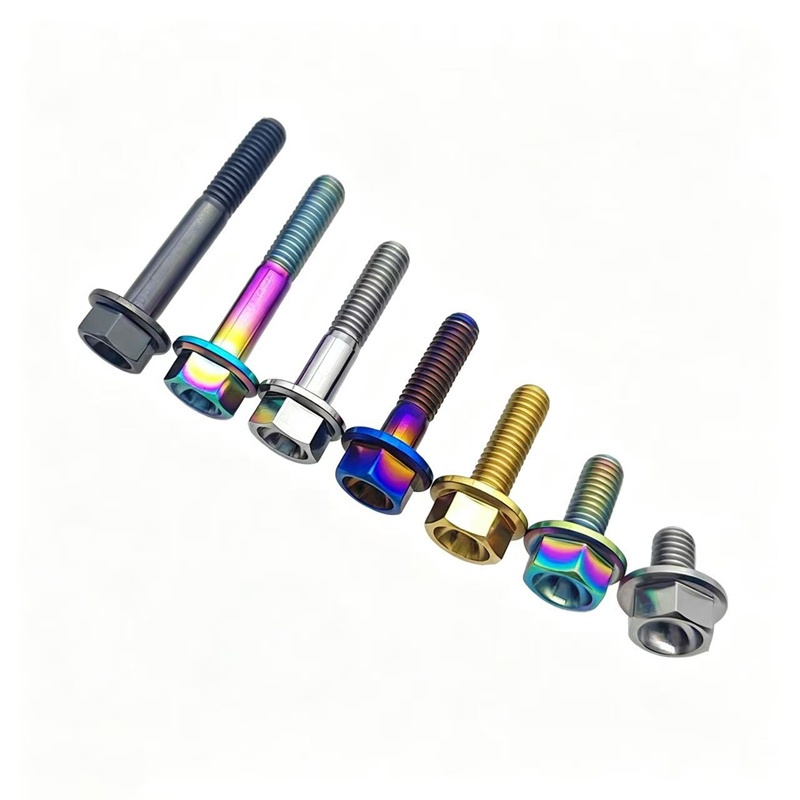
Factory Director 6X20 M5/M6/m8/m10/m12/m14 Hex Head Flange Titanium Bolts for Motorcycle Automotive
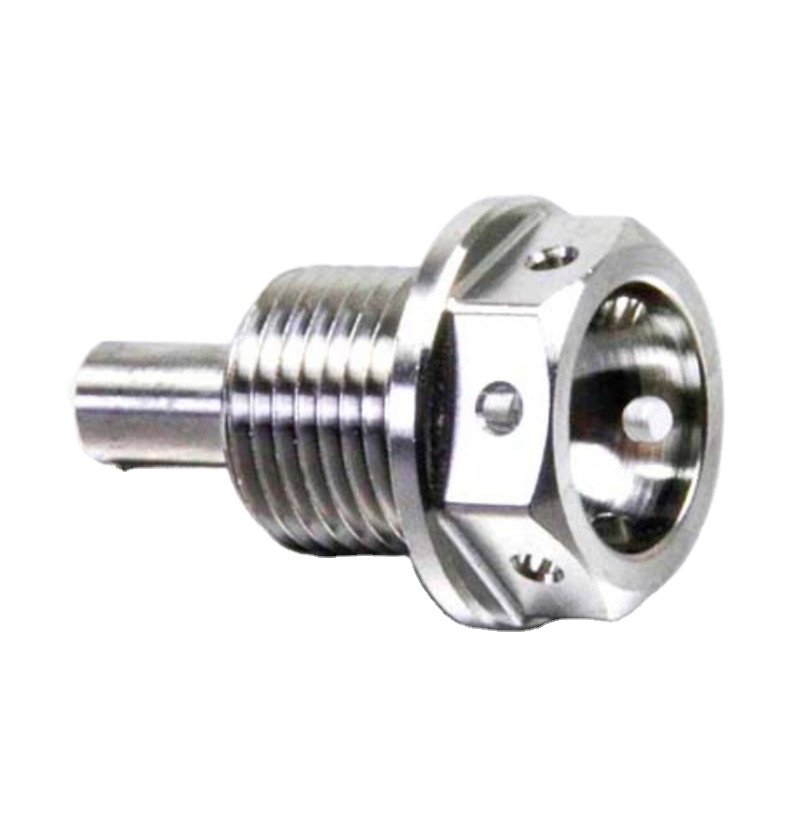
Factory Custom M12 M14 M16 M20 M26 Auto Automotive Sump Magnetic Titanium Oil Drain Plug Bolt
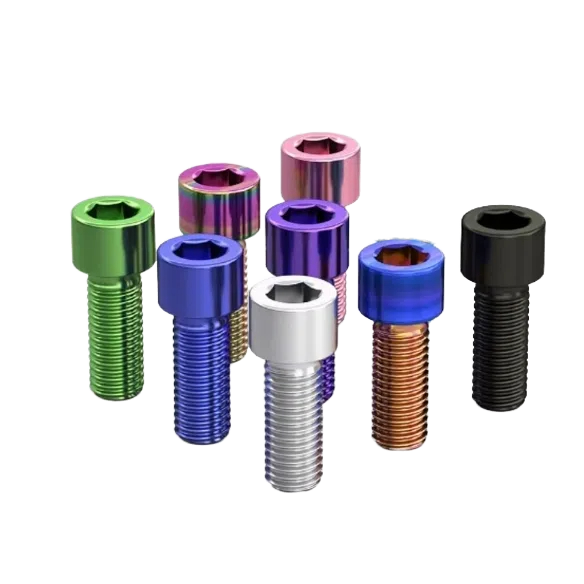
Gr5 Anodized Colored M3-M8 Titanium Alloy CNC Cap Socket Bolts for Motorcycle Bicycle RC Car Automobile
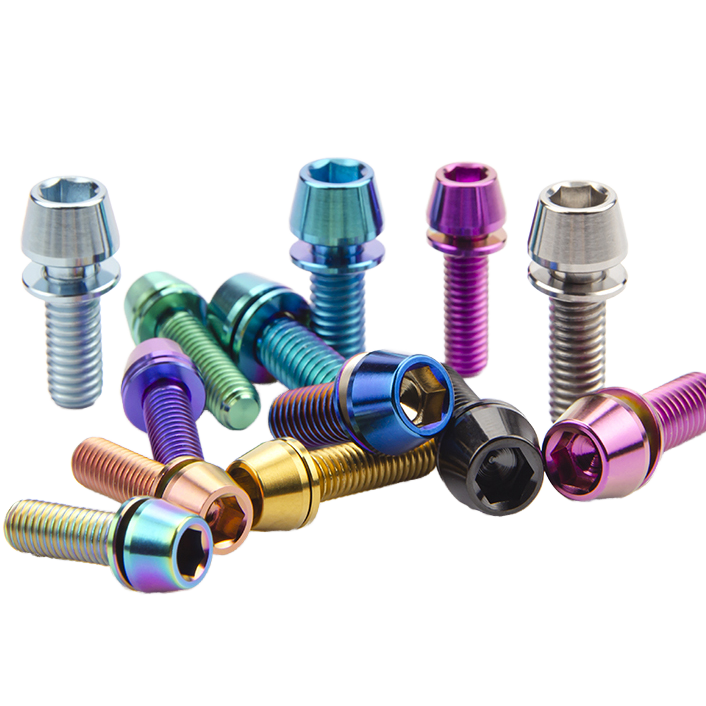
M5*16/18 M6*16/18/20 Class 10 UNC Thread Anodized Taper Head Colorful Titanium Bolt Screw Washer for Bicycle Water Bottle Cage
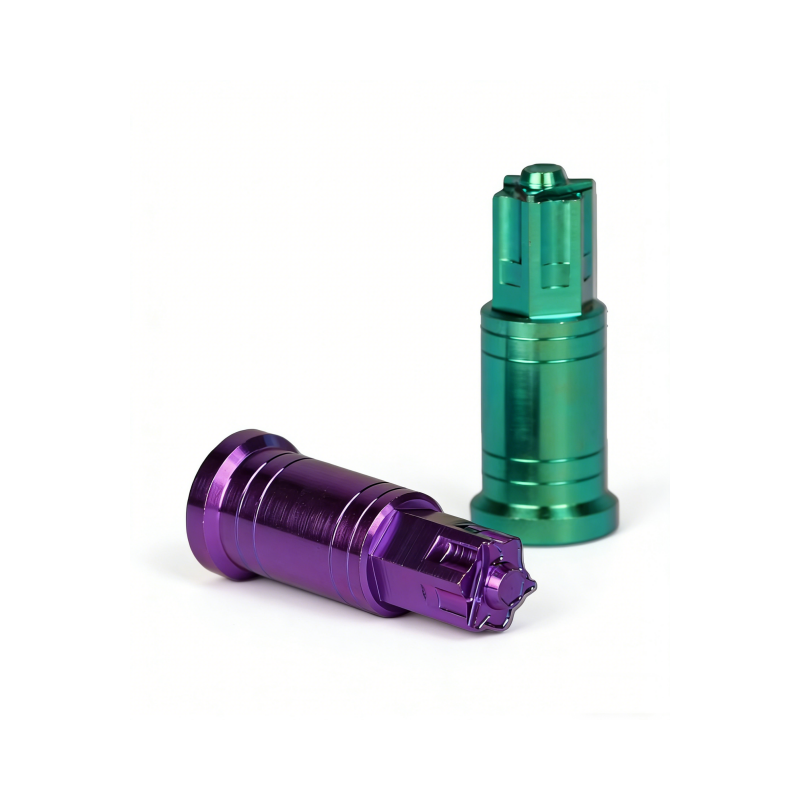
Factory Customized Color Size M6 M8 M10 GR5 Hex Head Polished Motorcycle Titanium Alloy Knurled Extended Nut Grade 10.9/12.9
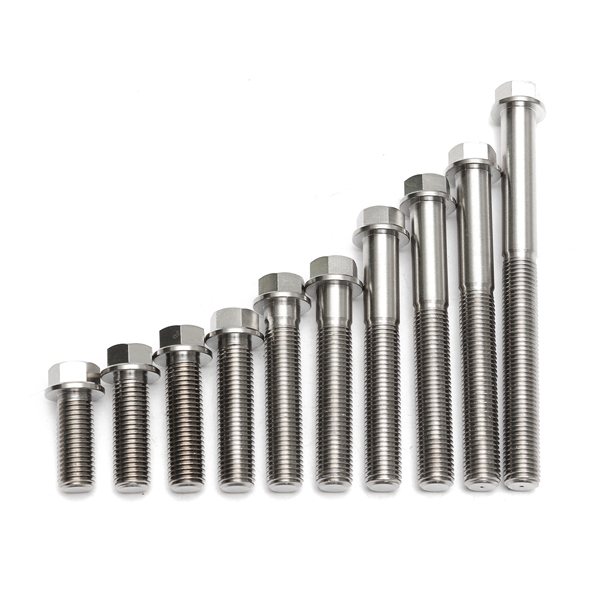
Factory Price M6 M8 M10 GR5 Motorcycle Automotive Sprint Midget Car Titanium Alloy Hex Flange Bolts Anodized Colored
Engineering Superiority of Titanium Wheel Studs in High-Stress Environments
Why Tier-1 automotive tuners, racing teams, and OEM manufacturers are transitioning from conventional Grade 10.9/12.9 steel and 7075-T6 aluminum wheel studs to Grade 5 Ti-6Al-4V titanium fasteners.
When engineering wheel hardware for modern performance vehicles, track racecars, and luxury SUVs, the wheel stud represents a critical structural boundary between the hub assembly and the wheel rim. Wheel studs are continuously subjected to extreme shear forces, high thermal fluctuations from braking systems, high-torque torsional loads, and harsh cyclic fatigue. As a leading China Titanium Wheel Studs Manufacturer & Factory, Verqo Titanium Products Co., Ltd. delivers aerospace-grade Grade 5 (Ti-6Al-4V) wheel studs specifically formulated to exceed the demanding safety margins of international automotive standards.
Comparative Technical Benchmark: Grade 5 Titanium vs. Automotive Alternatives
To understand the true structural and dynamic ROI of titanium wheel studs, automotive engineers must evaluate mechanical yield, ultimate tensile strength, density-to-weight ratios, and thermal expansion properties under operational load:
| Material Specification | Ti-6Al-4V (Grade 5 Titanium) | Grade 10.9 Alloy Steel | Grade 12.9 Chrome-Moly | 7075-T6 Aluminum Alloy |
|---|---|---|---|---|
| Density (g/cm³) | 4.43 g/cm³ (-43% vs Steel) | 7.85 g/cm³ | 7.85 g/cm³ | 2.81 g/cm³ |
| Tensile Strength (MPa) | 895 – 1050 MPa | 1000 – 1040 MPa | 1200 – 1220 MPa | 570 MPa |
| Yield Strength (MPa) | 828 – 950 MPa | 940 MPa | 1100 MPa | 500 MPa |
| Shear Strength (MPa) | 550 – 600 MPa | 620 MPa | 720 MPa | 331 MPa |
| Thermal Expansion (10⁻⁶/K) | 8.6 (High Thermal Stability) | 11.7 | 11.2 | 23.2 (Risk of Torque Loss) |
| Corrosion Resistance | Immune to Salt, Water, Acids | Requires Zinc/Cad Plating | Prone to Rust/Hydrogen Embrittlement | Prone to Galvanic Corrosion |
Reduction of Unsprung & Rotational Mass
By replacing factory steel wheel studs and lug nuts with Titanium Grade 5 conversion studs, vehicles achieve a rotational mass reduction of up to 43%. Decreasing unsprung weight directly improves suspension response, steering agility, shock dampening accuracy, and kinetic acceleration efficiency.
High Fatigue Resistance & Safety Margins
Steel hardware is highly vulnerable to micro-fissures caused by repeated thermal expansion cycles near brake calipers. Ti-6Al-4V demonstrates exceptional fatigue limits, ensuring long-term structural integrity without micro-cracking or stress corrosion failure on race tracks.
Elimination of Galling & Seizing Risks
Cheap titanium hardware frequently suffers from thread galling. Verqo Titanium utilizes specialized multi-pass precision thread rolling and proprietary anti-galling surface treatments (PVD/Micro-Arc Anodizing) to guarantee silky-smooth torque delivery and long service life.
Why Sourcing Directly from Verqo Titanium Delivers Unmatched ROI
Located in Baoji, Shaanxi — world-renowned as "China’s Titanium Valley" — Verqo Titanium Products Co., Ltd. combines raw material sovereignty, advanced CNC equipment, and strict quality assurance protocols under one roof.
1. Vacuum Melted Raw Sponge Billet Integrity
We source 100% certified Grade 5 Ti-6Al-4V titanium sponge processed via triple vacuum arc remelting (VAR). Every batch undergoes ultrasonic flaw detection to ensure zero internal voids or inclusions before entering machining production lines.
2. Cold Thread Rolling vs. Machined Threading
Unlike budget workshops that cut threads via lathe tooling (destroying metallic grain structure), Verqo utilizes cold-work thread rolling dies. This compacts the grain flow along thread flanks, increasing thread shear strength by over 30% and dramatically boosting fatigue life.
3. Advanced Multi-Axis CNC & Optical CMM Checks
Our workshop houses high-precision 5-axis CNC turning-milling centers capable of maintaining tolerances within ±0.01mm. Every stud, nut, and bolt passes through 100% optical CMM automated dimensional inspection and thread pitch check before packaging.
4. Premium PVD Vacuum Coating & Anodizing Finish
Custom colors are available via hard anodic oxidation or physical vapor deposition (PVD). Choose from Burned Blue, Rainbow Oil-Slick, Satin Gold, Deep Purple, or Metallic Black finishes with superior UV and salt-spray resistance.
Partner Directly with China's Premier Titanium Hardware Factory
Whether you require standard M12x1.25 / M14x1.5 thread studs, extended race conversion studs, bullet nose drive studs, or custom-branded aftermarket packaging, Verqo provides fast prototypes, low MOQs, and global export compliance.
Future Procurement Trends in Titanium Fasteners & Wheel Hardware
Key technological shifts and supply chain dynamics influencing global automotive, motorcycle, bicycle, and aerospace fastener purchasing strategy over the next decade.
As the global automotive industry undergoes rapid electrification and performance tuners push the limits of power-to-weight ratios, the demand for lightweight high-tensile hardware is experiencing exponential growth. Purchasing executives and engineering leads must align their sourcing strategies with four core market trends:
1. EV Weight Reduction & Range Optimization
Electric vehicles carry heavy lithium battery packs, placing immense pressure on chassis engineers to shed weight elsewhere. Upgrading unsprung components like wheel studs, brake rotor hardware, and suspension arm bolts to Grade 5 titanium offers an immediate, reliable weight reduction that translates directly to enhanced battery range and lower suspension fatigue.
2. Widespread Transition from Wheel Bolts to Stud Conversions
European vehicle OEMs (such as BMW, Porsche, Audi, and Mercedes-Benz) traditionally rely on wheel lug bolts. However, global track enthusiasts and commercial fleet maintenance crews are aggressively transitioning to Titanium Wheel Stud Conversions. Stud conversions simplify rapid wheel changes during pit stops, protect delicate aluminum hub thread bores from cross-threading damage, and allow flexible wheel spacer configurations.
3. Adoption of DLC & Advanced PVD Functional Coatings
While traditional anodizing provides vibrant decorative colors, high-end motorsport buyers are increasingly demanding Diamond-Like Carbon (DLC) and advanced Titanium Nitride (TiN) PVD coatings. These functional coatings drop thread friction coefficients below 0.12, virtually eliminating galling while protecting wheel studs against road de-icing chemicals and extreme brake temperatures exceeding 600°C.
4. Supply Chain Traceability & EN 10204 3.1 Certification
Regulatory scrutiny and corporate liability standards mean buyers can no longer source unverified metal fasteners. Modern procurement requires full material lot traceability from titanium sponge melting down to CNC thread rolling. Verqo provides complete EN 10204 3.1 chemical composition and mechanical test certificates with every commercial shipment.
Frequently Asked Questions (FAQ) - Titanium Wheel Hardware Sourcing
Clear, direct technical and commercial answers to help procurement managers and engineering leads make confident sourcing decisions.
Our standard material for structural and wheel applications is Grade 5 Ti-6Al-4V titanium alloy. Grade 5 delivers an ultimate tensile strength exceeding 895–1050 MPa and a yield strength of 828 MPa, making it dramatically stronger than commercial pure titanium (Grade 2) and equal to Grade 10.9 high-tensile steel fasteners at roughly half the weight.
Galling occurs when friction removes the oxide film between bare metal threads. We prevent galling through precise CNC cold thread rolling (creating smooth surface finishes ≤ Ra 0.4 µm) combined with surface anti-galling coatings (PVD or Micro-Arc Oxidation). We also recommend applying copper-based or anti-seize lubricant to the thread flanks during installation and adhering strictly to specified torque ratings.
We produce metric threads from M2 to M26, including common wheel stud thread pitches such as M12x1.25, M12x1.5, M14x1.25, M14x1.5, and UNC/UNF imperial threads. Seat configurations include 60-degree conical tuner seats, ball seats (R12/R13/R14 for European wheels), floating washer seats, and custom extended hex drive heads.
Our MOQ is engineered to be highly flexible for global business clients. Standard stocked titanium fasteners start from 10 to 20 pieces per size. For custom OEM/ODM items based on technical drawings or customer samples, MOQs typically range between 50 to 100 pieces depending on part dimensions, finish complexity, and packaging requirements.
Yes. We offer high-resolution fiber laser marking for custom logos, part numbers, and torque specifications on stud ends or lug nut faces. Surface finishes include raw polished titanium, gold, blue, purple, green, burnt blue anodizing, and black or oil-slick rainbow PVD coatings.
Quality control begins at raw material receipt with spectral chemical analysis and ultrasonic flaw detection. During manufacturing, automated optical measurement machines inspect thread pitch, concentricity, and head dimensions. Final product samples undergo destructive tensile and shear testing before dispatch, with full EN 10204 3.1 mill test certificates available upon request.
Ready to Upgrade Your Hardware Catalog with Premium Titanium Studs?
Send us your engineering drawings, product specifications, or target part numbers. Our technical team will provide a comprehensive manufacturing proposal, material test sample plan, and factory-direct price quotation within 2 hours.