High-Performance Titanium Guitar Hardware & Fasteners
Engineered from certified Grade 5 (Ti-6Al-4V) titanium alloy to maximize tonal acoustic transfer, resist hand sweat corrosion, and deliver uncompromised mechanical reliability.
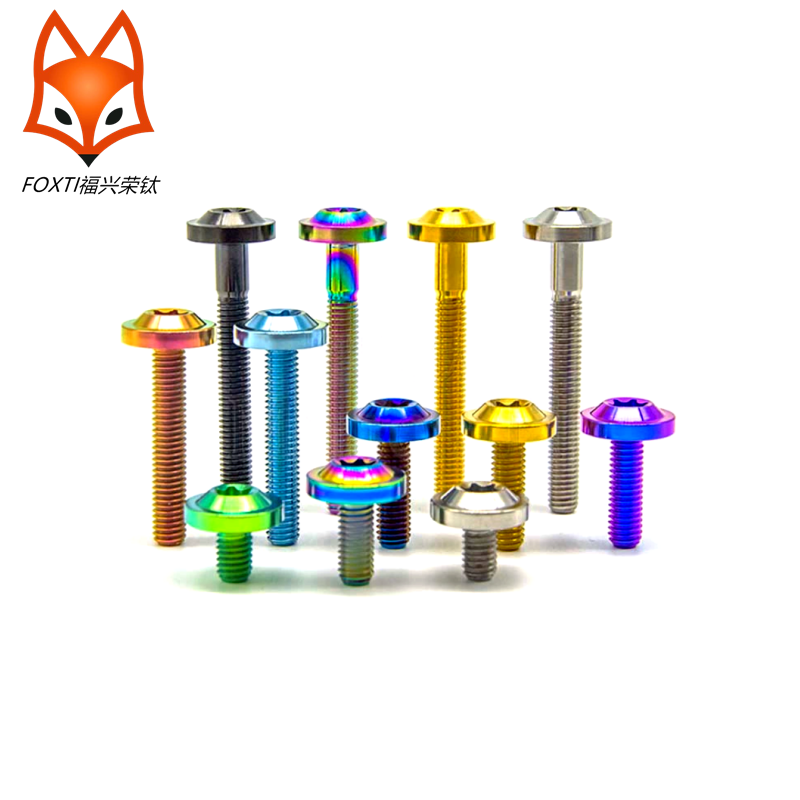
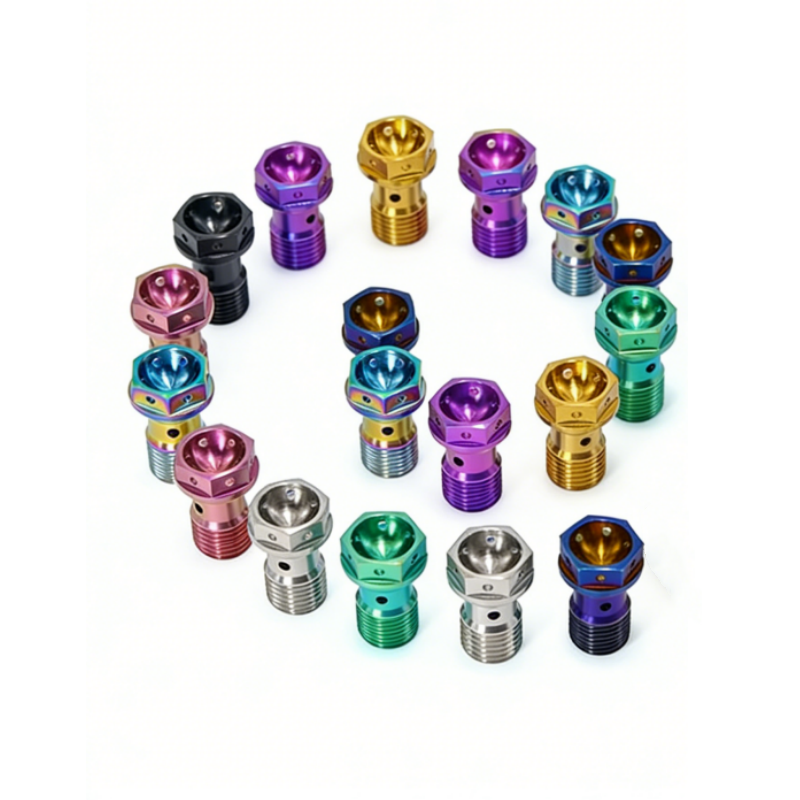
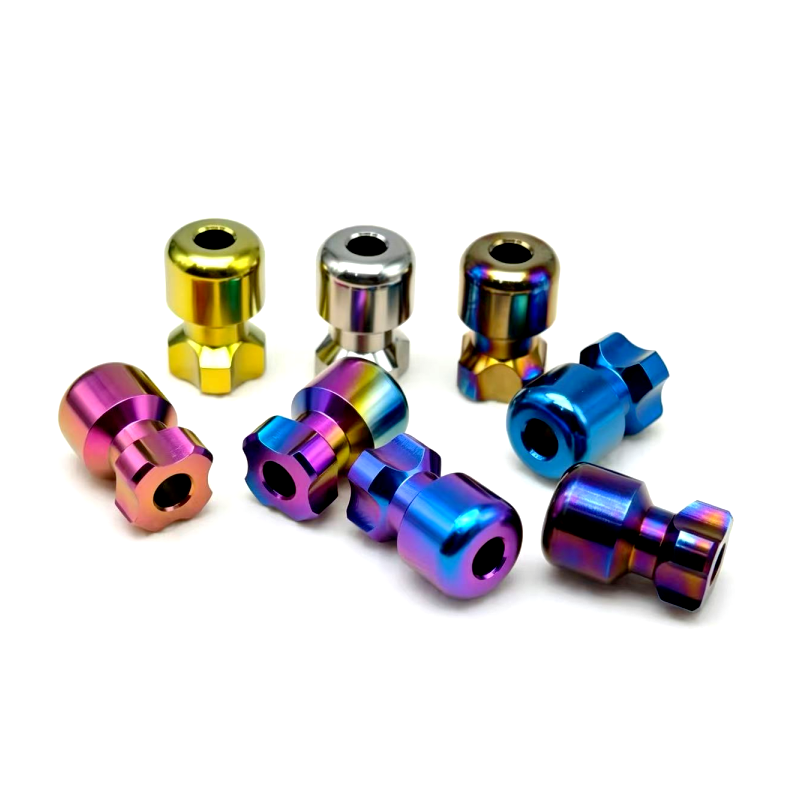
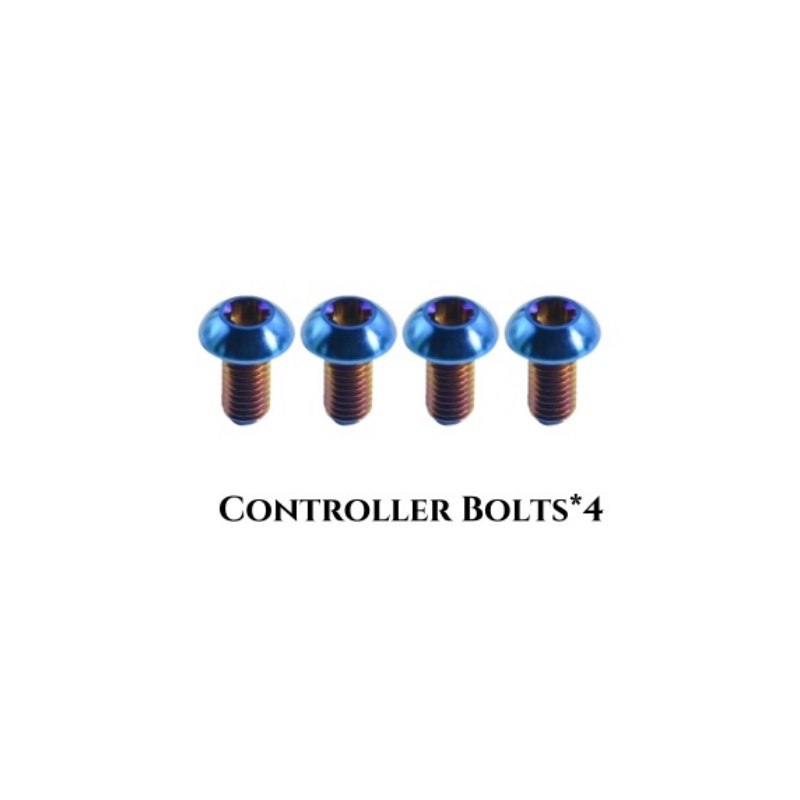
Why Master Luthiers and Tier-1 Brands Are Transitioning to Grade 5 Titanium Hardware
In high-end musical instrument design, bridge hardware, saddles, tremolo blocks, neck joint inserts, and string ferrules are not merely structural fasteners—they are the foundational mechanical interface through which vibrational energy transmits from the oscillating core string to the tonewood body. For decades, the industry defaulted to cast zinc (Zamak alloys), stamped cold-rolled steel, and extruded brass. However, empirical acoustic testing and Fourier transform frequency analyses reveal that conventional alloys suffer from significant dampening factors, phase smearing, and rapid mechanical degradation caused by hand perspiration.
As a leading Chinese custom titanium machining factory headquartered in Baoji, we engineer specialized Grade 5 Titanium (Ti-6Al-4V) components tailored precisely for musical instruments. Titanium possesses an exceptional strength-to-density ratio, ultra-low internal dampening, and acoustic propagation speeds surpassing brass by over 28%. When used for electric and acoustic guitar bridges, saddles, and neck fasteners, it creates a noticeably wider dynamic envelope, transparent treble clarity without harshness, and prolonged harmonic sustain.
| Physical & Acoustic Property | Grade 5 Titanium (Ti-6Al-4V) | C36000 Free-Cutting Brass | Zamak-3 Die-Cast Zinc | 304 Stainless Steel |
|---|---|---|---|---|
| Density (g/cm³) | 4.43 (43% lighter than steel) | 8.50 (Dense, causes neck-dive) | 6.60 (Moderate mass) | 7.93 (Heavy) |
| Speed of Sound (Longitudinal, m/s) | ≈ 6,070 m/s (Fastest attack) | ≈ 4,700 m/s | ≈ 4,160 m/s | ≈ 5,790 m/s |
| Tensile Yield Strength (MPa) | 828 – 910 MPa | 310 MPa | 208 MPa | 205 – 290 MPa |
| Internal Acoustic Dampening (Q⁻¹) | Extremely Low (< 10⁻⁴) | Medium-High | Very High (Muffles upper harmonics) | Medium |
| Sweat Resistance (Palm Acid pH 4–6) | Permanent Passive TiO₂ Oxide Film | Tarnishes / Verdigris buildup | Pits, crumbles, freezes threads | Good (Can pit at thread crevices) |
| Primary Tonal Profile | Expanded bandwidth, pristine articulation | Warm, compressed midrange | Muffled, short sustain, dull attack | Bright, aggressive high-mids |
Acoustic Transparency and Harmonic Energy Transfer
The speed of sound through a material is directly proportional to the square root of its elastic modulus divided by its density: c = √(E/ρ). Because Grade 5 Titanium exhibits an exceptionally low density (4.43 g/cm³) coupled with high tensile rigidity, sound waves travel through titanium bridge saddles and tremolo blocks at more than 6,070 meters per second. In comparison, traditional zinc saddles absorb and dissipate higher order overtone frequencies through internal molecular friction. Titanium preserves the micro-vibrations generated by string pick-attacks, enabling guitarists to achieve pristine note separation even through high-gain tube amplifiers and complex DSP modeling processors.
Furthermore, sweat corrosion is the primary culprit behind broken saddle height screws, seized intonation springs, and ruined bridge plates. Human palm sweat is acidic, containing sodium chloride, lactic acid, and urea. While chrome plating on zinc or steel saddles micro-cracks under string tension, causing immediate galvanic pitting, Grade 5 Titanium spontaneously forms an inert, self-healing titanium dioxide (TiO₂) passivation layer. It is 100% impervious to sweat, humidity, and salt spray, ensuring that saddle screws turn smoothly for decades without galling or seizing.
Zero Dampening Intonation Saddles
CNC milled from solid bar stock with precision radiused string grooves. Eliminates string knotting, reduces breakage at the witness point, and sustains fundamental root notes up to 35% longer.
Ultralight Tremolo & Sustain Blocks
We machine customized inertia blocks for Floyd Rose, Gotoh, Fender Stratocaster, and custom headless vibrato units. Balances guitar ergonomics while preventing spring cavity harmonic bleed.
High-Torque Neck Anchor Bushings
Replacing traditional wood screw neck joints with threaded titanium inserts and machine screws yields rigid wood-to-metal coupling, eliminating dead spots across the 12th–17th fret registers.
Future Procurement Trends in Titanium Guitar Hardware
Strategic market analysis for guitar manufacturers, parts importers, and aftermarket brands seeking competitive advantage through next-generation metallurgy.
Shift to Headless & Multiscale Hardware
As modern progressive guitarists demand multiscale fanned-fret and ultra-compact headless designs, traditional brass hardware causes awkward body-heavy imbalances. Ti-6Al-4V bridge systems shave critical grams while increasing string-to-body acoustic resonance.
Transition from Electroplating to PVD Coatings
Electroplated nickel and chrome choke metallic resonance and peel under acidic sweat. Guitar brands are adopting vacuum PVD (Physical Vapor Deposition) DLC Black, Burnt Titanium, and Rainbow spectrum finishes that measure under 3 microns with 3000+ HV surface hardness.
On-Demand Micro-Batch Customization
Boutique luthiers are ditching rigid catalog suppliers. Sourcing trends prioritize versatile factories offering custom CAD/CAM translation from STEP/DXF files with rapid prototype batching (50–100 sets) without demanding exorbitant tooling costs.
Certified Material Traceability & ESG
Global supply chain regulations necessitate authentic mill certificates (MTC 3.1) per ASTM B348. High-end buyers now reject cheap recycled scrap titanium in favor of verified aerospace-grade billet stock that guarantees acoustic purity and zero porosity.
Technological Innovations in Titanium Instrument Machining
How state-of-the-art multi-axis CNC subtractive manufacturing overcomes titanium's notorious machining challenges.
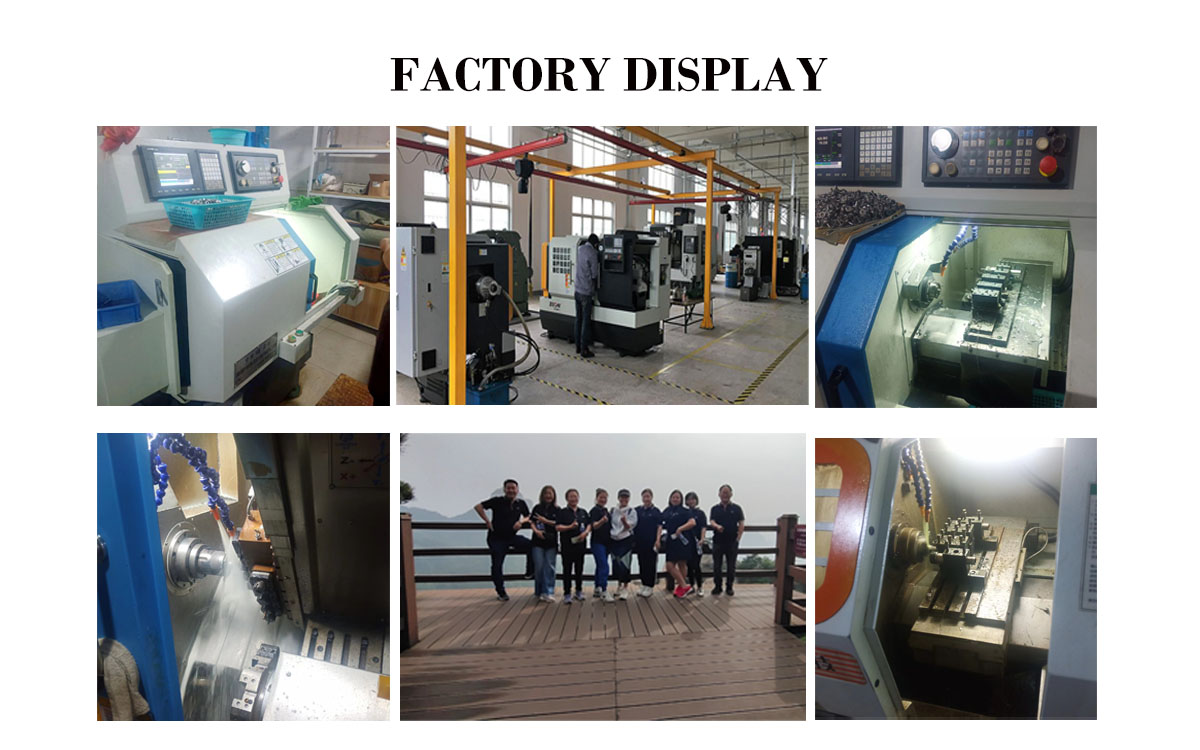
Titanium is renowned for being notoriously difficult to machine due to its low thermal conductivity, high chemical reactivity at elevated cutting temperatures, and tendency to work-harden. When producing miniature guitar components such as M3 saddle height screws, bridge saddle intonation slots, and truss rod adjustment nuts, conventional tool paths result in chattering, micro-burrs, and stripped threads. At our manufacturing facility, we implement cutting-edge machining protocols:
Swiss-Type Multi-Axis CNC Turning
High-precision sliding headstock lathes process complex micro-screws, truss rod nuts, and knurled knobs in a single chucking operation, achieving concentricity tolerances within ±0.003 mm to eliminate saddle wobble.
Cryogenic Thread Rolling & Milling
Rather than cutting threads—which shears titanium grain boundaries—our rolled threads compact the crystalline microstructure, doubling fatigue life and virtually eliminating galling inside tremolo baseplates.
Spectroscopic Anodic Passivation
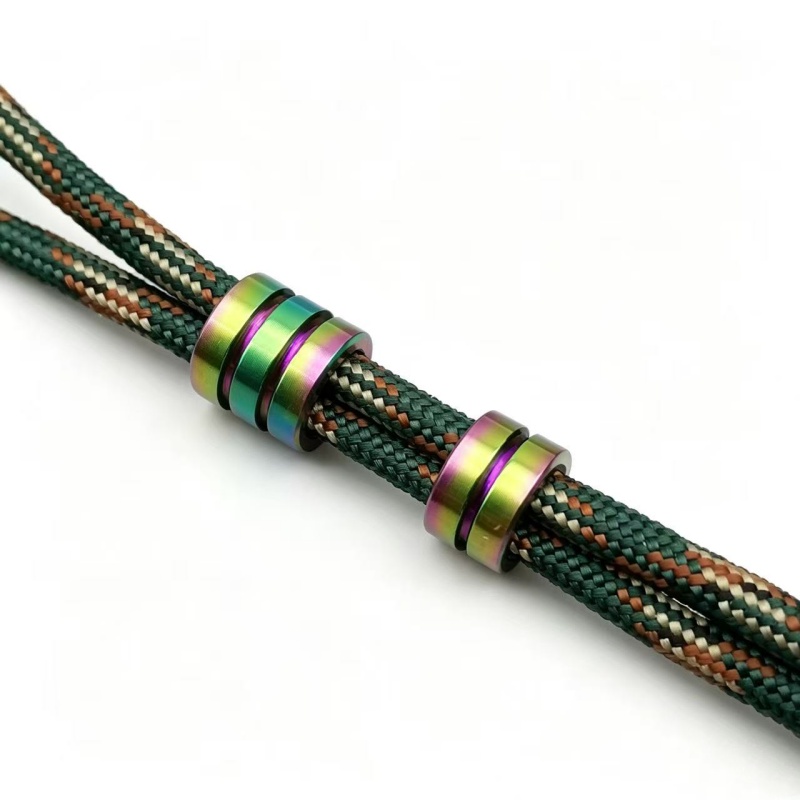
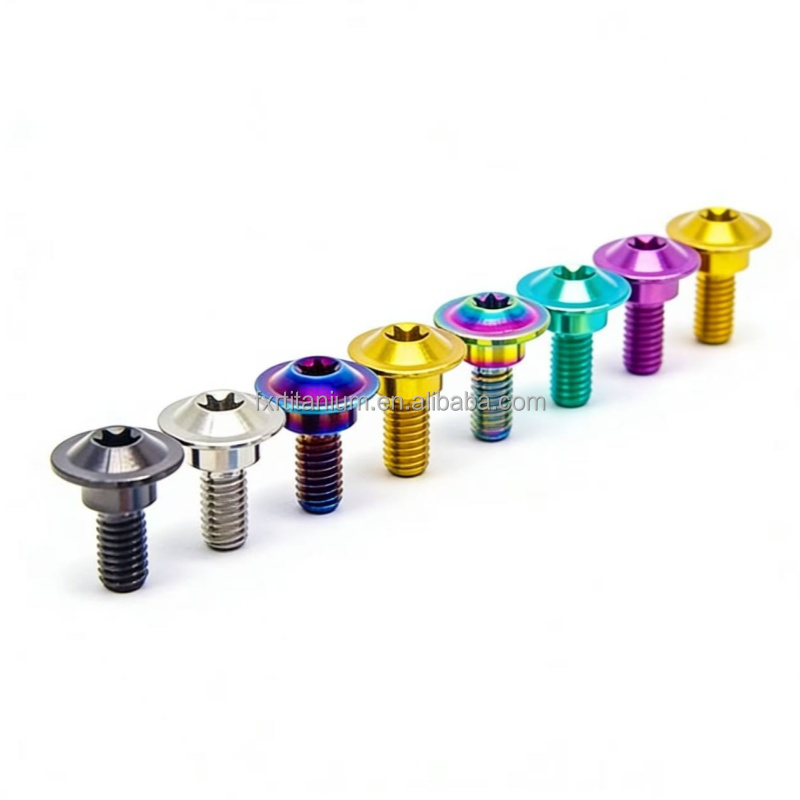
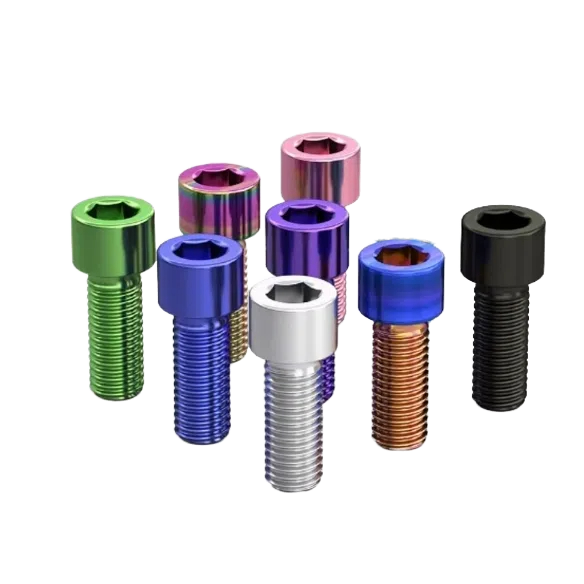
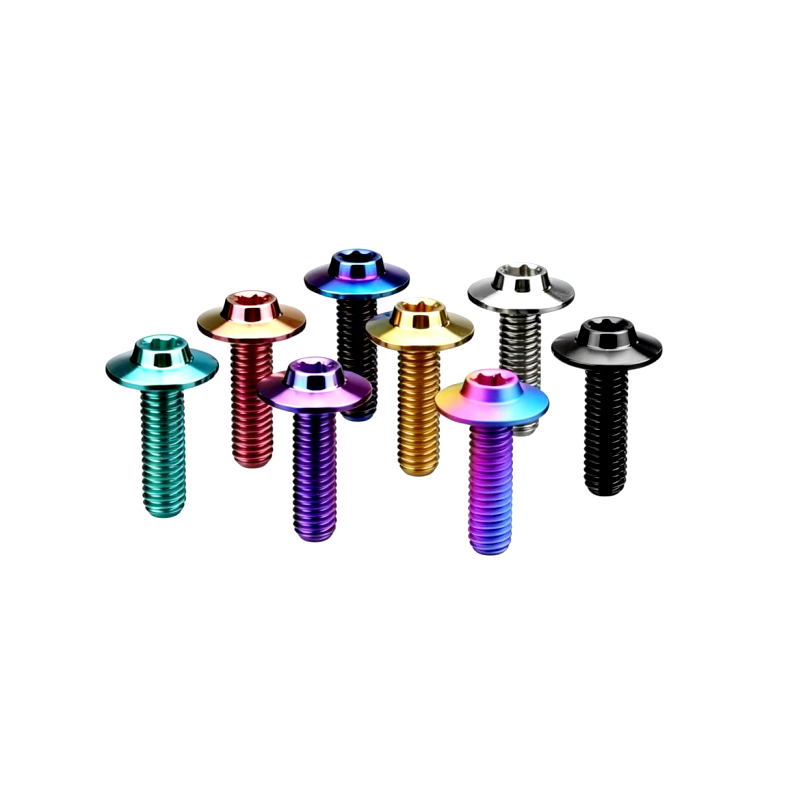
Computer-controlled electrochemical bath coloring adjusts the refractory oxide thickness in nanometer increments. Generates vivid gold, burnt blue, purple, and oil-slick colors without altering sound-dampening coatings.
Why Source from China's "Titanium Valley" (Verqo Titanium)
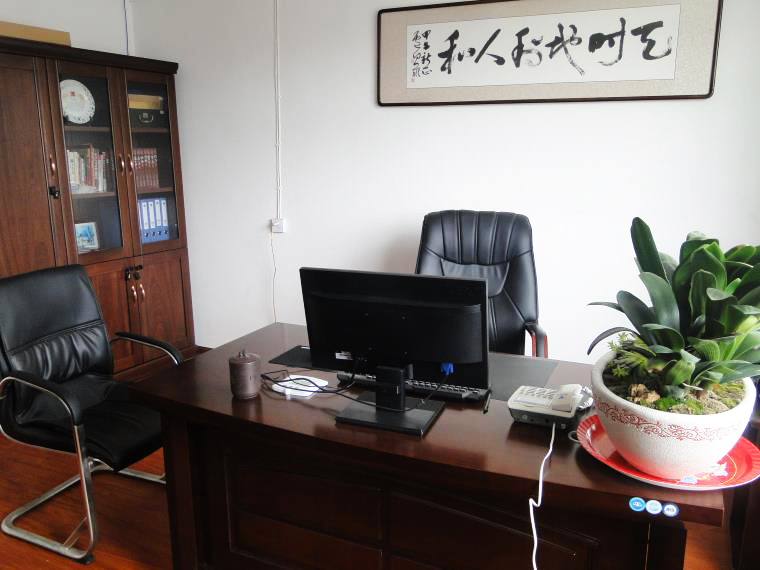
Headquartered in Baoji, Shaanxi Province, our manufacturing infrastructure bridges raw metallurgical dominance with master-level CNC precision.


Titanium Valley Supply Chain Synergy
Located at the epicentre of China's titanium refining industry (Baoji), we secure top-tier virgin sponge titanium and certified bar stocks at competitive primary-source costs, passing raw savings directly to brand clients.
10+ Years Dedicated OEM / ODM Specialization
Our engineering team understands mechanical instrument ergonomics. We translate your rough sketches, physical luthier samples, or 3D STEP models into production-ready blueprints with optimal tooling geometries.
Flexible Batch MOQ & Rapid Turnaround
While massive conglomerates require minimum orders of tens of thousands, we accommodate custom runs starting from 50–100 pieces for bespoke builders, backed by stock fastener dispatch within 48 hours.
98.62% Response Rate & Dedicated Engineering Lead
Eliminate procurement communication gaps. Our English-fluent technical specialists deliver initial design evaluations and quotation breakdowns within 2 hours of inquiry receipt.
Frequently Asked Questions on Sourcing Titanium Guitar Hardware
Essential answers covering metallurgy, acoustic changes, custom tooling, surface treatments, and international shipping.
We strictly machine load-bearing guitar hardware from Grade 5 Titanium (Ti-6Al-4V / ASTM B348). Commercially Pure Grade 2 titanium is too soft (tensile strength ~345 MPa) and will notch when thin guitar strings exert downbearing pressure. Grade 5 delivers a yield strength over 828 MPa, preventing string-wear notches while optimizing acoustic speed.
No. This is a common misconception stemming from low-grade stainless steel saddles. Titanium has a linear, balanced acoustic frequency response. It tightens muddy low-end frequencies, enhances harmonic string definition, and delivers pristine treble openness without the harsh, spikey resonances typical of cheap stamped steel.
Galling occurs when micro-asperities on titanium threads friction-weld under dry torque. We prevent this by cold-rolling precision threads (yielding a smooth 0.4 Ra surface finish) and applying micro-passivation or ultra-low friction PVD coatings. We also provide recommended titanium-safe synthetic lubricants for tremolo adjustment screws.
Yes. We specialize in OEM/ODM bespoke manufacturing. You can provide 3D CAD files (.STEP, .IGS) or 2D dimensioned engineering drawings (.DWG, .PDF). If you have a vintage or discontinued bridge saddle, simply ship us a physical sample and our metrology laboratory will reverse-engineer it with exact CMM laser scans.
We offer raw satin, mirror hand-polished, bead-blasted matte, electro-chemical anodized colors (Gold, Blue, Purple, Magenta, Burnt Blue/Heat-Tint), and physical vapor deposition (PVD) finishes including DLC Diamond-Like Carbon Black, Titanium Gold, and Neo-Chrome Oil-Slick. Laser logo etching is also available.
For standard fasteners (M3/M4 saddle screws, truss rod bolts, neck joint screws), in-stock orders ship from 20 pieces. For custom CNC machined saddles, tremolo blocks, or custom tailpieces, the initial prototyping MOQ is usually 50–100 pieces. Production lead time for custom CNC batches ranges from 15 to 25 business days.
Ready to Engineer Custom Titanium Guitar Hardware?
Send your 2D/3D drawings, prototype specifications, or bulk fastener requirements. Our Baoji metallurgy and CNC application team will respond with a technical review and cost quotation within 2 hours.