High-Integrity Titanium Hex Bolts & Specialty Fasteners
Engineered for high-stress motorsport, aerospace avionics, e-mobility, and competitive cycling. Every unit undergoes rigorous optical profile projection and ultrasonic crack inspection before worldwide dispatch.
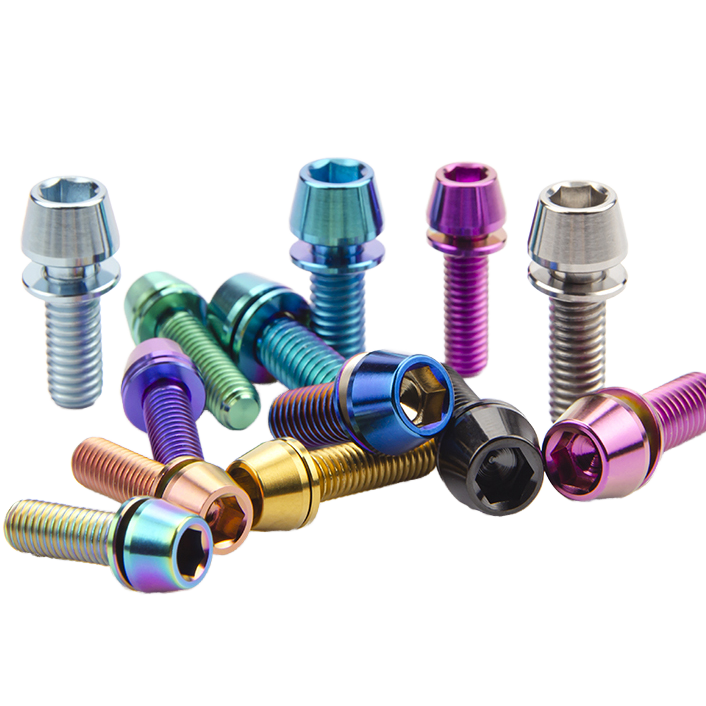
M5*16/18 M6*16/18/20 Class 10 UNC Thread Anodized Taper Head Colorful Titanium Bolt Screw Washer for Bicycle Water Bottle Cage
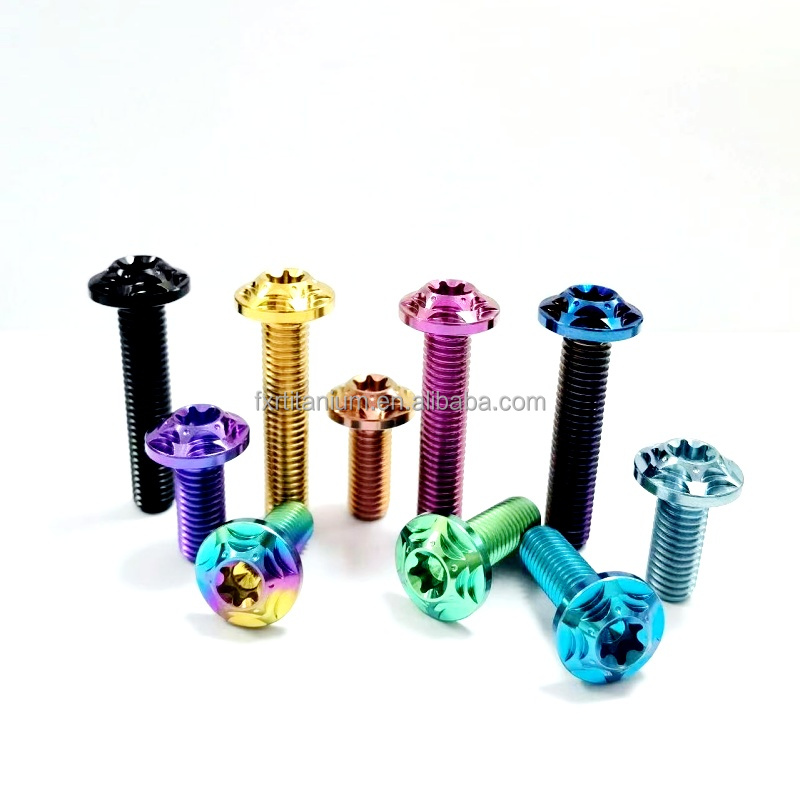
GR5 Titanium Bolt Big Head Bike Motorcycle Accessories Fancy Torx Titanium Baut Screw Disc CNC Umbrella Head Ti Bolts
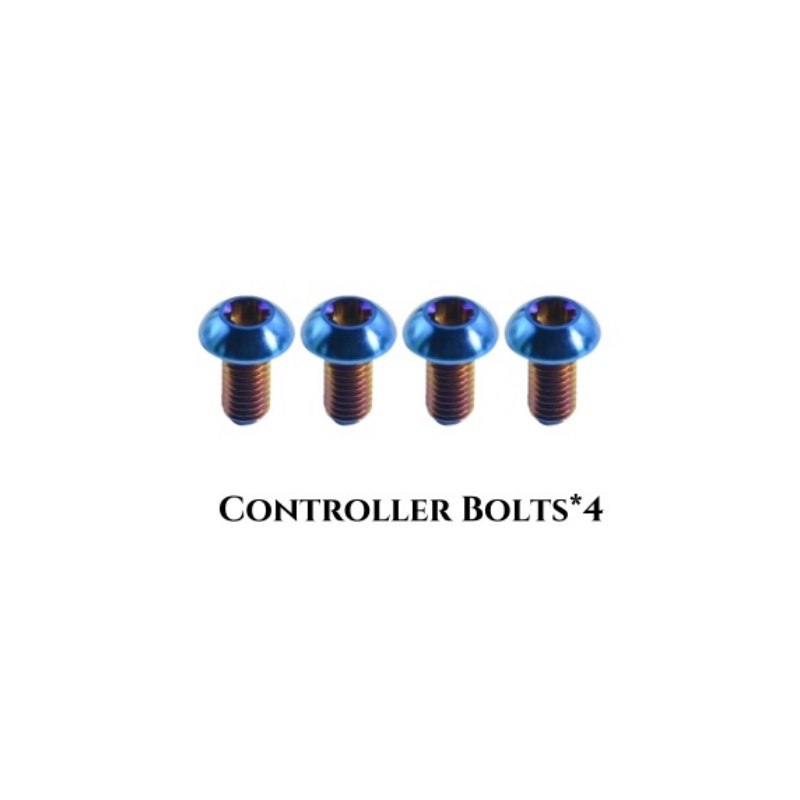
Factory Processing Class 10.9 12.9 Titanium Alloy Bolts Colorful Controller Bolts Vacuum Coated for Surron Ultra
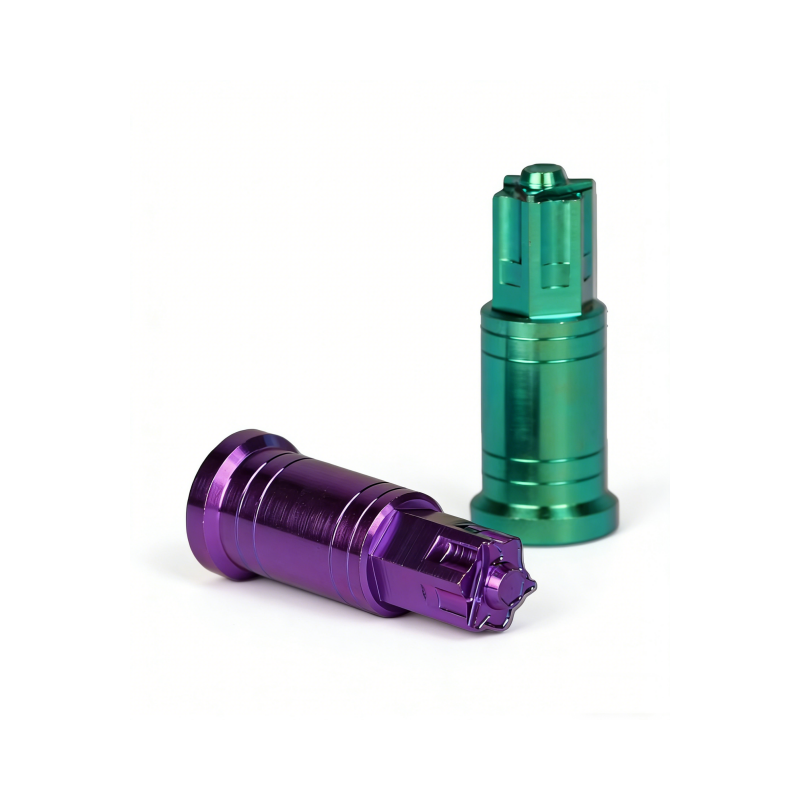
Factory Customized Color Size M6 M8 M10 GR5 Hex Head Polished Motorcycle Titanium Alloy Knurled Extended Nut Grade 10.9/12.9
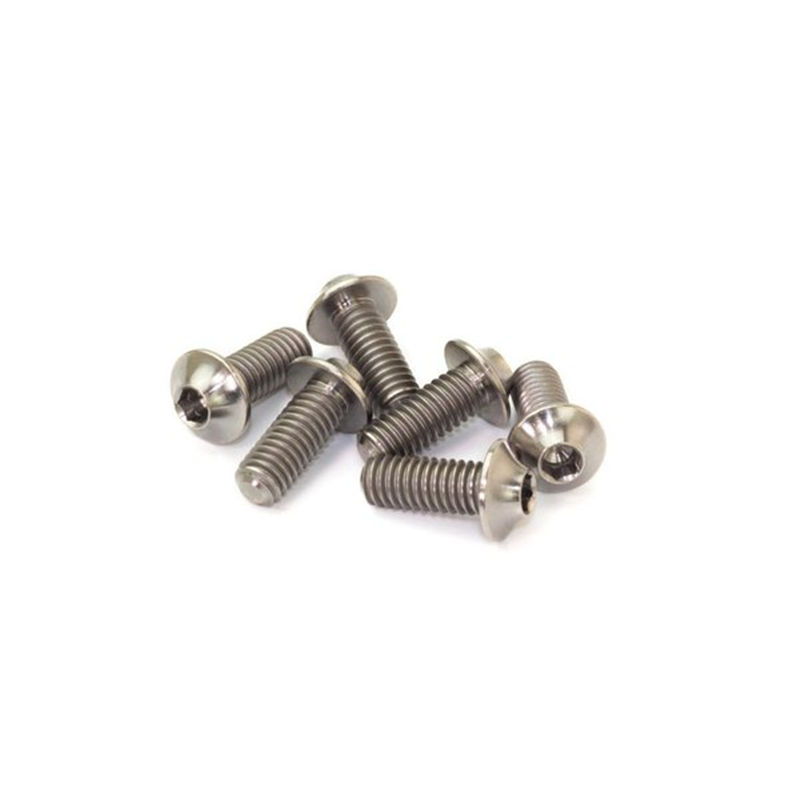
FOXTI LS496 M3x6/8/10/12/15/20/22mm Metric Anodized Polished UFO Cone Head Titanium Alloy Screw RC Car Aircraft Class 10.9/12.9
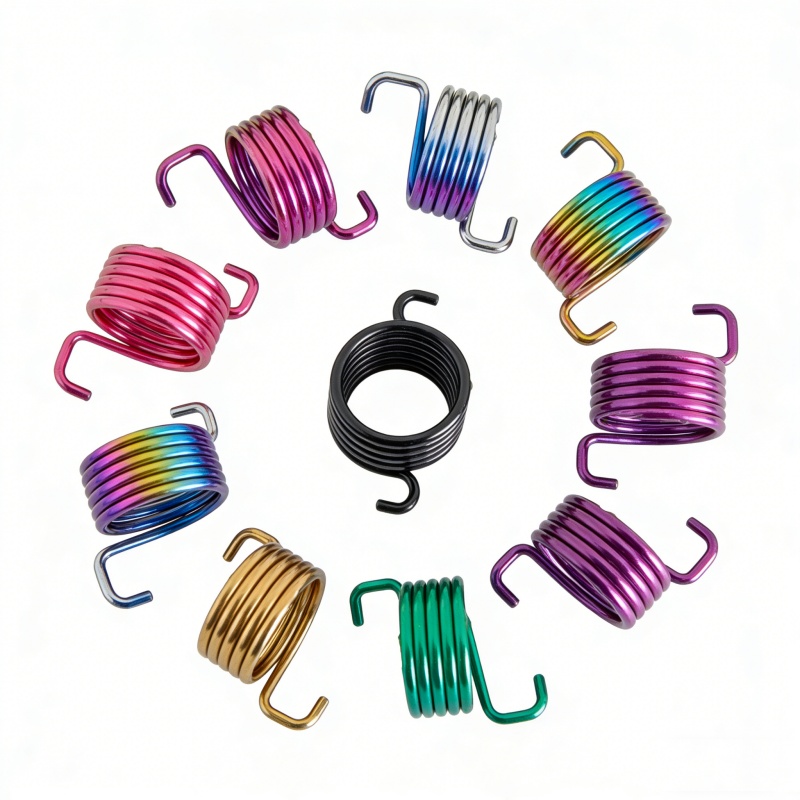
Factory Customized Colorful Titanium Alloy Coil Motorcycle Footpeg Torsion Spring 25 lb Load Capacity for KTM Husqvarna Kawasaki
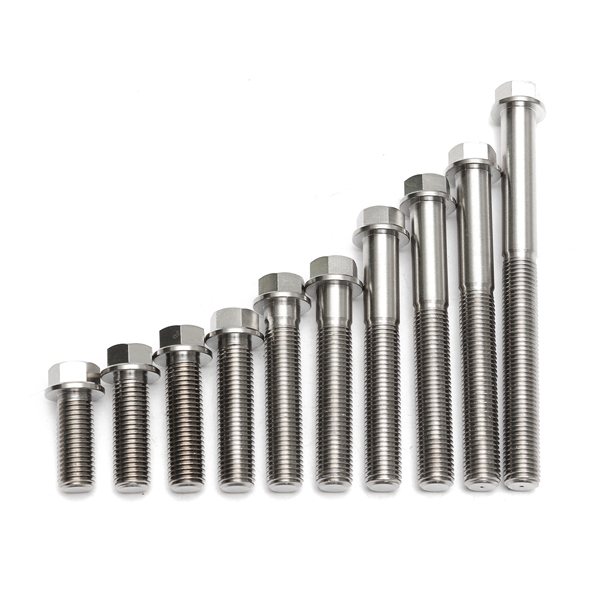
Factory Price M6 M8 M10 GR5 Motorcycle Automotive Sprint Midget Car Titanium Alloy Hex Flange Bolts Anodized Colored
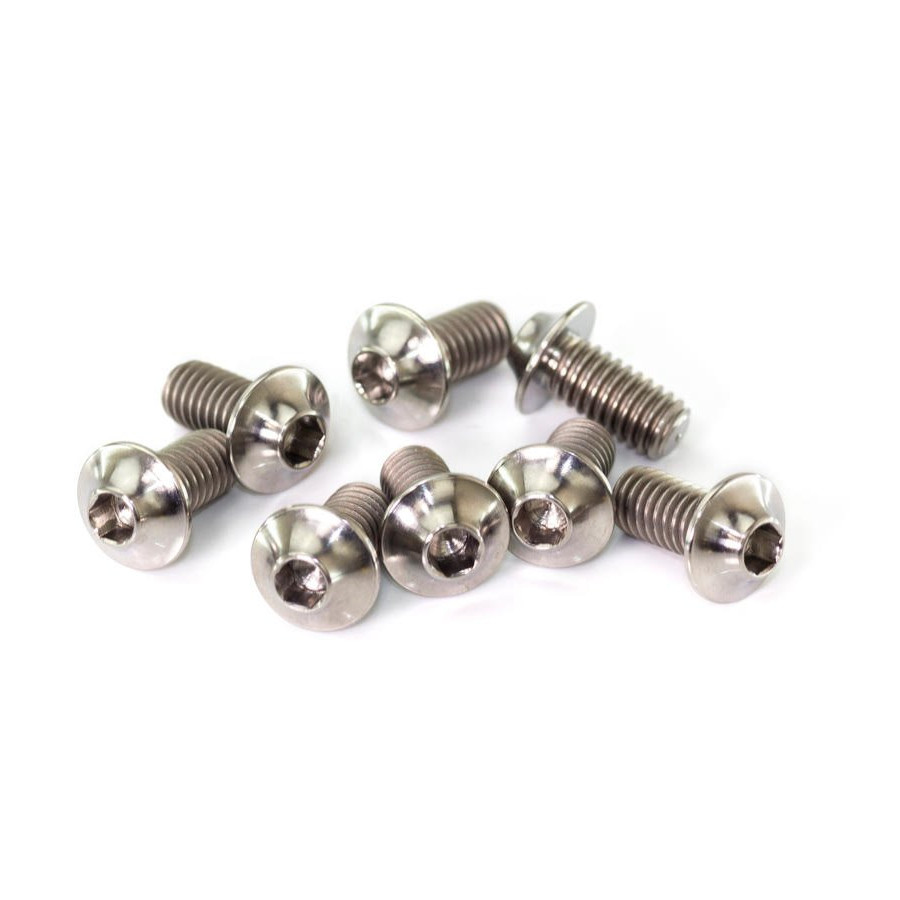
GR5 M3x4/6/8/10/12/15mm Anodized Polished Metric High Strength Corrosion Resistant UFO Cone Head Rc Car Model Aircraft Titanium
Structural Mechanics of Titanium Hex Head Fasteners
Why Tier-1 racing teams, defense sub-contractors, and marine automation builders are transitioning from heat-treated alloy steel 10.9/12.9 to cold-forged and precision-machined Grade 5 (Ti-6Al-4V) titanium hex bolts.
| Physical / Mechanical Metric | Verqo GR5 (Ti-6Al-4V Annealed) | Commercially Pure Grade 2 | Structural Steel Grade 10.9 | A4-80 Stainless Steel |
|---|---|---|---|---|
| Mass Density (g/cm³) | 4.43 (43% Lighter) | 4.51 | 7.85 (Heavy Baseline) | 8.00 |
| Tensile Strength Rm (MPa) | 950 – 1,050 | ≈ 345 | 1,040 | 800 |
| Yield Strength Rp0.2 (MPa) | 880 – 940 | ≈ 275 | 940 | 600 |
| Fatigue Strength (10⁷ Cycles, MPa) | 510 (High Cyclic Resilience) | 180 | 420 | 260 |
| Pitting Resistance (PREN / Salt Spray) | Immune (>2,000 hrs Salt Fog) | Immune | Severe Corrosion without Plating | Moderate Pitting in Marine Cl⁻ |
| Magnetic Permeability (μ) | 1.00005 (Non-Magnetic) | 1.00005 | Ferromagnetic (Interferes with Sensors) | 1.005 – 1.025 |
| Standard Fastener Application | Hub carriers, suspension, brake calipers, chassis | Fairing clips, non-load trim | Heavy standard automotive engines | General industrial architecture |
Continuous Grain-Flow Thread Rolling
Unlike inexpensive aftermarket vendors who cut threads using conventional single-point lathe bits—which sever the metallurgical fiber lines—our factory utilizes synchronized cold-forming roll-threading dies. This creates a dense, compressed crystalline grain matrix along the thread flanks, preventing micro-notch stress concentration and delivering up to 300% greater fatigue lifespan under high vibrational loads.
Tight-Tolerance Hexagon Socket Drive
Broached to precision ISO 4762 and ASME B18.3 standards, our internal hex and external hex heads feature radiused transition junctions between the bolt shank and under-head shoulder. This critical relief radius neutralizes localized shear forces, while deep-engagement socket depths prevent tool slippage and head-stripping at torques exceeding 45 N·m.
Galling Mitigation & Friction Tuning
Titanium fasteners naturally generate an instantaneous titanium dioxide (TiO₂) passivation layer that resists seawater and acid, but can experience localized adhesive wear (galling) when threaded against raw titanium or aluminum under dry clamping loads. We provide tailored surface treatments including micro-arc oxidation, anti-friction PVD dry-lubricant films, and certified torque curves.

End-to-End Control: From Raw Sponge Titanium to Finished Fasteners
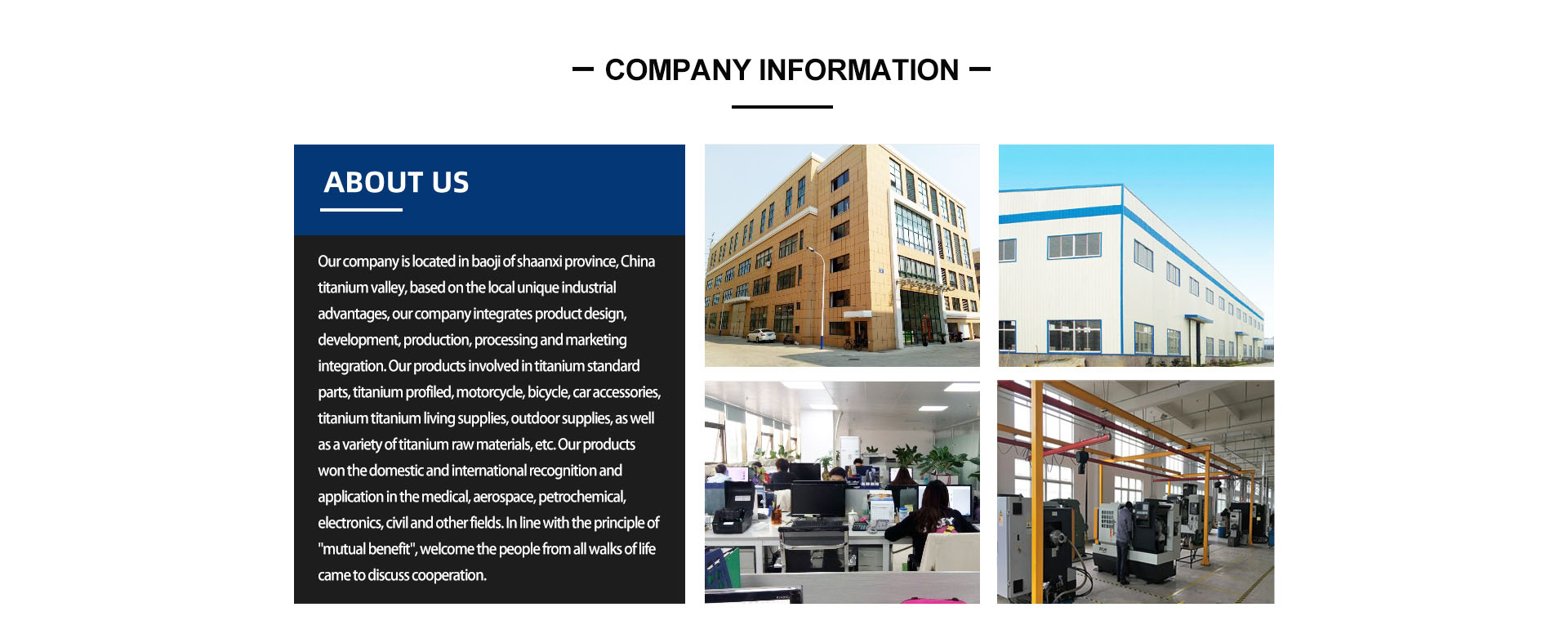
Verqo Titanium Products Co., Ltd. is strategically situated in Baoji, Shaanxi Province—widely recognized as "China’s Titanium Valley." This geographic cluster accounts for over 60% of domestic titanium smelting, rod extrusion, and metallurgical characterization, providing our factory with unfettered access to premium Grade 5 (Ti-6Al-4V), Grade 9 (Ti-3Al-2.5V), and aerospace-spec Ti-6Al-4V ELI (ASTM F136).
- Direct Raw Material Traceability: Every batch is supplied with certified EN 10204 3.1 chemical inspection certificates and physical elongation test records.
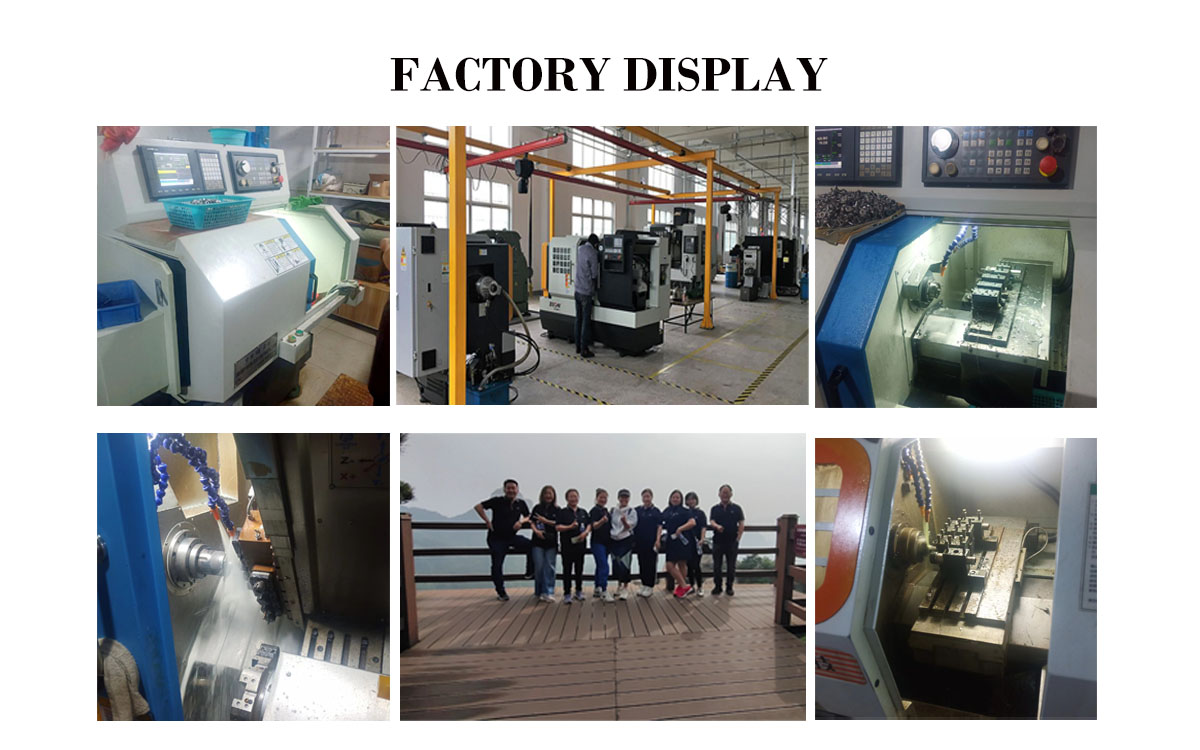
- Swiss-Type Multi-Axis CNC Turning: Precision turning down to ±0.005 mm tolerances for custom flanged hex heads, lightening dished recesses, and lock-wire holes.
- High-Speed Multi-Die Cold Headers: Mass production capability for DIN 933, DIN 931, DIN 6921, and ISO 4014 standard hex bolts with short cycle times.

Zero-Defect Metrology & Thread Profile Verification
Precision aerospace fasteners and competitive racing hardware must not fail. At Verqo, our QA protocol begins prior to machine spindle ignition. Raw Ti bars undergo ultrasonic flaw detection to ensure no internal voids, micro-segregation, or inclusions are present in the rod core.
- Automated Optical Sorter (AOI): 100% optical sorting for dimensions, thread pitch integrity, and head concentricity at speeds exceeding 300 parts/min.
- Torque Clamping Proof Testing: Simulated torque destruction testing on high-tensile calibrated test jigs up to 200% of nominal OEM specification.
- Thread Go/No-Go Gauge Testing: Strict verification to Class 6g metric and 2A/3A unified national thread classes.
Full-Series Titanium Matrix
From standard M2 RC drone micro-screws up to M26 heavy-duty motorsport axle hub bolts, oil drain plugs, and stud conversion kits.

Advanced Surface Treatments
In-house Type II electrochemical anodizing (Gold, Burnt Blue, Violet, Green) and physical vapor deposition (PVD DLC Black, Rainbow Oil-Slick, TiN Gold).
Export-Ready Protective Packing
Individual compartmentalized blister trays, thread protective sleeves, and anti-static vacuum packs engineered to eliminate transit thread collision.
Future Sourcing & Procurement Trends (2025–2030)
Strategic forecast for industrial supply chain directors, automotive OEM purchasing agents, and racing parts distributors seeking resilient, cost-effective titanium fastener partnerships.
1. Transition from Raw Machining to Near-Net Cold Forging
Traditional titanium machining incurs high buy-to-fly ratios, generating up to 65% scrap in chip waste. Forward-thinking global buyers are partnering with factories equipped with multi-station cold heading presses. By pre-heading the hex profile before CNC finishing, material utilization rises above 85%, driving down unit costs while improving shear resistance at the bolt head flange.
2. Rapid Penetration into Electric Mobility & eVTOL Aircraft
With electric supercars, performance e-motorcycles (e.g., Surron, Talaria, Stark Varg), and electric vertical takeoff aircraft (eVTOL) prioritizing battery mass compensation, titanium hex bolts are replacing steel in unsprung suspension hubs, battery enclosures, and inverter mounting points to shed dead weight without compromising mechanical yield safety.
3. Shift Toward Sustainable, Non-Toxic PVD Hard Coatings
Environmental standards (EU RoHS, REACH) are phasing out traditional chemical chromating and cadmium plating. Physical Vapor Deposition (PVD) has emerged as the premier green technology. PVD imparts a 2–4 μm layer of titanium carbo-nitride (TiCN) or diamond-like carbon (DLC), yielding micro-hardness levels up to 3000 HV while ensuring zero hazardous toxic runoff.
4. Demand for End-to-End Lot Traceability & Digital Mill Certs
Procurement directors are mitigating liability by demanding full material chain-of-custody documentation. Every batch of Verqo titanium bolts is linked directly to ingot melt chemistry via heat number tracking, assuring compliance with ASTM B348, AMS 4928, and ISO 3506-1 standards for mission-critical assemblies.
Need Custom Titanium Hex Bolts Built to Your CAD Drawing?
Send your STEP, IGES, or PDF specifications. Our engineering division will review tolerances, evaluate thread rolling toolpaths, and return a comprehensive quotation with DFM recommendations within 2 hours.
Frequently Asked Questions on Sourcing Titanium Hex Bolts
Clear, engineering-backed answers addressing the most common technical questions, design considerations, and logistical concerns encountered by international procurement managers.
What is the key functional difference between Grade 5 (Ti-6Al-4V) and Grade 2 for hex bolts?
Grade 2 is commercially pure (CP) titanium with an unalloyed alpha crystal structure. While it exhibits good chemical corrosion resistance, its yield strength is modest (approx. 275 MPa), making it suitable only for cosmetic brackets and fairing trim. Grade 5 (Ti-6Al-4V) is an alpha-beta alloy featuring 6% aluminum and 4% vanadium, which increases tensile strength beyond 895–1,000 MPa and yield strength past 828 MPa. Grade 5 is mandatory for any structural, load-bearing hex bolt application, including brake disc rotors, suspension linkages, and engine mounts.
How does thread rolling compare to CNC cut threading on titanium hex bolts?
CNC single-point threading physically slices through the metallurgical grain structure of the titanium rod, creating micro-notches at thread roots that act as stress concentrators under cyclic vibration. Thread rolling is a chipless cold-forming process that displaces the titanium between high-precision rotating cylindrical dies. This plastically deforms the alloy, yielding continuous grain lines along the thread crests and roots, burnishing the surface to an Ra < 0.4 μm finish, work-hardening the root radius, and boosting fatigue resistance by up to 30%.
How do you prevent thread galling (seizing) when torquing titanium hex fasteners?
Titanium readily forms an oxide skin that can experience cold micro-welding when dry-threaded into mating titanium, stainless steel, or aluminum threads under high clamping forces. To prevent galling, we recommend applying an anti-seize compound containing molybdenum disulfide (MoS₂), nickel-based assembly paste, or copper-free anti-friction grease. Additionally, our factory can apply anti-galling PVD coatings or specialized micro-arc oxidation treatments that produce a hard, self-lubricating barrier across the thread profile.
Does titanium cause galvanic corrosion when paired with carbon fiber or aluminum?
Titanium is close to carbon fiber in the galvanic potential series (both are noble/cathodic), making titanium hex bolts the industry standard for securing carbon fiber composite panels without the severe galvanic degradation caused by standard carbon steel or aluminum fasteners. When installing into 6061-T6 or 7075-T6 aluminum in marine or salt-spray environments, we advise using an insulating barrier such as an anodized titanium washer, cadmium-free zinc-nickel sacrificial washers, or non-conductive paste to prevent galvanic corrosion of the aluminum component.
What are your factory Minimum Order Quantities (MOQ) and sample lead times?
For standard stocked items (e.g., standard DIN 933 / DIN 6921 M6, M8, and M10 flange hex bolts in natural or anodized finishes), our MOQ is flexible, starting from just 10 to 50 pieces for distributor inventory sampling. For custom OEM/ODM fasteners built to customer drawings, MOQ typically ranges between 100 and 500 pieces depending on bar stock diameter, custom tooling requirements, and surface finish. Rapid prototypes can be machined and dispatched via DHL/FedEx within 5 to 7 working days.
Can you manufacture non-standard threads such as fine-pitch metric or UNC/UNF?
Yes. In addition to standard coarse metric pitches (M6×1.0, M8×1.25, M10×1.5), our CNC thread rolling machinery handles fine and ultra-fine pitches including M10×1.0, M10×1.25, M12×1.25, M12×1.5, and M14×1.5—vital for automotive wheel hub conversions and motorcycle brake caliper banjo fittings. We also manufacture standard Unified National Coarse (UNC) and Unified National Fine (UNF) racing hardware (1/4"-20, 5/16"-18, 3/8"-24, etc.) for sprint and midget racing chassis builders.
Partner with an Established Titanium Fastener Factory
Whether you are consolidating tier-2 fastener supply chains, upgrading track racing components, or developing high-tolerance aerospace hardware, Verqo delivers factory-direct consistency from China's Titanium Valley.