GR5 Ti-6Al-4V
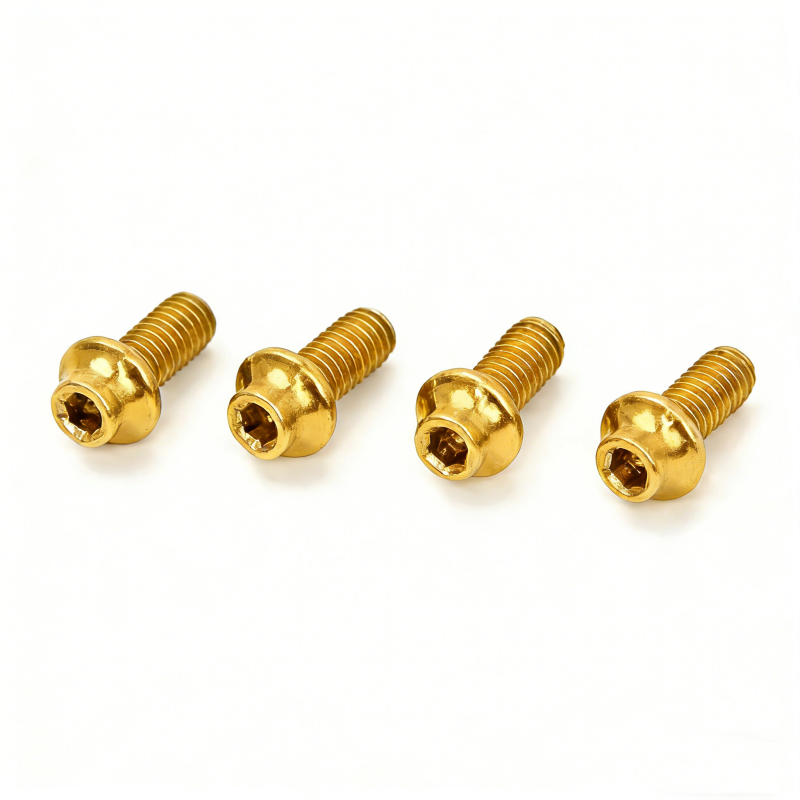
As a specialized supplier of precision Grade 5 (Ti-6Al-4V) components, our production matrix ranges from custom pocket pry bars and tactical levers to high-stress fastener solutions utilized across aerospace, automotive, motorcycle, and robotics assemblies.
Prying, wedging, lifting, and scraping require a delicate equilibrium between tensile yield strength, elastic deformation memory, and fracture toughness. Selecting the right alloy avoids brittle failure or permanent bending.
Unlike standard fasteners subjected primarily to static clamp loads or shear stress, a titanium pry bar experiences severe localized flexural bending moments along its cantilever beam profile. When industrial procurement specialists and military gear developers choose Verqo as their designated manufacturer, our metallurgical analysis starts at the crystal lattice level.
Commercially pure titanium (Grade 1 and Grade 2) exhibits inadequate yield strength (yielding at roughly 275 MPa to 345 MPa), which results in premature plastic deformation when prying open crates, doors, or heavy machinery housings. Conversely, Aerospace-Grade Ti-6Al-4V (Grade 5) incorporates 6% aluminum to stabilize the alpha phase and 4% vanadium to stabilize the ductile beta phase. This dual-phase microstructure yields an extraordinary tensile yield strength exceeding 828 MPa with an ultimate tensile strength reaching 895–1000 MPa.
Additionally, in hazardous explosive environments such as oil and gas refineries, marine fuel tanks, and explosive ordnance disposal (EOD) units, titanium pry bars are intrinsically non-sparking and non-magnetic. This safety parameter renders them vastly superior to hardened D2, 1095, or stainless steels that pose spark-ignition hazards upon abrupt impact against ferrous structures.
| Mechanical Metric | GR5 (Ti-6Al-4V) | GR2 (CP Titanium) | D2 Tool Steel |
|---|---|---|---|
| Density (g/cm³) | 4.43 | 4.51 | 7.70 |
| Tensile Strength (MPa) | ≥ 895 | ≥ 345 | ≥ 1,600 |
| Yield Strength (MPa) | ≥ 828 | ≥ 275 | ≥ 1,380 |
| Young's Modulus (GPa) | 110 – 114 | 103 – 105 | 205 – 210 |
| Corrosion Resistance | Immune to Salt/Acids | Immune | Moderate / Rust Prone |
| Spark Hazard Profile | Non-Sparking | Non-Sparking | High Spark Risk |
| Magnetic Permeability | μ ≈ 1.00005 (Non-Mag) | Non-Magnetic | Ferromagnetic |
Headquartered in Baoji, Shaanxi Province—the undisputed global hub of titanium extraction and metallurgical processing—Verqo Titanium Products Co., Ltd. delivers direct factory value, raw material certifiability, and agile OEM/ODM customization.
We procure vacuum arc remelted (VAR) titanium directly from prime domestic smelting bases. Every production billet is backed by rigorous Mill Test Certificates (MTC) matching ASTM B348, AMS 4928, or ISO standards, verifying zero interstitial voids or inclusions.
Our 1,000–2,000 m² production workshop houses cutting-edge CNC machining centers, precision wire electrical discharge machining (EDM), centerless grinding, and multi-axis turning, holding micro-tolerances within ±0.01 mm across complex lever bevels and nail pullers.
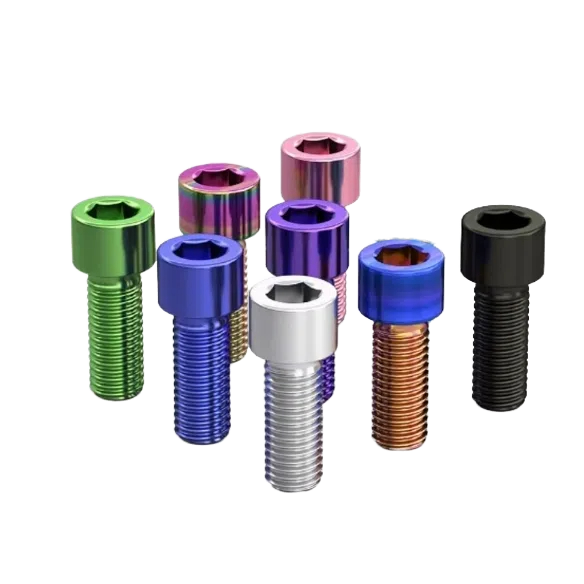
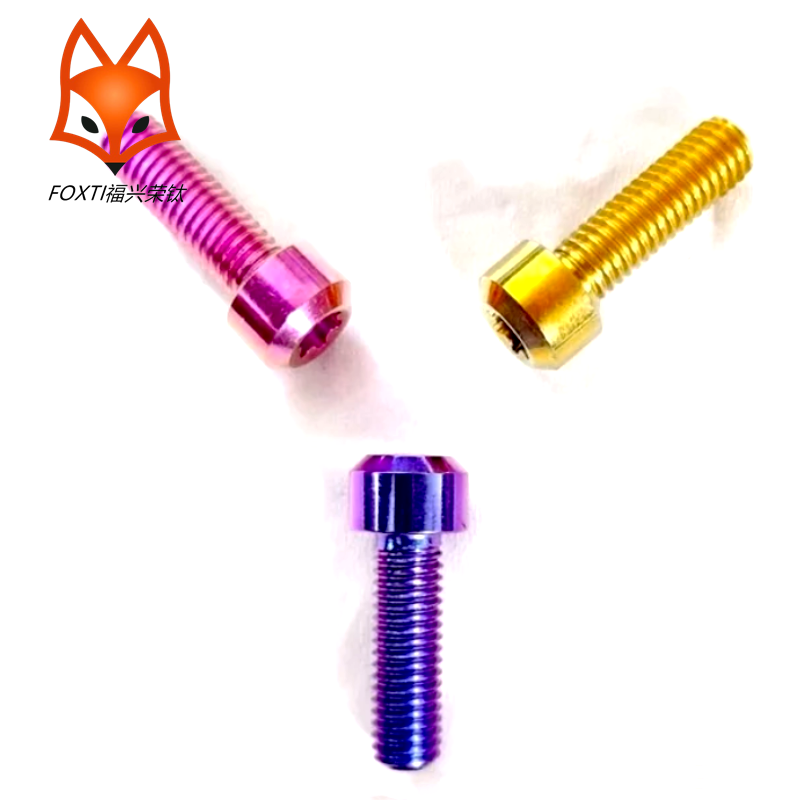
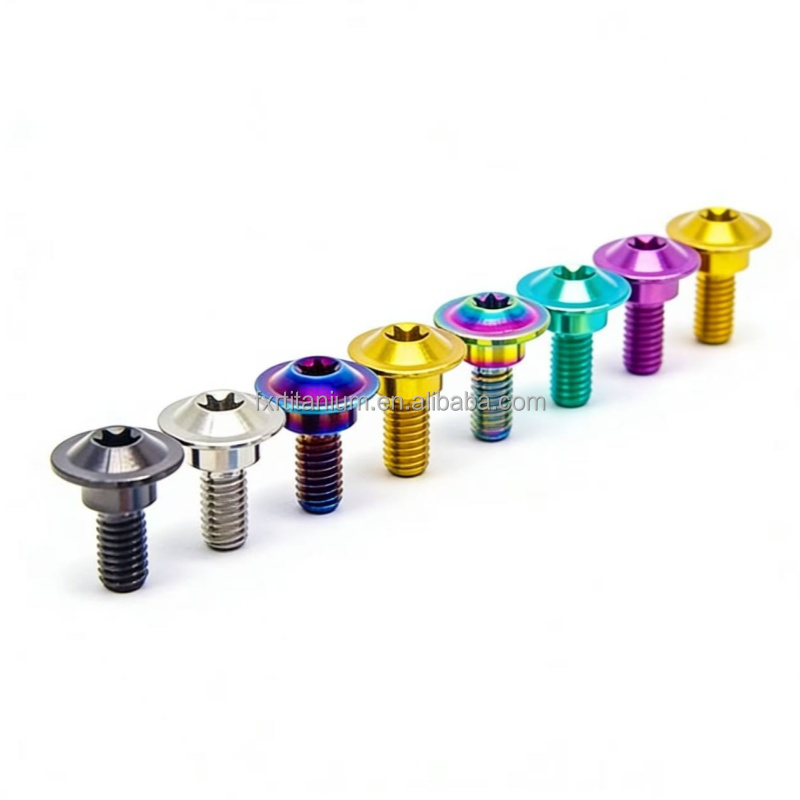
We offer turnkey in-house surface treatments: Type II/Type III protective anodizing, micro-arc oxidation, heavy stone tumbling for rugged tactical finishes, and advanced PVD vacuum coating delivering diamond-like hardness (DLC), burnt blue, oil-slick rainbow, and rich titanium gold.
Understanding the rapid evolution of consumer outdoor gear and specialized tactical brands, our flexible minimum order quantities start from as low as 20 to 50 pieces for prototypes or standard runs, scaling up to 100,000+ units for tier-1 distributors with rapid turnarounds.
Every production run passes 100% optical measurement, digital hardness benchmarking (HRC), Go/No-Go thread gauging for multi-functional integrated pry drivers, and spectral chemical analysis to guarantee exact alloy compliance before custom packaging and export.
From napkin sketch or 3D CAD (.STEP / .IGES) to sample delivery within 7 to 10 days. Our engineering team assists with stress-relief radius optimization, pocket clip tension calculations, and integrated bottle opener / metric wrench leverage ratios.
As consumer demand for high-end everyday carry (EDC) merges with stringent industrial occupational safety regulations, strategic procurement managers are adapting to major technological shifts.
Standalone single-purpose pry levers are being rapidly replaced by multi-functional platforms. B2B buyers now request integrated 1/4" hex bit neodymium magnet holders, emergency glass breakers fitted with tungsten carbide balls, tritium vial slots for low-light identification, oxygen wrench cutouts, and ergonomic Jimping grips. The manufacturing challenge lies in preserving structural beam integrity despite multiple functional cutouts.
While decorative anodization remains popular for consumer EDC retail, aerospace and naval defense procurers are transitioning toward industrial Diamond-Like Carbon (DLC) and Ceramic Micro-Arc Oxidation. These plasma-assisted chemical conversions dramatically increase surface hardness to over 2500 Vickers (HV), effectively solving titanium's classic vulnerability: edge-galling and surface abrasion during metal-on-metal prying.
The next five years will see selective laser melting (SLM) 3D titanium printing applied to interior internal lattice structures. By producing hollow-core, honeycomb-reinforced titanium pry bars finished on 5-axis CNC machining centers, manufacturers can achieve a further 30% reduction in weight while increasing torsional rigidity—a critical requirement for tactical operators and ultralight rescue crews.
Industrial maintenance, repair, and overhaul (MRO) in semiconductor fabrication plants and offshore LNG terminals are phasing out bulky bronze and beryllium copper non-sparking pry tools due to toxicity and weight concerns. Certified titanium Grade 5 tools are stepping in as the lighter, non-toxic, non-magnetic alternative meeting ATEX Zone 0/20 spark-free explosion safety mandates.
Enterprise environmental, social, and governance (ESG) standards are influencing global hardware purchasing contracts. Forward-thinking procurement officers prioritize suppliers in Baoji capable of documenting ISO 14001 compliance, clean power consumption, and closed-loop swarf briquetting where CNC titanium chips are vacuum-melted back into industrial-grade feedstock without ecological leakage.
Inventory holding costs and rapid product design lifecycles are deterring buyers from warehousing massive quantities. Top suppliers are structuring dedicated CNC short-run cells that permit flexible blanket orders with scheduled monthly drop-shipments, minimizing risk while maintaining unit price economies of scale through pre-milled master billets.
From initial digital prototyping to global customs export, our turnkey OEM process ensures predictable lead times, transparent communications, and exacting mechanical tolerances.
Submit 3D models or sketches. Our engineers analyze leverage physics, draft angles, and tool clearance within 24 hours.
Select certified GR5 Ti-6Al-4V alloy bars with verified ultrasonic testing for structural integrity.
High-speed milling of ergonomic contours, pry tip wedge bevels, clip grooves, and skeletonized grip holes.
Stone-washing, micro-blasting, anodization, laser engraving, or PVD vacuum coating to your brand's finish specs.
CMM dimensional verification, protective foam packaging, batch inspection reports, and express global logistics.
Find answers to the most common technical, logistical, and commercial inquiries encountered by product managers and procurement leads when sourcing titanium pry tools and CNC parts.
Grade 2 is commercially pure (CP) titanium with a yield strength of roughly 275 MPa, meaning it will deform or bend permanently when subjected to moderate leverage force. Grade 5 is an alpha-beta alloy containing 6% aluminum and 4% vanadium, delivering a yield strength exceeding 828 MPa. This enables the pry bar to endure intense flexural stress, wedging, and heavy prying loads without structural deformation.
Yes, provided the tool is engineered with a continuous grain orientation and appropriate striking radius. While titanium has a lower surface hardness compared to through-hardened tool steels (typically ~36 HRC for annealed GR5 vs ~60 HRC for D2 steel), its exceptional fracture toughness prevents shattering under impact. For heavy chisel use, we recommend our specialized heat-treated, cold-worked titanium grades or custom tungsten carbide strike insert caps.
For fully bespoke OEM designs requiring custom tooling setups, our prototype run MOQ is typically 50 to 100 units. For off-the-shelf standard geometries or modifications to existing Verqo dies (such as custom laser engraving, unique pocket clips, or custom anodized color palettes), we accommodate trial orders starting at 20 units to support agile market testing.
Titanium anodization is an electrochemical interference oxide layer, not an applied paint or pigment. While vibrant (bronze, purple, blue, gold, green), thin decorative oxide films can show micro-scratching under direct metal-to-metal abrasion. For severe outdoor, rescue, or tactical use, we recommend heavy stonewashed finishes, bead-blasting, or physical vapor deposition (PVD) titanium nitride/DLC coatings, which provide superior Rockwell scratch resistance.
Titanium alloys are classified as non-ferrous and non-sparking in conventional mechanical impact environments, making them suitable for many ATEX regulated applications where steel would present an incendiary spark hazard. However, like all advanced metals, prying against high-friction abrasive wheels or certain crystalline surfaces requires adherence to standard job safety analyses (JSA). Contact our engineering group for specific ATEX and hazardous environment documentation.
Standard prototype turnaround from finalized CAD sign-off is approximately 7 to 10 working days. Full mass-production runs of 500 to 5,000 units are completed within 18 to 25 calendar days. We support flexible international trade incoterms including FOB Shanghai/Tianjin, CIF, DDP direct to your domestic fulfillment warehouse, utilizing expedited air express (DHL/FedEx/UPS) or ocean freight.
Collaborate directly with senior CNC mechanical engineers in Baoji's Titanium Valley. Receive rapid Design-for-Manufacturability (DFM) feedback, complete material certifications, and competitive factory-direct wholesale pricing within 2 hours.