High-Performance Racing Hardware Solutions
Explore our race-proven series engineered for high-torque stress, dynamic shear loads, and thermal endurance across superbikes, motocross rigs, electric race karts, and touring cars.
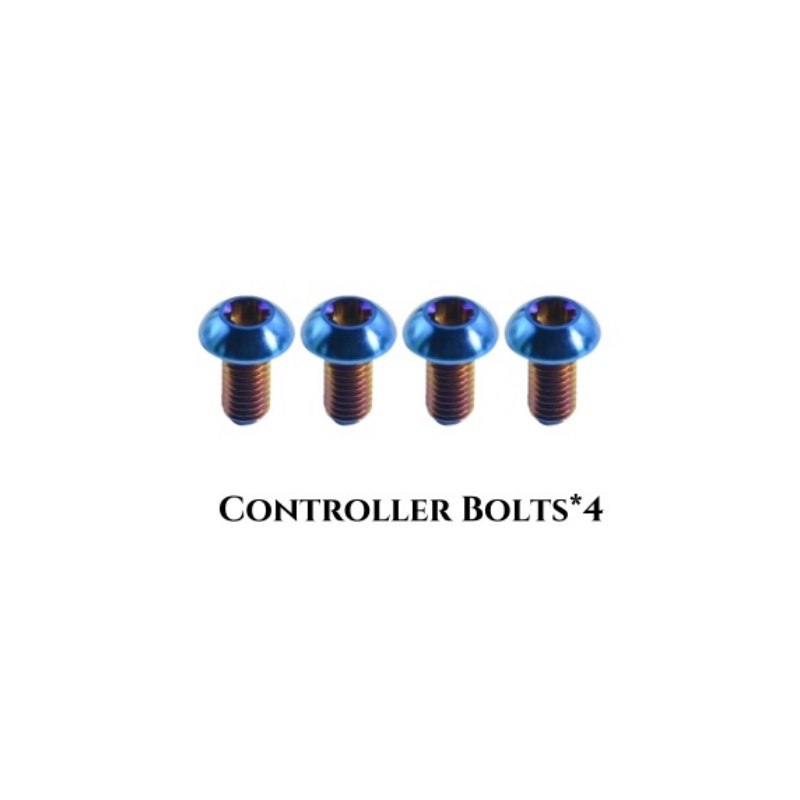
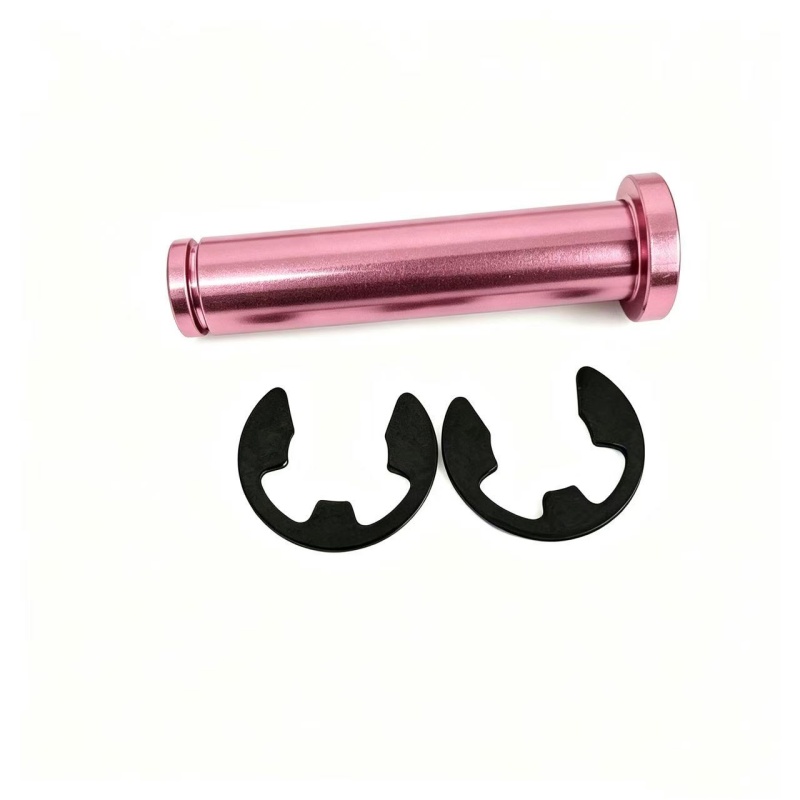
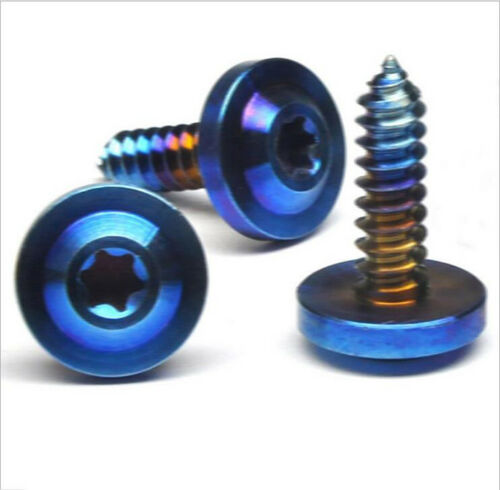
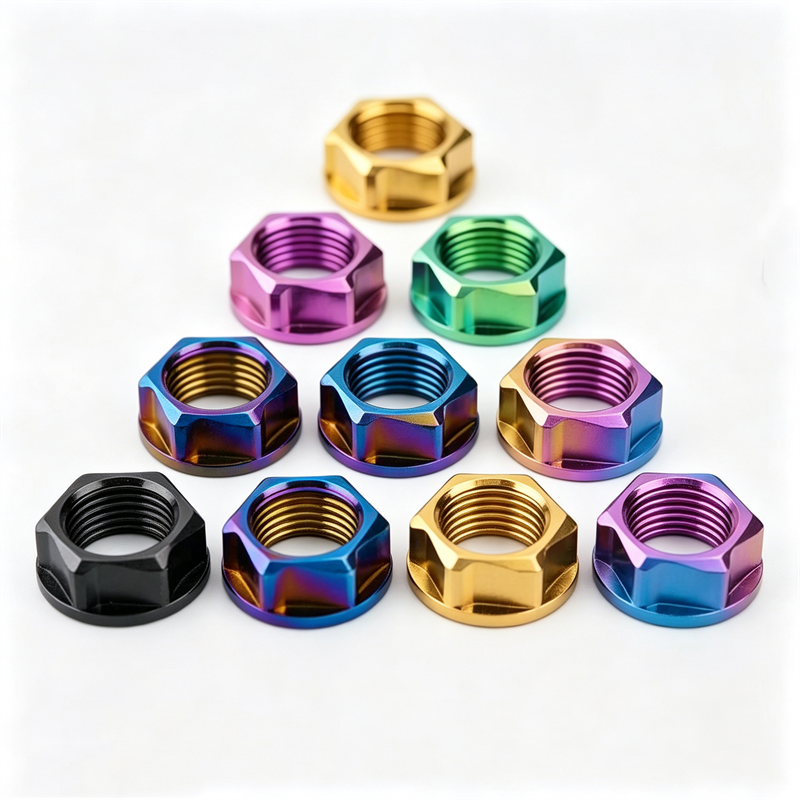
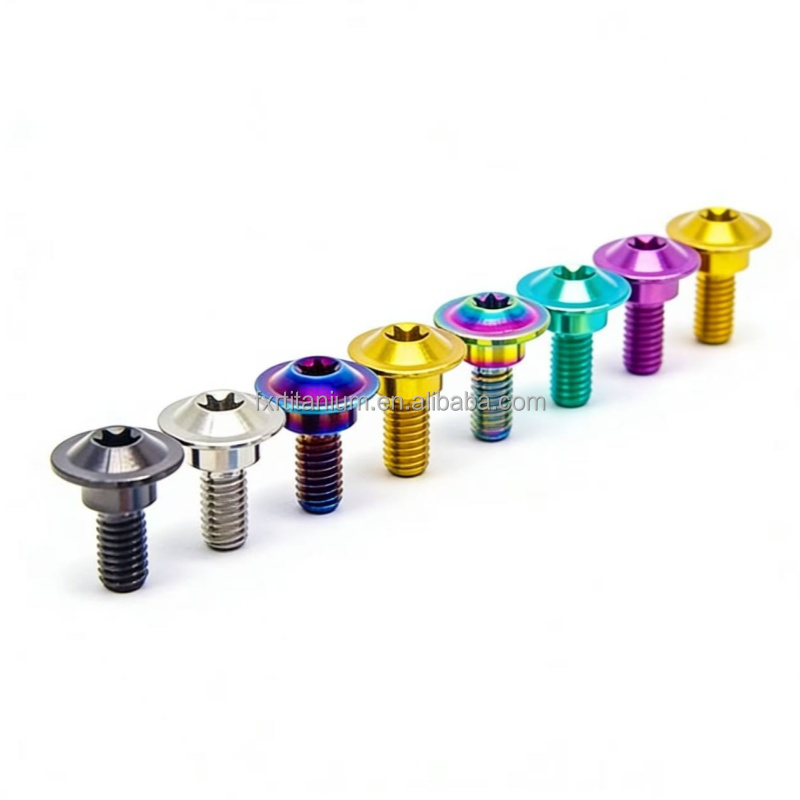
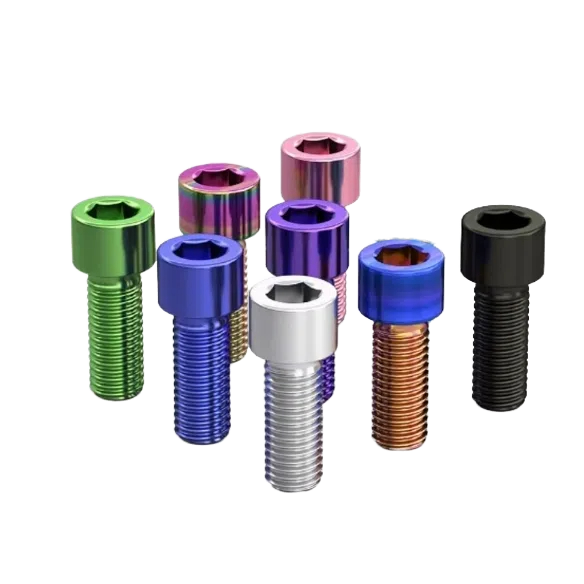
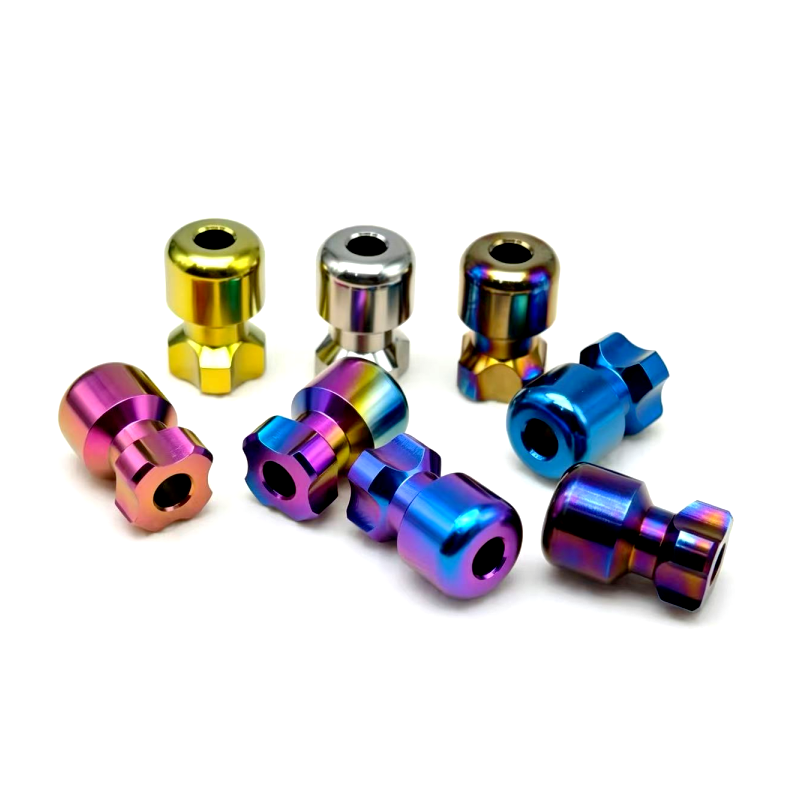
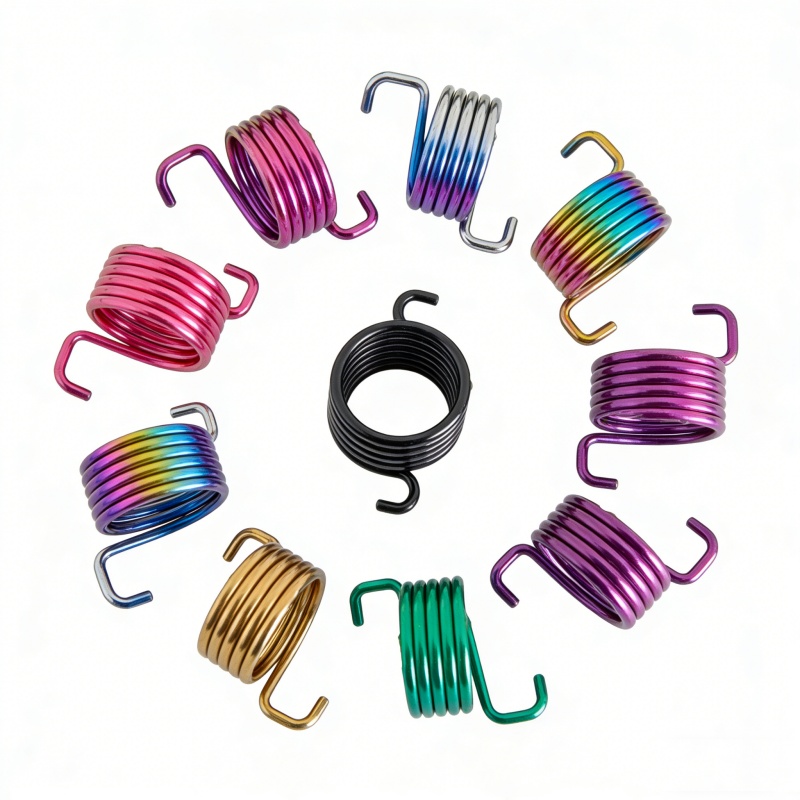
High-Torque Fastener Mechanics: Why Ti-6Al-4V Grade 5 Governs Professional Motorsport
In high-intensity motorsports—ranging from Formula 1, MotoGP, and Dakar Rally to AMA Supercross—hardware failure is not a component setback; it is an immediate catastrophic hazard. Unsprung rotating mass at the wheel hubs, high-temperature thermal cycling across exhaust manifolds, and high-frequency vibrational harmonics within suspension wishbones demand fasteners that surpass commercial metric class 8.8 or 10.9 steel without carrying a weight penalty. As a premier Chinese manufacturer anchored in Baoji's global titanium metallurgy hub, Verqo Titanium engineers structural fasteners utilizing virgin Ti-6Al-4V (Grade 5, UNS R56400, Werkstoff 3.7165) conforming strictly to ASTM B348, AMS 4928, and ISO 5832-3 standards.
Quantitative Metallurgical Performance Comparison
Procurement directors and chassis development engineers must balance tensile loading, notch sensitivity, fatigue threshold, and galvanic passivation when specifying racing hardware. Below is the empirical performance baseline comparing aerospace-grade titanium against conventional structural alloys:
| Mechanical / Physical Property | Verqo GR5 (Ti-6Al-4V) | Commercially Pure (GR2 Ti) | High-Tensile Steel (Class 10.9) | Billet Aluminum (7075-T6) |
|---|---|---|---|---|
| Density (ρ) | 4.43 g/cm³ | 4.51 g/cm³ | 7.85 g/cm³ | 2.81 g/cm³ |
| Tensile Strength (Yield Rp0.2) | ≥ 828 - 920 MPa | ≥ 275 MPa | ≥ 940 MPa | ≥ 505 MPa |
| Tensile Strength (Ultimate Rm) | ≥ 895 - 1050 MPa | ≥ 345 MPa | ≥ 1040 MPa | ≥ 570 MPa |
| Specific Strength (Rm / ρ) | 214 kN·m/kg (Superior) | 76 kN·m/kg | 132 kN·m/kg | 202 kN·m/kg |
| Modulus of Elasticity (E) | 114 GPa (Flex Absorbing) | 105 GPa | 210 GPa (Rigid/Brittle) | 72 GPa |
| Fatigue Limit (107 Cycles, S-N) | 510 MPa (High Endurance) | 180 MPa | 480 MPa | 160 MPa (Stress Prone) |
| Maximum Service Temp. | 400°C (Continuous) | 200°C | 300°C (Oxidizes) | 120°C (Anneals Out) |
| Corrosion & Chloride Immunity | Passive TiO2 Film (Total) | Complete | Severe Rust / Needs Plating | Prone to Pitting & Salt Creep |
Combating Thread Galling in High-Torque Race Environments
A recurring engineering hurdle in titanium fastener integration is adhesive wear, colloquially referred to as "thread galling." Under aggressive torque loading, dry friction between matching titanium or titanium-to-aluminum threads can cause micro-welding along the helical pitch lines, culminating in fastener seizure or stripped root radii. Verqo neutralizes galling vulnerabilities through a tri-fold production methodology:
1. Cold-Rolled UNJ / Metric Thread Radii: Unlike rudimentary machining facilities that turn fastener threads using single-point CNC cutting inserts (which cleave the metallic grain boundary and create stress-concentrating micro-tears), Verqo employs multi-ton thread rolling dies. Cold rolling continuously compresses the alpha-beta grain structures along the root contour, yielding an exceptionally smooth surface finish (≤ Ra 0.4 μm) and boosting cyclical fatigue life by more than 35%.
2. Advanced Physical Vapor Deposition (PVD) Coatings: We deposit micron-thin Diamond-Like Carbon (DLC), Titanium Nitride (TiN), and Titanium Aluminum Nitride (TiAlN) coatings in our vacuum reaction chambers. These ceramic-metallic layers provide a diamond-dense Vickers micro-hardness exceeding 2,500 HV and slash dry friction coefficients down to 0.12, providing exceptional anti-galling protection even during repetitive pit-lane wheel changes.
3. Calibrated Friction Coeff & Torque Derating Standards: We provide detailed torque conversion sheets with our M5 to M26 fasteners. Because Grade 5 titanium exhibits a 114 GPa elasticity modulus (roughly half that of high-tensile steel), titanium bolts elongate elastically under tension, acting like high-rate miniature tension springs that preserve clamp preload despite heavy chassis deflection, chassis warping, and high engine vibration.
Baoji Titanium Valley Hub
Direct supply-chain proximity to virgin sponge titanium melting furnaces, ensuring verified vacuum-arc remelted (VAR) billet provenance with comprehensive EN 10204 3.1 mill test certificates.
Rapid B2B Engineering Response
Our dedicated technical sales engineers review CAD models, 2D prints, and custom fastener requirements within an average turnaround time of ≤ 2 hours, accelerating R&D sprint cycles.
Multi-Axis CNC Capabilities
Equipped with 1,001–2,000 m² of cutting-edge multi-axis Swiss turn-mill centers and high-speed cold-forging presses, supporting custom runs from 10 prototyping units up to 100,000+ export shipments.
Future Procurement Trends: The 2025–2030 Fastener Industry Landscape
The global motorsport, hypercar, and performance electric vehicle (EV) fastener market is undergoing its most profound structural shift in twenty years. Procurement directors and supply chain managers are shifting away from general distributor inventories in favor of direct manufacturer alliances. Based on ongoing customer engagements across North America, the UK, Germany, Japan, and Australia, we identify four macro trends dominating the market horizon:
E-Mobility Weight Reduction
The explosive rise of high-power electric motorcycles (e.g., Surron, Talaria, Stark Varg) and electric hypercars demands radical chassis mass reduction. Because heavy lithium-ion battery modules add significant vehicle weight, race engineers are swapping standard chassis fasteners for Grade 5 Titanium to recapture power-to-weight ratios and improve cornering turn-in agility.
Strict Traceability Mandates
Sanctioning bodies including the FIA, FIM, and SFI now enforce rigorous alloy verification to prevent catastrophic failures caused by brittle, counterfeit scrap-melt fasteners. Verqo safeguards tier-1 race builders with optical spectrometer chemical tracking, micro-lot heat lot traceability, and digital documentation on every production batch.
Functional PVD & DLC Deposition
Aesthetic anodization is increasingly replaced by functional, hard-film vacuum vapor deposition. High-wear parts—such as brake caliper pad retention pins, wheel studs, and engine valve spring retainers—now require functional low-friction coatings like PVD Carbon Black, Burnt Titanium, and TiAlN to withstand sustained 400°C brake and exhaust conditions.
Architectural Evolution: From Basic Turning to Warm-Forged Rolled Geometries
Fastener manufacturing is evolving beyond traditional single-point turning. Purely turned bolts suffer from severed longitudinal grain boundaries at the junction between bolt head and shank. Modern racing architectures prioritize warm multi-station header forging, where Grade 5 wire is heated to 650°C–750°C under an inert gas shield and upset in precision dies.
This hot/warm-heading technique aligns the continuous metallurgical grain flow through the bolt head transition radius, virtually eliminating head-shearing failures under sudden shear spikes. Coupled with cold-rolled threads and CNC dish-faced lightening pockets, these bolts offer maximum structural integrity with minimum weight, making them the benchmark for professional racing assemblies worldwide.
Engineering Competencies & Export Infrastructure
Verqo Titanium delivers complete end-to-end manufacturing oversight from raw Baoji ingot melting to global air and sea distribution.
100% Certified Alloy Feedstock
We source certified Ti-6Al-4V titanium rod exclusively from premium Baoji mills, verifying yield strength, elongation, and chemical purity prior to CNC release.
Tight Tolerance Machining
Our Swiss multi-axis lathes maintain linear tolerances within ±0.01 mm, delivering precision thread class 4h/6g fits that seat securely into aftermarket billet uprights.
Full In-House Finishing
From micro-bead blasting and high-luster diamond polishing to Type II electrochemical anodizing and PVD vacuum coating, all finishing processes are completed in-house under strict quality controls.
Flexible B2B Custom MOQ
We support tier-1 race development with prototype runs from as low as 10 to 50 pieces, scaling seamlessly into annual fleet production runs of 100,000+ units.
Frequently Asked Technical Sourcing Questions
Key metallurgical and logistics questions answered by our engineering team to help simplify your titanium hardware procurement process.
Why must Grade 5 (Ti-6Al-4V) be specified instead of Commercial Pure (Grade 2) for motorsport hardware?
Grade 2 Commercially Pure (CP) titanium lacks the alloying additions of 6% aluminum and 4% vanadium, resulting in an ultimate tensile yield of only ~345 MPa—comparable to mild low-carbon steel. Grade 5 (Ti-6Al-4V) undergoes precision precipitation heat treating to achieve a tensile strength exceeding 895–1,050 MPa with a yield limit of ≥ 828 MPa. Using Grade 2 in load-critical applications like suspension linkages, brake rotors, or steering knuckles risks immediate plastic deformation, thread stretching, and catastrophic shearing under high dynamic g-loads.
What thread manufacturing standard does Verqo utilize: single-point cutting or cold rolling?
For all structural and load-critical fasteners, Verqo exclusively utilizes continuous cold thread rolling via high-tonnage cylindrical and flat rolling dies conforming to UNJ and ISO 5855 aerospace radius root standards. Cold rolling compresses the crystalline structure along the pitch line without shearing the metal grains, boosting fatigue endurance limits by 30% to 40% and eliminating the microscopic root notches that cause fatigue cracks during dynamic vibration. Single-point CNC threading is reserved solely for non-load-bearing trim screws or low-volume custom fittings.
How should racing teams compensate torque values when installing titanium fasteners in place of steel?
Because titanium possesses an elastic modulus of approximately 114 GPa compared to 210 GPa for structural carbon steel, its elastic elongation per unit of preload tension is roughly double. Additionally, the friction coefficient between dry titanium and matching internal threads differs from that of steel. We advise applying a high-pressure titanium anti-seize paste (such as copper-flake or molybdenum disulfide) and tightening fasteners to 80% to 85% of standard OEM dry steel torque specs. This compensates for reduced thread friction and guarantees accurate bolt stretch and joint clamp force.
What is the functional difference between anodic coloring and PVD vacuum coating?
Anodizing is an electrolytic oxidation process that alters the refractive thickness of the natural surface TiO2 film, creating brilliant visual colors (gold, blue, purple, green, and burnt effects). While it provides reliable corrosion resistance, it adds no meaningful surface hardness. PVD (Physical Vapor Deposition) takes place inside high-vacuum plasma chambers, depositing thin, hard ceramic films such as Titanium Nitride (TiN) or Diamond-Like Carbon (DLC). PVD finishes provide exceptional surface hardness (≥ 2,500 Vickers HV), superior abrasion resistance, and very low friction coefficients, making them ideal for high-wear sliding surfaces.
Can Verqo manufacture custom fasteners directly from proprietary engineering drawings or physical samples?
Yes. Over 60% of our production volume covers bespoke OEM and ODM engineering projects. We accept CAD models in STEP, IGES, SLDPRT, and 2D PDF formats with complete GD&T specifications. If a drawing is unavailable, our metrology lab can reverse-engineer physical benchmark samples using optical comparators, CMMs, and digital profilometers to generate full manufacturing blueprints. Sample prototypes are typically completed and ready for testing within 7 to 12 working days.
What documentation and export quality assurances accompany international shipments?
Every export consignment leaves our Baoji facility with comprehensive quality paperwork, including certified EN 10204 Type 3.1 Material Test Reports (MTRs) documenting melt chemistry and tensile yield, optical dimensional inspection reports, and micro-hardness test records. All shipments are individually poly-bagged or securely packaged in slotted trays with foam protection to prevent thread impact damage during air and ocean transport.