Suspension Coil
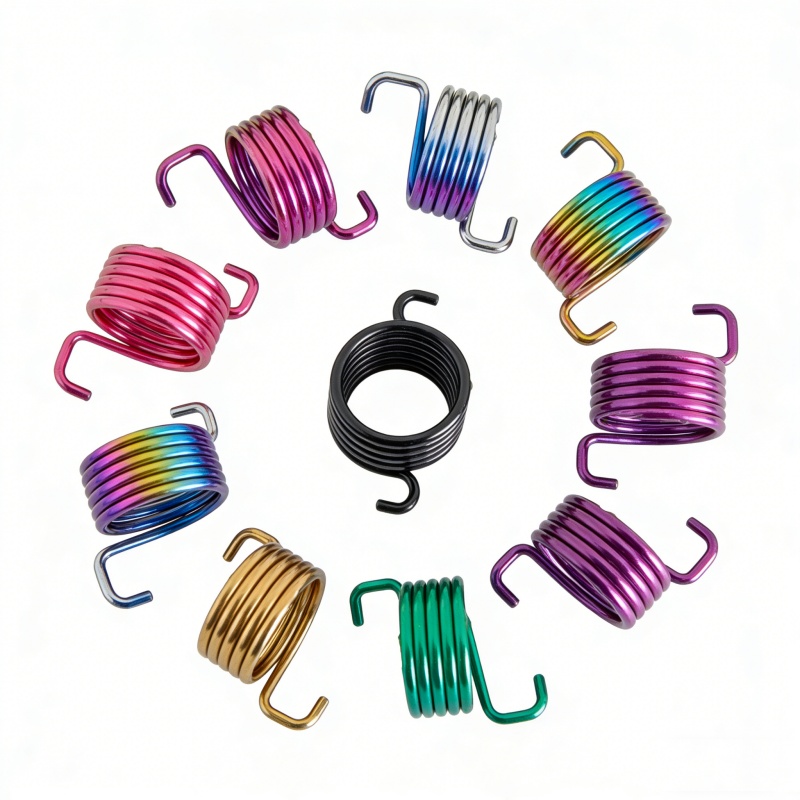
Explore our certified Grade 5 (Ti-6Al-4V) components designed to withstand intense cyclic vibration, extreme impact shear stress, and unsprung suspension damping demands.
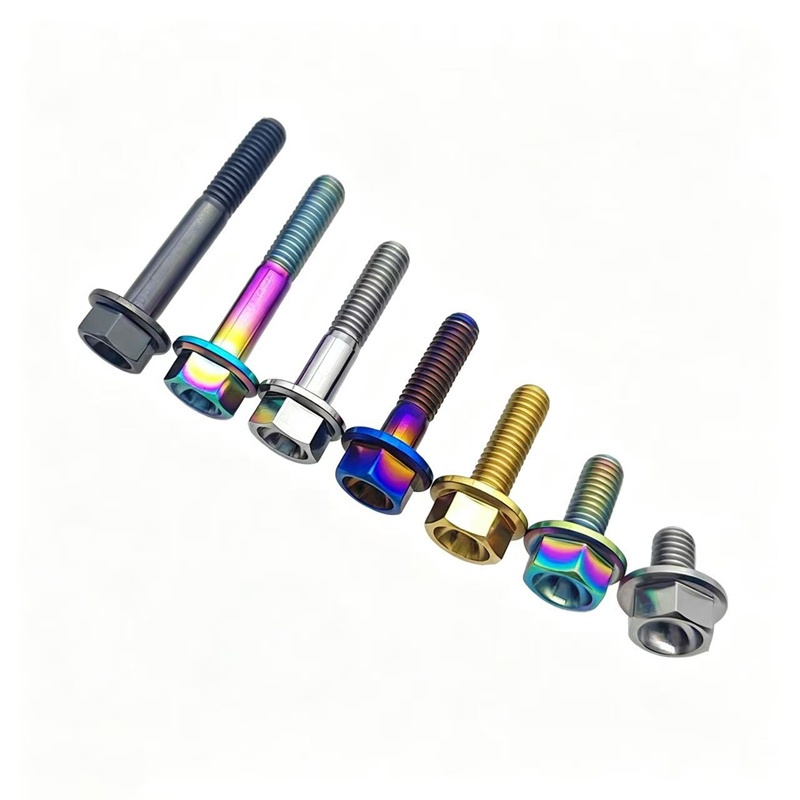
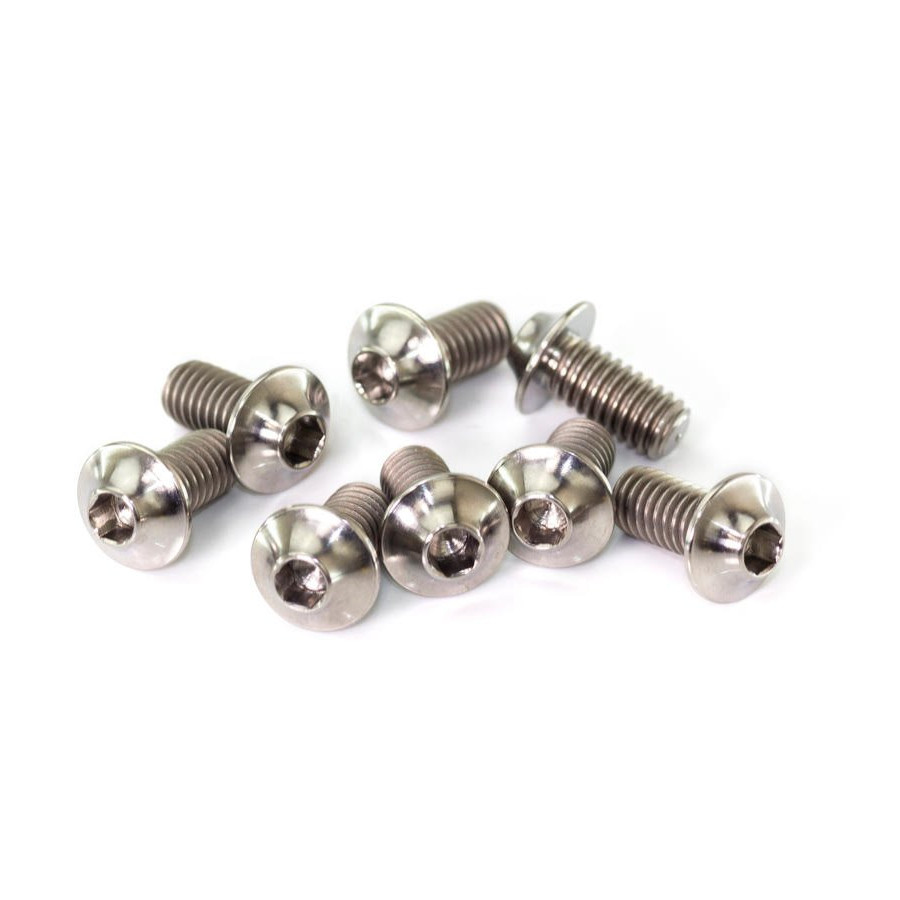
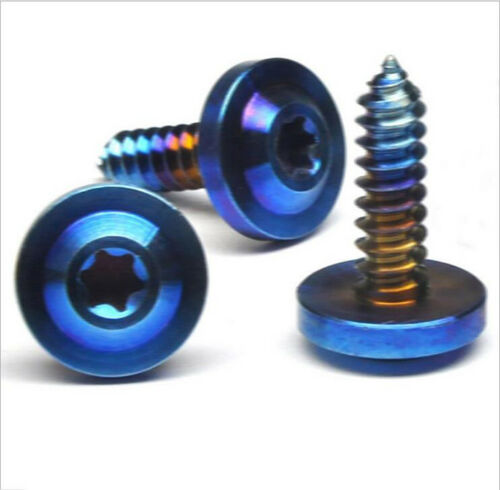
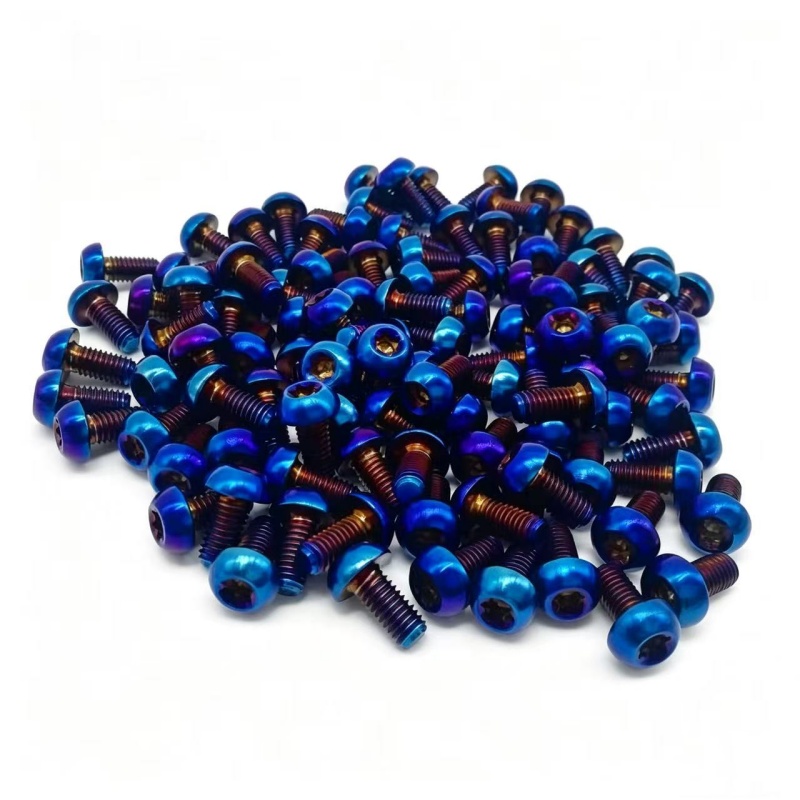
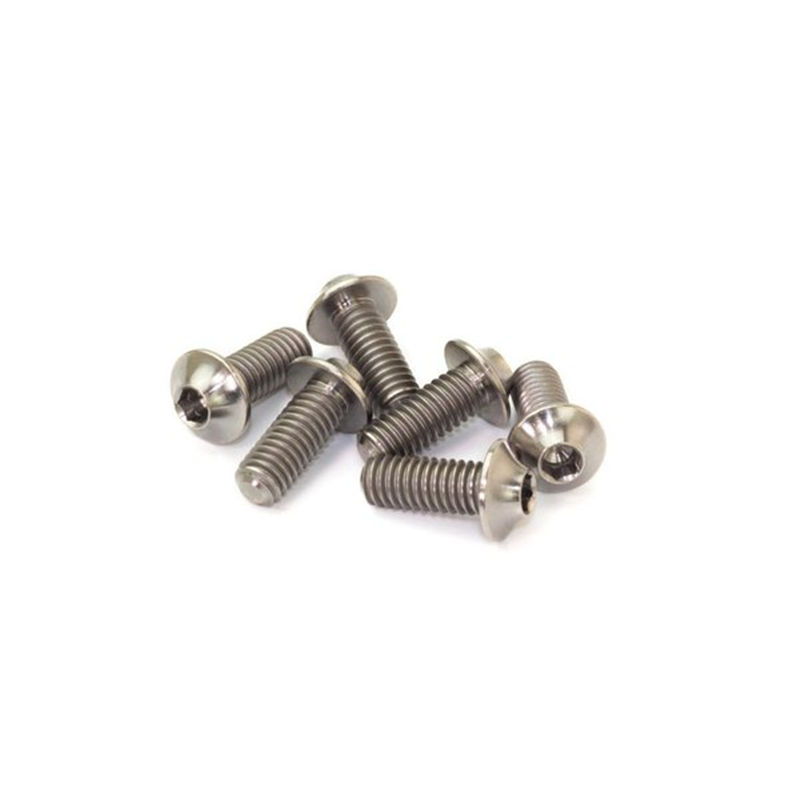
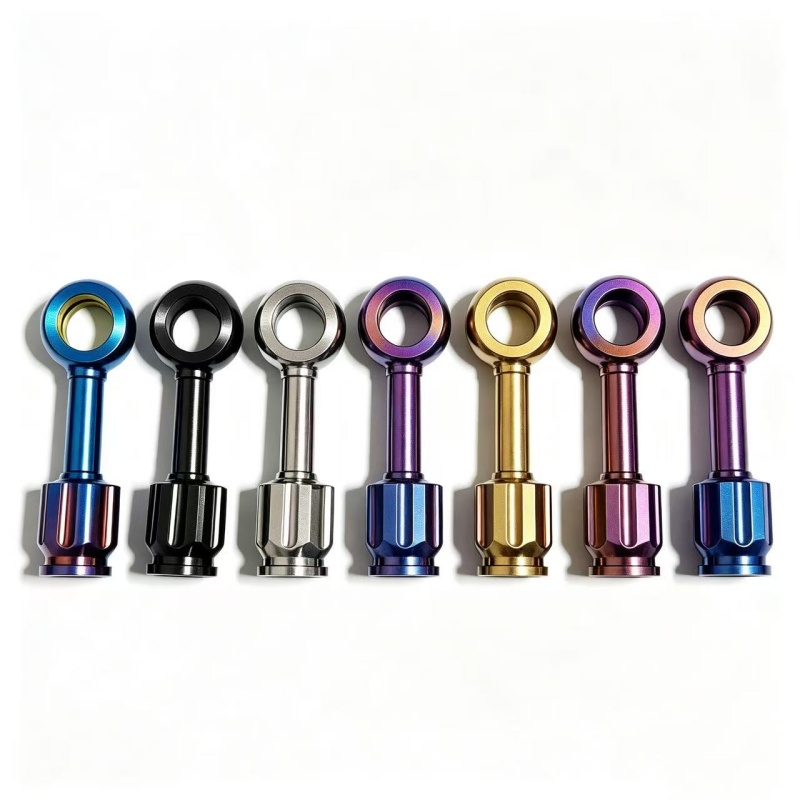
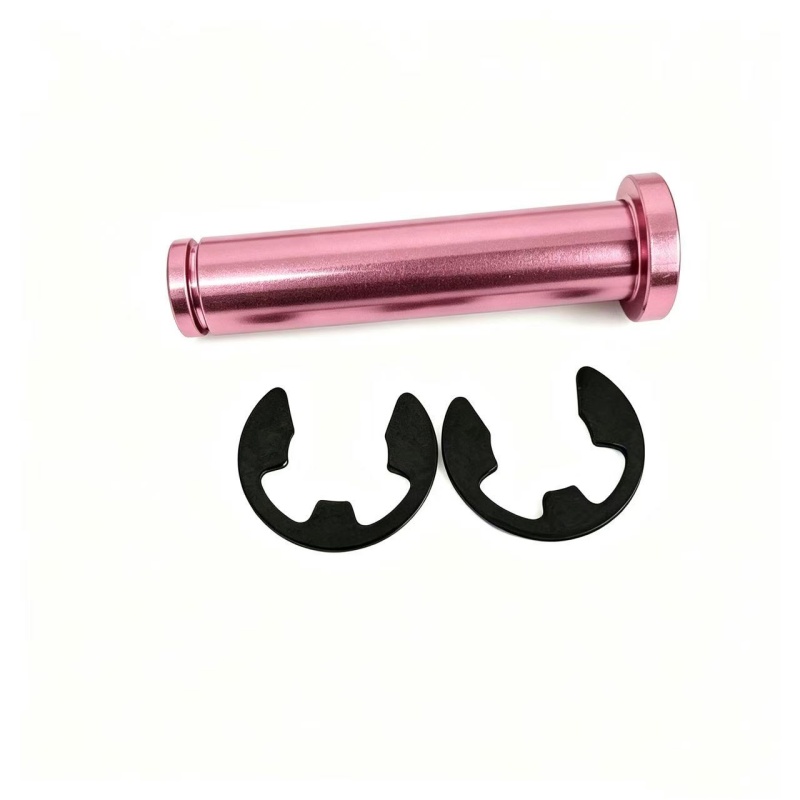
In automotive dampers, racing motorcycle rear linkages, mountain bike trunnion pivots, and off-road trophy truck shock towers, shock bolts represent one of the most safety-critical structural fastener nodes. Shock absorber mounting bolts are subjected simultaneously to compound dynamic forces: alternating pure shear across the clevis interface, cyclic tensile pre-load stress under dampener deflection, and multi-axis bending moments induced by angular chassis flexure.
A failure in standard commercial hardware often stems from severe micro-fretting fatigue or sudden catastrophic shear yield. While standard steel bolts (such as Class 8.8 or uncertified mild steels) frequently fail due to moisture-induced galvanic corrosion and weight penalties, simply swapping them for commercial pure titanium (such as Grade 1 or Grade 2) is a hazardous mistake. Pure titanium exhibits insufficient ultimate tensile strength (≈ 345 MPa) and low shear yield properties, making it entirely unsuitable for suspension loads.
Unsprung mass reduction directly correlates with suspension response speed: every 100 grams eliminated from wheel hubs, brake calipers, and damper pivot pins allows the shock valving to react faster to high-frequency terrain ripples, enhancing tire contact patch grip and damping predictability under race conditions.
| Mechanical / Chemical Property | Verqo GR5 Titanium (Ti-6Al-4V) | Commercial Pure Ti (Grade 2) | High-Tensile Alloy Steel (Class 10.9) | Stainless Steel (A2-70 / 304) |
|---|---|---|---|---|
| Density (g/cm³) | 4.43 (Lightweight) | 4.51 | 7.85 (Heavy Baseline) | 7.93 |
| Min. Tensile Strength (MPa) | 895 – 1,050 | 345 | 1,040 | 700 |
| Min. Yield Strength (0.2% Offset, MPa) | 828 – 950 | 275 | 940 | 450 |
| Shear Strength (Single Shear, MPa) | ≥ 550 – 620 | 220 | 600 | 400 |
| Weight Reduction Ratio | ≈ 43.5% Lighter | ≈ 42.5% Lighter | 0% (Reference) | -1% |
| Corrosion Resistance / Salt Spray | > 1,000 hrs (Zero Oxidation) | > 1,000 hrs | Requires Zinc/Cadmium Platings | Susceptible to Crevice Pitting |
| Fatigue Endurance Limit (σe @ 107 cycles) | 510 MPa | 180 MPa | 480 MPa | 240 MPa |
In high-vibration shock bolt applications, the manufacturing process used to cut or roll threads governs whether the fastener survives severe off-road washboard surfaces or suffers sudden brittle fracture. Conventional machine shops often cut fastener threads on a standard CNC lathe with single-point carbide inserts. This cutting action severs the internal grain structure of the titanium alloy, creating micro-notches at the thread root where tensile stress concentrations peak during damper bottom-outs.
Verqo's Manufacturing Standard: Thread Rolling Under Cold Work Hardening. For high-stress motorcycle and automotive shock bolts (ranging from M6 up to M26), Verqo implements hydraulic cold thread rolling using precision mirror-polished carbide cylindrical dies. Rather than shearing material away, cold thread rolling forces the titanium grains to plastically deform, flowing along continuous, uninterrupted parabolic lines that contour around the thread root and crest.
Furthermore, our multi-axis Swiss CNC turning centers machine custom shank diameters with transition blend radii under the bolt head (R ≥ 0.6–1.2 mm), banishing sharp 90-degree internal corners that induce catastrophic stress-cracking in motorsport wishbones and rear A-arms.
Global supply chain managers, motorsport teams, and high-performance aftermarket parts distributors face a changing hardware sourcing landscape. As modern electric powersports and hypercars emphasize vehicle range and center-of-gravity optimization, titanium hardware procurement is evolving rapidly:
The rapid rise of high-torque electric motocross (Surron Ultra Bee, Talaria Sting, Stark Varg) creates immense cyclic shock shockwave pulses. Tuners are replacing brittle OEM chassis hardware with high-strength GR5 shock link bolts and pivot pins to withstand instant electric torque.
Standard anodizing gives brilliant aesthetic coloration, but B2B buyers now mandate wear-resistant Physical Vapor Deposition (PVD) coatings—especially Diamond-Like Carbon (DLC) and Titanium Nitride (TiN)—reducing friction coefficients down to μ ≤ 0.12 against shock eyelet bushings.
Distributors are bypassing intermediary trading entities in favor of direct contracts with manufacturers in Baoji ("China's Titanium Valley"). Direct collaboration ensures genuine mill-traceable billets (ASTM B348), tighter price-to-weight ratios, and responsive OEM prototyping.
Verqo Titanium Products Co., Ltd. (founded in 2015) operates from the metallurgical epicenter of China's titanium supply chain in Baoji, Shaanxi. Our end-to-end integration unites raw certified bar selection, five-axis CNC machining, cold heading, roll threading, anodizing, vacuum PVD coating, and automated optical batch sorting in one quality loop.
Every bar comes with documented chemical spectrometry and tensile test certificates (ASTM B348 / AMS 4928), verifying precise Ti-6Al-4V chemistry without interstitial gaseous embrittlement.
Our in-house CAD/CAM team converts customer PDF prints or physical sample shock bolts into prototype production batches in as few as 7 working days, accommodating sizes from M2 through M26.
We support tier-one racing teams and regional aftermarket distributors alike with low MOQ thresholds starting from 10–20 pieces for stock items, and 50–100 pieces for bespoke head designs.
Global purchasers benefit from our ≤ 2 hour quotation turnaround and dedicated engineering account managers proficient in metric fine and UNF/UNC sprint car suspension specs.



One fundamental metallurgical characteristic of titanium alloys is their tendency to undergo galling (cold-welding friction adhesion) when torqued dry into matching titanium threads or stainless steel inserts. The natural, microscopically thin titanium dioxide (TiO2) passivation film can shear off under intense mechanical pressure, allowing virgin metallic surfaces to micro-weld and seize irreparably.
Torque Compensation Rule: Because titanium exhibits an elastic modulus of approximately 114 GPa (roughly half that of high-tensile steel's 205 GPa), a Grade 5 titanium bolt stretches slightly more under equivalent torque, acting as a stiffer spring damper that resists loosening under vibratory load. However, when using anti-seize paste, torque settings should typically be reduced by 15% to 20% compared to dry steel OEM specifications to achieve the exact target clamping force ($F_p$) without over-stressing internal female mating threads.
Authoritative technical and commercial insights for engineers, racing team mechanics, and hardware procurement directors.
We machine all structural suspension and shock bolts exclusively from certified GR5 Titanium Alloy (Ti-6Al-4V). With a nominal tensile strength of 895–1,050 MPa and yield strength > 828 MPa, it is engineered for critical dynamic shear and cyclic fatigue loads. We never use low-strength Grade 2 commercial pure titanium for structural damper applications.
Rather than machining threads with single-point cutting inserts that disrupt grain structure, Verqo utilizes hydraulic cold thread rolling. This method work-hardens the root radius and maintains an uninterrupted internal grain flow, yielding an exceptional 30–50% improvement in dynamic fatigue life under intense suspension cycles.
Our CNC turning envelopes cover M2 to M26 in standard metric coarse and critical suspension fine-pitch varieties (including M8×1.0, M10×1.25, M12×1.25, M12×1.5, M14×1.5, and M16×1.5). We also manufacture American standard UNC/UNF (such as 3/8-24, 7/16-20, and 1/2-20) for sprint car and midget racing applications.
We offer mirror polishing, electro-chemical Type II anodizing (in vibrant Gold, Royal Blue, Burnt Blue, Purple, and Green), and hard Physical Vapor Deposition (PVD) coatings such as ultra-hard Diamond-Like Carbon (PVD Black / DLC), Titanium Nitride (PVD Gold), and Neochrome Rainbow Oil-Slick. High-contrast laser logo etching is available on bolt heads.
Yes. With 10+ years of dedicated OEM/ODM expertise, our engineers work directly from STEP, IGES, DXF, or PDF engineering prints. We verify clevis shoulder lengths, shank tolerances, head drive sockets (Torx T40/T50, internal hex, or drilled race-spec 12-point flanges), and deliver pre-production approval samples rapidly.
Our MOQ is intentionally agile: off-the-shelf motorcycle and automotive stock fasteners start at just 10 to 20 pieces. Custom-machined shock pivot bolts typically start around 50 to 100 pieces depending on bar stock diameters and tooling. First-article samples are commonly dispatched within 7–10 working days.
Grade 5 titanium forms an impenetrable, self-repairing titanium dioxide oxide layer that prevents galvanic pitting when seated against 6061-T6 or 7075-T6 aluminum suspension clevises. Unlike zinc-plated alloy steel, titanium cannot rust or blister, making it the premier choice for all-weather enduro racing and salted winter road conditions.
We support standard global B2B payment terms including Telegraphic Transfer (T/T), Letter of Credit (L/C at sight), and PayPal for expedited prototype sample batches. Shipments are handled via express air freight (DHL/FedEx/UPS) or sea freight under Incoterms EXW, FOB, CFR, or DDP.
Send us your 2D/3D suspension drawings, thread specifications, or OEM part numbers. Our Baoji technical desk reviews all inquiries within 2 hours to provide transparent tier pricing, tensile data sheets, and custom tooling feasibility.