Flagship Titanium Fasteners & Performance Components
Directly manufactured to tight tolerances from high-purity Ti-6Al-4V alloy wire and bar stock. Engineered for zero cam-out, extreme weight reduction, and lifelong corrosion resistance.
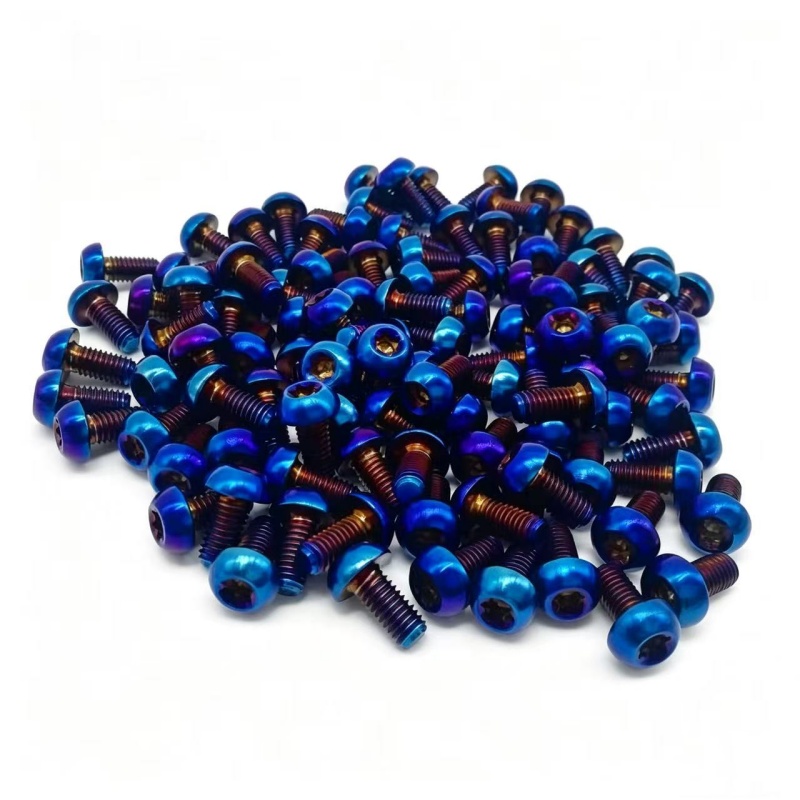
Factory Wholesale Button Socket Head Titanium Alloy Bolts Colorful Burnt Blue Surron Ultra Bee LBX Light Bee Talaria Class 10.9
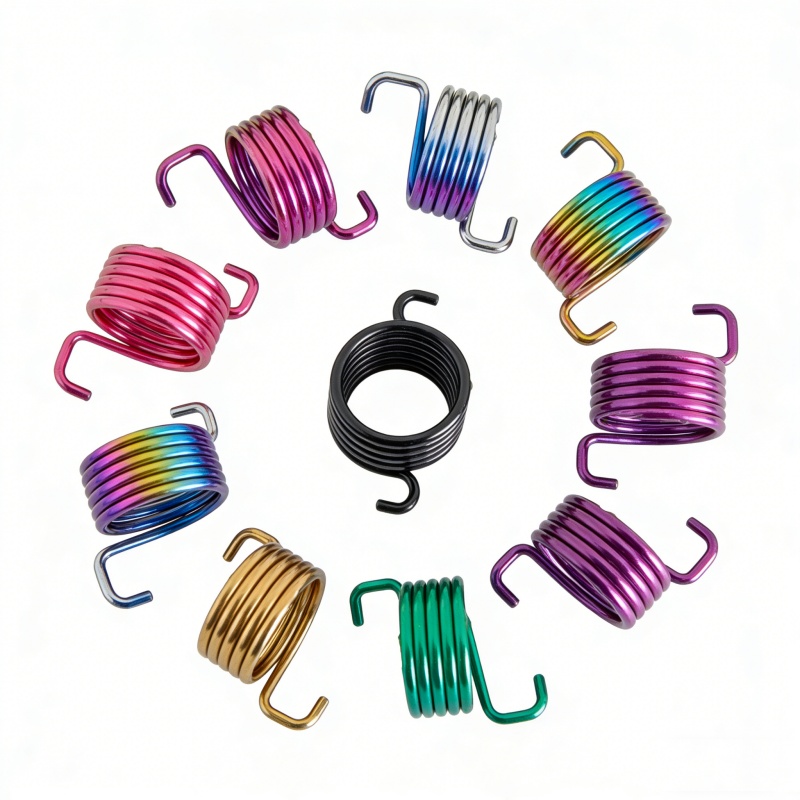
Factory Customized Colorful Titanium Alloy Coil Motorcycle Footpeg Torsion Spring 25 lb Load Capacity for KTM Husqvarna Kawasaki
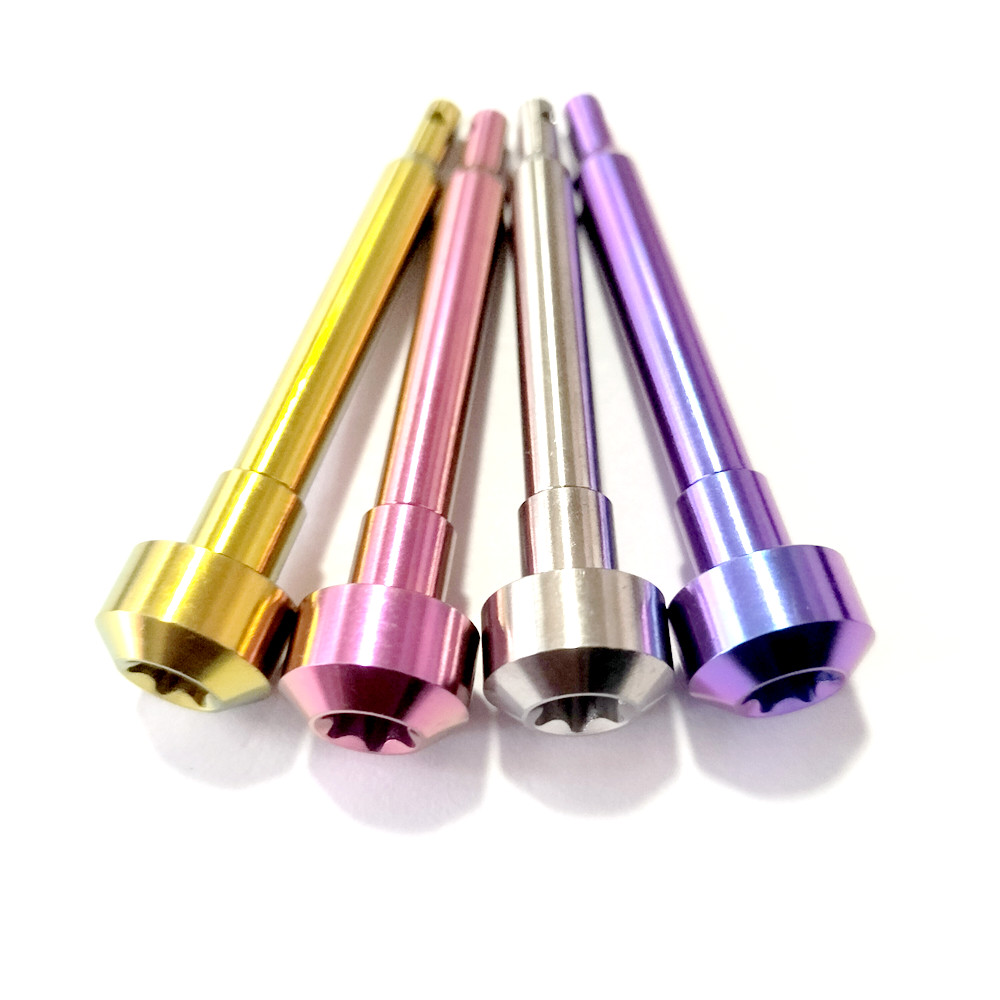
Best Price Baut Titanium Alloy Grade 5 Socket Head M8x20 Motor Race Parts Screws Bolts PVD Finish
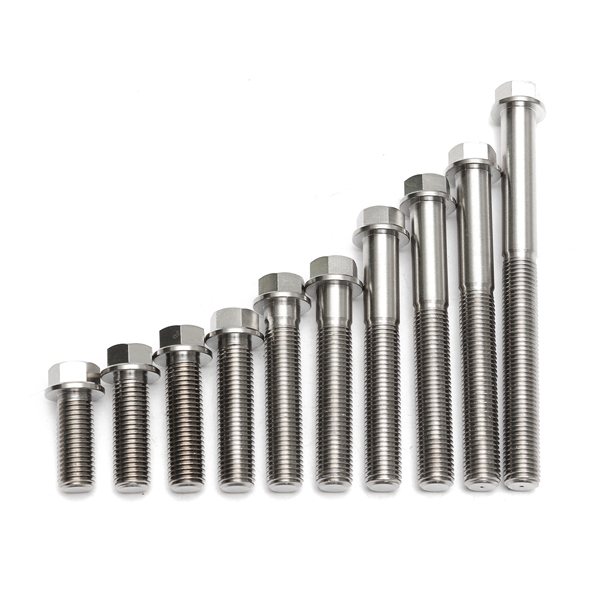
Factory Price M6 M8 M10 GR5 Motorcycle Automotive Sprint Midget Car Titanium Alloy Hex Flange Bolts Anodized Colored
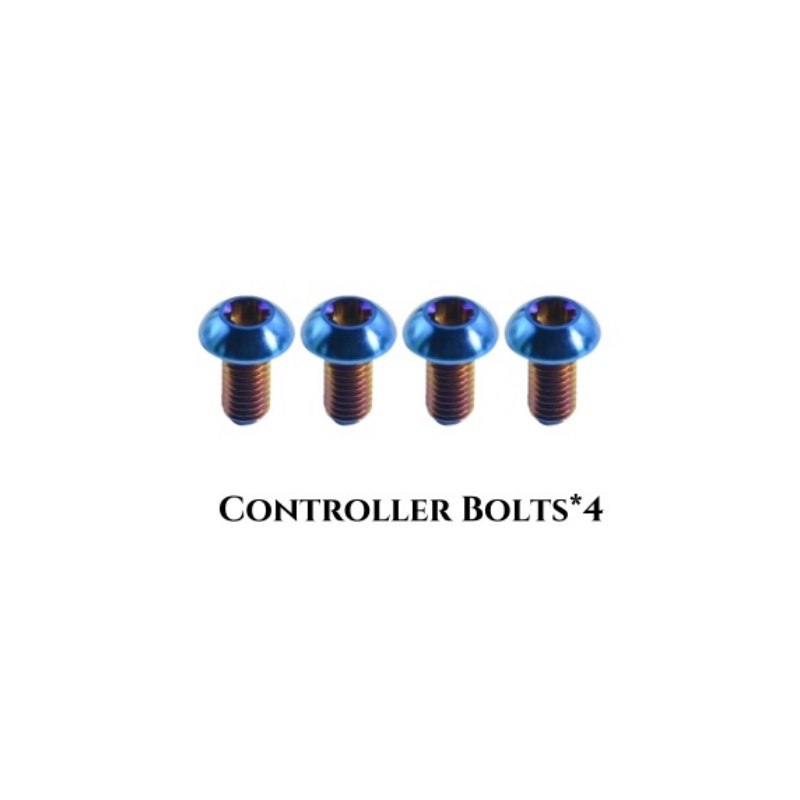
Factory Processing Class 10.9 12.9 Titanium Alloy Bolts Colorful Controller Bolts Vacuum Coated for Surron Ultra
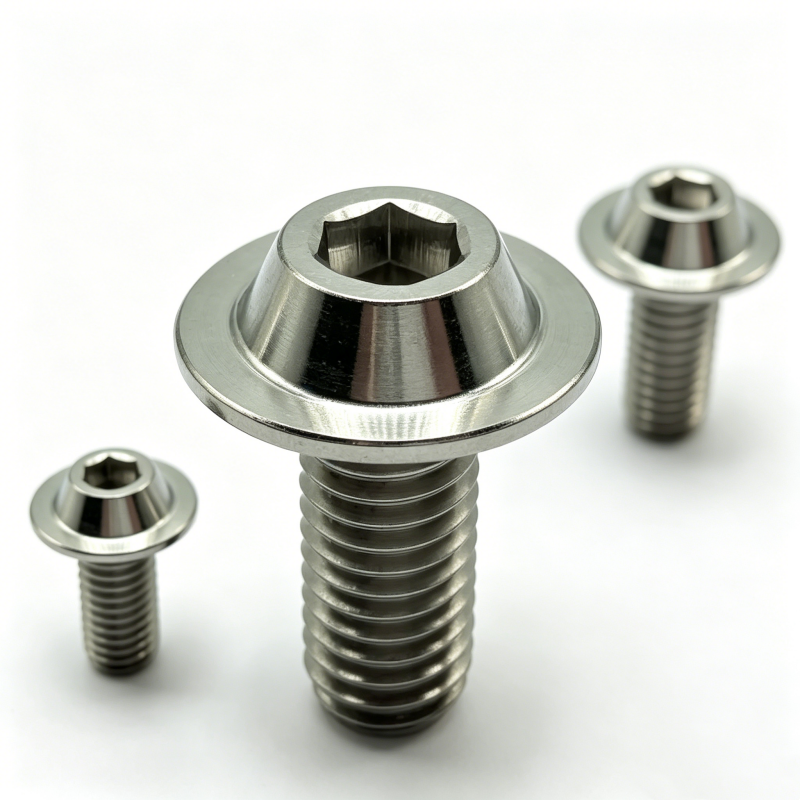
Factory Wholesale GR5 Titanium Alloy Screws M4 M5 M6 M8 M10 Titanium Bolts with Hex Socket UFO Head
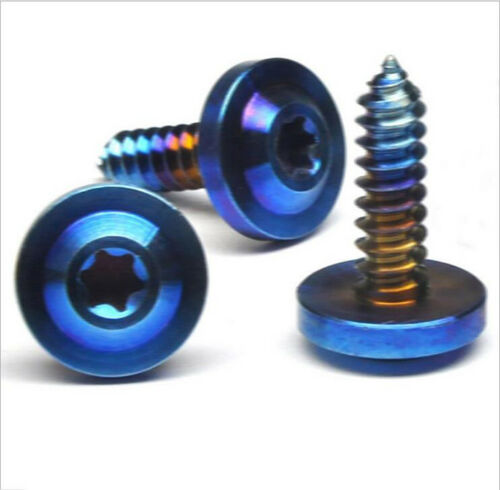
Baut Body Titanium Berlapis Baja Berlapis Baja Bolt Motor for Honda Suzuki YAMAHA
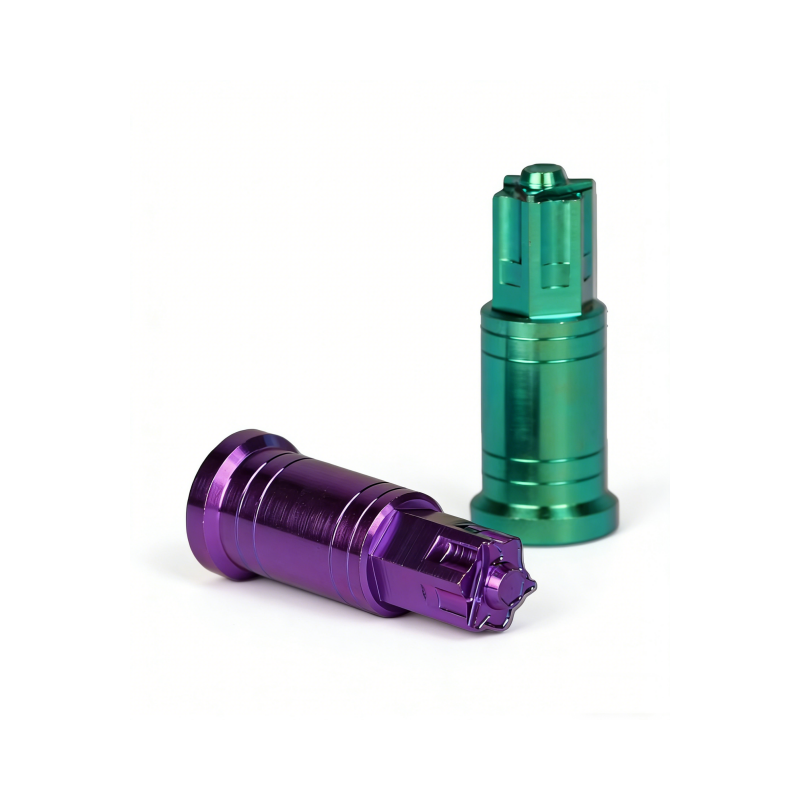
Factory Customized Color Size M6 M8 M10 GR5 Hex Head Polished Motorcycle Titanium Alloy Knurled Extended Nut Grade 10.9/12.9
The Physics of Star Drive: Why Torx (ISO 14579/14583) Outperforms Hex Sockets
A comprehensive metallurgical and kinematic examination of titanium star-drive fastener architecture under high-vibration dynamic fatigue environments.
15° Drive Angle vs 60° Hex Cam-Out
Standard hexagonal drives operate on a 60° drive angle which creates substantial radial outward forces under high installation torque, leading directly to driver slippage (cam-out) and driver socket rounding. Titanium Torx (hexalobular internal) geometry features a near-perpendicular 15° drive angle. This transfers 100% of driver rotational force into pure torsional clamp load with zero upward reaming vectors.
Ti-6Al-4V Grain Flow Optimization
Unlike generic bolt vendors that turn Torx sockets via high-speed plunge milling—cutting across the metallic grain structure—our Baoji manufacturing protocols employ precision cold heading and warm hobbing. This aligns the continuous alpha-beta crystalline grains around the Torx lobes, augmenting root fatigue endurance by over 38% and preventing shear fractures under harmonic racing stress.
Anti-Galling Vacuum Tribo-Coatings
Titanium possesses a native passive oxide film (TiO2) that can experience micro-welding and thread galling when torqued directly into stainless or aluminum blocks without lubricity. We integrate physical vapor deposition (PVD) titanium carbo-nitride (TiCN) and diamond-like carbon (DLC) finishes, lowering the coefficient of friction to μ 0.10–0.12 and eliminating thread cold-welding during pneumatic assembly.
Material Performance & Fastener Mechanical Property Matrix
Certified metallurgical test values comparing Aerospace GR5 Titanium to Grade 10.9 Carbon Steel and 7075-T6 Alloy.
| Mechanical & Physical Parameter | Verqo GR5 (Ti-6Al-4V) Torx | Alloy Steel 10.9 (Zinc Coated) | 7075-T6 Aerospace Aluminum | 316 Marine Stainless Steel |
|---|---|---|---|---|
| Density (ρ) [g/cm³] | 4.43 (43% Lighter than Steel) | 7.85 (Baseline Mass) | 2.81 (Extremely Light) | 8.00 (Heavy) |
| Tensile Strength (σuts) [MPa] | 950 – 1050 MPa | 1040 MPa | 572 MPa | 620 MPa |
| Yield Strength (σy) [MPa] | 880 – 950 MPa | 940 MPa | 503 MPa | 290 MPa |
| Strength-to-Weight Ratio (kN·m/kg) | 214 (Industry Leader) | 132 | 204 (Low Fatigue Limit) | 78 |
| Corrosion Resistance in Cl⁻ & Salts | Impervious (0.00 mm/yr) | Poor (Requires Plating) | Prone to Exfoliation | Moderate (Pitting Vulnerable) |
| Operating Temperature Range | -250°C to +450°C | -40°C to +200°C | Up to +120°C | -196°C to +300°C |
| Torsional Cam-Out Resistance | Torx / Star (Max Grip) | Standard Hex (Moderate) | Hex / Torx (Soft Head) | Hex (Low Stripping Limit) |
Strategic Sourcing Trends for Titanium Torx Fasteners (2025–2030)
Global supply chain realignments, electric vehicle weight optimization mandates, and digital quality tracing are altering the procurement landscape for industrial and performance fasteners.
Transition to Torx Plus® and External Torx Architecture
Automated robotic assembly stations in tier-1 automotive manufacturing require 100% automated engagement without operator intervention. Traditional hex sockets cause tool-wear chatter and micro-shavings that contaminate sensitive battery packs. Advanced multi-lobe Torx Plus geometry provides a true 0° drive angle, extending tool bit lifespan by up to 400% and completely eliminating burr formation during high-torque robotic torquing.
Unsprung Mass Reduction in Hyper-Performance EV Platforms
As commercial electric motorcycle and electric vehicle platforms strive for extended range per kilowatt-hour, structural chassis fastening is converting from heavy Class 10.9 steel to GR5 titanium. By shedding over 43% of fastener weight from unsprung rotating assemblies (rotor bobbins, caliper mounts, wheel hubs, sprockets), dynamic suspension responsiveness and range efficiency are significantly increased.
Decarbonized Sourcing & Closed-Loop Titanium Swarf Recycling
Enterprise buyers in Europe and North America increasingly demand ISO 14064 verified carbon footprint declarations for raw titanium melt. Titanium valley facilities utilizing consolidated electron-beam cold hearth melting (EBCHM) and recycled aerospace turnings are outperforming traditional multi-vacuum arc remelting (VAR) in total lifecycle emissions without compromising mechanical shear purity.
Digital Material Passports & Laser-Etched 2D Matrix Codes
Counterfeit Grade 5 hardware remains a severe hazard in motorsport and industrial maintenance. Forward-thinking procurement officers require individual micro-laser QR codes or lot-trace codes etched onto the titanium bolt head. This connects each bolt to its ultrasonic ingot inspection sheet, spectrographic chemistry batch, and dimensional optical inspection data in real time.
Shift Toward Multi-Axis Swiss CNC Hybrid Cold-Heading
Pure CNC turning results in prohibitive cycle times for large volume procurements, while purely cold-headed parts historically suffered from imperfect lobe tolerances. Modern procurement focuses on high-speed dual-action multi-station headers that form the bolt blank and cold-roll the thread, complemented by precision Swiss CNC machines that finish the ultra-flat UFO profiles and safety-wire holes.
Strict Phase-Out of Toxic Hexavalent Cadmium Platings
Stricter environmental regulations (EU REACH and RoHS) have expedited the phase-out of cadmium-plated steel bolts across industrial, marine, and aviation sectors. Naturally passive Grade 5 titanium Torx bolts, treated with bio-inert PVD or hard sulfuric acid anodization, deliver superior salt spray corrosion ratings (>2,000 hrs ASTM B117) with zero toxic effluent footprint.
Next-Gen Titanium Fastener Manufacturing Technologies
How advanced machining, optical sorting, and surface chemistry are revolutionizing titanium Torx fastener yields and structural integrity.
Sub-Micron Thread Rolling Dynamics
Rather than cutting external threads—which introduces micro-notches that invite stress-corrosion cracking—our threads are plasticized under high pressure between tungsten-carbide rolling dies. This process forms cold-worked root radii that elevate fatigue crack initiation resistance under extreme vibrational cycles.
Multi-Wavelength PVD Ion Sputtering
Our magnetron vacuum coating chambers apply molecular-bonded coatings at temperatures below 400°C to preserve the core annealed temper of GR5 titanium. Options like Oil-Slick, Burnt Blue, Deep DLC Black, and TiN Gold impart a surface micro-hardness exceeding 2,500 HV without hydrogen embrittlement risks.
100% Optical Telecentric Sorting
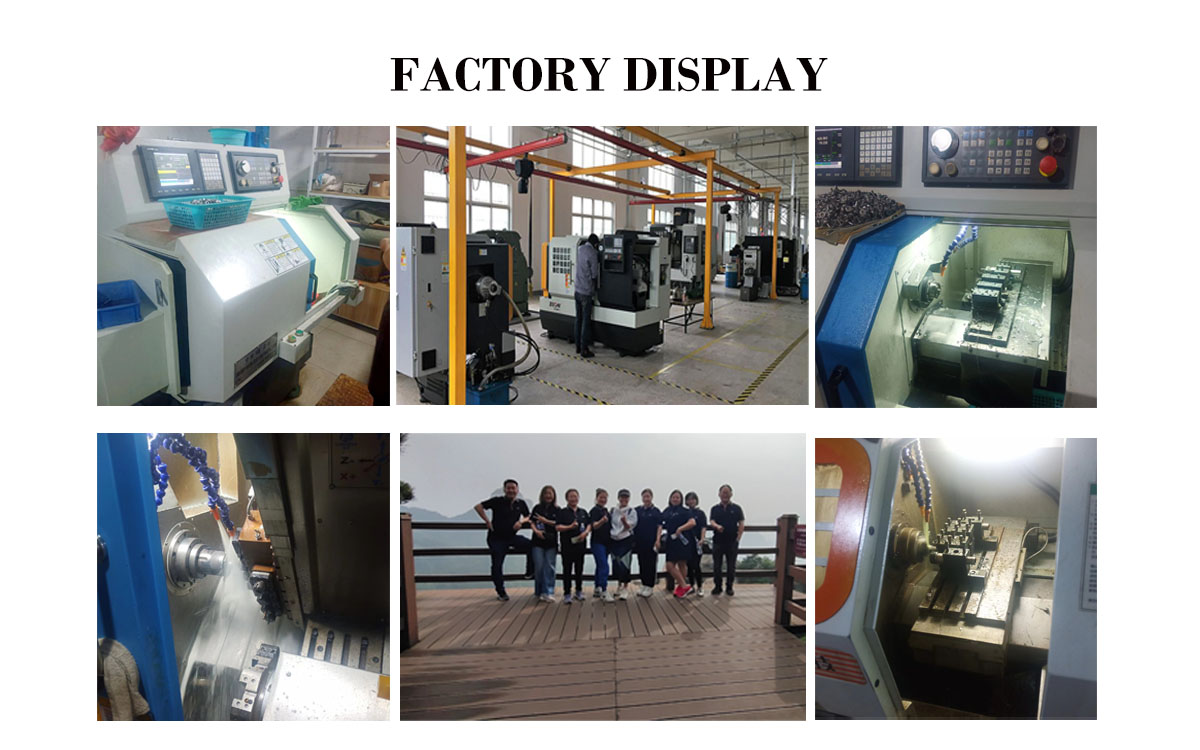
To support automated assembly on client assembly lines, every high-volume production lot passes through our 360° laser-telecentric sorting stations. This high-speed optical checking detects pitch variation, flank run-out, Torx socket depth, and head concentricity, ensuring zero defects per million fasteners.
Why Global OEM Brands Source From Verqo Titanium
Situated in Baoji, China's "Titanium Valley," we leverage 10+ years of dedicated metallurgy experience, complete vertical integration, and responsive global fulfillment.

Frequently Asked Questions on Titanium Torx Fasteners
Detailed engineering and commercial answers to simplify your RFQ and vendor evaluation process.
Request an Engineered Sourcing Quotation
Send your CAD drawing, custom dimensions, or target application specs. Our metallurgical engineering team in Baoji will evaluate tolerances and respond with competitive factory-direct pricing within 2 hours.