Precision High-Strength Fastener Portfolio
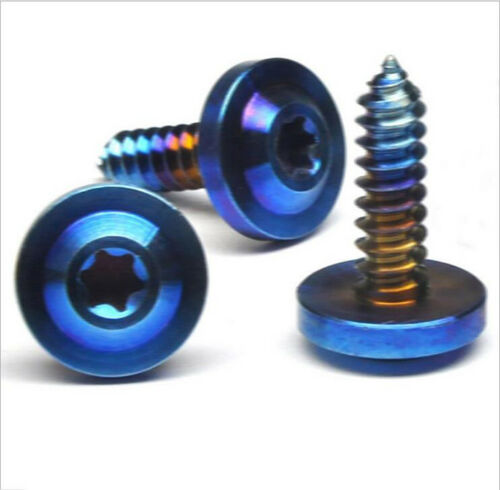
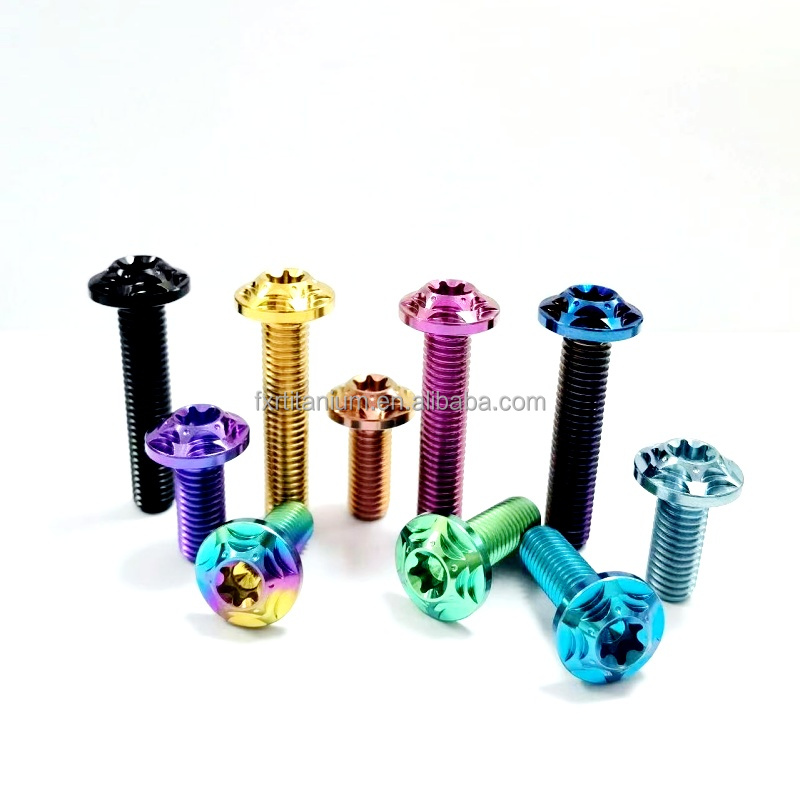
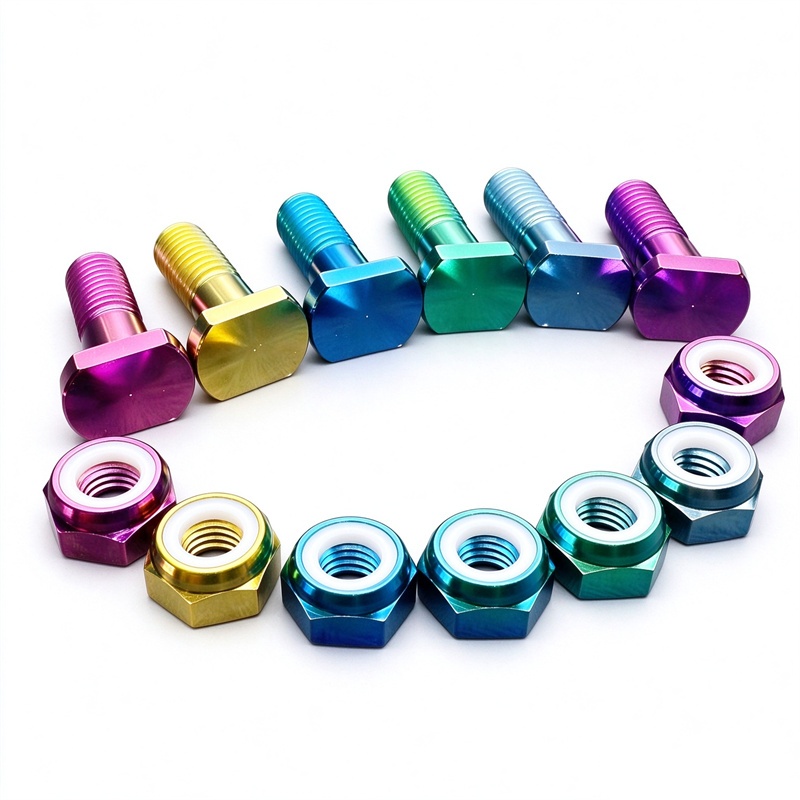
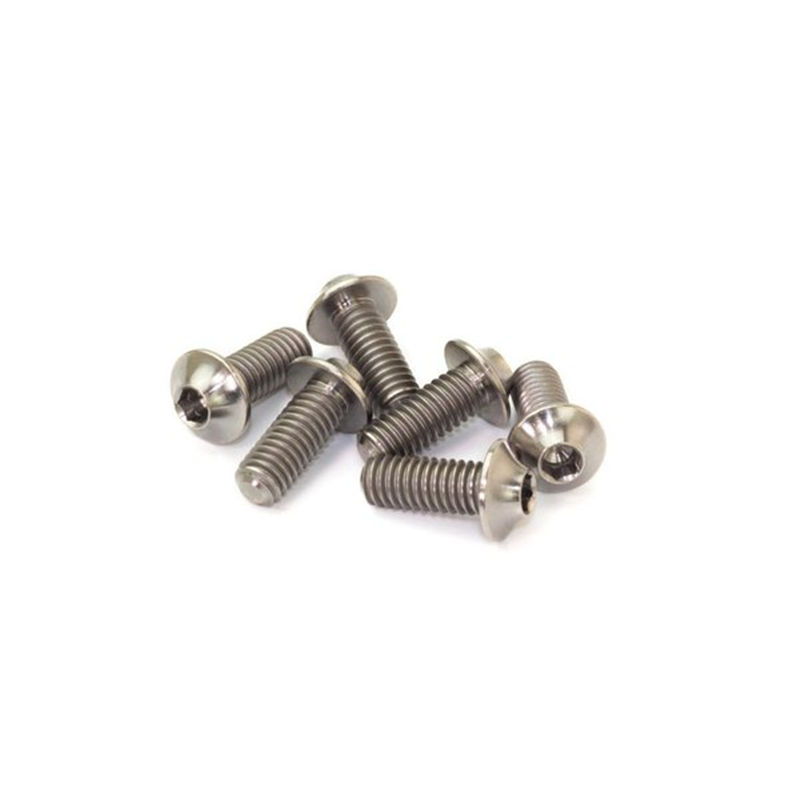
Explore our verified Ti-6Al-4V production range. Designed with advanced anti-theft geometries, proprietary drive socket patterns, and rigorous dimensional tolerance for high-performance vehicles and industrial assemblies.
Engineering White Paper: Anti-Theft Titanium Fastener Architecture
An exhaustive metallurgy and tribology reference on why Grade 5 Ti-6Al-4V anti-theft wheel fasteners deliver unmatched security, structural reliability, and galvanic resistance in high-stress vehicle hubs.
1. Kinematic Resistance & Proprietary Anti-Theft Geometry
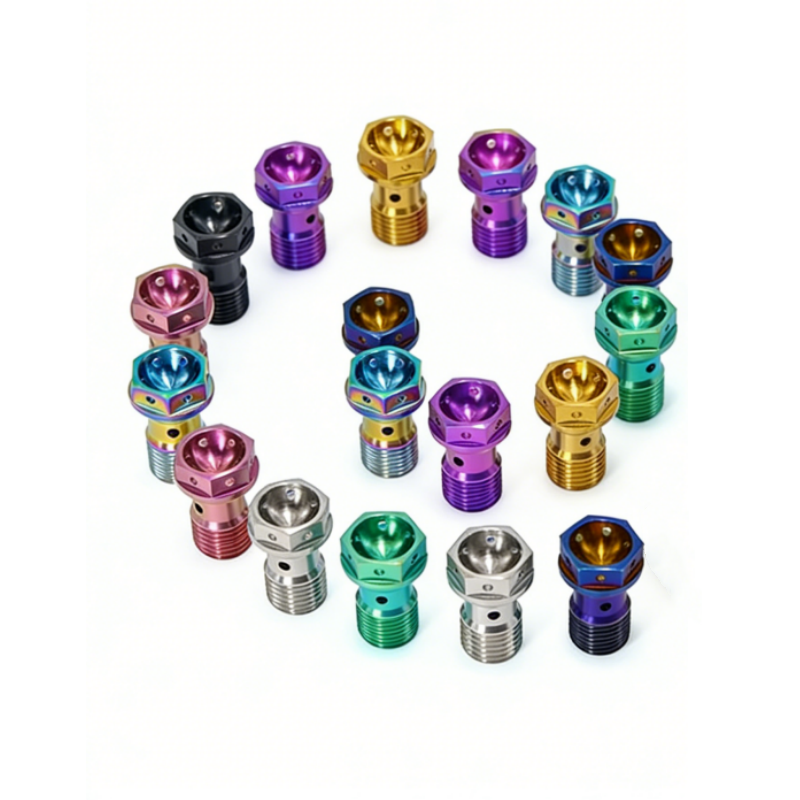
Wheel theft vectors have evolved far beyond conventional socket extractors. Traditional automotive locking lug nuts frequently suffer from slip distortion when subjected to high-torque impact wrenches or universal reverse-fluted extraction sockets. Our CE Certified Anti-Theft Titanium Wheel Lug Nuts utilize non-standard curved drive channels, asymmetrical pentagonal interfaces, and floating captive tapered seats. This prevents standard metric or imperial sockets from achieving the required frictional bite for forced rotation.
Because Ti-6Al-4V exhibits a Rockwell hardness rating of HRC 36-39 (significantly harder than standard mild steel nuts and light aluminum alternatives), brute-force cold hammering or drilling with standard cobalt high-speed steel (HSS) bits quickly induces work-hardening on the titanium exterior, destroying the thief's cutting tools and effectively neutralizing the attack.
2. Rotational Inertia, Unsprung Mass & Clamping Preload Integrity
Modern sports coupes, luxury sedans, and high-performance electric vehicles in the Kansai region demand the strictest management of unsprung weight. Every gram removed from rotating hubs translates directly into reduced moment of inertia, allowing vehicle dampers to recover faster over irregular asphalt and improving steering response.
Titanium lug nuts boast an ultralow density of 4.43 g/cm³ compared to approximately 7.85 g/cm³ for Class 10.9 structural alloy steel—yielding a 43% weight reduction while retaining a yield strength surpassing 828 MPa and an ultimate tensile threshold of 895–1000 MPa. Unlike aluminum 7075-T6 lug nuts which demonstrate dangerous fatigue cracking under repeated heat cycles generated by track braking or regenerative electric brake rotors, GR5 titanium maintains strict clamping preload integrity without experiencing thermal thread creep or plastic elongation.
| Metallurgical Property | Verqo GR5 (Ti-6Al-4V) Fasteners | Commercial Grade 2 Titanium | Standard OEM Carbon Steel (10.9) | Aftermarket Aluminum 7075-T6 |
|---|---|---|---|---|
| Ultimate Tensile Strength (MPa) | ≈ 895 – 1050 | ≈ 345 – 450 | ≈ 1040 | ≈ 570 |
| Yield Strength (0.2% Proof, MPa) | ≈ 828 – 950 | ≈ 275 | ≈ 940 | ≈ 505 |
| Specific Density (g/cm³) | 4.43 | 4.51 | 7.85 | 2.81 |
| Thermal Expansion Coeff. (10⁻⁶/K) | 8.6 | 8.6 | 11.7 | 23.4 (High Creep Risk) |
| Galling Threshold & Oxidation | Native TiO₂ film + PVD Treatment | Soft, High Galling Tendency | Porous, Prone to Rust | Micro-Corrosive Anodic Pitting |
| Target Suitability | High-Torque Hub Hubs, Track, Anti-Theft | Cosmetic Trim & Low-Load Fairings | Mass Market Base Production | Low-Torque Exhibition Use Only |
Specialized Application Scenarios Serving Kyoto & the Kansai Corridor
Adapting precision Chinese titanium engineering to the microclimatic, cultural, and industrial demands of Kyoto Prefecture—from the mountains of Tamba to urban central hubs.
JDM Performance Builds & Touge Racing
Kyoto’s mountain passes and scenic bypasses (such as the Shorenji and Higashiyama routes) host active tuner subcultures running bespoke BBS, RAYS Volk, and SSR forged wheels. Our anti-theft lug nuts deliver the precise 60-degree conical or spherical radius seating needed to lock down high-value wheels against both mechanical vibration and street theft in unmonitored parking lots.
Winter Road Brine & De-icing Chemical Shield
Winter driving across northern Kyoto Prefecture (Fukuchiyama, Maizuru, and the Tango Peninsula) subjects chassis components to heavy salt sprays and calcium chloride de-icing chemicals. Standard chrome-plated steel nuts undergo galvanic corrosion, swelling and seizing on studs. Ti-6Al-4V forms an instantaneous, regenerative titanium dioxide (TiO₂) passivation layer that resists chemical brine completely.
Electric Fleets & Luxury Executive Limousines
Kyoto’s strict municipal decarbonization targets have driven massive adoption of luxury electric vehicle fleets, VIP tourist shuttles, and electric transport. Due to heavy vehicle battery curb weight, EV wheel studs experience elevated cyclical shear forces. Our Class 10.9-equivalent GR5 lug nuts provide certified clamp loads, eliminating stud fatigue while shaving unsprung rotating mass for extended battery range.
Emerging Sourcing & Technical Trends in Kyoto
Key structural shifts observed by procurement directors, aftermarket automotive specialty shops, and high-precision mechanical workshops throughout Western Japan.
1. Transition from Aesthetic Anodizing to Durable PVD Vacuum Layers
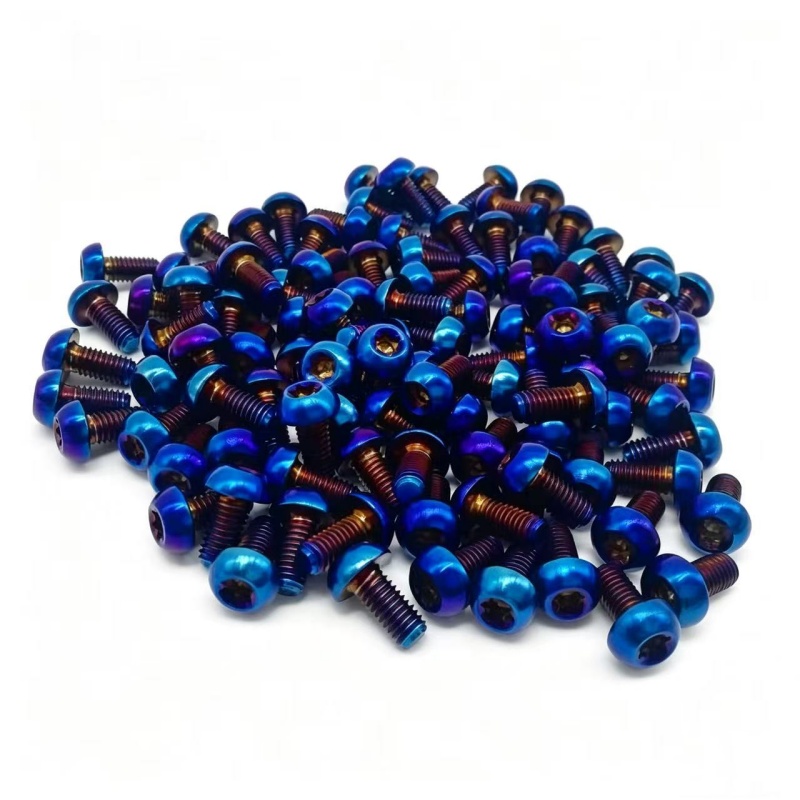
While traditional JDM consumers frequently chose anodized finishes for bright tones, Japanese high-end shops now demand Physical Vapor Deposition (PVD) coatings. PVD provides a molecular diamond-like hardness layer that survives air impact guns without chipping, peeling, or fading when exposed to intense UV exposure in open-air parking lots.
2. Stringent Traceability & Mill Certificate Demands
Japanese automotive distributors and motorsport workshops strictly reject unverified commercial titanium. Procurement officers now require EN 10204 Type 3.1 chemical inspection certificates, spectral analysis verifying zero recycled titanium scrap, and CE compliance documentation to ensure that fastener tensile ratings are fully certified prior to installation.
3. Direct-from-Source Factory OEM Partnerships
With domestic Japanese machine shop capacity increasingly booked by aerospace and semiconductor commitments, Kyoto auto parts suppliers and tuning hubs are skipping intermediate trading brokers. They establish direct OEM/ODM channels with established manufacturing factories located in China's "Titanium Valley" to secure custom thread pitch runs (M12x1.25, M12x1.5, M14x1.25, M14x1.5) at competitive scale.
Direct-From-Factory Competitiveness: Baoji Precision Hub
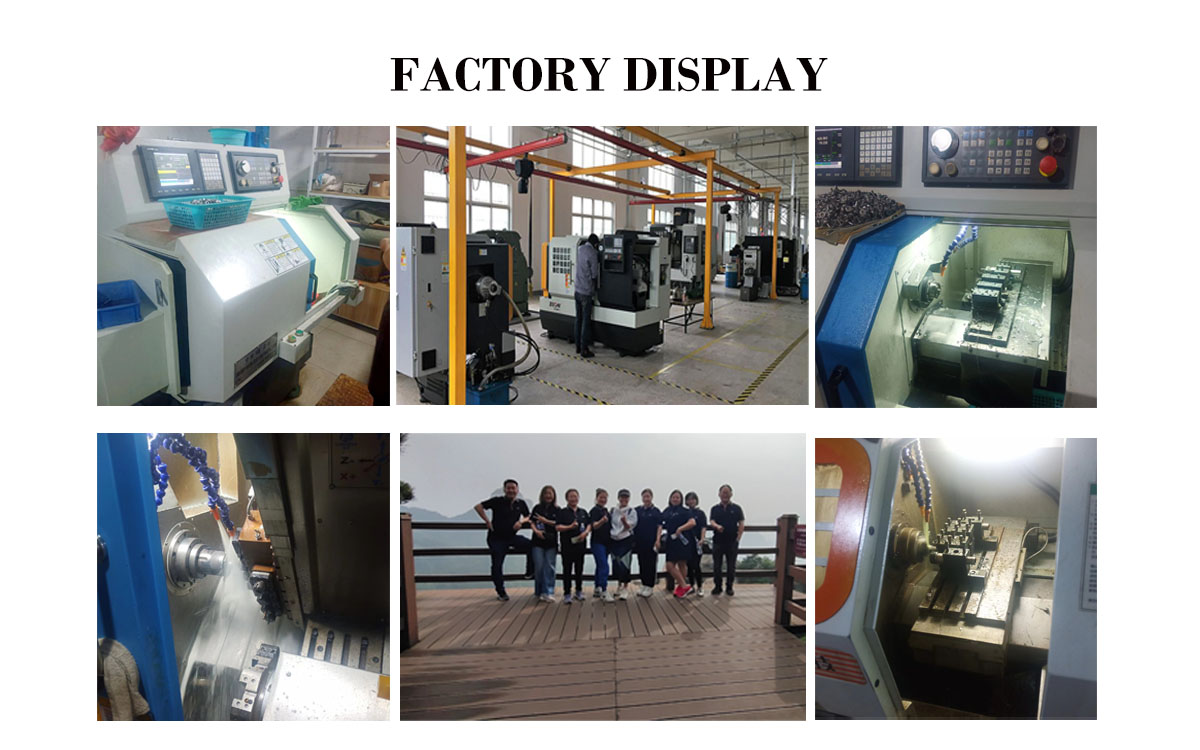
Verqo Titanium Products Co., Ltd. integrates raw ingot quality control, multiaxis CNC turning, PVD surface coating, and rigorous metrology under one roof.
Aerospace Valley Heritage & Proven Capacity
Situated in Baoji, Shaanxi Province—globally recognized as China’s "Titanium Valley"—Verqo Titanium has built a specialized 10-year OEM and ODM engineering infrastructure. Our production site covers 1,001–2,000 square meters of high-precision CNC multi-axis turning and cold-heading machinery, managed by 11 to 50 dedicated metallurgical specialists.
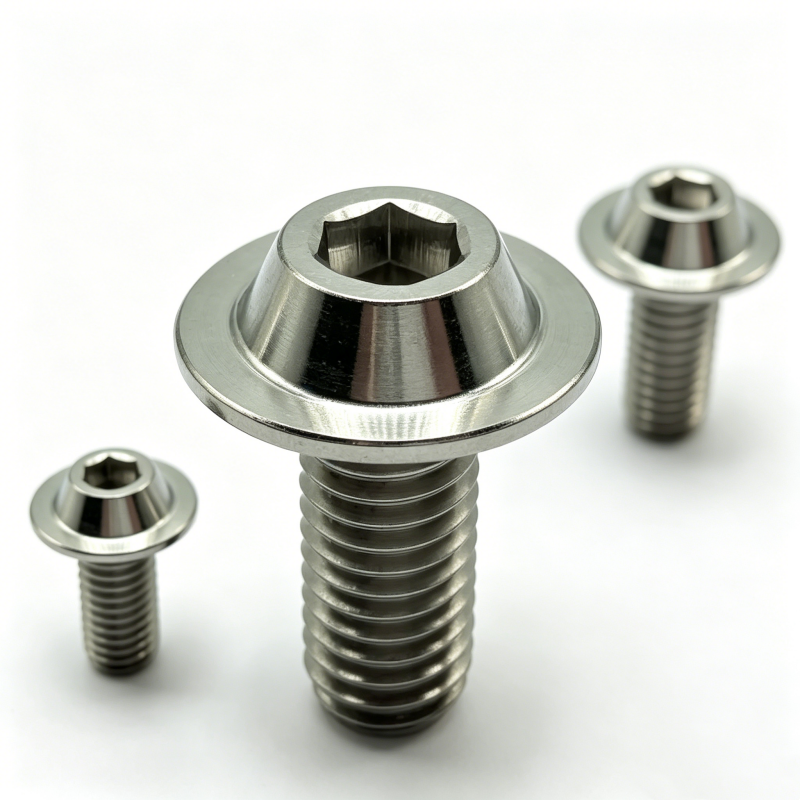
We produce fasteners spanning M2 to M26 diameter specifications for international buyers across Japan, North America, Southeast Asia, and Europe. By pairing certified raw aerospace sponge bar stock with in-house thread-rolling and anti-theft key coding, we deliver dimensional tolerances within ±0.01 mm, eliminating thread chatter and ensuring repeatable torque performance.


Frequently Asked Questions for Local Kyoto Buyers
Addressing mechanical properties, installation protocols, galvanic compatibility, and logistics fulfillment for automotive professionals in Western Japan.
Why must Kyoto automotive workshops use GR5 (Ti-6Al-4V) instead of GR2 titanium for wheel lug nuts?
Commercial Pure Titanium (Grade 2) possesses an ultimate tensile strength of only ≈345–450 MPa, which is entirely inadequate for wheel clamping applications. Under dynamic vehicle cornering loads, GR2 nuts will undergo plastic yield deformation, leading to stud looseness and critical wheel separation. Verqo manufactures wheel fasteners exclusively from aerospace-certified GR5 (Ti-6Al-4V), offering a minimum tensile strength of 895–1050 MPa and yield strength exceeding 828 MPa, matching or exceeding Class 10.9 high-tensile steel ratings while saving 43% weight.
How do Verqo titanium anti-theft lug nuts prevent thread galling during installation?
Titanium threads have a natural tendency to cold-weld (gall) against steel wheel studs if driven dry at excessive speeds. Our lug nuts feature CNC precision-rolled threads with a surface roughness of Ra < 0.4 μm to minimize friction. We mandate applying a thin film of copper-based, nickel-based, or molybdenum disulfide anti-seize paste to threads and contact cones prior to torquing. Always hand-thread fasteners first, avoid unthrottled pneumatic impact guns, and calibrate to manufacturer torque specs with a manual torque wrench.
What specific thread sizes and seat designs are available for Japanese domestic vehicles?
We supply the entire spectrum of Japanese OEM and aftermarket wheel configurations, including M12×1.25 (Subaru, Nissan, Suzuki), M12×1.5 (Toyota, Honda, Mazda, Mitsubishi), and modern high-load M14×1.5 specifications (Lexus LS/LC, Toyota Land Cruiser, Honda Civic Type R FL5). Available seat interfaces encompass standard 60-degree conical taper, factory OEM spherical ball radius (R12/R13/R14), and flat mag-shank styles with captive washers.
Is galvanic corrosion a danger between titanium nuts and aluminum aftermarket wheels?
Although titanium is electrochemically noble compared to aluminum, real-world galvanic reaction on wheels is prevented by titanium's passive TiO₂ oxide barrier. Furthermore, our PVD vacuum coatings (DLC Black, Burnt Blue, Titanium Gold) add a non-conductive ceramic barrier layer. When paired with standard anti-seize paste during installation, the electrical pathway between the aluminum wheel seat and the titanium nut is broken, eliminating galvanic oxidation even in salted winter conditions.
How are custom anti-theft key patterns managed for fleet or dealer exclusives?
For distributors, tuning franchises, and municipal fleets throughout Kyoto, Verqo offers proprietary key coding programs. We design asymmetrical anti-theft splines or internal socket shapes that are exclusive to your business. We retain your cryptographic key dimensions on file in our CNC programming library, allowing verified re-orders of matching keys while ensuring thieves cannot acquire corresponding unlock tools on the open market.
What are your shipment transit times, minimum order quantities, and import terms to Kyoto?
Standard inventory items have a minimal MOQ of 10 to 20 pieces, while fully custom CNC anti-theft batches start around 50 to 100 sets. Air express logistics via DHL, FedEx, or SF Express from our Baoji facility to Kansai International Airport (KIX) or direct to Kyoto addresses typically takes only 3 to 5 business days. Full export documentation, mill certs, and commercial invoices are provided with every shipment.
Ready to Engineer Custom Titanium Anti-Theft Fasteners for Your Operations?
Whether you require standard M12/M14 titanium lug nut sets or proprietary anti-theft key patterns engineered to your CAD drawings, our Baoji engineering headquarters responds with complete technical analysis and pricing within 2 hours.