Standard & Custom-Engineered Suspension Titanium Hardware
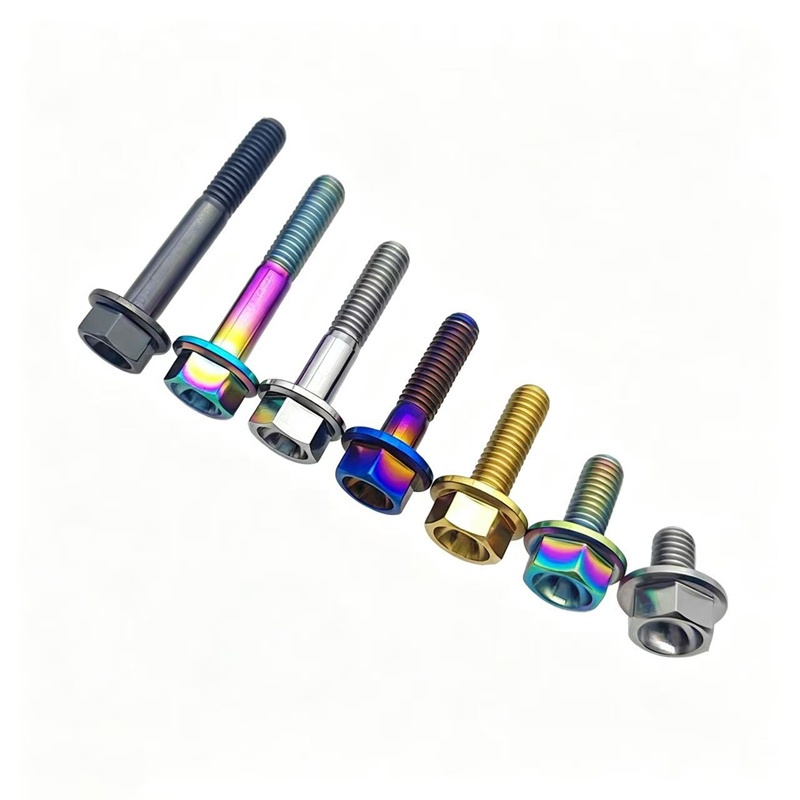
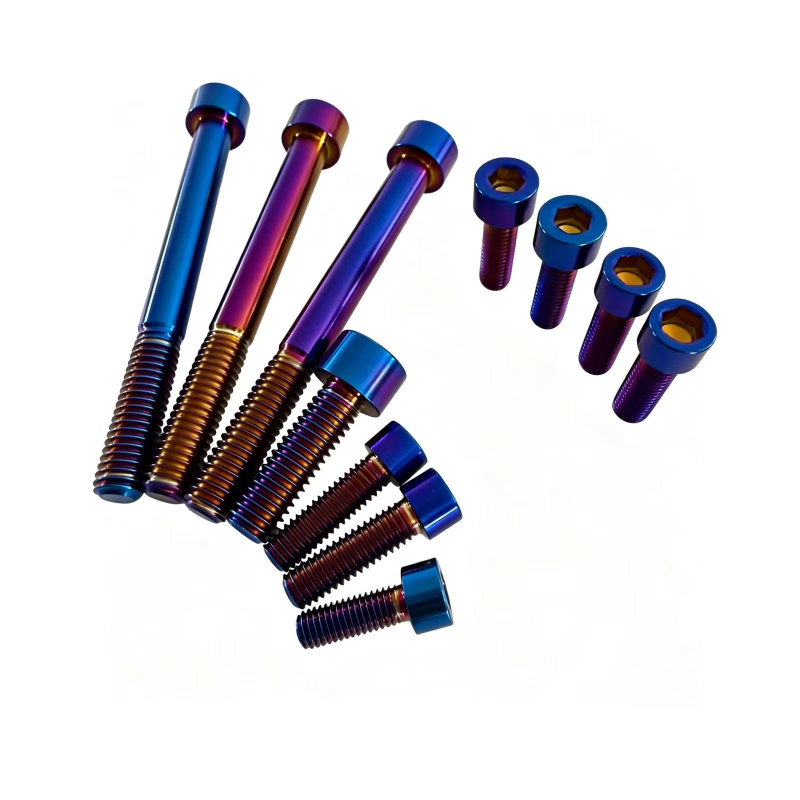
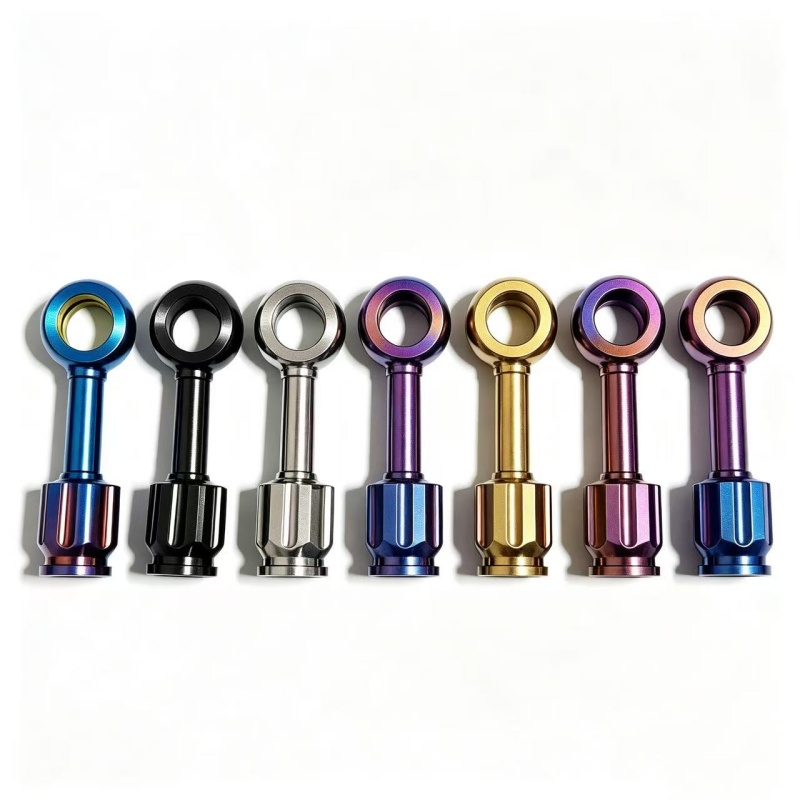
Explore our core production line of Grade 5 titanium bolts, connectors, and mounting studs engineered to endure excessive shear fatigue and aggressive Romanian road stresses.
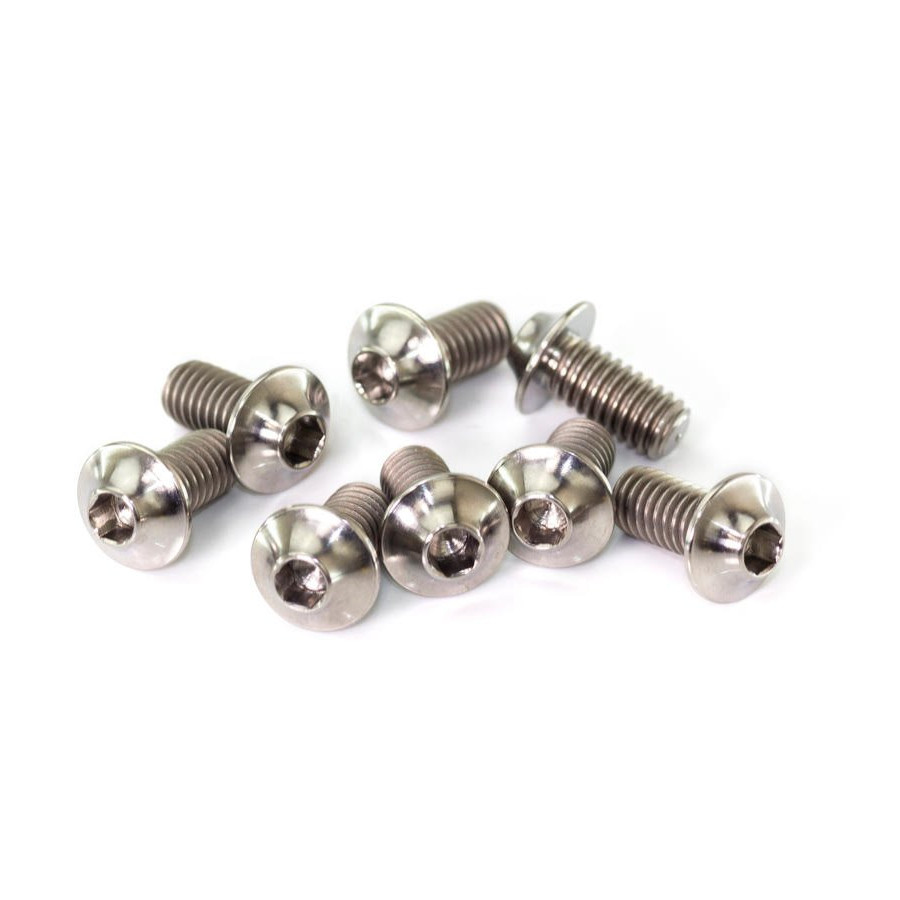
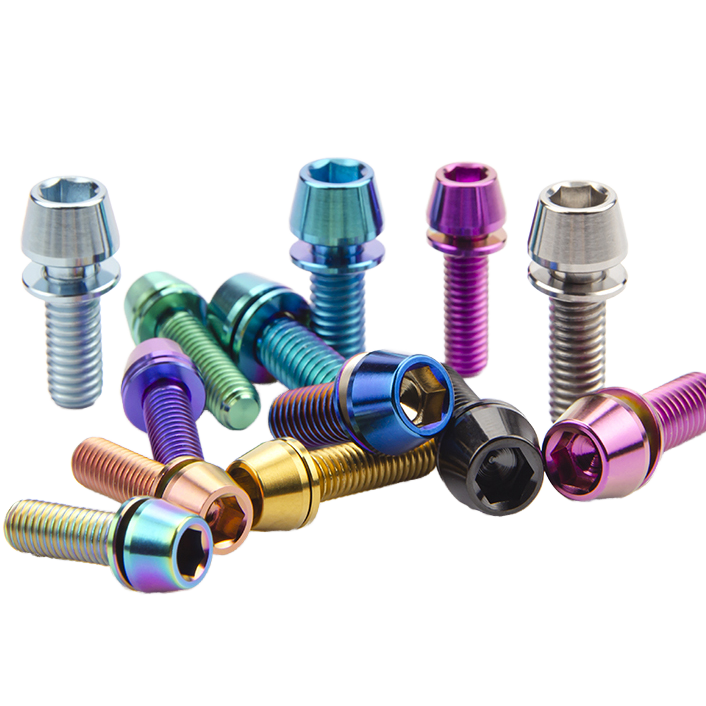
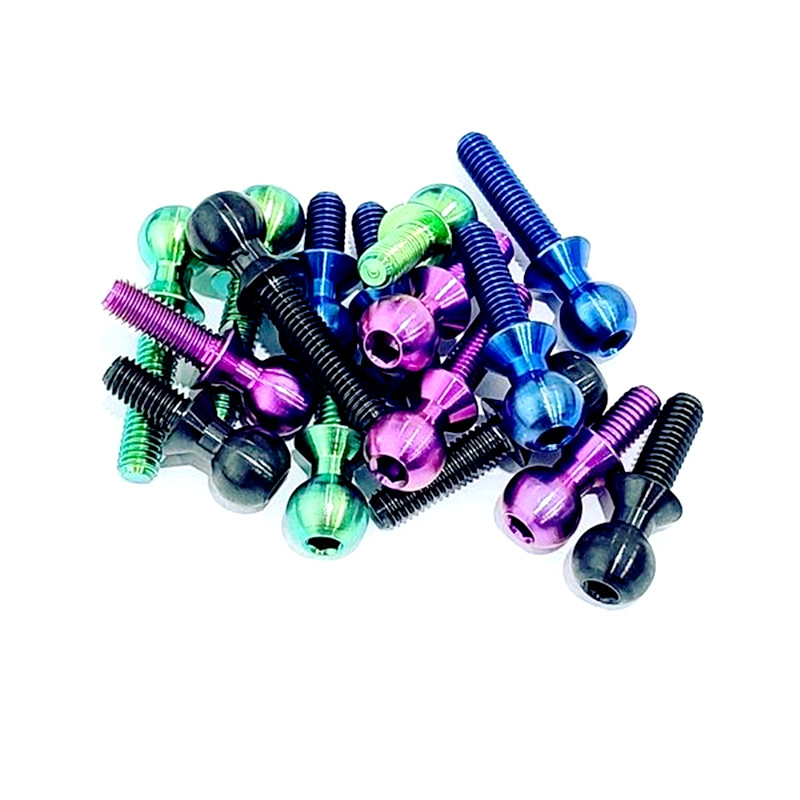
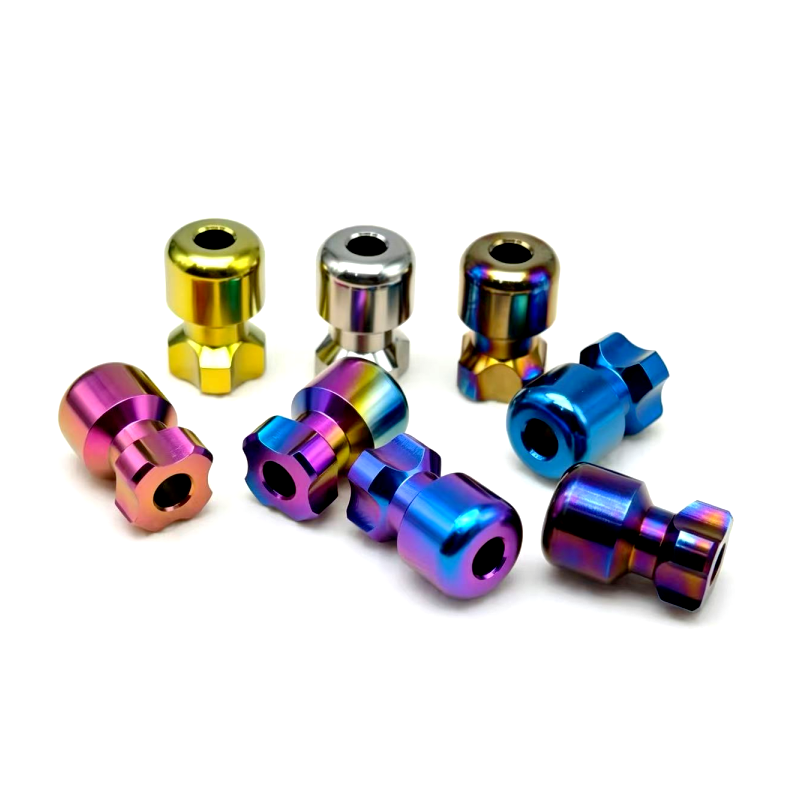
Engineering Whitepaper: Titanium Suspension Bolting for the Bucharest Infrastructure & Motorsport Sector
In structural suspension systems, fasteners are subjected to simultaneous dynamic shear, variable cyclic loading, and aggressive environmental electrolytes. For fleet operators, automotive tuning centers, and motorcycle racing stables in the greater Bucharest Metropolitan Area (Muntenia region), bolting failures represent severe downtime and liability. Verqo Titanium Products engineers and manufactures fully certified Grade 5 (Ti-6Al-4V) titanium suspension fasteners tailored to withstand these extreme local criteria.
1. Mechanics of Dynamic Suspension Loading: Unsprung Mass Optimization
Suspension assemblies—including damper lower forks, control arms, sway bar end links, hub carriers, and subframe anchor bolts—form the vital unsprung mass of a vehicle. Accelerometer telemetry confirms that reducing unsprung mass directly diminishes wheel bounce amplitude, accelerates damper response time, and maintains consistent tire contact patches over distressed pavement. Titanium alloy Ti-6Al-4V boasts a density of 4.43 g/cm³ compared to 7.85 g/cm³ for quenched and tempered 10.9/12.9 alloy steel. This yields an instant 43% weight reduction at every critical pivot point without the structural compromise found in lightweight aluminium fasteners.
2. Bucharest Operational Realities: Salt Brine, Potholes, and Thermal Spans
Bucharest presents specific operating challenges across urban commuting and weekend racing around MotorPark Romania (Adâncata):
- Aggressive De-icing Regimes: Winter maintenance by municipal administrations in Ilfov and Bucharest heavily relies on industrial calcium chloride (CaCl&sub2;) and rock salt solutions. Standard electro-galvanized or Dacromet-coated 10.9 steel suspension hardware experiences micro-fissuring and galvanic breakdown within 18–24 months, leading to seized suspension adjustment eccentrics and catastrophic thread stripping. Titanium develops an instantaneous, self-healing ruthenium-stable oxide film (TiO&sub2;) providing 100% immunity to salt corrosion and pitting.
- Dynamic Impact Fatigue: Secondary roads across Sector 1 through Sector 6, along with ring-road (Centura București) expansions, expose suspension linkages to continuous square-edge shock loads. Grade 5 titanium boasts exceptional fracture toughness (K&sub1;c ≈ 75 MPa√m) combined with a lower modulus of elasticity (114 GPa vs. 210 GPa in steel), enabling the bolt shank to flex elastically under extreme curb strikes without brittle fracture.
- Bimodal Climate Cycles: Operating environments range from summer street track temps exceeding +55°C near asphalt to sub-zero winters dipping below -18°C. Ti-6Al-4V maintains ductile mechanical characteristics without brittle transition phenomena across this full envelope.
3. Metallurgical Comparison: Why Verqo GR5 Exceeds Commercial Fastener Benchmarks
Many hardware traders sell commercial Pure Titanium (Grade 2) masquerading as structural fasteners. Grade 2 possesses an ultimate tensile yield below 350 MPa, rendering it perilous for vehicle suspension joints. Verqo strictly mandates vacuum-melted, aerospace-certified Ti-6Al-4V bars processed through cold-thread rolling machines to maintain continuous grain flow lines.
| Mechanical / Chemical Property | Verqo GR5 (Ti-6Al-4V) | Commercial Grade 2 (CP Ti) | Structural Steel Class 10.9 | Structural Steel Class 12.9 |
|---|---|---|---|---|
| Density (g/cm³) | 4.43 | 4.51 | 7.85 | 7.85 |
| Ultimate Tensile Strength (MPa) | 930 – 1,020 | 345 – 410 | 1,000 – 1,040 | 1,200 – 1,220 |
| Yield Strength (0.2% Offset, MPa) | 860 – 910 | 275 | 940 | 1,100 |
| Modulus of Elasticity (GPa) | 114 | 105 | 210 | 210 |
| Thread Forming Technology | Cold-Rolled Grain Continuum | Cut / Machined | Rolled / Heat Treated | Rolled / Induction Quenched |
| Resistance to Winter Salt Spoilage | Absolute Immunity (TiO&sub2;) | High Immunity | Requires Plating (Prone to Rust) | Severe Hydrogen Embrittlement Risk |
4. Romanian Procurement Trends: Alignment with EU Green Transition
Procurement patterns among Romanian motorsport teams, commercial motorcycle distributors, and Tier-2 automotive component fabricators reflect significant modernization:
- Rise of High-Torque E-Mobility: With the accelerated deployment of performance electric motorcycles (Surron, Talaria, Stark Varg) and electric light utility fleets across Bucharest, unsprung mass reduction is prioritized to maximize battery range and dampen regenerative braking torsion on suspension swingarms.
- Mandatory CE & REACH Compliance: Corporate workshops and distributors across Romania operate under strict EU regulations. Fasteners must feature non-toxic surface treatments (eliminating toxic hexavalent chromium coatings traditionally used on steel) and provide EN 10204 3.1 Material Test Reports proving traceability to the vacuum-melt ingot stage.
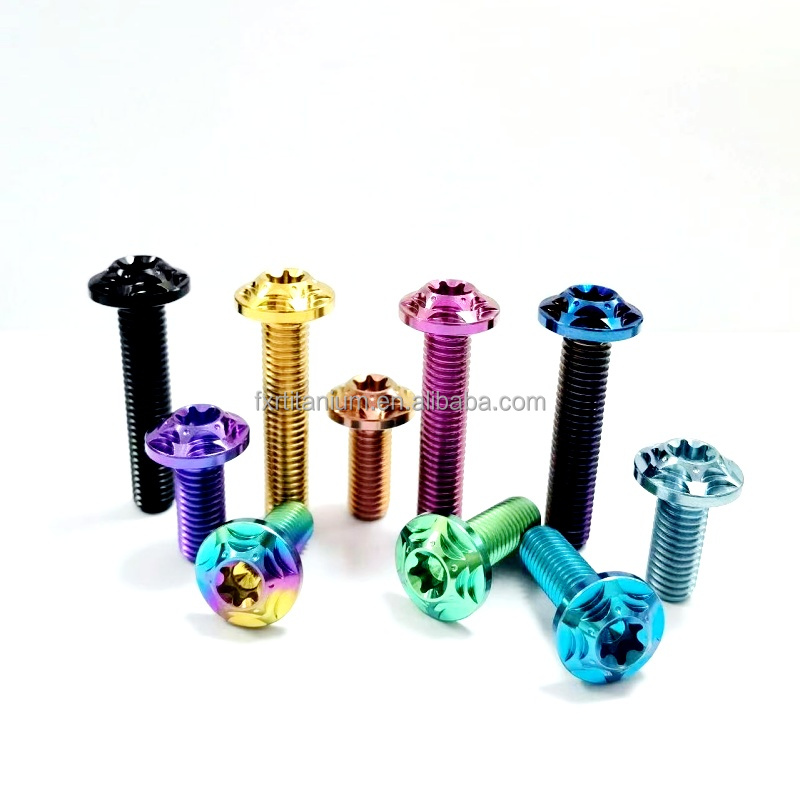
- Local Track Culture Demands: Motorsport hubs near Ilfov, Ciolpani motocross facilities, and the rapid rise of amateur track days at MotorPark Romania drive strong demand for drilled race-spec flange bolts with pre-drilled safety-wire apertures.
Why Tier-1 Workshops & European Importers Partner with Verqo
Combining 10+ years of dedicated OEM/ODM manufacturing capability with complete raw material control from the epicenter of China's titanium supply network.
Specialized CNC Multi-Axis Machining
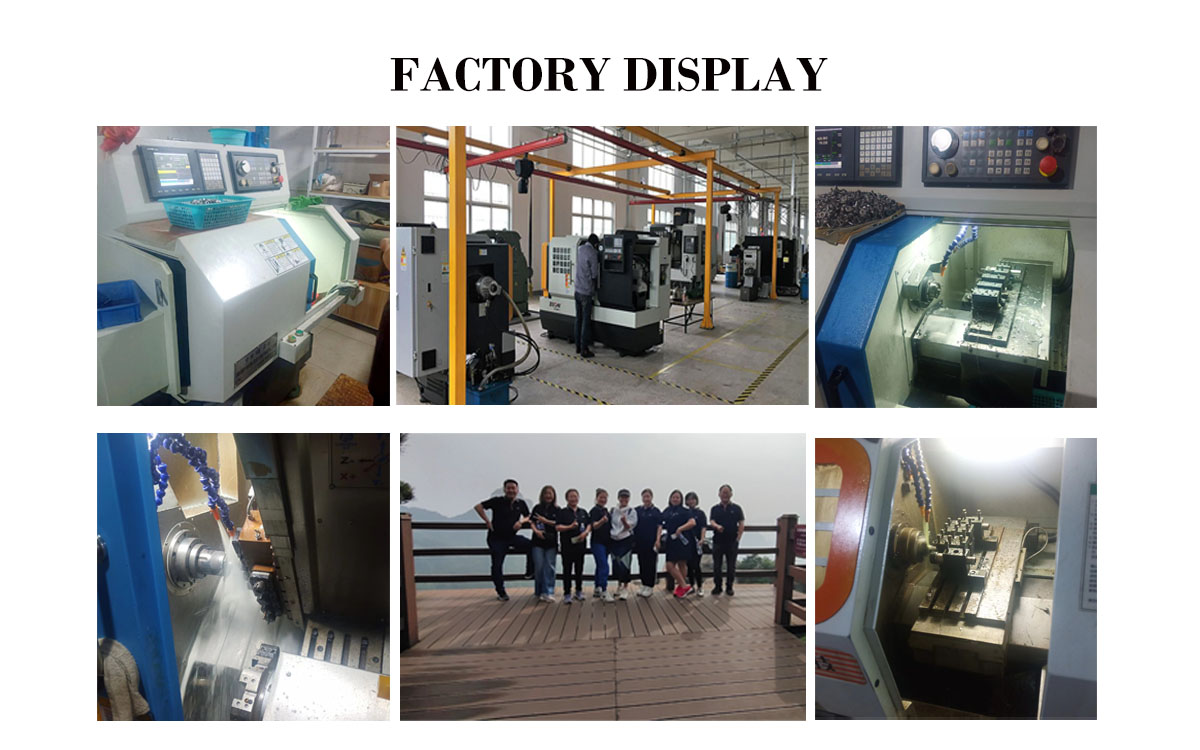
Our 1,001–2,000 m² production center houses multi-axis Swiss CNC turning stations guaranteeing ±0.01 mm precision tolerances across critical suspension shoulder pins, pivots, and threads.

Complete Batch Traceability & QC
From initial ultrasonic spectral checks of bar stock to optical thread pitch verification and torque-to-yield destructive testing, every single batch leaves with EN 10204 3.1 certification.
Seamless EU Door-to-Door Logistics
Dedicated packaging with individual compartmental protection prevents thread bruising in transit. Fast courier dispatch via DHL/FedEx directly into Otopeni (OTP) or Bucharest distribution centers.
Rolled Threads Only
Unlike cheap machined threads that cut across grain lines, our threads are cold-rolled, delivering a 30% jump in cyclic fatigue threshold and complete galling prevention.
Electrochemical Coloring
State-of-the-art PVD vacuum coating and multi-voltage anodizing providing burnt blue, gold, emerald, violet, and oil-slick neo-chrome that never flakes under brake cleaner or salt spray.
Rapid Quotation Dynamics
Our technical sales engineering team operates with a ≤2 hour average response latency and a verified 98.62% response rate, delivering CAD validations and quotes without delay.
Flexible B2B Order Sizing
From sample kits of 10–20 pieces for bespoke chassis prototyping up to full recurring monthly production contracts exceeding 50,000 units with tailored private-label laser etching.
Frequently Asked Questions by Romanian Buyers & Engineers
Addressing import practicalities, metallurgy, installation procedures, and CE compliance standards for Romanian automotive and commercial clients.
Are these titanium bolts legal for public road suspension upgrades in Romania (RAR Verification)?
Under the Romanian Automotive Registry (Registrul Auto Român - RAR) and European vehicle type-approval directives, suspension hardware replacement must match or exceed the original equipment tensile shear integrity (typically Class 10.9). Verqo Grade 5 titanium bolts supply tensile yields (≥895 MPa) that safely satisfy these parameters while providing EN 10204 3.1 material test certificates to support automotive inspection validation.
How do we prevent cold-welding and thread galling when pairing titanium bolts into aluminium hubs?
Due to the aggressive mechanical bonding nature of titanium, direct unlubricated installation into aluminium knuckle uprights or steel nuts can cause galling. We mandate a copper-based, nickel-based, or synthetic PTFE anti-seize paste applied to the threads. Torque figures should be matched to OEM specs or reduced by 10–15% when utilizing high-lubricity anti-seize lubricants.
What import procedures and customs duties apply when ordering from Baoji to Bucharest?
Shipments exported from our factory directly enter Romania under HS Code 8108.90 (Titanium Fasteners and Articles). Importers with a valid Romanian EORI number can clear shipments directly through Otopeni Customs (Vama Otopeni) or customs hubs in Bucharest. We provide all commercial declarations, packing lists, CE documentation, and Certificates of Origin to streamline the VAT and customs clearance process.
Can Verqo reverse-engineer custom suspension bolts from legacy race cars or discontinued motorbikes?
Yes. Many historic racing tuners in Bucharest lack original manufacturer CAD files. You can ship physical sample hardware or dimensioned engineering sketches to our Baoji facility. Our metrology department employs high-accuracy CMM (Coordinate Measuring Machines) and optical projectors to replicate every thread pitch, taper, and fillet radius within ±0.01 mm.
How does Verqo's PVD coating survive heavy Romanian gravel roads compared to standard anodizing?
While anodizing produces vivid decorative tones through controlled oxide surface diffraction, Physical Vapor Deposition (PVD) bonds a micro-thin ceramic metal nitride (such as TiN or TiCN) directly onto the surface in a vacuum chamber. PVD exhibits high surface hardness (HV 2000+), ensuring exceptional resistance against stone chips, abrasive mud, and harsh wheel-cleaning detergents.