High-Precision Titanium Fasteners for the Norwegian Industry
Engineered directly from Baoji Titanium Valley with cold-rolled threads, precision CNC profiles, and corrosion-resistant finishes designed to surpass DIN and ISO standards in demanding Nordic operations.
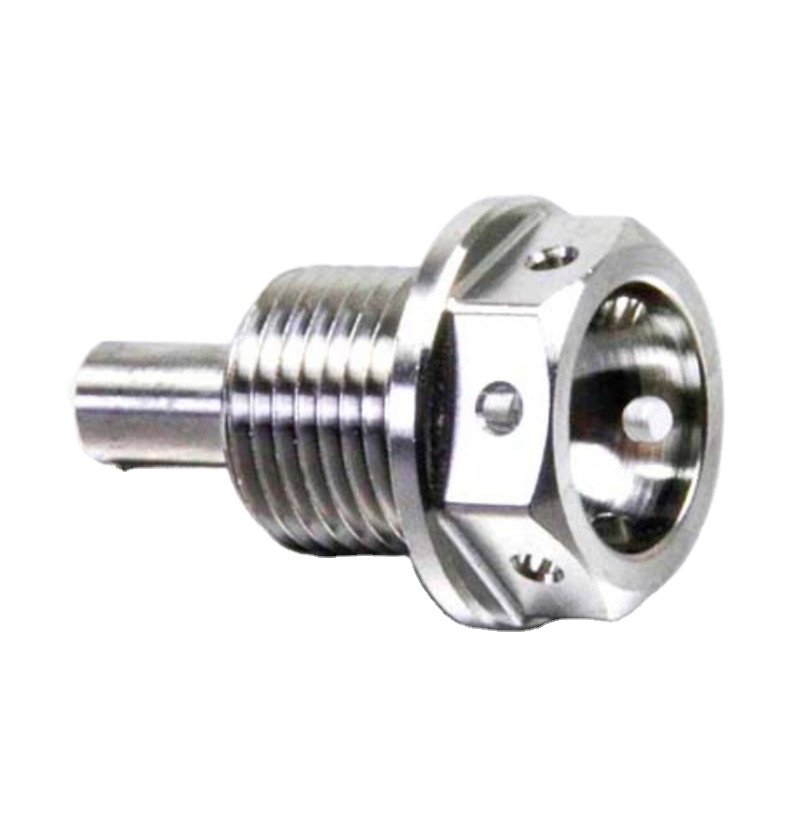
Factory Custom M12 M14 M16 M20 M26 Auto Automotive Sump Magnetic Titanium Oil Drain Plug Bolt
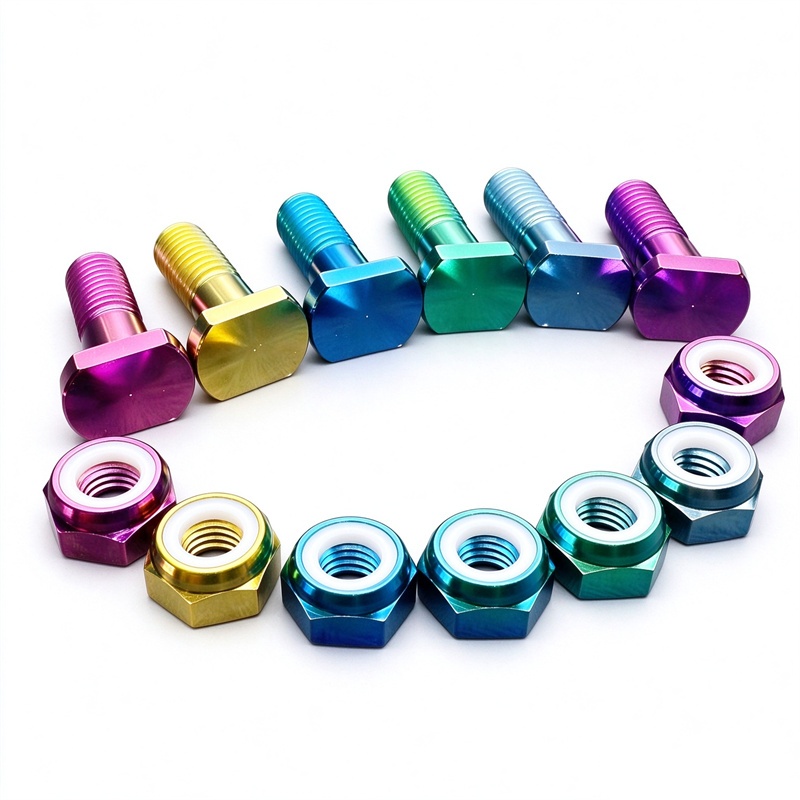
Custom Factory Polished Colorful Gr5 Titanium Alloy Motorcycle Disc Rotor Bolt and Nut Colorful for Ducati
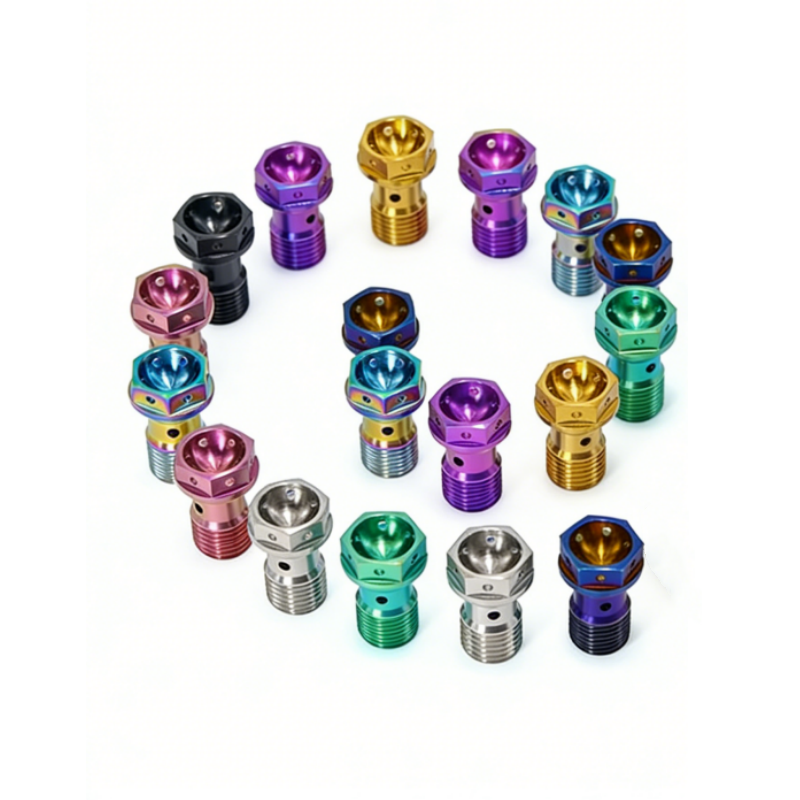
Customized M10 *1.0/1.25* 19mm Motorcycle Brake Calipers GR5 Titanium Banjo Bolts Baut for Brembo
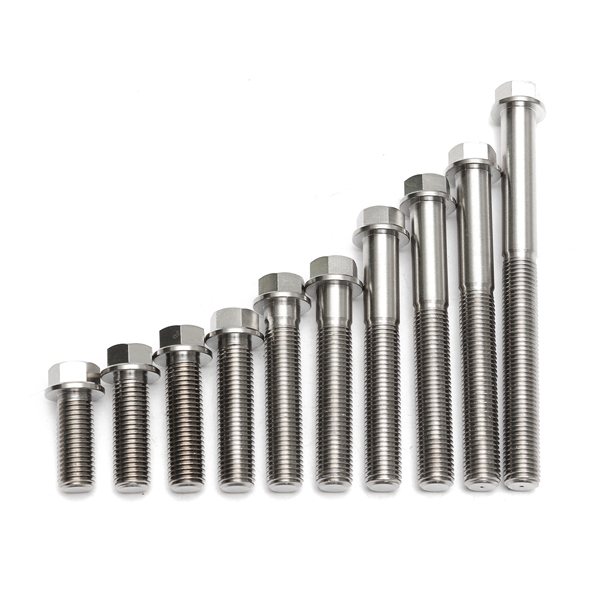
Factory Price M6 M8 M10 GR5 Motorcycle Automotive Sprint Midget Car Titanium Alloy Hex Flange Bolts Anodized Colored
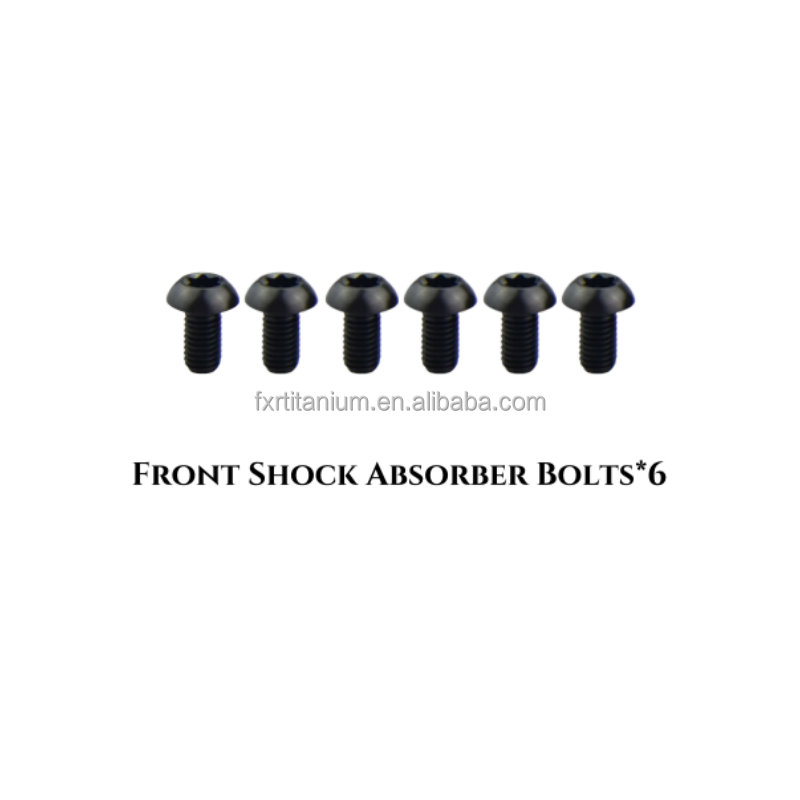
Factory Processing Class 10.9 12.9 Titanium Alloy Colorful Front Shock Absorber Bolts 6PCS for Surron Ultra Bee
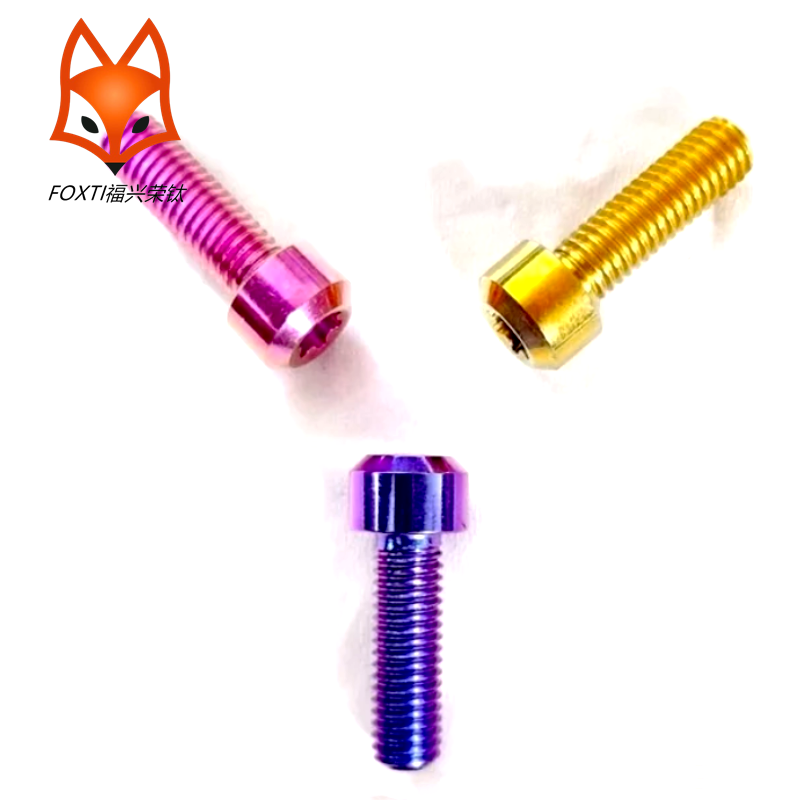
Factory Customized SHSC Head Small Motorcycle Modification Bolts ISO Standard Baut Ducati for Honda Yamaha GR5 Steel Plain
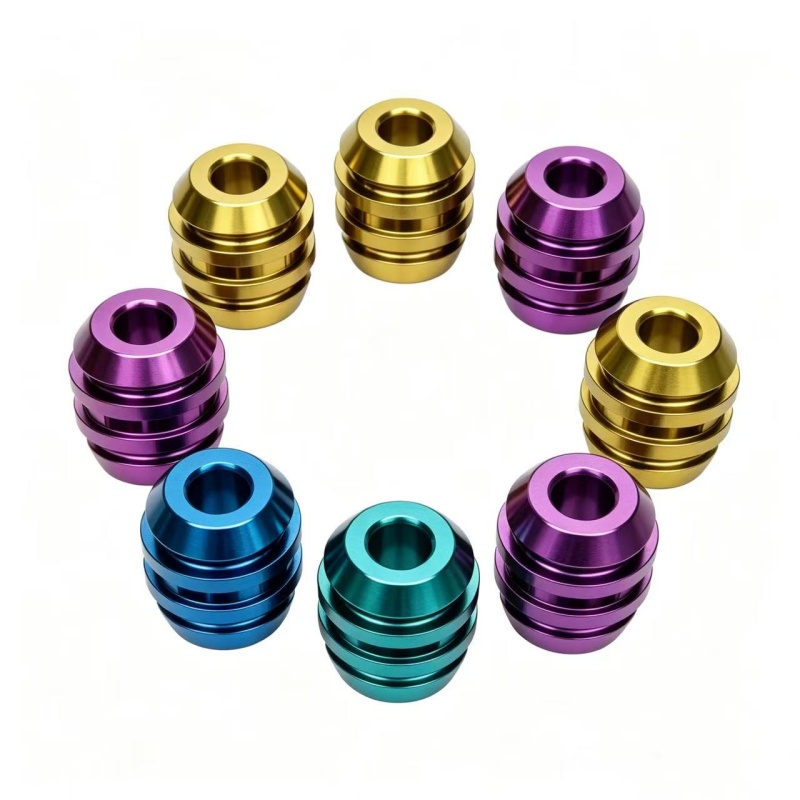
FOXTI Gr5 Titanium Alloy Custom Colorful PVD Coated Corrosion Resistant EDC Lanyard Beads 6mm/8mm Hole Pendant Beads for Knife
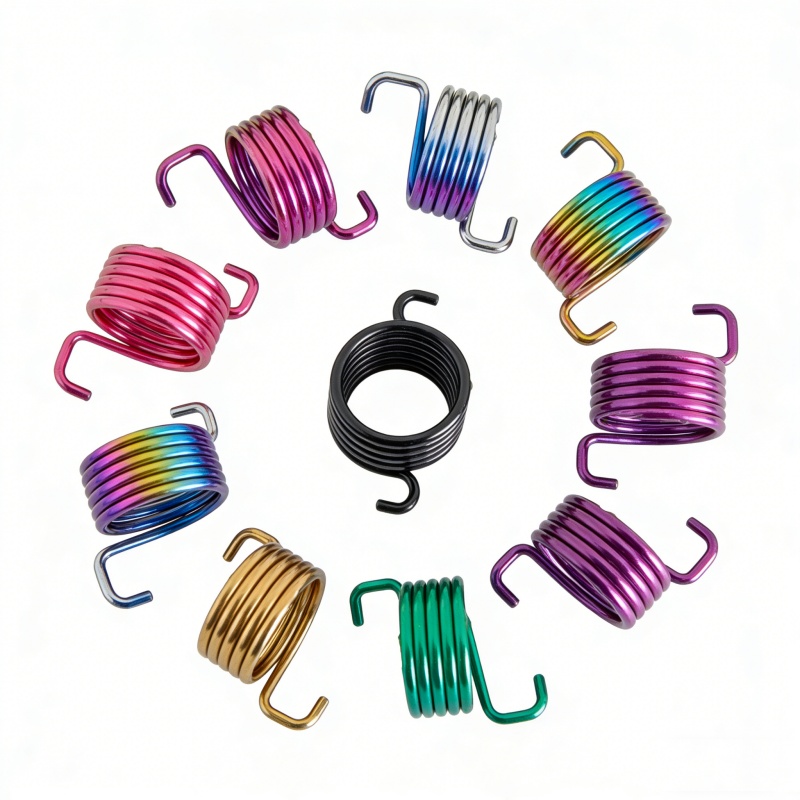
Factory Customized Colorful Titanium Alloy Coil Motorcycle Footpeg Torsion Spring 25 lb Load Capacity for KTM Husqvarna Kawasaki
Metallurgical Precision: Why Grade 5 (Ti-6Al-4V) Leads Nordic Engineering
In high-latitude engineering environments where temperatures plummet past -30°C and chloride saturation from fjord coastlines and highway de-icing salts destroys standard steels, Ti-6Al-4V provides an unbeatable structural defense.
| Mechanical & Physical Property | Verqo GR5 Titanium (Ti-6Al-4V) | Commercial Grade 2 (CP Ti) | High-Tensile Steel (Class 10.9) | Marine Stainless (AISI 316L) |
|---|---|---|---|---|
| Ultimate Tensile Strength (Rm) | 950 – 1050 MPa | 345 – 450 MPa | 1000 – 1040 MPa | 500 – 700 MPa |
| Yield Strength (Rp 0.2) | 880 – 950 MPa | 275 – 350 MPa | 900 – 940 MPa | 220 – 300 MPa |
| Density (g/cm³) | 4.43 g/cm³ (-43% vs Steel) | 4.51 g/cm³ | 7.85 g/cm³ | 8.00 g/cm³ |
| Pitting Resistance Equivalent (PREN) | Immune (Forms TiO₂ Passivation) | Immune | Poor (< 15, Readily Rusts) | 23 – 25 (Vulnerable to Pitting) |
| Charpy Impact at -40°C (Nordic Cold) | High Toughness (> 25 J) | Moderate | Severe Embrittlement Risk | Maintains Ductility |
| Fatigue Endurance Limit (10⁷ cycles) | 510 MPa | 180 MPa | 420 MPa | 260 MPa |
| Thermal Expansion Coefficient (20–100°C) | 8.6 × 10⁻⁶ / K (Thermal Stable) | 8.9 × 10⁻⁶ / K | 11.7 × 10⁻⁶ / K | 16.0 × 10⁻⁶ / K |
Cryogenic Integrity Down to -50°C
Unlike standard high-tensile ferritic engine fasteners that suffer catastrophic ductile-to-brittle transition below -10°C, Verqo’s Grade 5 alpha-beta titanium lattice maintains exceptional notch ductility and yield elasticity during brutal winters across Finnmark, Troms, and Svalbard offshore installations.
Continuous Passivation in Salt Mists
Norway's 100,000+ km coastline generates severe airborne marine salinity. Titanium instantaneously forms an inert, self-healing stoichiometric Titanium Dioxide (TiO₂) ceramic passive barrier. It prevents chloride pitting, crevice erosion, and galvanic degradation when paired with composite carbon fiber hulls or aluminum cylinder blocks.
Cold-Rolled Thread Dynamics
All Verqo engine bolts feature grain-aligned threads produced via cold-rolling instead of abrasive CNC cutting. Cold working induces continuous grain fiber contouring and beneficial compressive surface stresses, increasing fatigue life under high dynamic cycle loads across turbochargers and crankshaft mounts by up to 340%.
Where Our Titanium Engine Fasteners Deploy in Norway
From the racing circuits of Rudskogen to marine diesel drives navigating the Sognefjord, explore four mission-critical deployment zones engineered specifically for Norwegian commercial and recreational demands.
Inboard & Outboard Marine Powertrains
Norwegian leisure boat manufacturers (Goldfish Boats, Hydrolift) and commercial coastal vessels operate in high-salinity fjord waterways. Standard zinc-plated 10.9 steel fasteners inevitably corrode, while 316 stainless lacks the required tensile threshold for critical rotating engine components.
- Turbo Exhaust Manifold Studs: Withstand rapid heating cycles to 500°C without thread stretching or seizure.
- Magnetic Sump Drain Bolts: Scavenge micro-particulate engine wear across long-range coastal runs.
- Drive Flange Fasteners: Resists continuous marine electrolytic currents and cavitation.
High-Torque EV Drivetrains & Tuning
Norway maintains the highest per-capita EV adoption globally. Oslo and Bergen performance tuners modify high-output electric vehicle drives, dual-motor setups, and electric rallycross builds requiring extreme mass-shedding and non-magnetic powertrain hardware.
- Non-Magnetic Motor Housings: Zero magnetic interference with permanent-magnet stator flux fields.
- Suspension & Subframe Bolts: Sheds critical unsprung weight to heighten chassis agility on mountain roads.
- Surron & Talaria E-Moto Mods: Class 10.9-rated shock absorber & controller bolts for rugged trail jumping.
Gatebil Motorsport, Ice Racing & Snowmobiles
From the asphalt drift battles of Gatebil Rudskogen to winter snowmobile endurance across Finnmarksvidda, high-stress engines need fasteners capable of withstanding relentless vibration, stone impacts, and aggressive de-icing chemicals.
- Drilled Race-Spec Flange Bolts: Pre-drilled for safety wiring, compliant with NBF motorsport technical regulations.
- Brake Rotor & Caliper Banjo Sets: Eliminates unsprung braking mass for razor-sharp steering feedback.
- High-Elasticity Springs: Footpeg torsion coils that refuse to fracture during sub-zero Arctic trail riding.
Hydraulic Motors & Coastal Winch Systems
Aquaculture feeding barges and coastal industrial equipment in Stavanger and Trondheim operate continuously immersed in brine. Hydraulic drive heads and engine mounts require fasteners that eliminate galling and galvanic seizure over decades.
- Anti-Corrosion Casing Fasteners: Tested across 3,000+ hour continuous ASTM B117 salt spray chambers.
- PVD Thin-Film Coating Options: Extreme surface micro-hardness (up to 2800 HV) for abrasive grit environments.
- Custom Dimension Machining: Metric fine-pitch and specialized flange geometries per customer drawings.
Emerging Procurement Trends Across the Norwegian Engineering Sector
A strategic overview of industrial transitions shaping fastener sourcing for Norwegian distributors, fleet managers, and aftermarket leaders.
1. Mass Decarbonization & Lightweighting
Under Norway’s stringent Grønt Skipsfartsprogram (Green Shipping Programme) and aggressive EV mandates, component mass reduction directly correlates with extended battery range and lower nautical kilowatt consumption. Replacing steel powertrain fasteners with 4.43 g/cm³ Grade 5 titanium delivers immediate 43% weight savings on reciprocating engine blocks, reducing rotational inertia without sacrificing structural fatigue margins.
2. Displacement of 316 Stainless
Traditionally, Norwegian coastal engineering defaulted to AISI 316L for salt resistance. However, 316L features low yield thresholds (around 220 MPa) and is notoriously susceptible to chloride stress corrosion cracking (SCC) above 60°C. Engine and exhaust builders are systematically transitioning to Grade 5 titanium, which tolerates high thermomechanical exhaust gas pulses while remaining impervious to hot chloride attack.
3. Digital Traceability & EN 10204 3.1
Norwegian B2B buyers consistently mandate total metallurgical transparency. Verqo eliminates supply chain ambiguity by coupling shipments with full EN 10204 3.1 mill test certificates, documenting chemical spectrometry (Al 5.5-6.75%, V 3.5-4.5%, Fe <0.40%, O <0.20%), mechanical pull test curves, and cold-rolling lot codes.
Direct from Baoji: The Core of China’s "Titanium Valley"
Operating since 2015 with over a decade of OEM/ODM leadership, Verqo Titanium bridges advanced Chinese industrial metallurgy with exacting Scandinavian engineering expectations.
Sponge Titanium Raw Purity
Situated in Baoji, we secure virgin 0A sponge titanium melted through multi-pass Vacuum Arc Remelting (VAR). This process eliminates gas porosity and refractory inclusions, producing high-fracture-toughness ingots that satisfy ASTM B348, AMS 4928, and ISO 5832 standards.
Multi-Axis CNC Precision
Our workshop houses high-speed Swiss-type lathes and 5-axis CNC machining centers holding tight thread-pitch tolerances to DIN ISO 965-1 (6g/6H). Whether delivering micro M2 screws for telemetry sensors or heavy-duty M26 oil drain plugs, fitment accuracy is guaranteed.
Advanced Surface Engineering
Verqo provides specialized surface finishing lines in-house: high-gloss hand polishing, electrolytic anodization (burnt blue, gold, purple, green), and high-vacuum PVD sputtering (DLC diamond-like carbon, TiN, and neo-chrome rainbow) that resist abrasive wear and road salt contact.
Flexible B2B Sourcing
We eliminate rigid factory batch minimums. While stocking common DIN 6921 hex flange bolts and taper socket heads ready for immediate air freight with low MOQs of 10-20 pieces, custom CAD/solid-model prototypes can be sampled in just 7 working days.
Norwegian Buyer’s Frequently Asked Questions
Clear, direct answers regarding customs, shipping routes to Norway, anti-galling engineering protocols, and certified quality controls.
Upgrade Your Fastener Specifications for the Norwegian Market
Whether you require standard race-spec hex flange bolts, custom multi-axis CNC prototype hardware, or full container B2B distributor deliveries with EN 10204 3.1 certification, our technical sales engineers are ready to support your project.