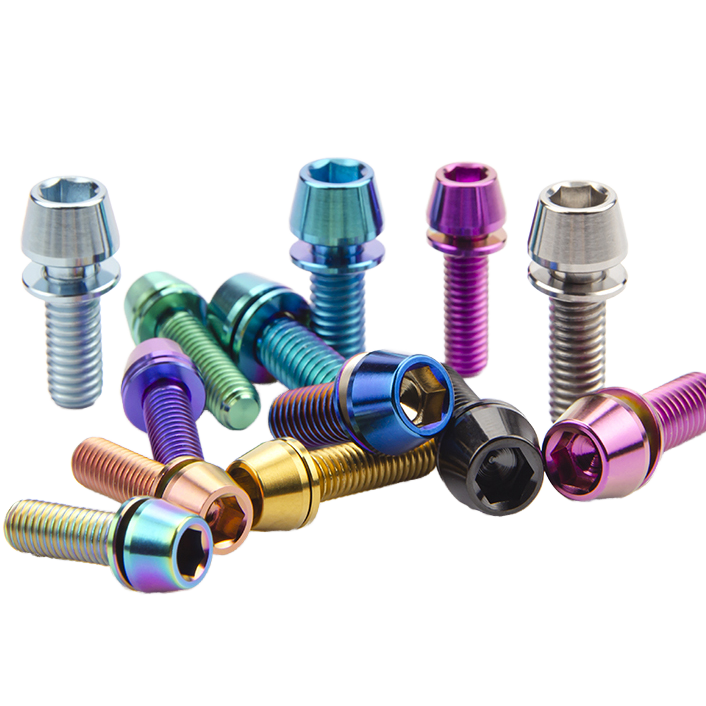
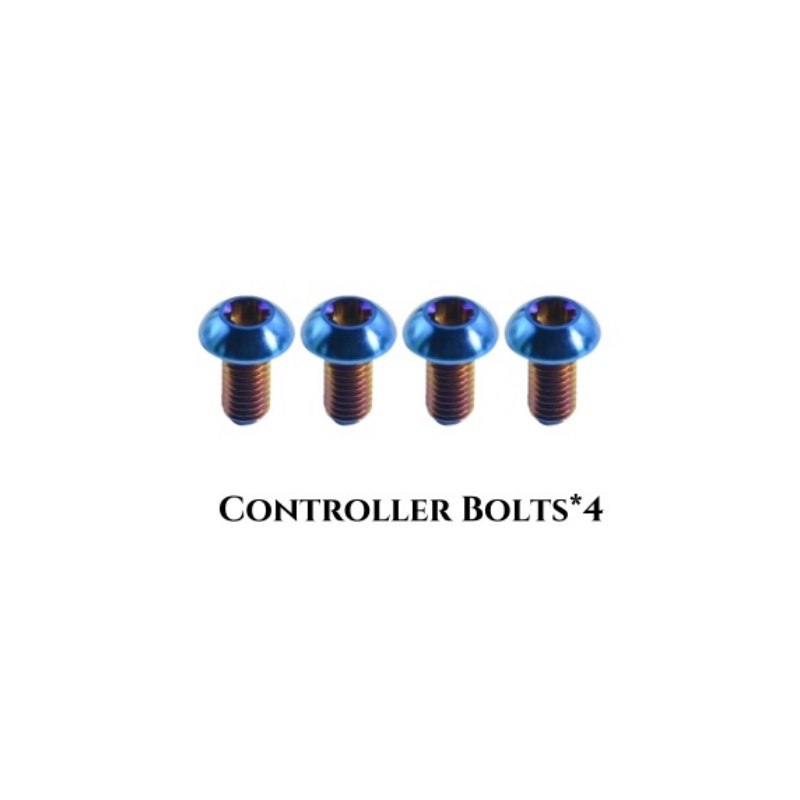
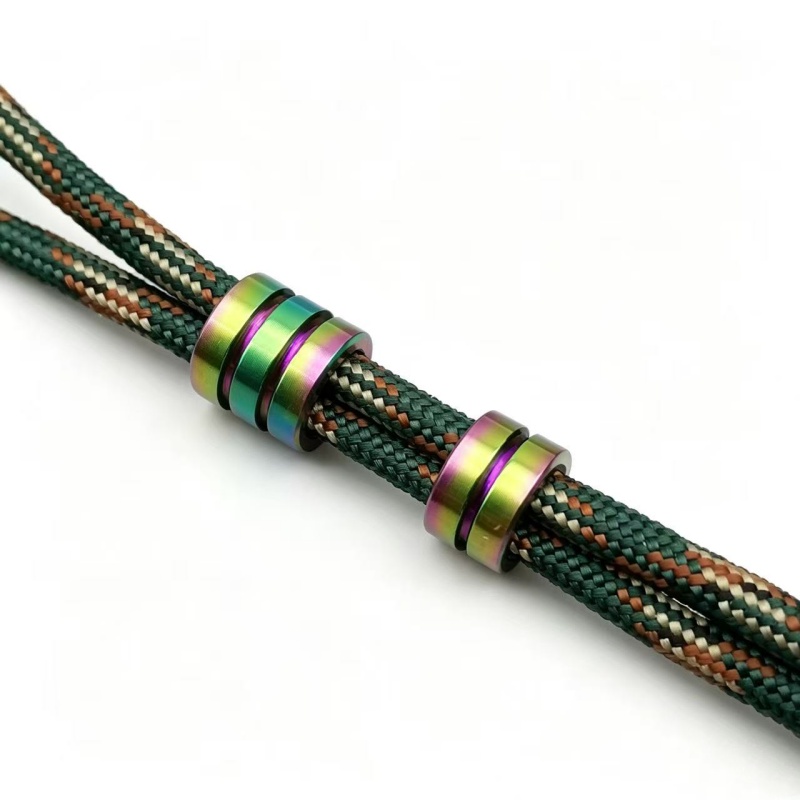
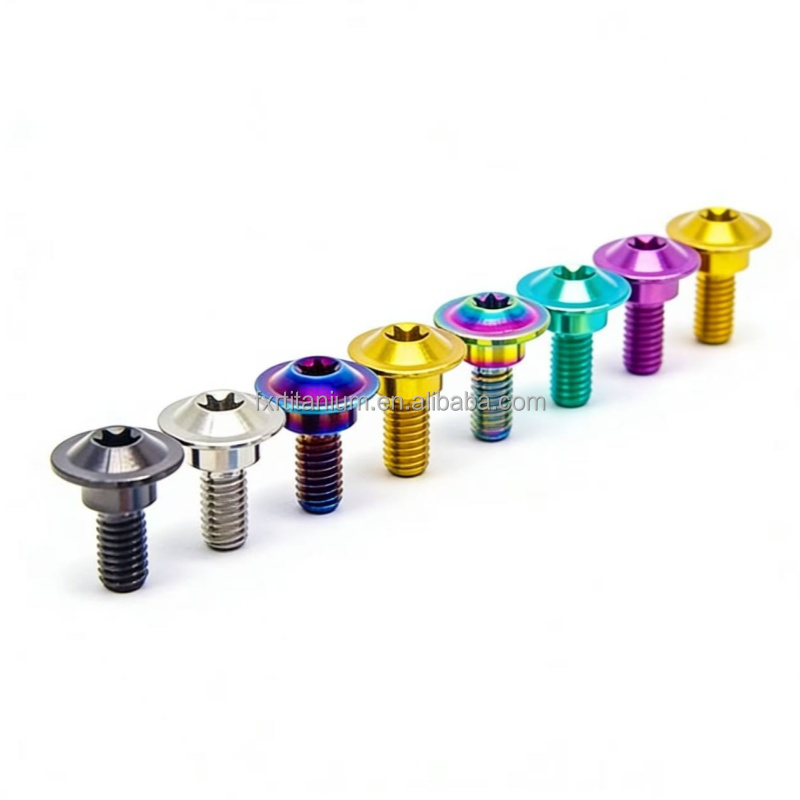
Featured Precision Titanium Components & Hardware Series
Precision CNC-turned and cold-forged Grade 5 titanium components featuring ultra-low dampening, zero acoustic bleed, and complete galvanic oxidation resistance.
10+
Years OEM / ODM Precision
895MPa
Min. Tensile Strength (GR5)
≤2h
Rapid Engineering Response
43%
Weight Reduction vs. Steel
Engineering Whitepaper: Acoustic Physics, Metallurgy, and Supply Dynamics of Titanium Hardware in Modern Guitar Manufacturing
In high-end musical instrument engineering, the mechanical boundary condition between the vibrating string and the resonating tonewood determines fundamental frequency retention, harmonic overtone richness, and transient responsiveness. For decades, instrument builders relied on die-cast zinc alloys, cold-rolled brass, or stamped carbon steel. However, these traditional metals exhibit acoustic compromises: zinc exhibits excessive internal damping which attenuates harmonic bloom, brass introduces a heavy mid-range bias with rapid treble decay, and ferrous steel is perpetually susceptible to atmospheric and sweat-induced oxidation.
As the premier Chinese manufacturer and global exporter of Ti-6Al-4V (Grade 5) titanium guitar parts, Verqo delivers unprecedented acoustic and metallurgical performance to European luthiers, bespoke boutique workshops, and musical instrument brands. This technical whitepaper analyzes the acoustic mechanics, local application contexts within the Marseille and broader French Mediterranean market, evolving industrial trends, and strategic supply chain protocols.
1. The Physics of Titanium Resonance: Acoustic Impedance and Frequency Transmission
The speed of sound through solid material is governed by the square root of its elastic modulus (Young's modulus, E) divided by its volumetric density (ρ): c = √(E / ρ). While Grade 5 titanium possesses an elastic modulus of approximately 114 GPa (lower than alloy steel's 200 GPa), its exceptionally low density of 4.43 g/cm³ yields an acoustic velocity of roughly 5,070 m/s. This allows mechanical vibration waves to propagate through bridge posts, saddle blocks, and neck mounting bolts at nearly double the speed observed in heavy brass.
Furthermore, the internal friction coefficient (damping factor, Q‾¹) of pure alpha-beta titanium alloy is remarkably low compared to zinc pot metal. When a steel, nickel, or phosphor bronze string releases stored kinetic energy across a titanium bridge saddle, virtually zero mechanical energy is lost to thermal hysteresis. The physical consequence for the player is immediate note articulation, broader high-frequency openness, and pronounced sustain extension across both acoustic soundboards and solid-body electric architectures.
| Material Specification | Volumetric Density (g/cm³) | Tensile Strength (MPa) | Speed of Sound (m/s) | Corrosion Susceptibility | Acoustic Tone Characteristic |
|---|---|---|---|---|---|
| Verqo GR5 Titanium (Ti-6Al-4V) | 4.43 | ≥ 895 | ~5,070 | Zero / Chemically Inert | Ultra-fast attack, wide harmonic clarity, linear sustain |
| Naval Brass (C36000) | 8.50 | ~340 | ~3,800 | Forms surface verdigris / tarnish | Warm, compressed highs, mid-range accentuation |
| Die-Cast Zinc (Zamak 3) | 6.60 | ~280 | ~3,100 | Prone to zinc rot / pitted degradation | Dampened transient, muddy articulation, fast decay |
| Mild Carbon Steel (1018) | 7.87 | ~440 | ~5,120 | Severe galvanic and rust oxidation | Bright initial spank, metallic harshness over time |
2. Localized Application Scenarios in Marseille and the Provence-Alpes-Côte d'Azur Region
Marseille, France's oldest and second-largest metropolis, anchors the Mediterranean basin with a rich, eclectic music ecology spanning classical conservatory institutions, jazz fusion collectives in the Cours Julien district, flamenco and gypsy-jazz ensembles, and touring rock festivals across southern France. This cultural environment generates distinct operational scenarios where titanium hardware provides an irreplaceable technical edge:
Maritime Marine Salinity Resilience
Marseille's proximity to the Gulf of Lion subjects local musicians and rental backline providers to salty Mediterranean humidity. Traditional nickel and chrome-plated steel bridge saddles develop pitting and galvanic seizing within 12–18 months. Verqo's Ti-6Al-4V components create an immediate, self-healing titanium dioxide (TiO&sub2;) passivation layer, rendering tremolo systems, locking nuts, and intonation screws completely impervious to saltwater corrosion and human sweat acid.
The High-End Luthier Ecosystem
The artisan guitar-building ateliers throughout Marseille, Aix-en-Provence, and La Ciotat prioritize ultra-premium tonewoods like Alpine spruce, aged French walnut, and flamed maple. Installing mass-produced zinc alloy hardware introduces an acoustic bottleneck. Verqo custom CNC-machines tailored guitar parts—including titanium neck plates, truss rod tensioners, bridge studs, and tune-o-matic saddles—that match the hand-crafted integrity demanded by European collectors.
Stage Tour Dynamics & Headstock Weight Relief
Festival performance stages throughout southern France face rapid temperature swings, from dry Mediterranean daytime heat to damp night sea breezes. Utilizing Grade 5 titanium truss rods and neck bolts reduces dead weight in the guitar neck, eliminating headstock dive while preventing cyclical thermal warping. Furthermore, titanium's negligible thermal expansion coefficient ensures guitar intonation remains rock-solid through rigorous outdoor festival sets.
3. Emerging Market Trends Across the French and European Guitar Industry
The European musical instrument market is experiencing a profound transition driven by changing regulatory frameworks, sustainability considerations, and an uncompromising quest for tonal individuality:
- Stricter REACH and Nickel Compliance: The European Chemicals Agency (ECHA) enforces stringent thresholds on nickel release in consumer goods that come into sustained dermatological contact. Conventional guitar hardware utilizes bright electroplated nickel, posing dermatitis risks for professional players. Biocompatible titanium hardware, finished via electro-chemical anodization or high-purity PVD (Physical Vapor Deposition), contains zero toxic heavy metals, aligning seamlessly with French eco-conscious standards.
- The "Vintage-Modern" Modding Movement: Guitar modification has emerged as a premier economic force across French guitar retailers. Independent guitarists actively upgrade their existing instruments with titanium tune-o-matic bridge sets, tremolo claw screws, and string-retainer blocks to achieve enhanced dynamic sensitivity without irreversibly modifying vintage wooden chassis.
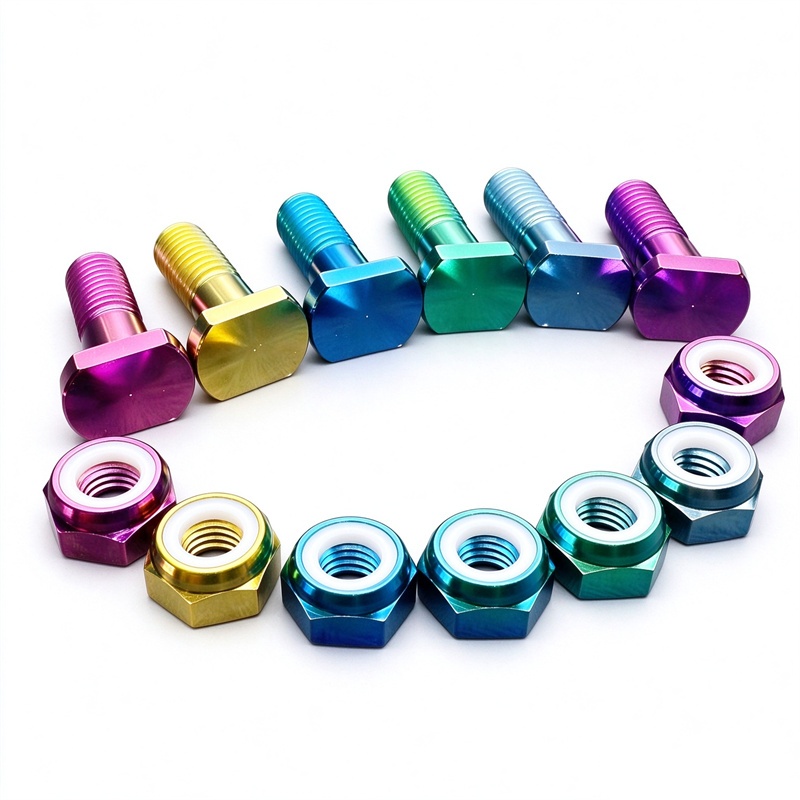
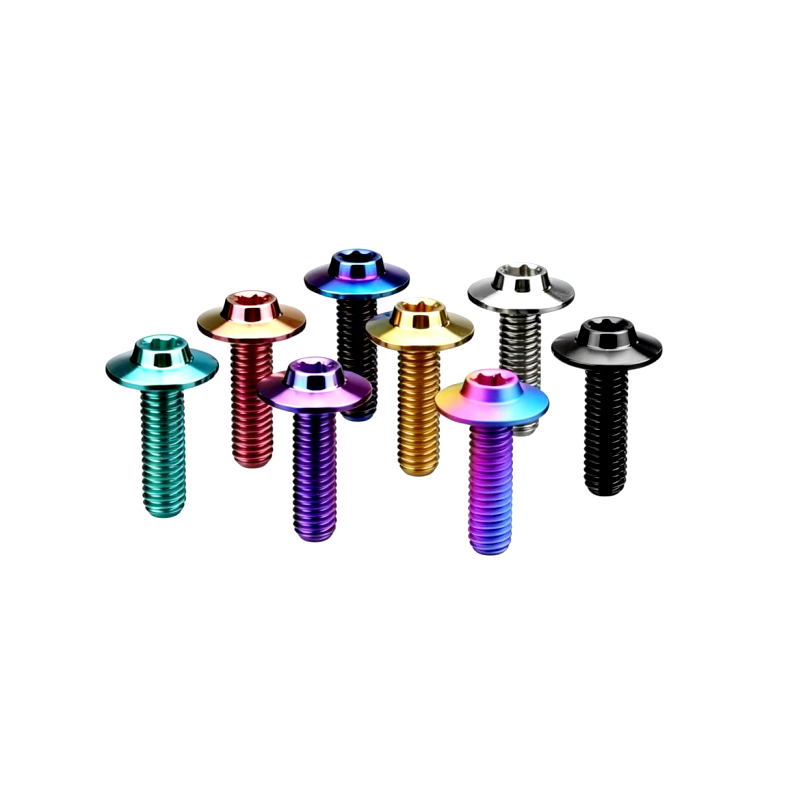
- Bespoke PVD Aesthetics: Modern stage instruments demand visual distinction. Beyond natural polished silver, our factory applies vacuum PVD coatings including mirror deep black, 24K gold tone, and oil-slick rainbow/burnt purple spectra, providing custom luthier lines with high surface hardness (exceeding 2,000 HV) that resists pick abrasion and sweat wear.
4. Factory Capabilities: Why Verqo Leads China's Titanium Manufacturing
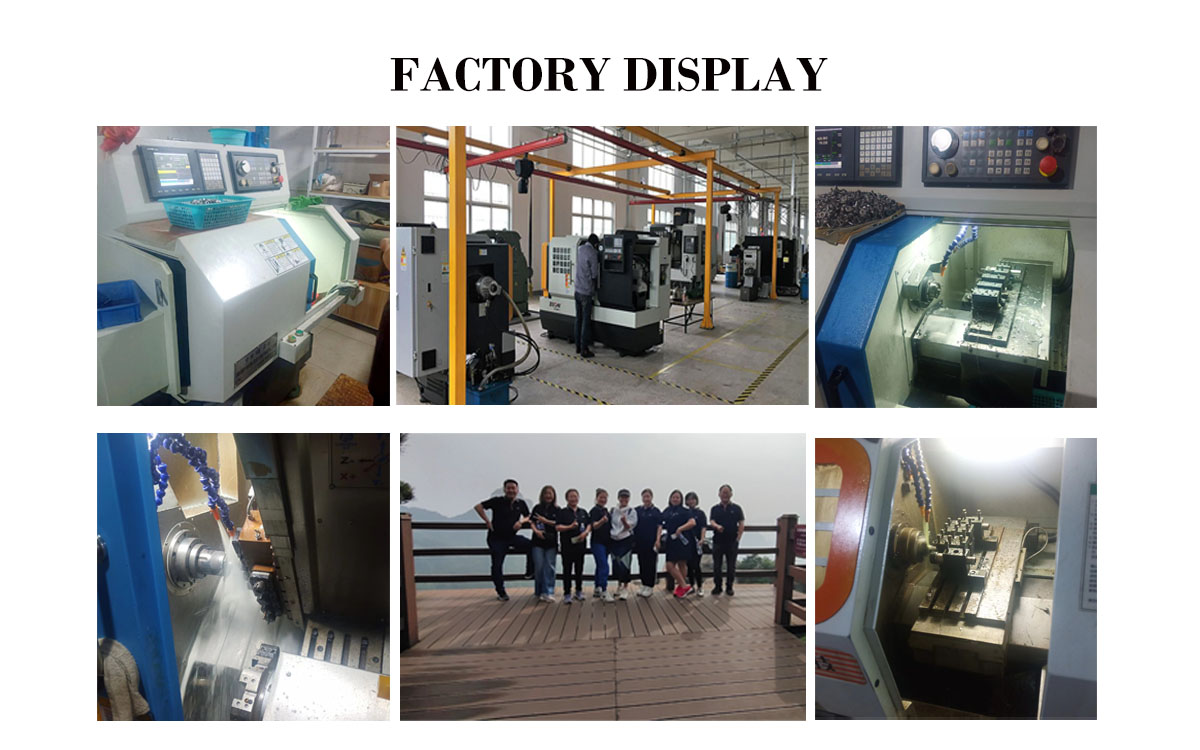
Verqo Titanium Products Co., Ltd. operates from the industrial heartland of Baoji in Shaanxi Province—internationally recognized as China's "Titanium Valley." This geographic cluster provides direct access to 99.995% high-grade sponge titanium, advanced vacuum arc remelting facilities, and centralized metallurgical laboratories. Our advantages encompass:

Machining Workshop

5-Axis CNC Precision

Quality Inspection & QC
Export Packaging
- Precision Multi-Axis CNC Machining: We utilize Japanese Citizen and Star sliding-head Swiss lathes with sub-micron positional repeatability (±0.005 mm), ensuring string slot radius tolerances on bridge saddles eliminate string buzzing and premature core-wire fatigue.
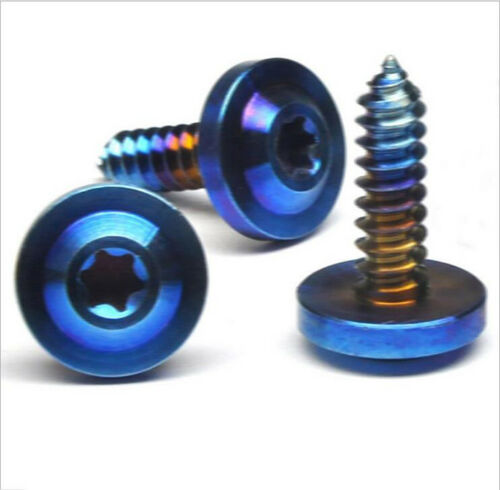
- Cold-Rolled Threading Integrity: Unlike cheaper cut-thread fasteners that disrupt metal grain structure, all Verqo titanium guitar neck screws, pickguard bolts, and bridge posts are precision thread-rolled. This prevents thread seizing, eliminates stripping in hardwood maple necks, and delivers 30% higher shear fatigue resistance.
- Complete Material Traceability: Every production batch is certified with mill test reports per EN 10204 3.1, detailing exact chemical concentrations (Al: 5.5–6.75%, V: 3.5–4.5%, Fe: ≤0.30%, O: ≤0.20%, Ti: Balance) and tensile mechanical properties.
- Flexible Trade and Logistics for European Importers: We maintain low, agile Minimum Order Quantities (MOQ starting at 20–50 pieces for custom luthier runs) alongside bulk container production capacities. With swift express courier connections to Marseille Provence Airport (MRS) and sea freight routing to the Port of Marseille-Fos, sample prototyping to full-scale delivery is executed with predictable transit times.
Frequently Asked Questions for Marseille & European Buyers
Essential insights for guitar brands, distributors, and repair centers sourcing precision titanium components directly from China.
Q1: Does replacing bridge saddles with Grade 5 Titanium alter instrument tonality?
Yes. Due to titanium's superior acoustic velocity and minimal energy absorption, it notably broadens string transient dynamics. Treble clarity becomes crisp without harsh high-end spikes, string separation during complex harmonic voicings is vastly improved, and string vibrational sustain increases noticeably compared to zinc or brass saddles.
Q2: How does titanium perform against galvanic corrosion in coastal zones like Marseille?
Titanium resides near the top of the galvanic galvanic series as one of the most noble metals. In coastal humid environments containing sea spray chloride ions, it will neither oxidize nor foster galvanic electrolytic degradation when mounted in proximity to copper pickguard shielding, nickel-silver frets, or brass grounding plates.
Q3: What are your Minimum Order Quantities (MOQ) for custom luthier dimensions?
We accommodate both independent artisans and industrial manufacturers. Standard thread screws and in-stock saddles start at an MOQ of 10 to 20 pieces. Bespoke CNC prototypes engineered to custom CAD prints (DWG, STEP, or physical samples) typically start from 50 to 100 pieces per batch.
Q4: Can you match vintage inch/imperial threads (e.g., 6-32, 8-32, 10-32 UNC) for American spec guitars?
Absolutely. While our standard manufacturing catalog includes metric sizes from M2 to M26, we regularly produce rolled UNC and UNF pitch profiles precisely matching vintage and modern American-style bridge studs, pickguard mounting screws, and truss rod nuts.
Q5: What surface finishes are recommended for premium guitar hardware?
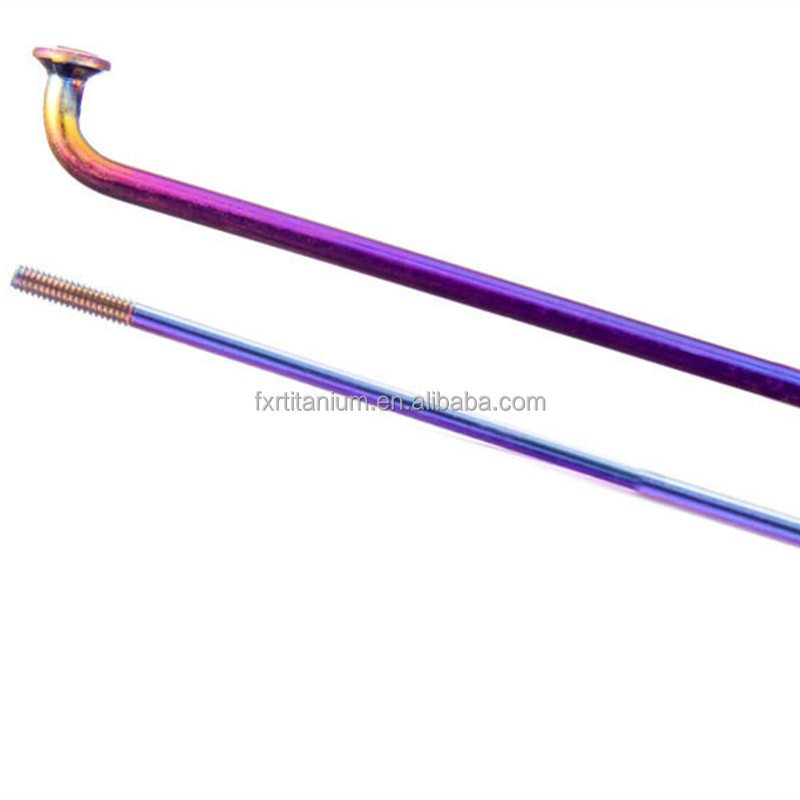
We provide ultra-fine mechanical diamond polishing, vibratory tumbling for an antique industrial matte look, electrolytic anodization (delivering vibrant royal blue, gold, and purple), and industrial vacuum PVD coating in high-wear scratch-resistant black, chrome, and rainbow oil-slick finishes.
Q6: What are the lead times and shipping procedures to southern France?
Prototypes and stock hardware ship within 3–7 business days via air express (DHL/FedEx/UPS), reaching Marseille or Provence-Alpes-Côte d'Azur addresses within 4–6 business days. Full commercial production runs are delivered either air-freight or sea-freight to the Port of Marseille-Fos under DDP, DAP, or FOB incoterms.