Grade 10.9/12.9
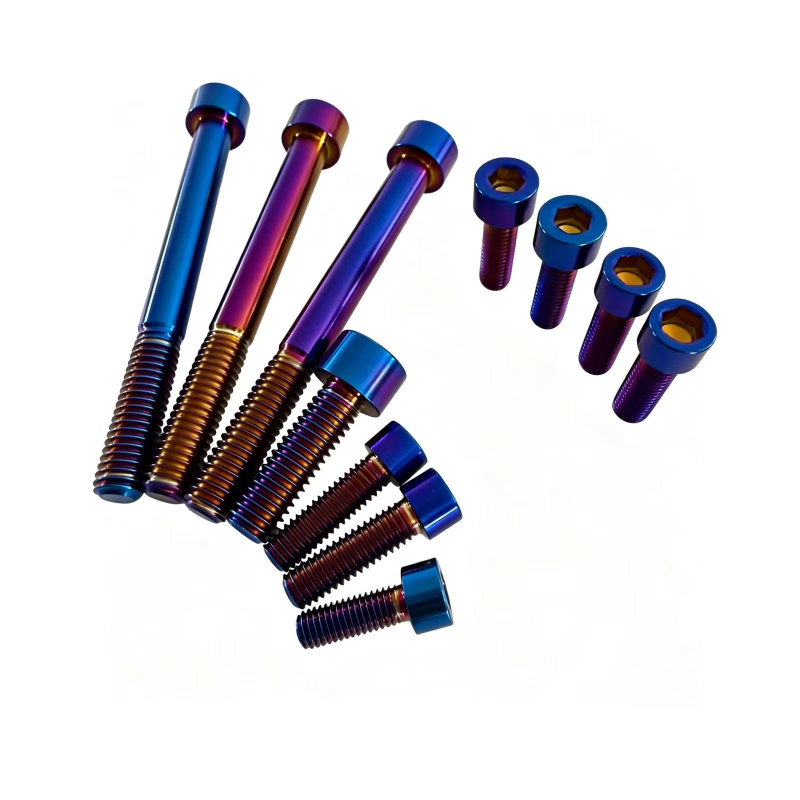
Machined from certified Ti-6Al-4V (Grade 5) bars with cold-rolled threads and multi-axis CNC tolerance verification to DIN EN ISO standards.
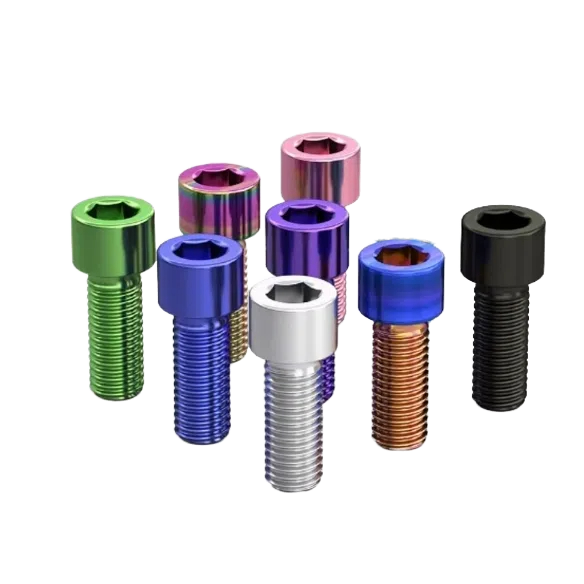
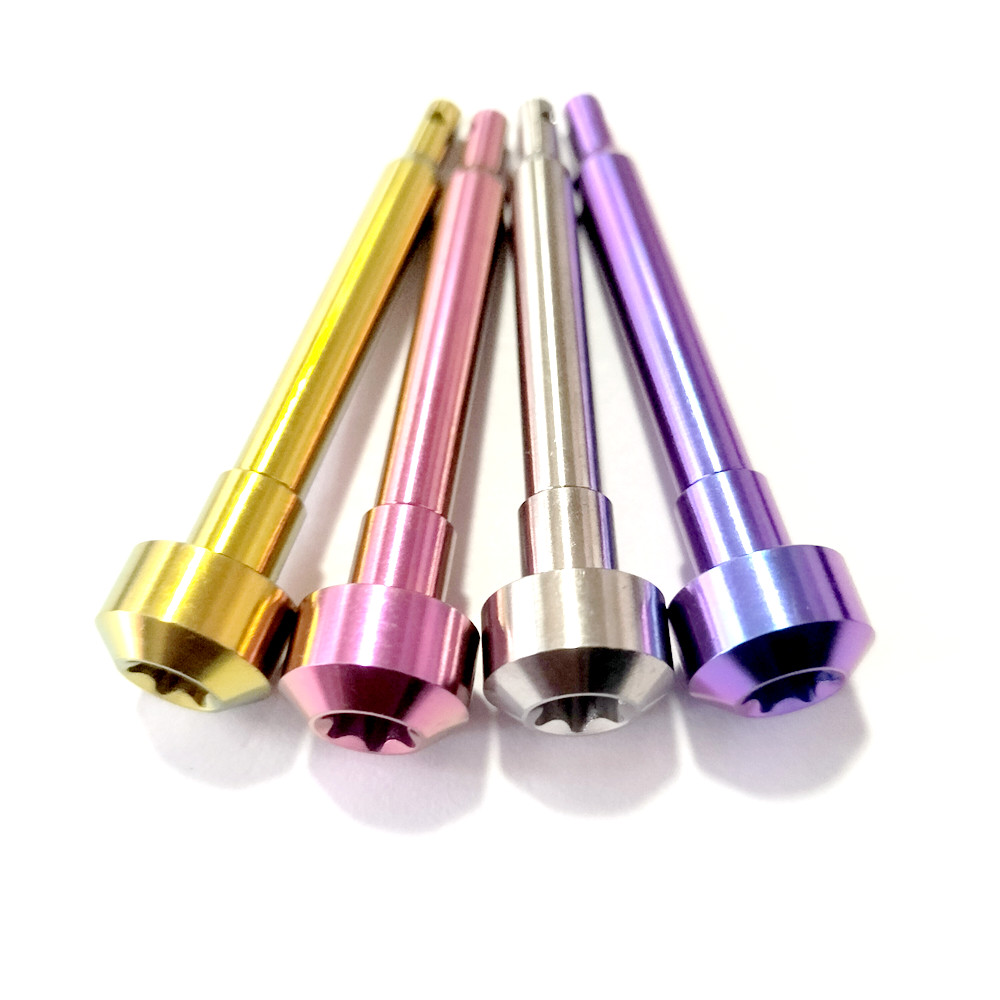
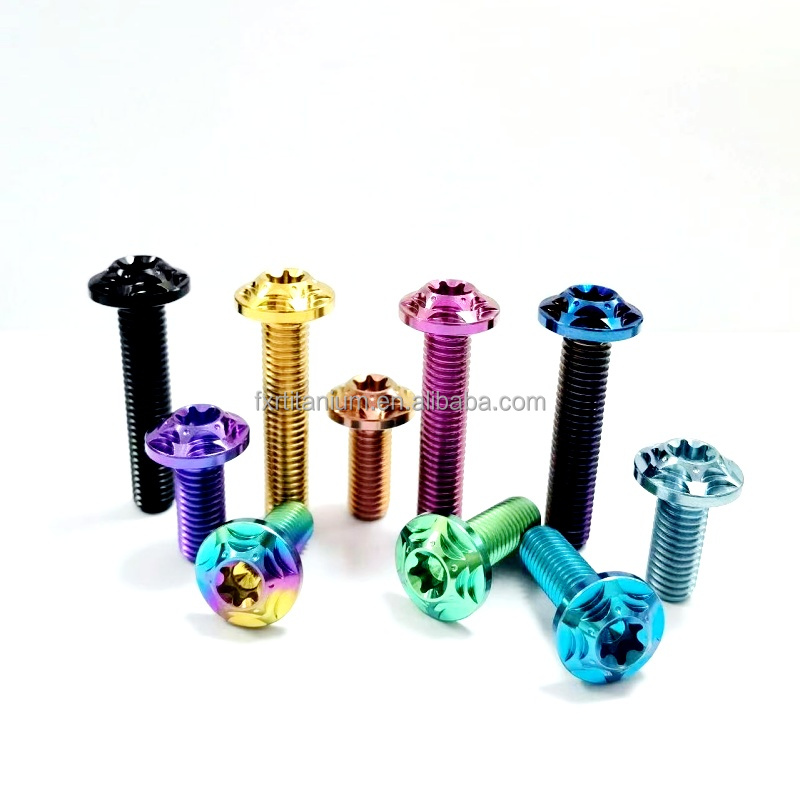
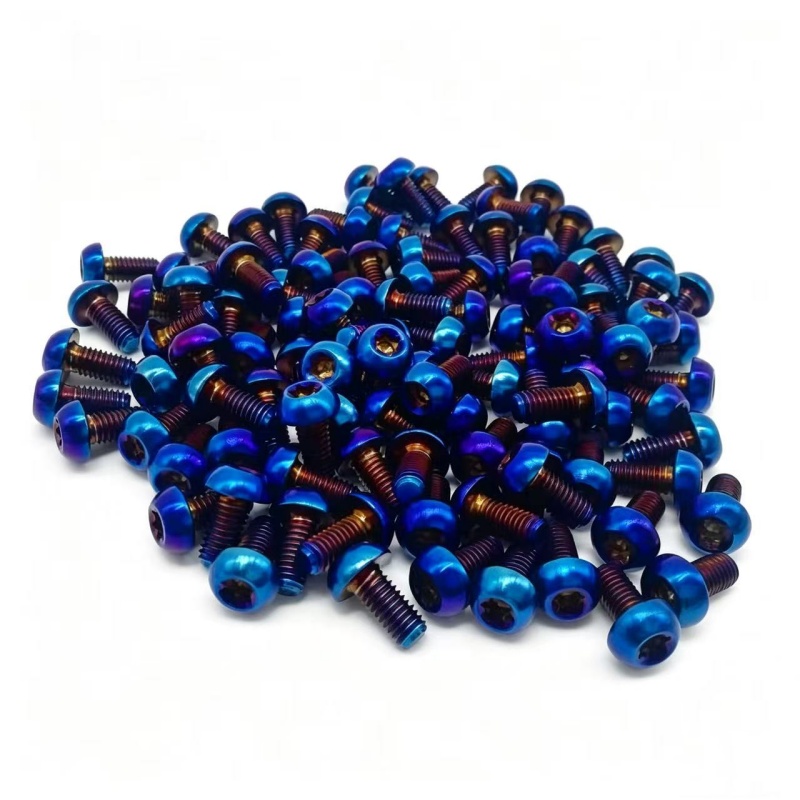
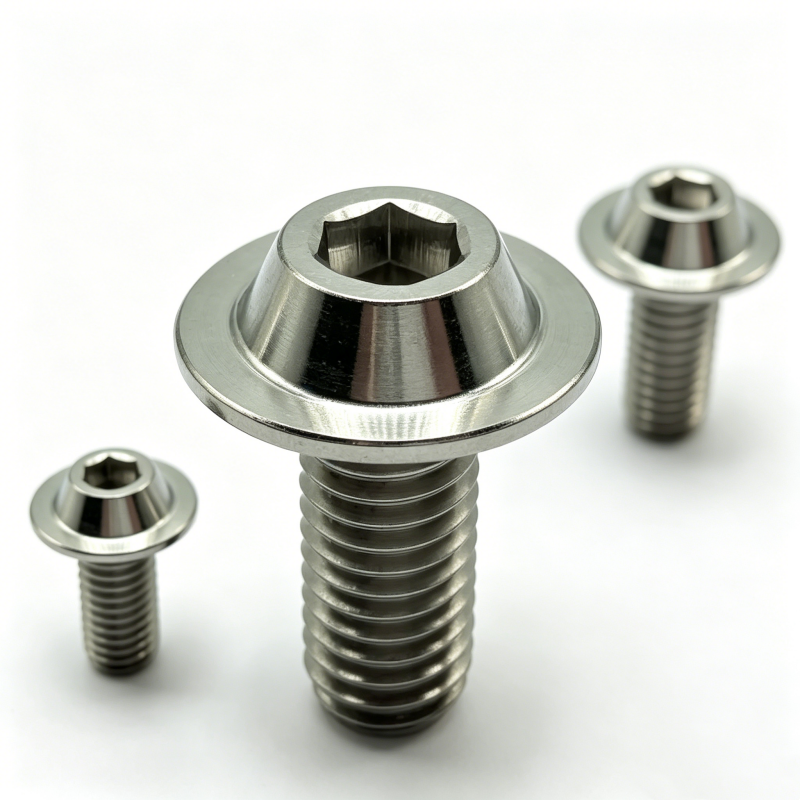
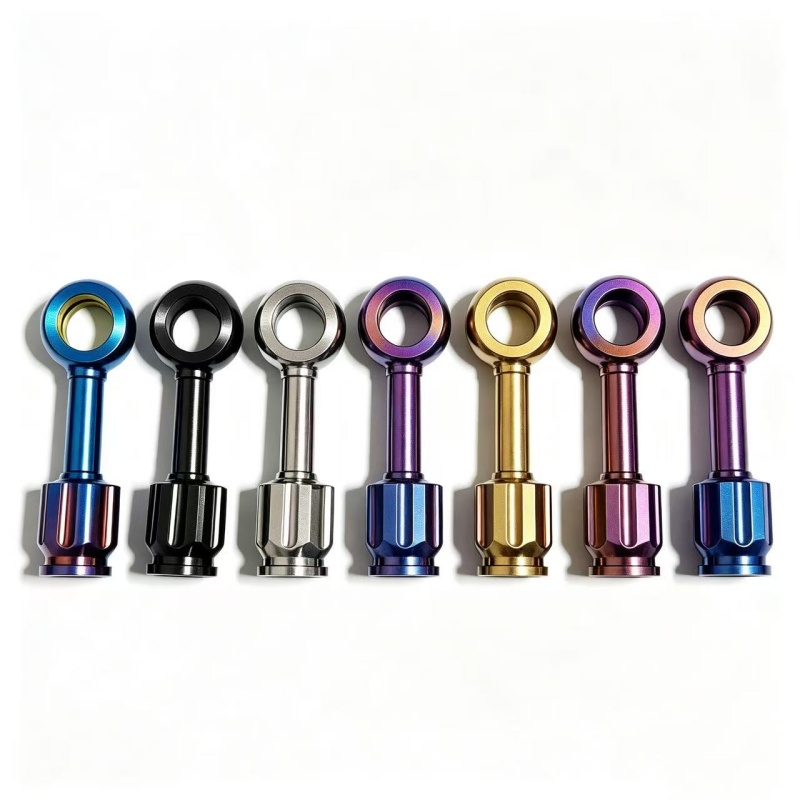
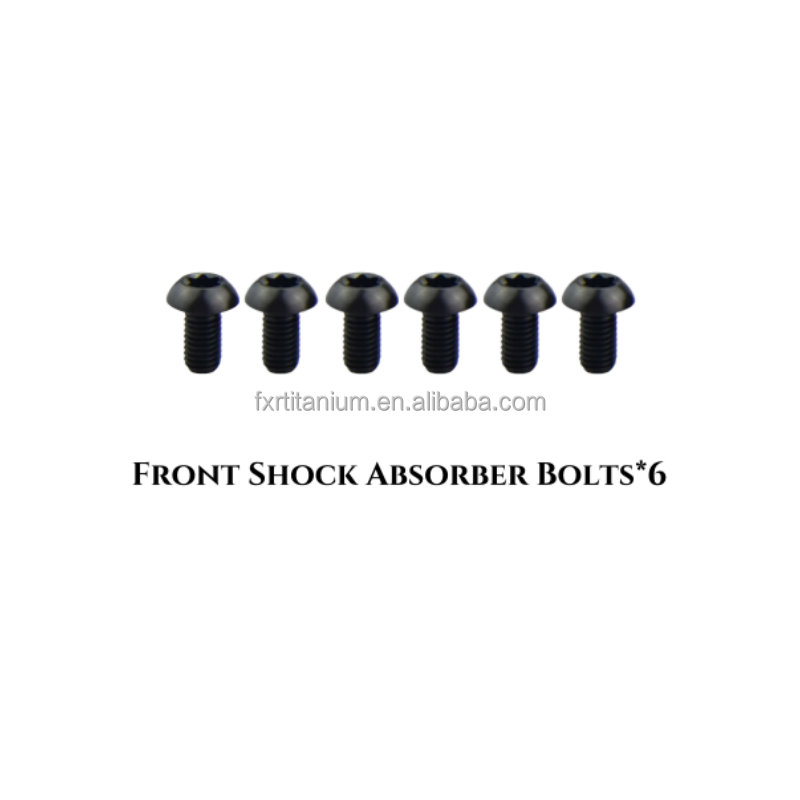
Bicycle stem bolts and handlebar clamp fasteners endure complex multi-axial fatigue stresses: cyclic clamping tension, torsional shear from sprint leverage, and severe high-frequency vibrational chatter transmitted through carbon or alloy fork steerers. Historically, Austrian framebuilders and component designers relied on Grade 8.8 or 10.9 zinc-plated or chrome-moly steel fasteners. However, shifting market demands in Vienna—driven by road racing across the Vienna Woods (Wienerwald) and heavy commuter transit across inner-city cobblestones—have pushed titanium stem bolts to the forefront of lightweight structural design.
As an authoritative manufacturer originating from Baoji (China's Titanium Valley), our stem fasteners utilize certified aerospace-grade Ti-6Al-4V (Grade 5, UNS R56400). With an alpha-beta crystal structure created by adding 6% aluminum and 4% vanadium, this alloy yields structural performance that surpasses common commercial titanium (GR1 or GR2) and rivals heat-treated carbon steels.
| Mechanical Property | Ti-6Al-4V (Grade 5 annealed) | Commercially Pure Ti (Grade 2) | High-Tensile Steel 10.9 | Austenitic A2/A4 Stainless |
|---|---|---|---|---|
| Density (ρ) | 4.43 g/cm³ (-43.5% vs Steel) | 4.51 g/cm³ | 7.85 g/cm³ | 7.95 g/cm³ |
| Tensile Strength (Rm) | ≥ 895 – 1,000 MPa | ≥ 345 MPa | ≥ 1,000 – 1,040 MPa | ≥ 700 – 800 MPa |
| Yield Strength (Rp0.2) | ≥ 828 MPa | ≥ 275 MPa | ≥ 900 – 940 MPa | ≥ 450 MPa |
| Fatigue Endurance Limit | 510 MPa (High Cyclic Life) | 180 MPa | 490 MPa | 240 MPa |
| Modulus of Elasticity (E) | 110 – 114 GPa | 105 GPa | 205 – 210 GPa | 193 GPa |
| Galvanic Potential / Rust | Inert Passive TiO&sub2; Layer | Inert | Requires Zinc/Cadmium Plating | Susceptible to Crevice Pitting |
The lower modulus of elasticity (approx. 114 GPa versus 210 GPa in steel) grants Grade 5 titanium an inherent elastic damping property. When installed in bicycle stem faceplates and steerer clamps, our CNC precision-machined titanium bolts yield slightly under shock impacts without losing initial clamp preload. This helps prevent fatigue crack propagation on delicate carbon fiber handlebars—a critical engineering factor acknowledged by Austrian bicycle builders.
Fastener requirements in Vienna reflect Austria's diverse cycling and electric micro-mobility culture. From urban transport networks along the Ringstraße to downhill riding at the Trailcenter Wien, our titanium stem bolts and hardware assemblies meet distinct operating criteria:
Austria's gravel and cyclocross scene encounters sustained vibration, mud, and fluctuating alpine moisture. Our cold-rolled M5×16mm and M5×18mm stem bolts feature CNC radiused hex and Torx sockets that prevent stress concentrations, protecting carbon cockpit interfaces through long, demanding rides.
With light electric mobility rising across urban Vienna, performance builders modify chassis hardware for Surron Light Bee, Ultra Bee, and Talaria. Replacing stock mild-steel bolts with our Grade 10.9/12.9 equivalent titanium bolts secures critical triple tree clamps, inverted fork mountings, and shock brackets against high-torque electric loads.
Municipal winter de-icing across Austrian roadways introduces aggressive chloride solutions that corrode traditional plated bolts within months. Titanium forms a spontaneous, self-healing titanium dioxide (TiO&sub2;) film that prevents seizing and surface staining over years of winter commuting.
Austria's bicycle and light vehicle sectors are experiencing significant structural shifts. Procurement managers in Vienna are balancing weight reduction against lifecycle durability and environmental accountability:
As an established manufacturer based in Baoji, Shaanxi, our facility maintains complete control over the entire production pipeline—from raw sponge melting and ingot forging to high-speed multi-axis CNC machining, thread rolling, and physical vapor deposition (PVD) coating.
A decade of engineering export fasteners directly for global distributors, motorsport workshops, and performance bicycle brands across Europe and North America.
Rather than cutting threads, we utilize cold-rolling dies to maintain unbroken grain lines along the root, increasing dynamic fatigue resistance by over 30%.
Standard metric, fine-pitch (M10×1.25, M12×1.25/1.5), and specialized CNC Torx, umbrella, UFO, and socket head profiles machined to tight ±0.02mm tolerances.
Average response under 2 hours, rigorous batch testing, mill test certifications, and flexible MOQs supporting prototyping through container-load supply.
A key technical consideration for European technicians working with titanium fasteners is thread galling (cold welding). Titanium has a natural tendency to create friction-induced adhesive bonding against matching titanium or aluminum internal threads under dry tightening conditions. We advise Austrian mechanics and assembly lines to observe three core installation procedures:
Every production heat is tracked back to certified ingot chemistry. We verify chemical composition (5.5–6.75% Al, 3.5–4.5% V, balance Ti) via optical emission spectroscopy and deliver EN 10204 3.1 inspection certificates. Tensile pull-test records accompany large wholesale contracts to verify minimum yield strength exceeds 828 MPa.
For urgent batch samples and boutique workshops, express air freight (DHL, FedEx, UPS) delivers from our Baoji factory to Vienna International Airport (VIE) within 4 to 7 business days. For bulk wholesale distribution, multimodal air-rail or consolidated ocean freight via European ports offers cost-effective volume delivery.
Yes. With multi-axis Swiss CNC lathes and automated thread rolling equipment, we manufacture stem bolts according to your CAD drawings (STEP, DWG, PDF). Options include integrated low-profile washer heads, tapered sockets, hollow-drilled weight savers, and Torx (T25/T30) recesses designed for minimal tool slipping.
Our PVD (Physical Vapor Deposition) coatings (such as titanium nitride for gold and titanium carbonitride for jet black) create an ultra-dense ceramic surface with microhardness reaching 2,000–2,500 HV. They demonstrate exceptional resistance to chipping, abrasion, and salt slush corrosion, comfortably surpassing traditional chemical anodizing in harsh operating conditions.
Connect directly with our Baoji factory engineers. Review OEM price schedules, 3.1 material test certificates, and sample prototype availability for Austrian and European projects.