Featured Precision Titanium Components Ready for Belgian Import
Directly sourced from our Baoji CNC manufacturing center. Browse top-tier Ti-6Al-4V hardware engineered for zero thread galling, maximum tensile rigidity, and unmatched resistance against North Sea atmospheric salinity.
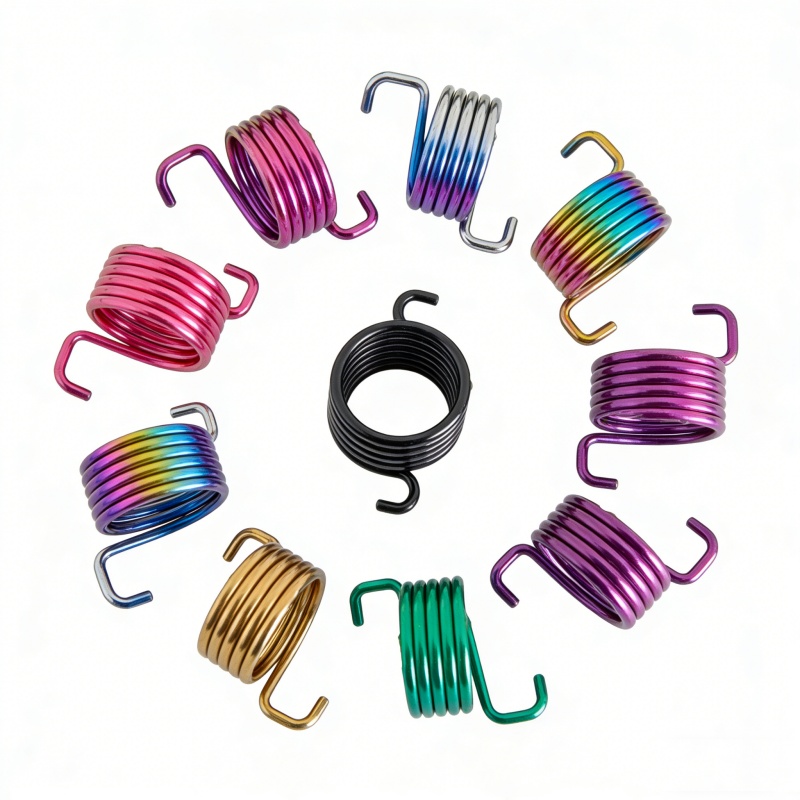
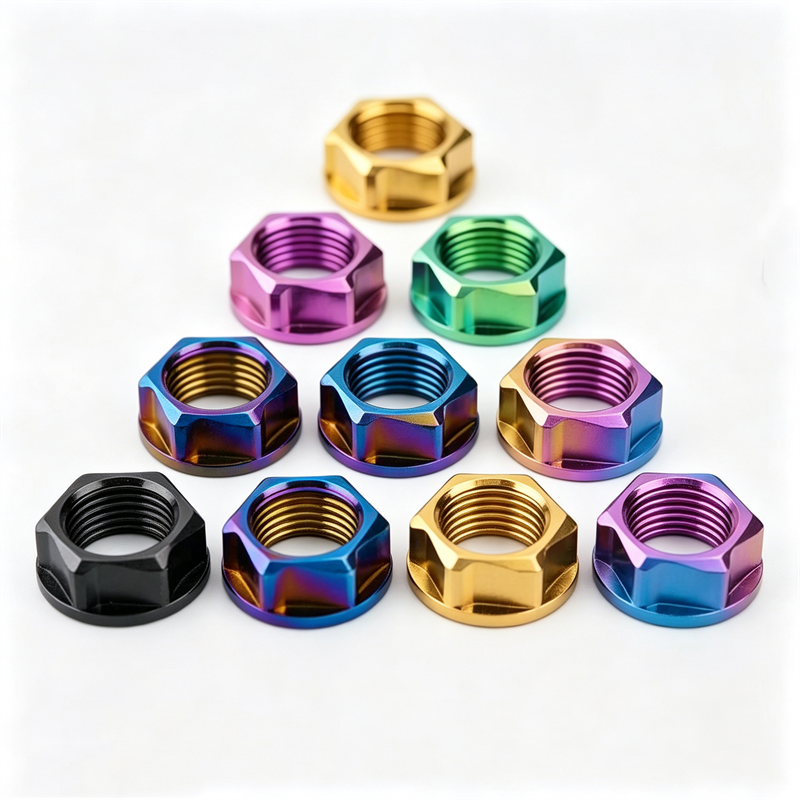
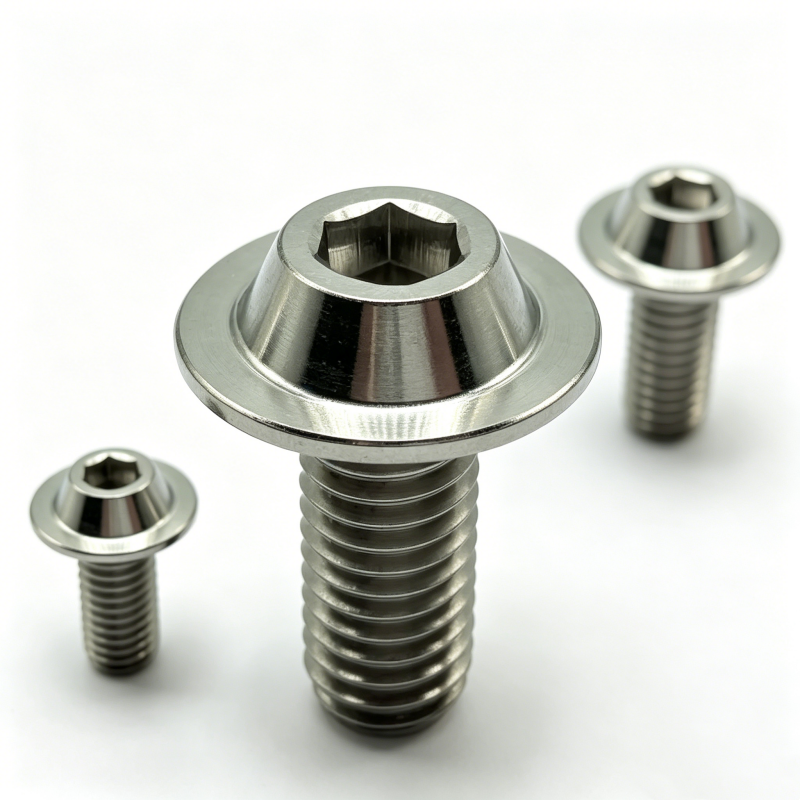
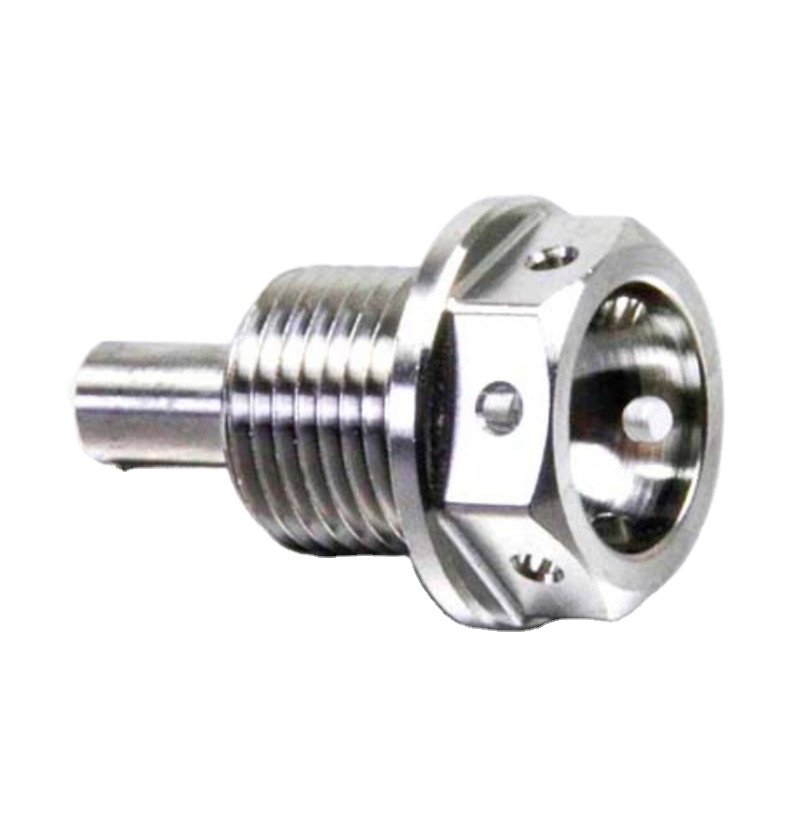
Factory Custom M12–M26 Auto Automotive Sump Magnetic Titanium Oil Drain Plug Bolt
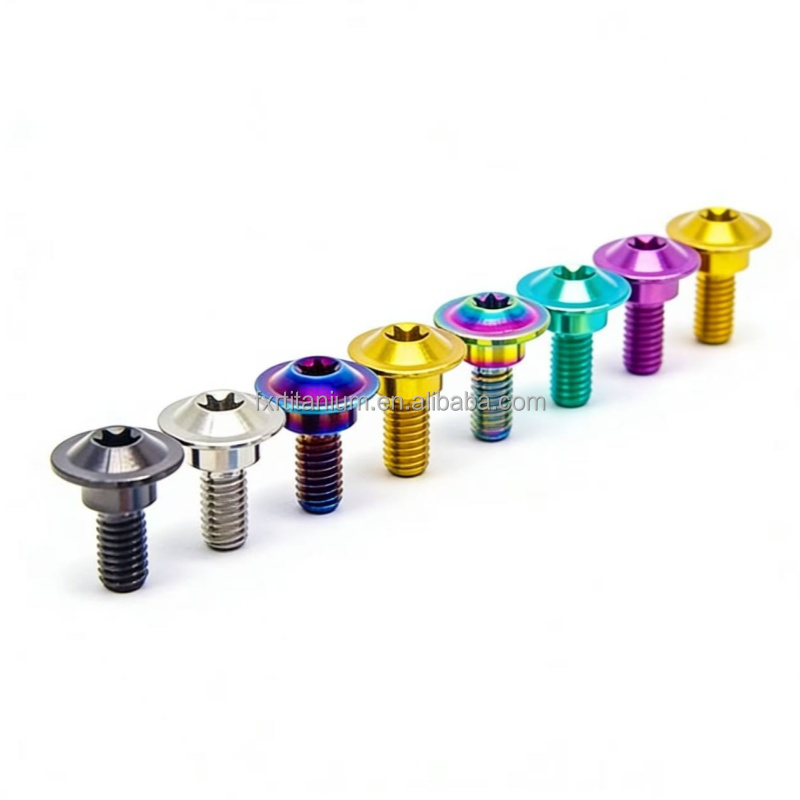
Grade 10 Anodized M5 M6 Disc Head Step Titanium Alloy Screws for Suzuki Windshield Body
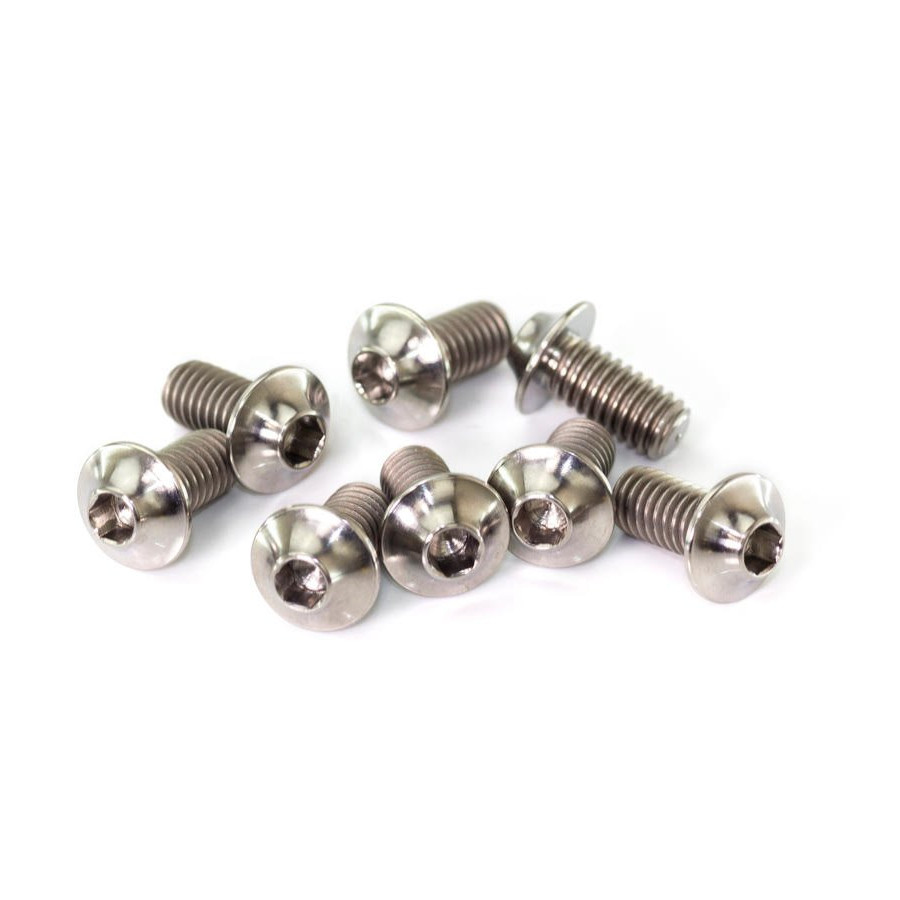
GR5 M3x4/6/8/10/12/15mm High Strength Corrosion Resistant UFO Cone Head Titanium Screws
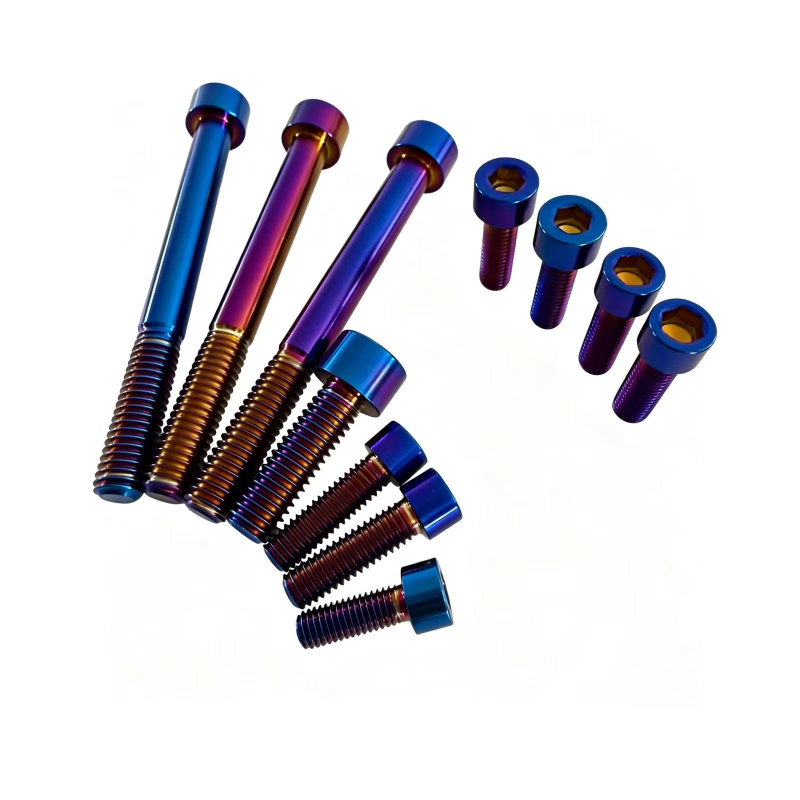
Factory Wholesale Titanium Socket Head Bolts Class 10.9/12.9 PVD Coated for Surron Ultra Bee
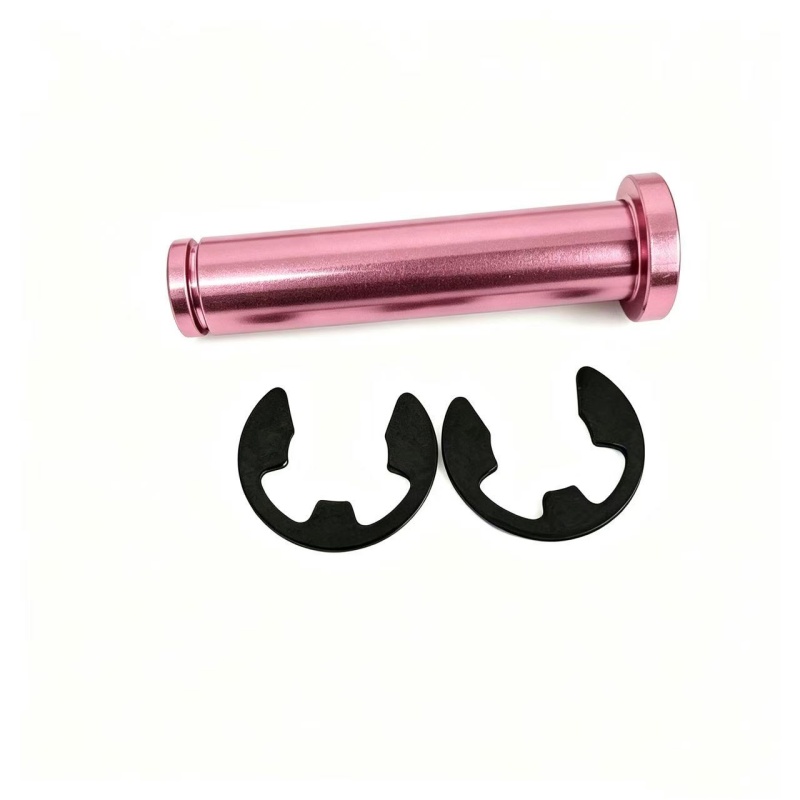
Factory Customized Grade5 Colorful M10*40mm Titanium Foot Peg Pin Bolt for Honda / Yamaha
Kinematics of Titanium Chain Adjustment: Why GR5 Outperforms 6061-T6 and 7075-T6
A detailed analysis of secondary drivetrain stability, dynamic axle deflection, and unsprung mass reduction for high-output European motorcycle platforms.
Motorcycle swingarm chain adjusters operate under severe cyclic loading conditions. During heavy throttle application, the final drive chain exerts substantial forward tensile forces on the rear axle assembly, attempting to pull the wheel forward and skew sprocket alignment. Traditional aftermarket adjusters frequently rely on machined 6061-T6 or 7075-T6 billet aluminum blocks. While lightweight, aluminum exhibits a relatively low surface hardness (approx. 95–150 HB) and low modulus of elasticity (69–71 GPa). Under intense track braking and acceleration, aluminum adjuster blocks deform plastically, develop micro-fretting against the swingarm interior, and suffer stripped internal tensioner bolt threads.
Verqo’s precision GR5 (Ti-6Al-4V, Werkstoff 3.7165) titanium chain adjusters provide an optimal metallurgical balance. With a minimum tensile yield strength exceeding 828 MPa, an ultimate tensile capacity of 895–1000 MPa, and an elasticity modulus of 114 GPa, our titanium chain adjuster blocks and metric lead screws resist shear distortion and thread stripping indefinitely.
- Unsprung Mass Optimization: Delivers a 43% weight reduction compared to stainless steel 304/316 hardware, directly decreasing rear suspension inertia over cobblestones and undulating asphalt.
- Zero Thread Galling Design: CNC thread rolling technology burnishes fastener flanks, generating high compressive residual stress and ultra-smooth pitch engagement (DIN 13 / ISO 965 Class 6g).
- Laser-Annealed Vernier Indexing: High-contrast laser-etched metric calibration increments (0.5mm graduations) ensure precision wheel alignment, reducing drive-chain binding and asymmetric tire cupping.
Sprocket Coplanarity & Powertrain Longevity
When a motorcycle chain operates out of true alignment by as little as 0.75 degrees, lateral roller friction surges exponentially. This misdirection induces premature sprocket tooth crowning, rapid O-ring/X-ring seal rupture, and significant mechanical horsepower dissipation.
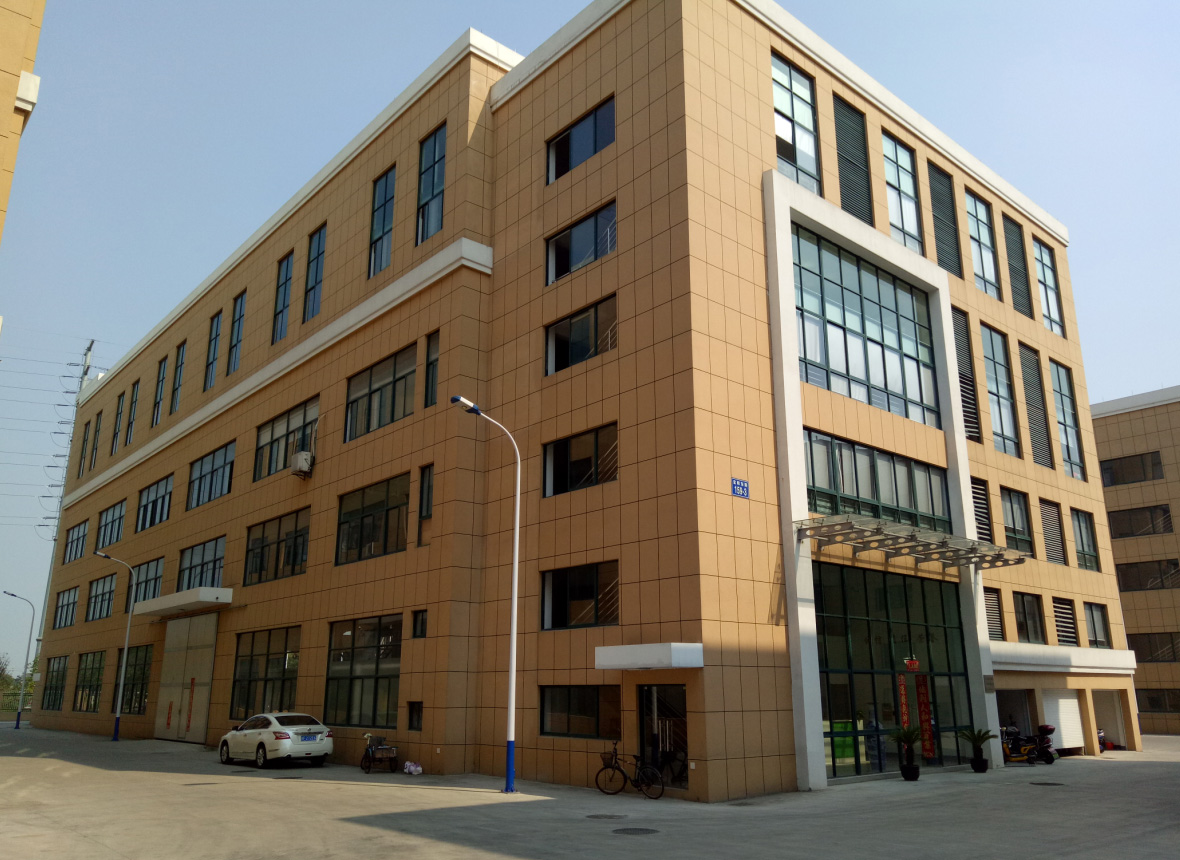
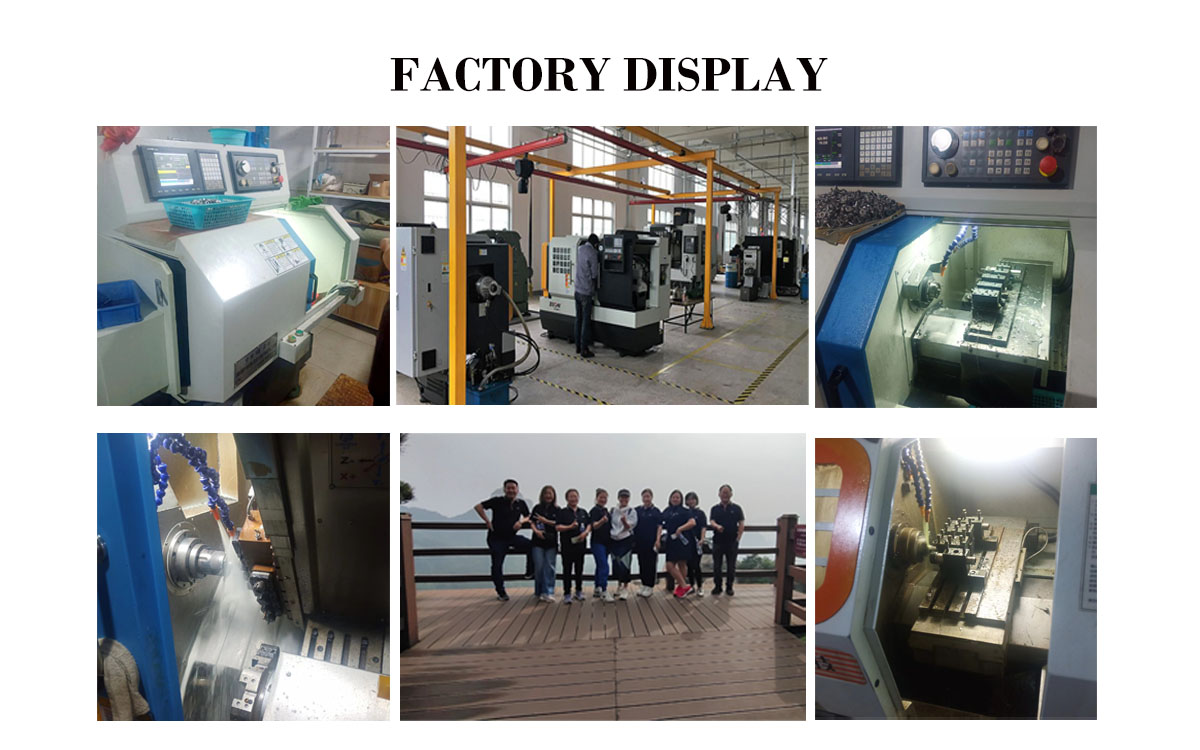
In our Baoji production facility, each titanium chain adjuster housing undergoes multi-axis CNC milling from solid Ti-6Al-4V billets. Axle pocket bores and adjuster bolt through-holes maintain true perpendicularity within ±0.008 mm. This exactness guarantees that when Belgian tuners and workshop mechanics set rear wheel tension, the axle block remains perfectly square to the swingarm datum surfaces, preserving drivetrain coplanarity under maximum torque delivery.
| Mechanical & Physical Property | Verqo GR5 Titanium (Ti-6Al-4V) | Billet Aluminum 7075-T6 | Stainless Steel AISI 316L | Impact on Chain Adjuster Functionality |
|---|---|---|---|---|
| Density (ρ) | 4.43 g/cm³ | 2.81 g/cm³ | 8.00 g/cm³ | 44% lighter than steel, significantly reducing unsprung wheel hub weight. |
| Tensile Yield Strength (Rp0.2) | ≥ 828 MPa (Typ. 890 MPa) | 503 MPa | 220–290 MPa | Zero bending or crushing under intense rear axle clamping torques (80–120 Nm). |
| Ultimate Tensile Strength (Rm) | 895 – 1050 MPa | 572 MPa | 520–680 MPa | Prevents lead screw stripping and catastrophic shear failure at track launch. |
| Modulus of Elasticity (E) | 114 GPa | 71.7 GPa | 193 GPa | High structural rigidity prevents cyclic chain bounce and dynamic deflection. |
| Atmospheric / Salt Corrosion | Impervious (TiO2 Film) | Susceptible to galvanic attack | Good (Subject to crevice pitting) | Zero oxidation in Brussels winter de-icing slush and humid European climates. |
| Thermal Expansion (α) | 8.6 × 10⁻⁶ / K | 23.4 × 10⁻⁶ / K | 16.0 × 10⁻⁶ / K | Low thermal expansion preserves accurate chain slack during high exhaust heat cycles. |
Engineered for the Demands of the Brussels and Greater Benelux Region
From world-class endurance racing circuits to dense urban delivery routes, our titanium chain adjusters solve concrete engineering challenges faced by Belgian operators.
Circuit de Spa-Francorchamps & Zolder Circuit Racing
Belgian motorcycle racing demands hardware capable of withstanding the violent compression forces experienced at the bottom of the Raidillon and flat-out acceleration along the Kemmel Straight. Verqo's titanium chain adjusters eliminate the micro-movement of rear wheel axles during rapid downshifts and harsh power application, maintaining chain alignment under high g-load cornering.
Resistance to Belgian Winter Salt & Atlantic Precipitation
Brussels experiences an average of over 190 precipitation days per year, combined with extensive winter road salting (calcium chloride and sodium chloride brines) along the R0 Brussels ring road and metropolitan corridors. Unlike aluminum adjusters that blister and freeze inside swingarms due to galvanic corrosion, titanium forms an instantaneous self-passivating titanium dioxide (TiO2) barrier that remains chemically inert.
Cobblestone Vibration Damping on Historic Thoroughfares
The historic paved streets of Brussels, such as those throughout the Marolles district and the city center, impart continuous high-frequency, shock-wave vibrations through motorcycle and e-bike rear triangles. The unique fatigue threshold and structural damping capacity of Grade 5 titanium prevent the adjuster tension bolts from backing out or developing stress fractures.
Last-Mile Electric Cargo Fleets in Brussels Low Emission Zones (LEZ)
With the aggressive expansion of the Brussels Low Emission Zone, heavy mid-drive electric cargo bikes (such as commercial delivery platforms utilized by postal and courier fleets) generate instantaneous low-end motor torque up to 120 Nm. Standard tensioners bend under constant stop-and-go load spikes, resulting in chain derailment. Our custom titanium tensioners ensure zero mechanical creep.
Procurement Trends Shaping the Brussels & Benelux Performance Sector
Strategic macroeconomic and industrial dynamics influencing titanium hardware consumption across the European Union.
High Demand for Sustainable, Life-of-Vehicle Components
Belgian consumers and European commercial fleet managers increasingly operate under European Green Deal circular economy directives. Purchasing cheap zinc-plated carbon steel or low-grade aluminum chain adjusters that corrode within 18 months is being phased out in favor of Grade 5 titanium, which provides an indefinite operating lifecycle without replacement or hazardous chemical coating degradation.
Stricter EU Roadworthiness & Certification Rigor
Belgian vehicle periodic inspections (Contrôle Technique Moto / Autokeuring) require certified mechanical integrity on critical chassis and swingarm hardware. Distributors in Brussels, Antwerp, and Liège mandate complete raw material spectral certification (EN 10204 3.1 mill test certificates) and accurate dimensioning to ensure compliance with European vehicle safety directives.
Aesthetic Anodizing & PVD Customization for Bespoke Tuners
The bespoke motorcycle modification scene across Brussels, Ghent, and Waterloo has transitioned from standard bare aluminum to Physical Vapor Deposition (PVD) coatings and high-voltage anodic oxidation finishes. Tuners seek DLC (Diamond-Like Carbon) black, burnt blue titanium, and gold finishes that align with premium Brembo calipers and Öhlins suspension assemblies.
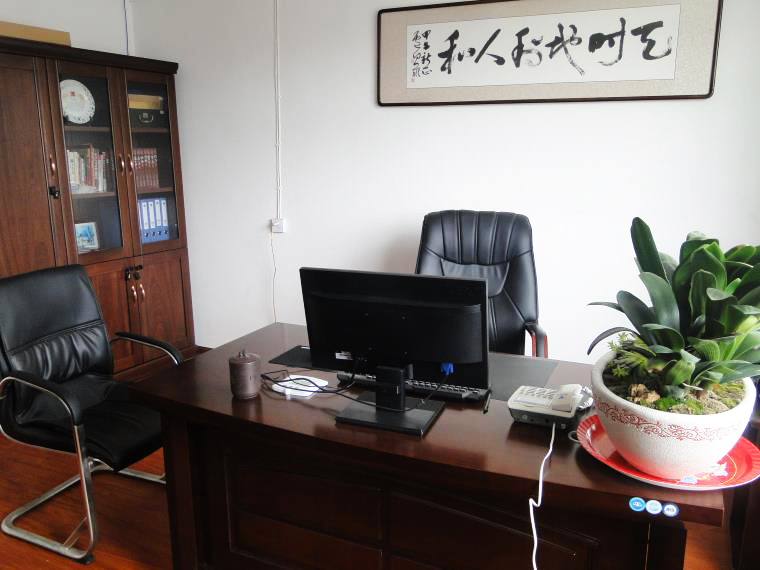
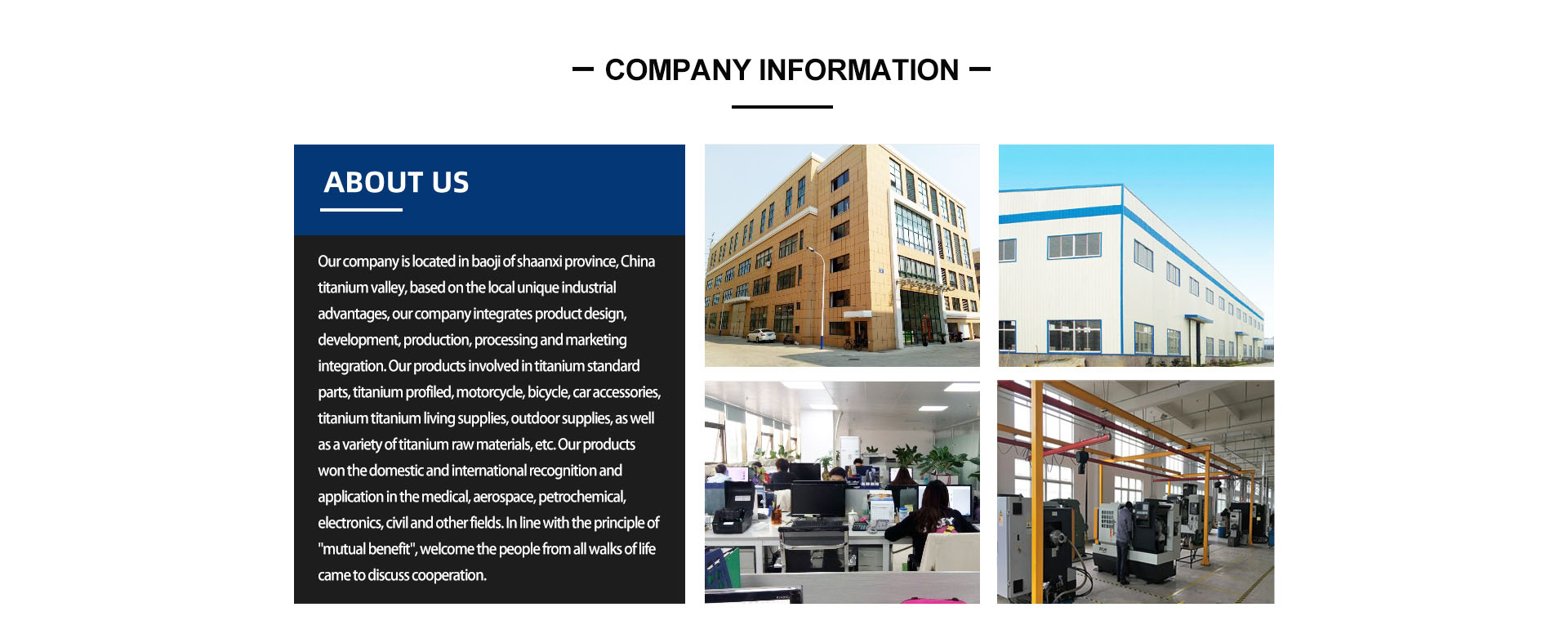
Baoji Titanium Valley Manufacturing & Global Export Competence
Direct from China's primary metallurgical center to the capital of Europe. Complete vertical integration from certified titanium sponge to CNC finished assemblies.


Frequently Asked Questions by Belgian Sourcing Managers & Tuners
Clear, technically rigorous answers regarding import tariffs, customs procedures, metallurgical certifications, and custom manufacturing.
We manufacture all load-bearing chain adjuster blocks, tension bolts, and lock nuts from vacuum-melted Grade 5 Titanium alloy (Ti-6Al-4V, UNS R56400 / ASTM B348). We never substitute lower-cost commercial Grade 2 (unalloyed titanium), which possesses only one-third of Grade 5’s tensile strength. Every production batch is accompanied by an EN 10204 Type 3.1 inspection certificate indicating exact chemical composition (Al, V, Fe, C, N, H, O content) and mechanical tensile test data.
We offer complete DDP (Delivered Duty Paid), DAP, and FOB export terms. Air express consignments typically transit directly via Brussels Airport (BRU) or Liège Airport (LGG) within 4 to 7 working days. For maritime freight, goods route through the Port of Antwerp-Bruges. We provide all commercial invoices, packing lists with correct TARIC/HS classifications (typically 8108.90 for titanium articles or 8714.10 for motorcycle parts), and Certificates of Origin to streamline Belgian customs processing.
Titanium-on-titanium contact surfaces can be prone to galling under friction due to their microscopic oxide structure. To prevent this, Verqo implements precision thread rolling rather than chip cutting, producing a burnished, high-density thread surface finish (≤ Ra 0.4 μm). Additionally, we recommend applying a thin film of nickel-based anti-seize paste or molybdenum disulfide lubricant upon installation into aluminum swingarms, which completely eliminates cold welding and thread seizure.
For stocked metric chain adjuster components, our MOQ starts as low as 10 to 20 sets to support race teams, independent dyno tuning shops, and pilot test runs. For completely custom ODM designs produced from your CAD step files or 2D technical drawings, our typical production MOQ is 50 to 100 sets. We can machine complex geometries, include specialized axle locators, and laser-engrave your corporate logo and vernier scales.
For maximum wear resistance, our Physical Vapor Deposition (PVD) DLC (Diamond-Like Carbon) black coating and PVD TiN gold coating provide surface hardnesses above 2500–3000 HV, offering extreme scratch resistance from road grit. Our electrochemical anodizing (available in electric blue, purple, gold, and heat-treated burnt blue) generates an interference oxide layer that will never flake, peel, or chip like traditional automotive paint or powder coatings.
We support international Wire Transfer (T/T), Documentary Letters of Credit (L/C at sight) for high-volume container freight, and PayPal or corporate credit facilities for prototype sampling orders. For established recurring partners in the Benelux region, structured commercial trade credit terms can be arranged following an initial credit review.
Ready to Upgrade Your Supply Chain with Certified Baoji Titanium Hardware?
Send us your technical drawings, 3D models, or sample requests. Our English-speaking engineering team will conduct a comprehensive DFM (Design for Manufacturability) review and submit a formal quotation within 2 hours.