High-Performance Titanium Fastening Solutions
Manufactured in Baoji's Titanium Valley under ISO 9001 quality controls. Supplied to racing teams, tuners, and industrial fabricators across Greater Houston.
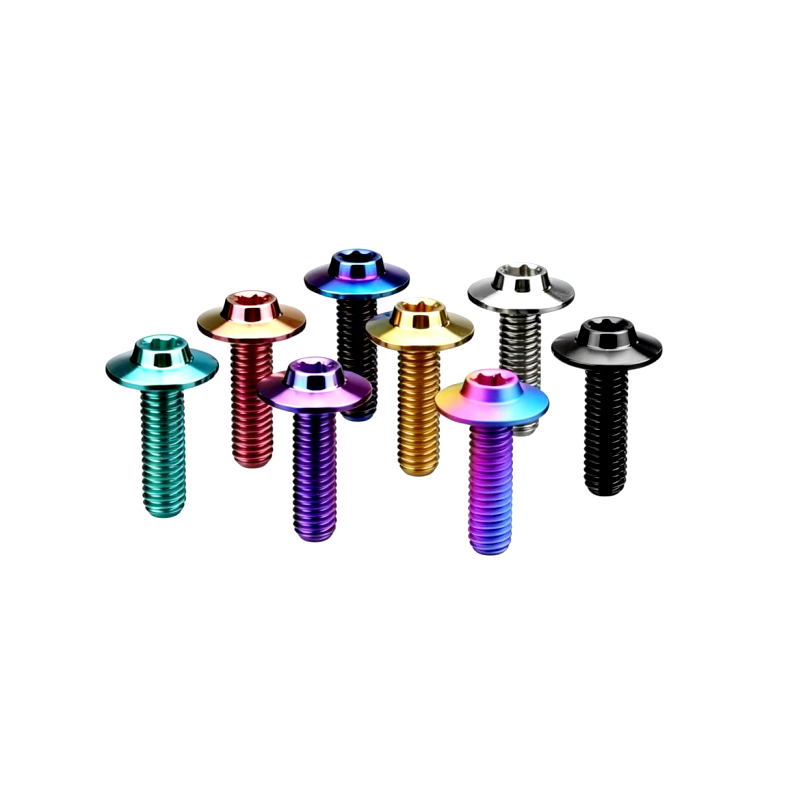
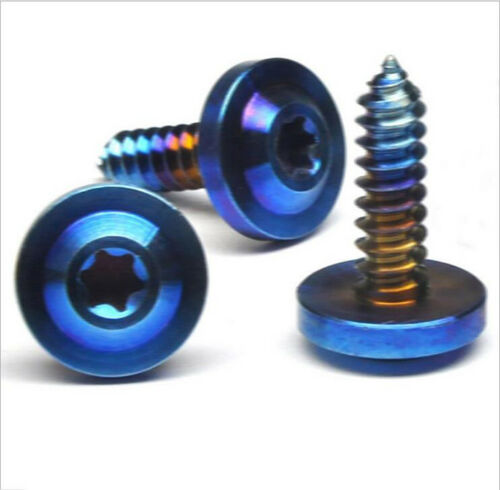
Titanium Coated Reinforced High-Strength Body Fasteners
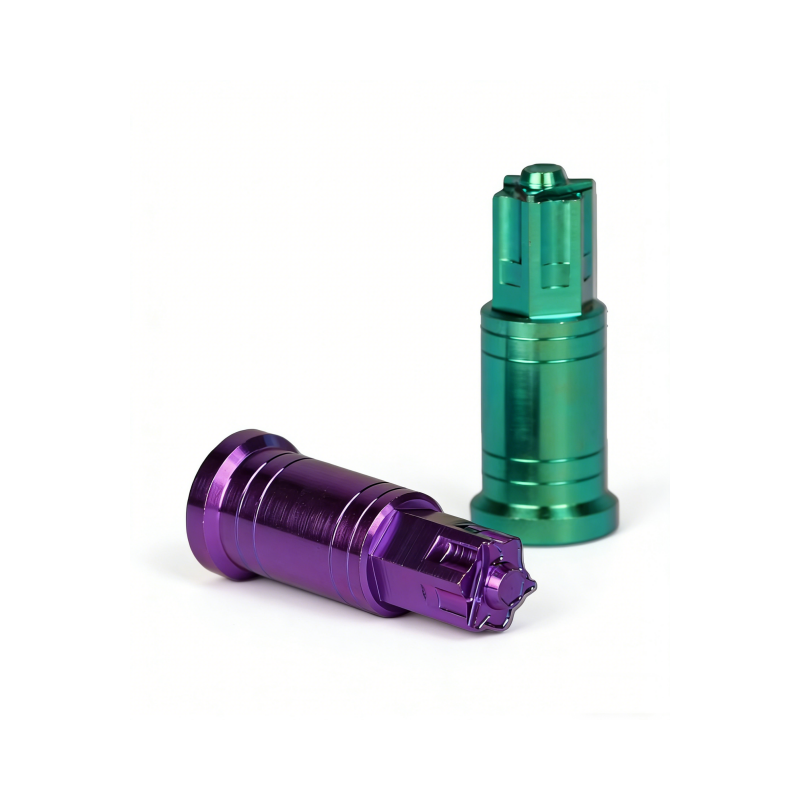
Customized GR5 Hex Head Knurled Extended Exhaust/Turbo Nuts
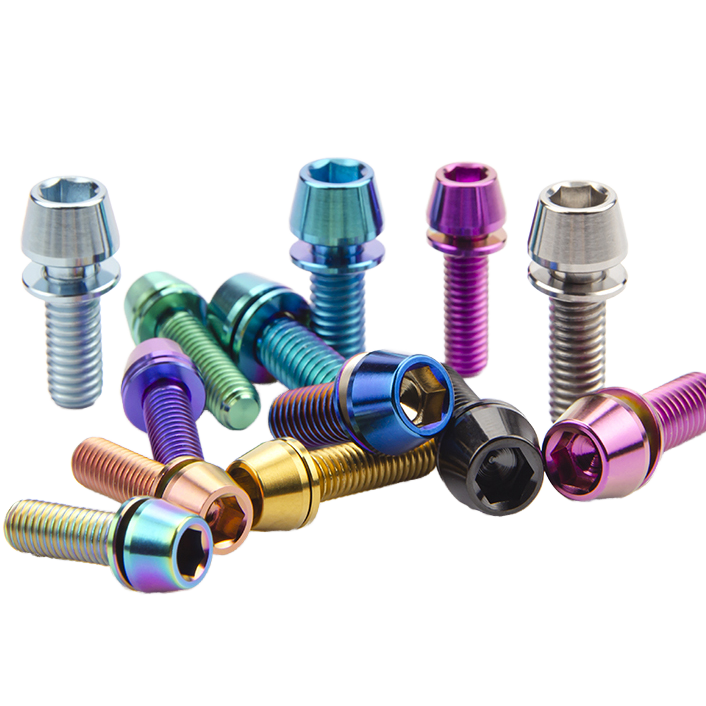
UNC/Metric Class 10 Taper Head Precision Titanium Fasteners
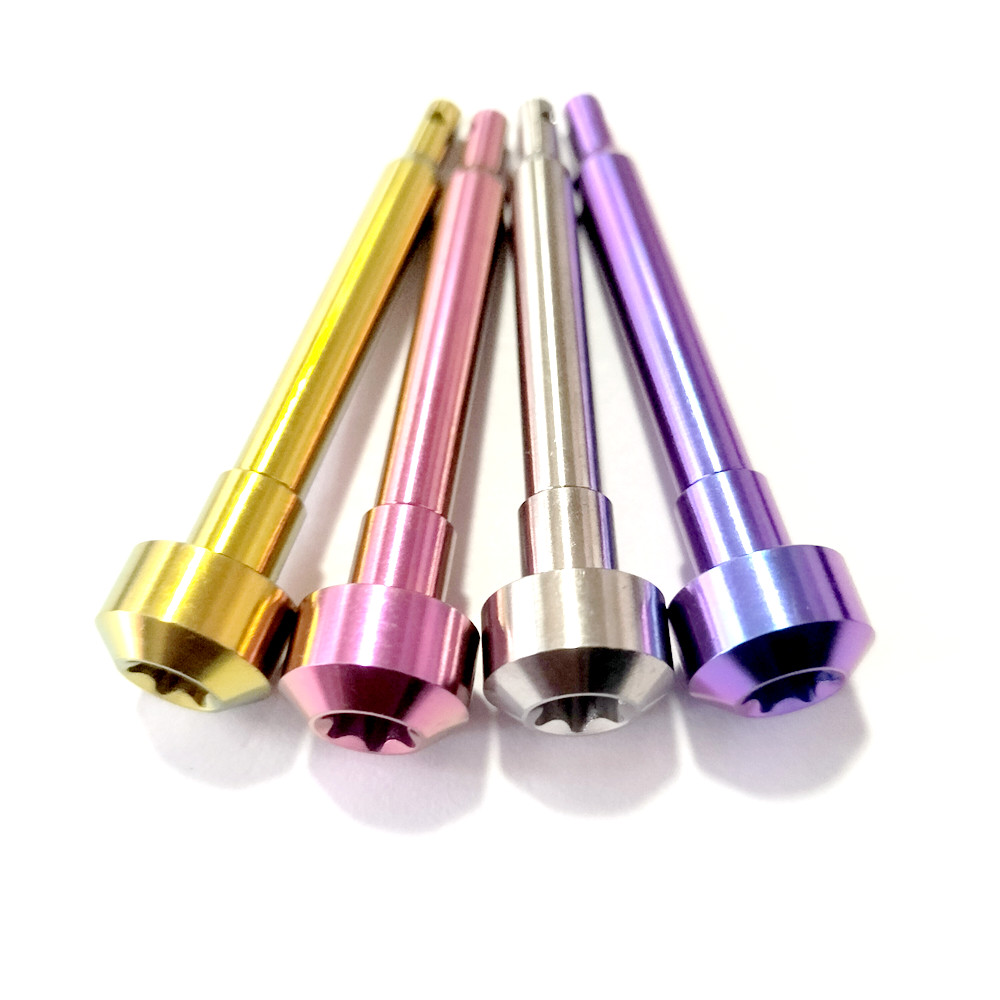
Grade 5 Socket Head M8×20 Motor Race Turbo Manifold Screws
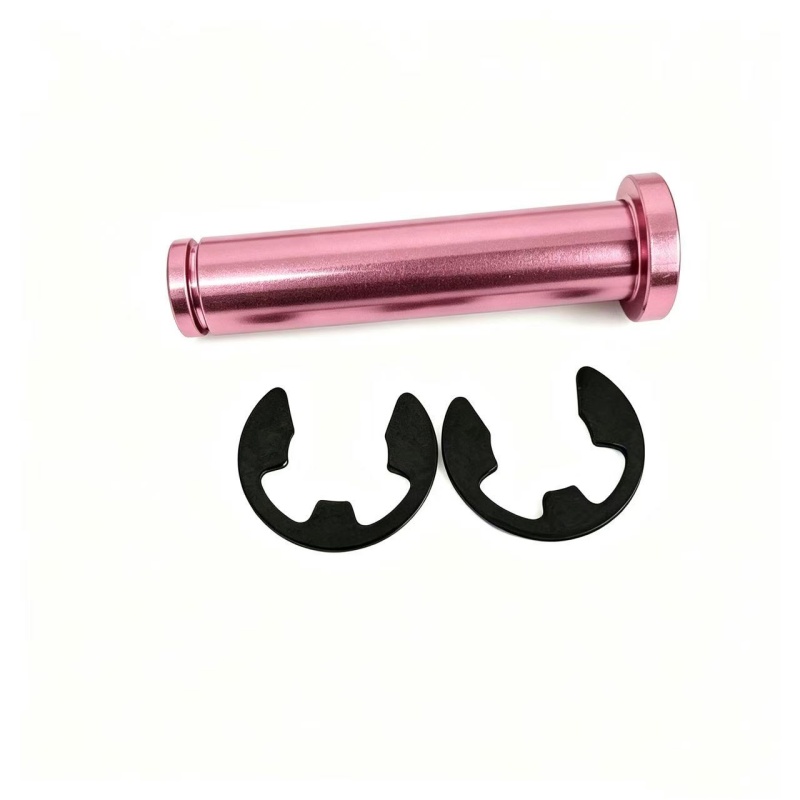
Custom Grade 5 M10×40mm High-Stress Titanium Dowel & Pin Bolts
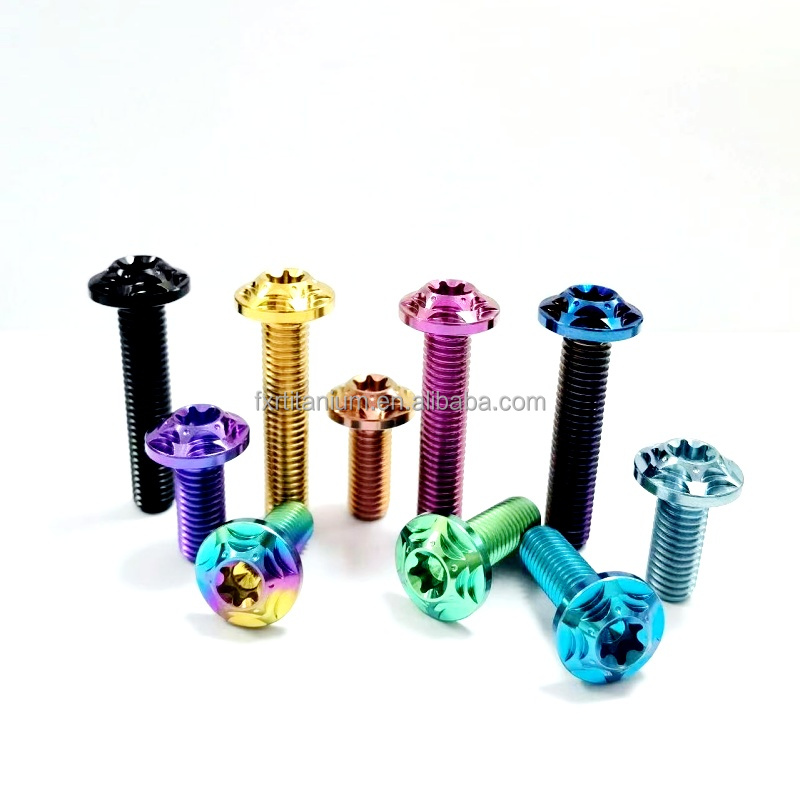
GR5 Titanium Umbrella Head CNC Flange Clamp Bolts
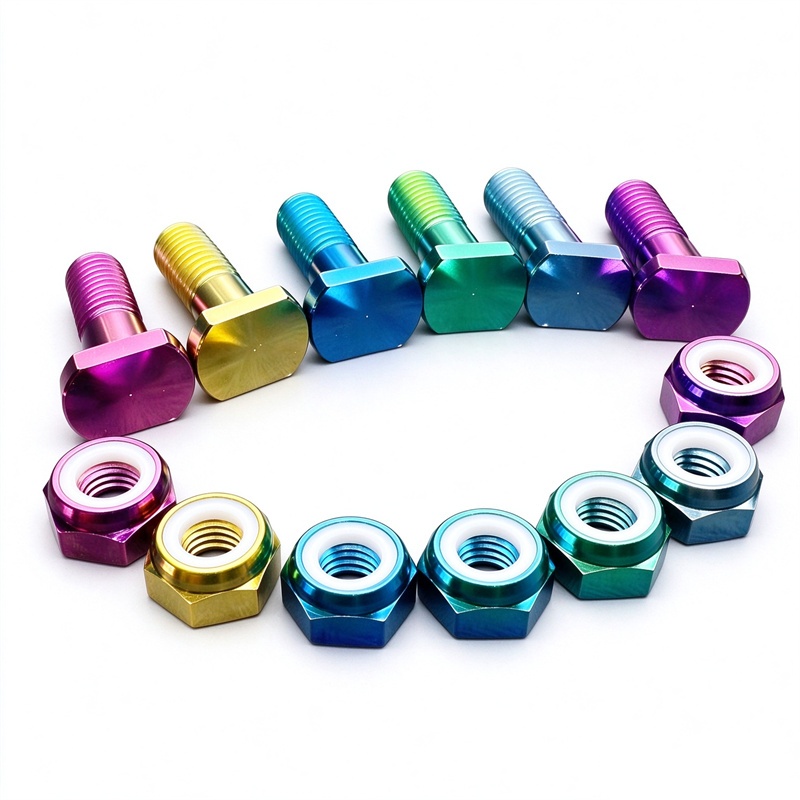
Polished GR5 Titanium Turbo Flange Studs & Self-Locking Nuts
Metallurgical Dynamics of Titanium Turbo Studs in Extreme Environments
A comprehensive examination of shear stress, thermal fatigue, preload retention, and galvanic isolation under extreme boost in Texas conditions.
1. The Thermal Expansion Mismatch & Preload Relaxation Challenge
In high-horsepower turbocharged internal combustion engines—predominant in Houston’s renowned tuning, drag racing, and dyno-testing communities—turbochargers experience extreme operating exhaust gas temperatures (EGT) exceeding 900°C (1650°F) to 1050°C under full-load methanol or E85 boost cycles. Standard Grade 8.8 or alloy steel 10.9/12.9 exhaust studs undergo severe thermal stress. As exhaust housings cast in ductile iron or stainless steel expand, carbon steel fasteners suffer from plasticity creep and gradual thread elongation.
When the assembly cools down after a quarter-mile run or dyno pull, the stretched steel stud cannot regain its original grip length. This phenomenon, known as preload relaxation, invariably leads to gasket blowouts, exhaust gas leakage, lost boost threshold response, and fractured studs inside cylinder heads or turbo flanges.
| Mechanical & Physical Property | Ti-6Al-4V (Grade 5 Titanium) | Alloy Steel (Grade 10.9) | Stainless Steel (AISI 316) | Inconel 718 |
|---|---|---|---|---|
| Density (g/cm³) | 4.43 (43% Lighter) | 7.85 | 8.00 | 8.19 |
| Tensile Strength (MPa) | 950 – 1050 | 1040 | 580 | 1240 – 1400 |
| Yield Strength (0.2% Offset, MPa) | 880 – 920 | 940 | 290 | 1100 |
| Modulus of Elasticity (GPa) | 114 (Superior Elastic Recovery) | 210 | 193 | 205 |
| Thermal Expansion Coeff. (10⁻⁶/K) | 8.6 (Closer to Cast Irons) | 12.5 | 16.0 | 13.0 |
| Max Service Temp Continuous (°C) | 450°C (Transient 750°C+) | 400°C | 450°C | 700°C |
| Corrosion Resistance in Salt Humid Air | Immune (TiO₂ Passivation) | Extremely Poor (Oxidizes) | Moderate (Pitting Risk) | Immune |
2. Cold-Rolled vs. CNC Cut Threads: Structural Grain Integrity
A fatal flaw in low-cost titanium hardware is single-point thread turning on standard lathes. Single-point cutting shears through the natural longitudinal crystalline grain structure of titanium bar stock, forming microscopic notch stress risers at every thread root. Under continuous high-frequency exhaust pulses and vibration, cut threads succumb rapidly to fatigue fractures.
Verqo utilizes CNC high-tonnage multi-axis thread rolling dies. During thread formation, the titanium alloy is plastically displaced rather than cut. This work-hardens the thread flanks and root radii, inducing beneficial compressive residual stresses that increase fatigue endurance limits by up to 300% compared to cut threads. For Houston engine shops building 1,500+ HP billet platforms, rolled-thread titanium studs are indispensable for reliability.
Houston Application Scenarios: Engineered for the Gulf Coast
From the drag strips of Royal Purple Raceway to maritime offshore rigs in the Gulf of Mexico, Houston demands fasteners that withstand punishing mechanical, thermal, and atmospheric abuse.
TX2K & Pro-Mod Drag Racing Builds
Greater Houston serves as the world capital for extreme-boost street and track racing, highlighted by iconic annual events like TX2K. Twin-turbo Audi R8s, Lamborghinis, Ford GTs, and Nissan GT-Rs generating 1,500 to 3,500+ wheel horsepower rely on our M8×1.25 and M10×1.25 Grade 5 rolled-thread studs to mate cast stainless manifolds to turbocharger turbine inlets without failure under backpressures exceeding 60 PSI.
Petrochemical & Refinery Compressors
The Houston Ship Channel and Baytown petrochemical corridor house the world's dense concentration of ethylene crackers and continuous-duty process turbo-compressors. Chemical airborne particulates and volatile vapor streams rapidly corrode conventional hardware. Our chemically passivated Ti-6Al-4V studs eliminate sulfide stress cracking (SSC) and hydrogen embrittlement across critical high-pressure bypass duct flanges.
Gulf Coast Saltwater Marine Turbos
Fast-response commercial supply vessels, crew transport catamarans, and offshore performance catamarans operating out of Galveston Bay endure high-salinity ambient air. Grade 5 titanium forms an immediate, self-healing rutile titanium dioxide (TiO₂) protective oxide film, ensuring that marine turbocharger manifold studs never seize, rust, or bind to cast iron or copper-nickel housings during overhaul routines.
Emerging Fastening Trends in the Houston Market
How cutting-edge Gulf Coast engineering facilities are replacing outdated automotive fasteners with tailored titanium alloys.
Transition from Inconel to Light Ti-6Al-4V
While Inconel 718 handles extreme heat, its tremendous density (8.19 g/cm³) and challenging machinability result in excessive weight and astronomical costs. Tuners are opting for optimized titanium studs on turbo-to-downpipe and manifold interfaces where transient heat peaks remain under 700°C.
PVD Anti-Galling Vacuum Coatings
Traditional copper-based or nickel anti-seize paste washes out or cakes into an abrasive compound under high moisture and heat. Houston builders now specify Physical Vapor Deposition (PVD) DLC (Diamond-Like Carbon) or TiN coatings directly onto stud threads to prevent galling during repeated disassembly.
Step-Down Thread Geometry
Aftermarket billet aluminum cylinder heads often strip out standard M10 fine threads. Verqo designs custom dual-thread studs featuring coarse M10×1.5 or M12×1.75 block-engagement ends paired with high-tensile M10×1.25 fine-pitch nut ends to balance maximum thread engagement with precise torque preload.
Aerospace 12-Point Flange Formats
With cramped engine bays in modified twin-turbo setups, socket clearance is limited. The market has rapidly standardized around compact 12-point jet nuts and flange nuts with integrated floating washers, enabling higher torque distribution in ultra-tight physical spaces.
Why Houston Importers & Speed Shops Partner with Verqo
Combining primary mill advantages in China's Titanium Valley with turnkey OEM engineering and rapid global export logistics.
Baoji Raw Material Origin
Direct supply partnerships with tier-1 sponge titanium smelting mills in Baoji ensure every production lot utilizes 100% virgin aerospace-grade Ti-6Al-4V bar stock conforming to ASTM B348 and AMS 4928 standards, accompanied by full mill test certificates (MTC).
High-Precision Multi-Axis CNC
Our workshop houses high-precision Swiss-type automatic lathes and 5-axis turn-mill machining centers maintaining dimensional tolerances within ±0.01mm, ensuring pitch diameter consistency and zero runout on custom studs and locking nuts.
Agile Customization & Low MOQ
Whether you require a trial batch of 50 bespoke stepped studs for a prototype turbo kit or 10,000 units for continuous production supply, our flexible tooling lines accommodate custom lengths, thread pitches, and laser logos without excessive setup charges.
Direct Houston Freight Channels
Established air-cargo and ocean-container shipping routes directly into George Bush Intercontinental Airport (IAH) and Port of Houston. We handle end-to-end export documentation, customs clearance, and DDP delivery right to your facility door.
Frequently Asked Questions by Houston Engineers & Buyers
Addressing essential technical, metallurgical, logistics, and quality assurance inquiries for cross-border titanium fastener procurement.
Will titanium turbo studs seize into cast iron or stainless steel turbine housings?
Titanium exhibits natural galling tendencies when run dry against identical or dissimilar metals under high clamping loads. However, our turbo studs feature precision cold-rolled threads with ultra-low surface roughness (Ra < 0.4µm) and optional PVD vacuum coatings. When installed with high-temperature anti-seize paste (such as copper or ceramic-based paste rated to 1100°C), titanium turbo studs resist galling and will not seize, even after thousands of hard thermal cycles.
How does the coefficient of thermal expansion (CTE) affect clamping force?
The thermal expansion coefficient of Grade 5 titanium is approximately 8.6 × 10⁻⁶/K, significantly lower than austenitic stainless steel (16.0 × 10⁻⁶/K) and closer to ductile cast irons (11.0 × 10⁻⁶/K). As the exhaust manifold heats up, it expands at a rate comparable to or slightly faster than the stud. Because titanium has roughly half the elastic modulus of steel, it expands elastically without yielding, preserving continuous gasket seal pressure without permanent fastener elongation.
What specific titanium alloy grade is used for exhaust and turbo applications?
We strictly utilize certified Ti-6Al-4V (Grade 5, UNS R56400). Commercially Pure (CP) titanium grades such as Grade 2 lack sufficient tensile strength (only ~345 MPa) and must never be used in load-bearing exhaust systems. Our Grade 5 fasteners provide minimum tensile strength of 895–1000 MPa, exceeding the tensile parameters of standard Grade 8.8 steel while delivering 43% weight savings.
Is galvanic corrosion a concern along the humid Houston Gulf Coast?
Titanium is cathodically noble. In standard atmospheric conditions or marine splash zones, titanium forms an inert TiO₂ film that halts corrosion. When mated with cast iron or aluminum in the presence of conductive Gulf salt air, micro-galvanic cells could theoretically form if moisture bridges the contact point. However, operating exhaust manifold temperatures instantly vaporize moisture. For room-temperature chassis applications, we supply anodized or PVD coatings to provide an insulating barrier.
What torque specifications should be applied compared to OEM steel hardware?
Because Grade 5 titanium has lower shear friction when lubricated and half the elastic modulus of steel, torque values should typically be calculated based on achieving 65–70% of the stud's yield strength. In practice, our engineers provide application-specific torque charts. When using anti-seize, tightening torque is generally reduced by 10% to 15% compared to dry steel specs to achieve equivalent axial preload without over-stressing the threads.
What is the typical lead time and shipping duration to Houston, Texas?
Standard catalog items (M8×1.25, M10×1.25, M10×1.5 studs in lengths of 35mm, 45mm, 55mm) ship from warehouse inventory within 48 to 72 hours. Custom OEM machining to CAD drawings requires approximately 12–18 business days for tooling, CNC machining, thread rolling, and finishing. Express air freight to Houston Intercontinental Airport (IAH) takes 4 to 6 business days via DHL/FedEx/UPS.
Upgrade Your Fastening Systems with Race-Proven Titanium Engineering
Whether you need custom-dimension turbo studs for a bespoke racing program or high-volume wholesale fastener shipments for distribution in the Texas market, our engineering department is ready to review your blueprints and deliver a competitive factory-direct quote.
Contact Us