GR5 ALLOY
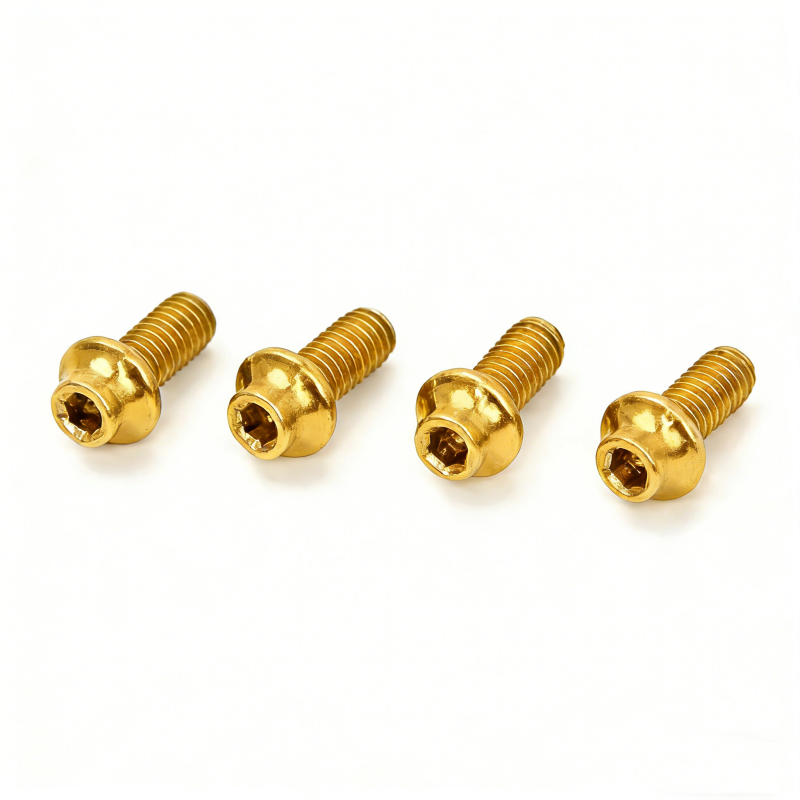
Precision CNC machined in Baoji ("China's Titanium Valley") from certified aerospace-grade Ti-6Al-4V Grade 5 titanium. Explore our precision hardware engineered for automotive, marine turbo, racing, and high-stress mechanical applications.
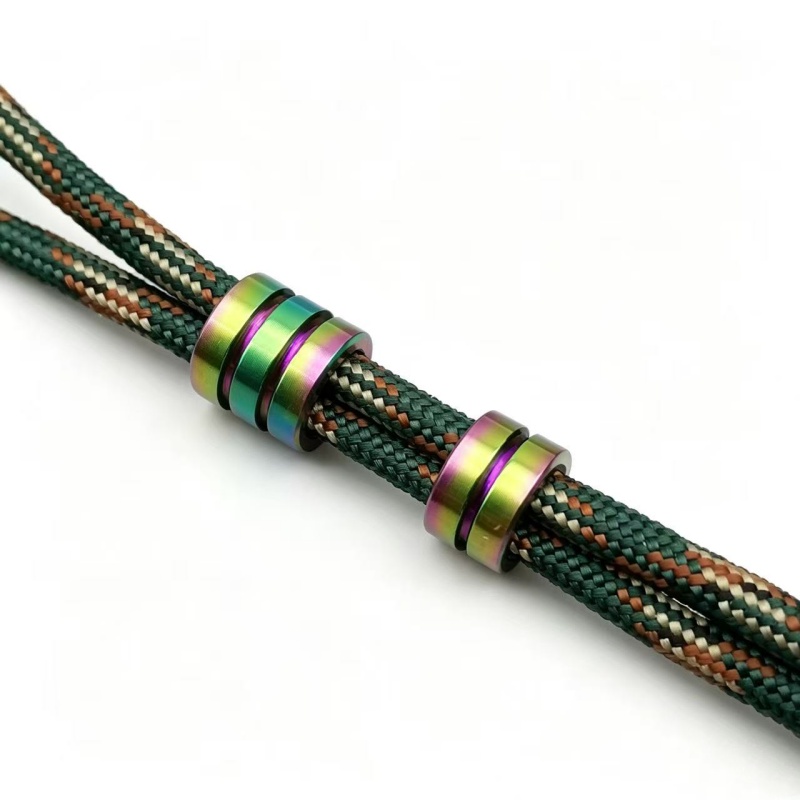
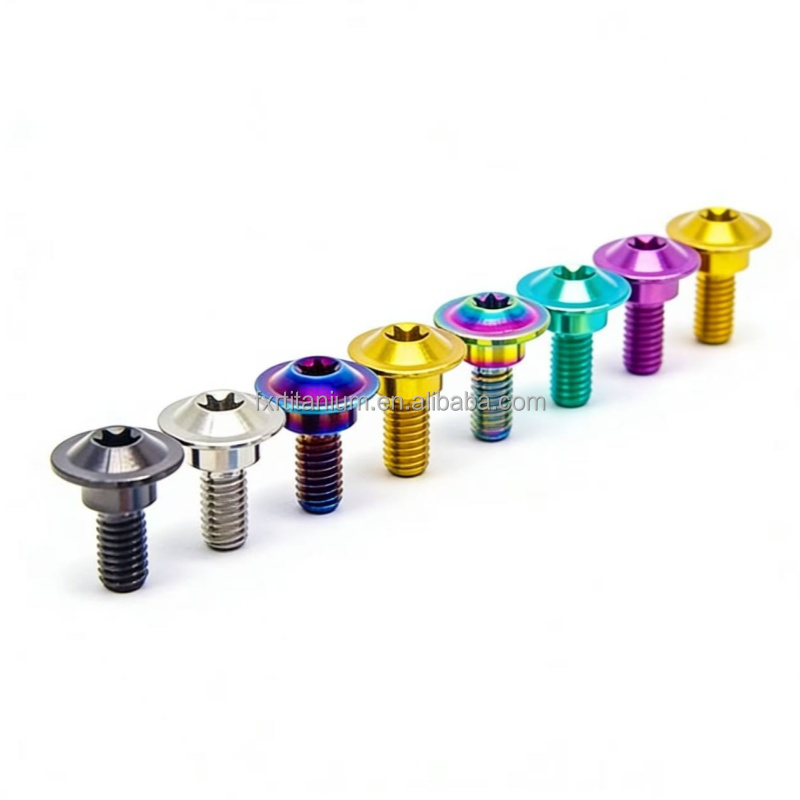
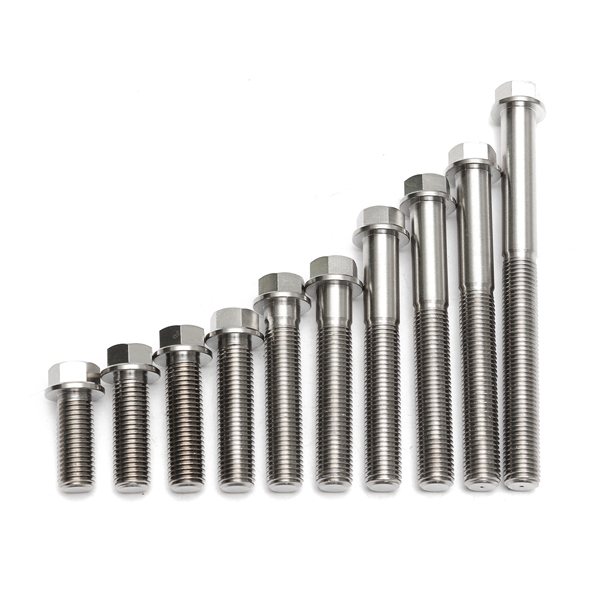
A rigorous metallurgical comparison of cyclic thermal fatigue, galvanic oxidation, and yield retention under continuous turbocharger exhaust gas temperatures (EGT) exceeding 850°C.
In high-performance automotive and marine applications around Antigua's southern corridor—centered around Liberta, Falmouth Harbour, and English Harbour—turbocharger systems operate under an extraordinarily hostile combination of mechanical and environmental stresses. Exhaust manifolds and turbine housings regularly cycle from ambient temperatures (28°C to 35°C with 80%+ relative humidity) up to incandescent exhaust gas temperatures reaching 850°C to 1,020°C under high-boost conditions.
Conventional factory-installed Class 8.8 or 10.9 zinc-plated carbon steel studs suffer catastrophic accelerated embrittlement. Elevated temperatures induce surface decarburization and destroy the electroplated sacrificial barrier within hours. Once exposed to warm airborne chlorides typical of the Liberta island atmosphere, severe ferric oxide blistering sets in. Over time, rust jacking expands the thread roots, locking the stud in the cylinder head or exhaust housing. When disassembly is attempted during routine maintenance or race preps, standard steel studs shear off, causing expensive downtime, ruined cast iron or aluminum cylinder heads, and tedious EDM extraction.
Austenitic stainless steels (such as AISI 304 or 316) offer anti-rust protection but suffer from poor elevated yield strength (dropping below 180 MPa at 600°C) and an excessively high coefficient of thermal expansion (α ≈ 17.5 × 10⁻⁶/K). This aggressive expansion differential against cast iron or aluminum manifolds causes studs to stretch plastically during hard boost pulls, permanently relaxing clamp load once cooled. The inevitable result is blown exhaust manifold gaskets, warped turbo inlet flanges, catastrophic boost leaks, and delayed spool response.
| Metallurgical Property | Verqo GR5 (Ti-6Al-4V) | Standard Class 10.9 Steel | AISI 304 Stainless Steel | Inconel 718 (Nickel Superalloy) |
|---|---|---|---|---|
| Density (g/cm³) | 4.43 (43% Lighter) | 7.85 (Heavy) | 7.93 (Heavy) | 8.19 (Very Heavy) |
| Room Temp Yield Strength (MPa) | ≥ 828 | ≥ 940 | ≥ 210 (Very Low) | ≥ 1,100 |
| Yield Strength at 500°C (MPa) | ≥ 490 (High Clamp Retention) | ≤ 320 (Creep Prone) | ≤ 135 (Severe Stretching) | ≥ 950 |
| Thermal Expansion (×10-6/K) | 8.6 (Matches Castings) | 11.5 | 17.5 (Excessive Expansion) | 13.0 |
| Marine Salt Spray (ASTM B117) | Immune (0.00 mm/year) | Rapid Rust (< 48 Hours) | Pitting & Crevice Attack | Immune |
| Thread Production Method | Cold Rolled (Unbroken Grains) | Rolled or Cut | Machined / Cut | Ground / Rolled |
| Relative Procurement Cost | Optimal Factory Direct | Low initial, High lifecycle | Moderate | Extremely Expensive (3-4x) |
A critical engineering differentiator that sets Verqo turbo studs apart in high-boost applications is our hydraulic thread rolling process. When cheaper suppliers turn threads on a CNC lathe, single-point cutting tools shear clean through the internal metallurgical grain lines of the titanium rod, introducing microscopic micro-notches at every thread root. Under the violent acoustic pulses and cyclic vibration generated by exhaust gas pulses, cut threads succumb rapidly to fatigue fractures.
At Verqo, all M8, M10, and M12 turbo stud threads are cold-formed between hardened precision dies. This continuous plastic deformation compresses the crystalline lattice, work-hardens the thread flanks, and directs the grain flow continuously along the thread contour. The result is a 30% higher shear strength, a mirror-smooth 0.4 Ra surface finish that resists galling, and vastly improved resistance to cyclic thermal shock.
Situated in the heart of Antigua's southern engineering corridor, Liberta connects master marine technicians, high-performance tuning shops, and commercial offshore fleets requiring hardware that withstands the Atlantic trade winds.
Liberta and neighboring Antiguan motorsport builders push turbocharged 4-cylinder and 6-cylinder platforms (such as 2JZ-GTE, RB26, SR20, and K-series) past 30 to 45 psi of boost. Verqo M10x1.25 and M10x1.5 titanium studs anchor heavy T3/T4 and V-band turbochargers directly to tubular manifolds without backing out or stretching under intense anti-lag thermal shock.
Superyacht tenders, luxury chase boats, and twin-turbo offshore catamarans docked in Falmouth and English Harbour demand flawless reliability. Marine turbochargers operate under constant high load in salty ambient air. Verqo titanium turbo studs completely eliminate galvanic salt crusting, ensuring downpipes and turbine housings remain leak-free over hundreds of nautical miles.
For charter fleets, transport shuttles, and heavy utility diesel turbos operating between Liberta and St. John's, stud breakage leads to days of stranded downtime. Retrofitting Verqo M10/M12 titanium studs into Cummins, Yanmar, and Caterpillar turbo manifolds stops recurring fastener fatigue and simplifies maintenance schedules indefinitely.
How the Caribbean performance aftermarket is pivoting from disposable mild-steel fasteners to long-life precision titanium alloys.
Workshop managers in Liberta are actively calculating total lifecycle costs. While titanium carries a slightly higher upfront procurement cost than OEM steel, it pays for itself on the very first turbo upgrade by eliminating labor charges for drilling out seized, broken studs.
Local fabricators frequently craft one-off tubular stainless and mild steel turbo headers. Standard stud lengths rarely fit these custom flanges. Verqo's bespoke CNC OEM service allows workshops to order customized lengths (from 35mm to 75mm+) with tailored thread reaches.
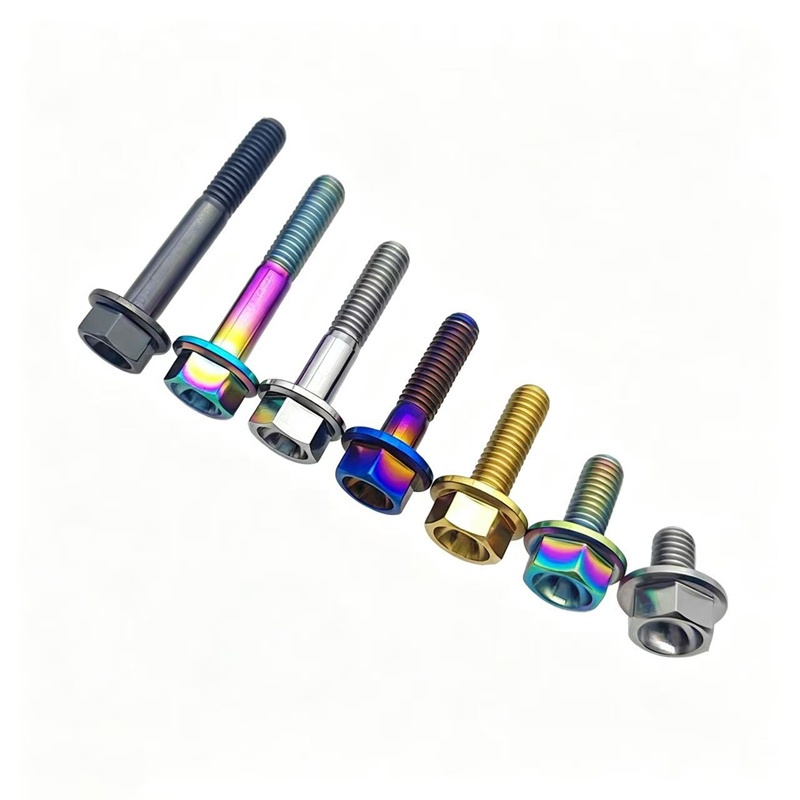
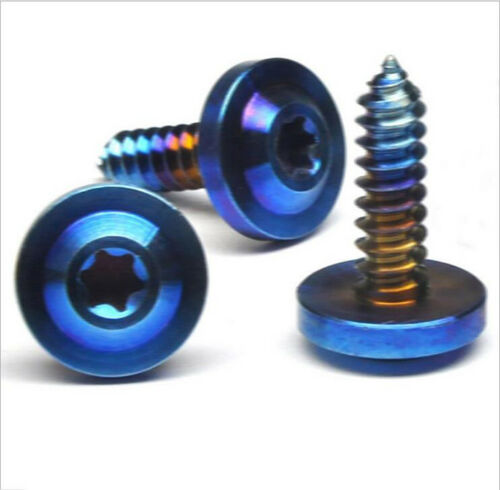
Car culture in Antigua places immense emphasis on clean engine presentation. Verqo's high-temperature PVD vacuum coatings (Burnt Blue, Gold, and Oil-Slick Rainbow) provide show-level beauty that does not burn off or tarnish under high manifold temperatures.
Instead of paying multiple distributor markups across Florida or Puerto Rico transit hubs, performance shops in Liberta are increasingly dealing direct with our Baoji factory, enjoying wholesale tier pricing, customized packaging, and direct DHL/FedEx air freight.
Combining decade-long manufacturing mastery in China's Titanium Valley with a flexible global supply chain designed for international distributors and custom builders.
Headquartered in Baoji, Shaanxi, Verqo leverages direct access to premium virgin titanium sponge melting, raw billet extrusion, and complete material traceability per ASTM B348 specifications.
Every production batch passes optical dimension inspection, thread pitch micrometer analysis, Go/No-Go plug and ring gauge checks (6g tolerance), and spectrographic chemical testing.
Average response time ≤ 2 hours with a verified 98.62% inquiry handling rate. Speak directly with experienced titanium fastener engineers who understand torque specs and thread friction.
From prototype kits of 10–20 pieces for bespoke race fabricators to mass production volumes of 10,000+ pieces for branded performance distributors, complete with custom laser-etched branding.
Detailed technical, logistics, and installation guidance tailored specifically for workshops and performance distributors operating in Antigua and the wider Caribbean.
We exclusively utilize certified Aerospace Grade 5 Ti-6Al-4V (UNS R56400 / Werkstoff 3.7165). This alpha-beta alloy contains 6% aluminum and 4% vanadium, delivering exceptional yield strength (828+ MPa) and fatigue resistance under cyclic thermal spikes up to 850°C. We do not use unalloyed commercial Grade 2 (CP) titanium for turbo studs, as Grade 2 lacks sufficient tensile strength for structural clamp loads.
Titanium can exhibit galling if threaded dry under high torque. We instruct all Liberta workshops to apply a high-temperature nickel-based or ceramic-based anti-seize paste rated to 1,200°C (such as Loctite 771 or copper anti-seize) to the threads. Furthermore, because titanium studs feature lower thread friction when lubricated, torque values should follow our supplied engineering chart (typically 10-15% lower torque than dry steel specs to achieve identical preload clamping force).
No. Titanium has an electrochemically noble potential, and its self-healing titanium dioxide (TiO2) passivation film acts as an electrical insulator. When installed with standard anti-seize paste, it exhibits virtually zero galvanic degradation against 6061-T6 aluminum or cast iron, unlike zinc-plated carbon steel studs which rust rapidly in warm maritime air.
We manufacture all metric standard and fine pitches including M8×1.25, M10×1.25, M10×1.5, M12×1.25, M12×1.5, along with standard imperial sizes (3/8-16, 3/8-24). We can supply step studs (e.g., M10 into cylinder head stepping to M8 on the manifold side), custom lengths from 30mm to 120mm+, and studs featuring an internal Allen/hex socket drive at the end for effortless installation.
We provide full door-to-door international express shipping via DHL Express, FedEx Priority, and UPS. Typical air transit times from our Baoji factory to V.C. Bird International Airport (ANU) and onward delivery to Liberta are 4 to 7 business days. For larger distributor orders, consolidated sea freight to the Port of St. John's is readily arranged with full export documentation and bill of lading (B/L) support.
For standard in-stock M8/M10 turbo studs, our MOQ starts at just 10 to 20 pieces, allowing private builders and local tuners to acquire exact kits. For fully bespoke OEM thread lengths or custom-engineered step profiles, custom production runs start as low as 50 to 100 pieces, complete with matching 12-point titanium flange lock nuts and washers.
Yes. A complete turbo fastening system requires hardware that expands at equal rates. We supply matching Ti-6Al-4V Grade 5 12-point jet nuts (aerospace spec), DIN 6923 hex serrated flange nuts, self-locking mechanical crimp nuts, and Belleville conical spring washers to guarantee sustained preload torque under race conditions.
For turbine housing and exhaust manifold studs exposed to extreme heat (> 500°C), we recommend our Precision Micro-Polished Bare Titanium or high-adhesion PVD Titanium Nitride coatings. While decorative electro-chemical anodized colors (such as Burnt Blue or Purple) are magnificent for engine bay dress-up hardware, extreme manifold temperatures will naturally shift anodized color spectrums over time.
Send our Baoji engineering headquarters your technical CAD drawings, physical sample dimensions, or thread pitch requirements. Get a verified DFM review and formal quotation delivered in less than 2 hours.