High-Performance Titanium Hardware Catalog
Direct supply from Baoji Titanium Valley with custom CNC configurations, cold-rolled threads, and durable PVD/anodized treatments.
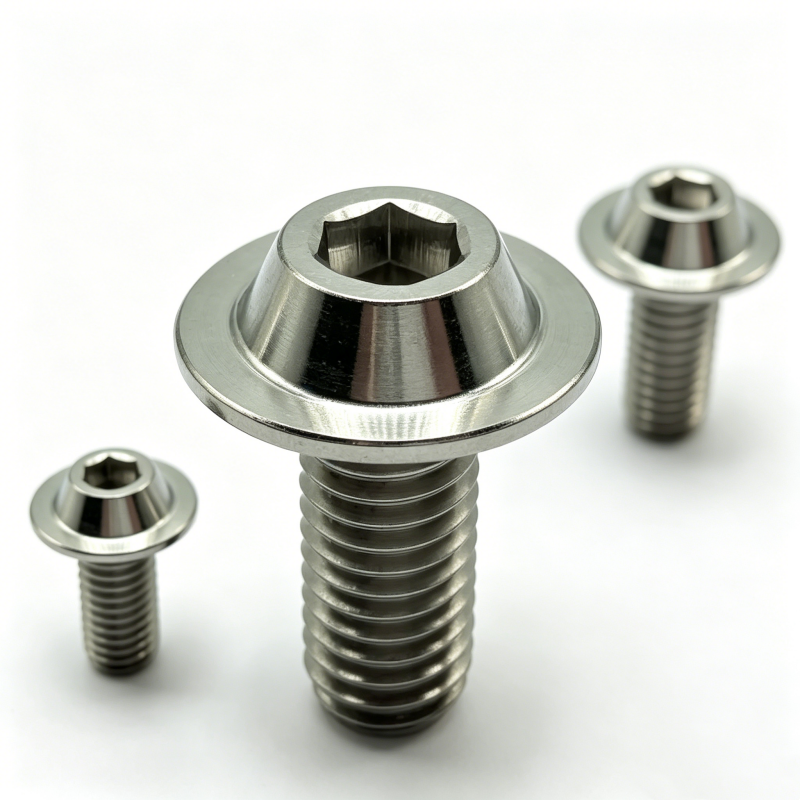
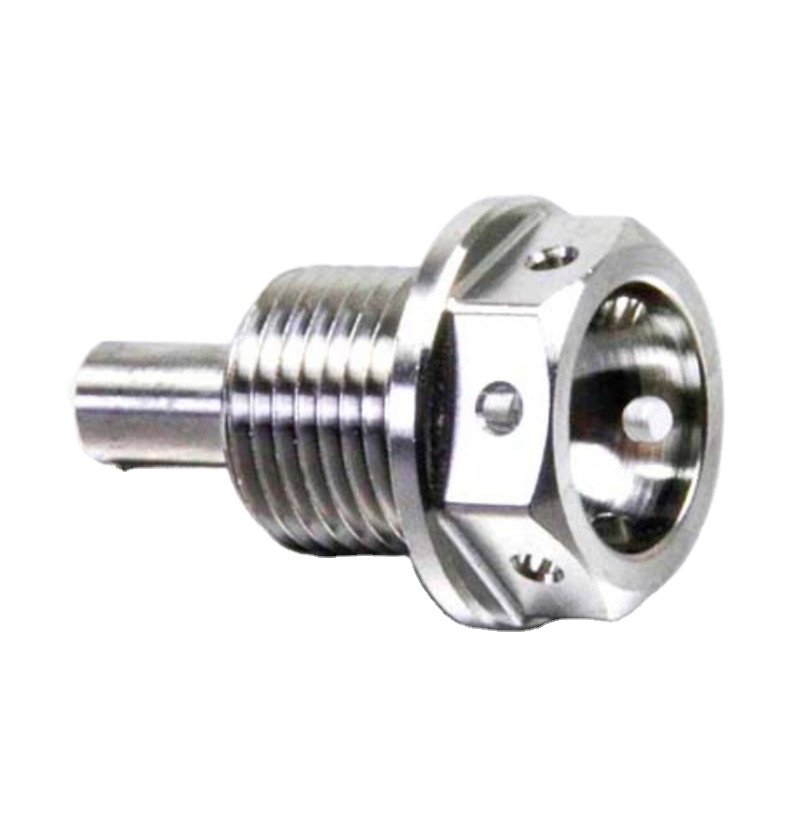
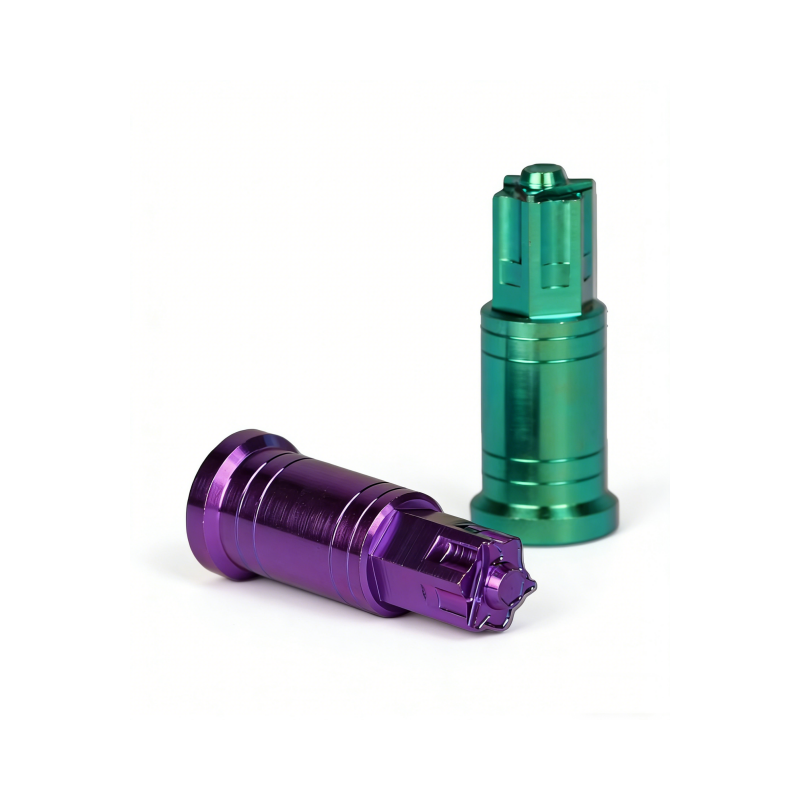
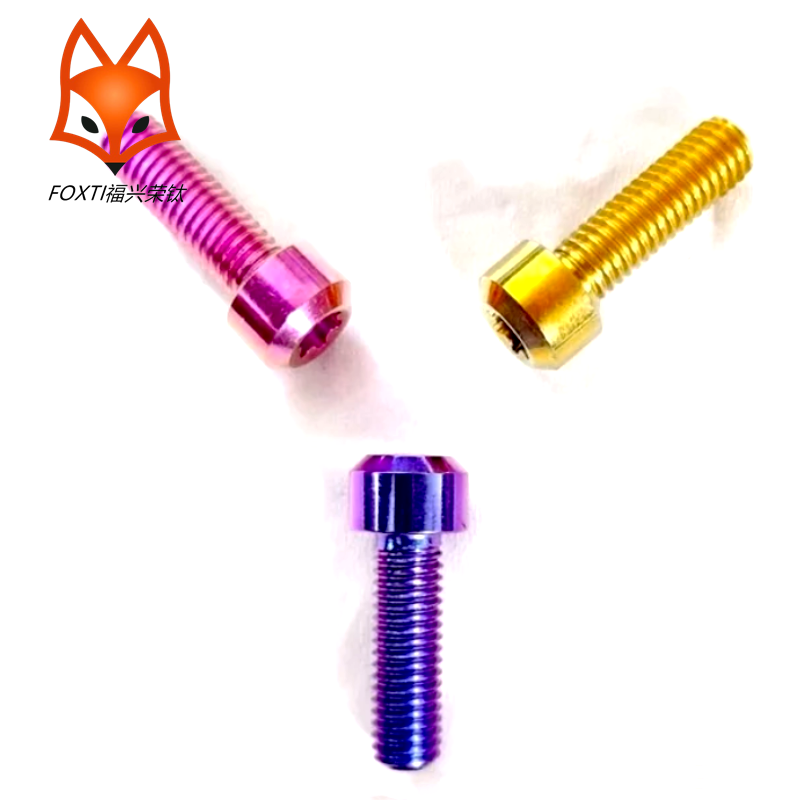
1. The Metallurgical Imperative: Why GR5 Titanium is Essential for Disc Rotor Fastening
In modern motorcycle braking architectures, the disc brake rotor bolts perform one of the most mechanically demanding tasks on the entire rolling chassis. Disc rotor fasteners are continuously subjected to severe combined loading: radial shear forces generated during high-friction deceleration, cyclical tensile stress induced by rotational torque, and thermal shock cycles ranging from ambient atmospheric temperatures to disc rotor soak temperatures exceeding 550°C. Standard factory production motorcycles frequently employ zinc-plated or cadmium-plated medium carbon alloy steel fasteners (Grade 8.8 or Grade 10.9). While carbon steel provides baseline tensile capabilities, it suffers from critical limitations: high density, high susceptibility to hydrogen embrittlement when replated, and aggressive oxidation when exposed to chloride-rich environments.
Verqo manufactures disc brake rotor bolts exclusively from authentic aerospace-grade Grade 5 Titanium (Ti-6Al-4V, UNS R56400, W.Nr. 3.7165). Composed of 90% pure titanium, 6% aluminum to stabilize the alpha phase and boost tensile integrity, and 4% vanadium to stabilize the beta phase for superior shear yield, GR5 titanium exhibits a specific strength-to-weight ratio unmatched by conventional automotive alloys. With a density of approximately 4.43 g/cm³ compared to 7.85 g/cm³ for carbon steel, replacing a dual-disc 10-bolt front hub setup with Verqo titanium bolts eliminates over 42% of fastener mass from the most critical location on the wheel: the rotating outer radius of the hub.
Mechanical & Environmental Property Matrix: Fastener Materials Comparison
| Property Parameter | Verqo GR5 (Ti-6Al-4V) | Marine Stainless (A4 / 316) | OEM High-Tensile Steel (10.9) | Commercial Titanium (GR2) |
|---|---|---|---|---|
| Density (g/cm³) | 4.43 (Optimal) | 8.00 | 7.85 | 4.51 |
| Yield Strength (Rp 0.2, MPa) | 828 – 910 | 450 – 600 | 940 | 275 (Unsafe for Rotors) |
| Ultimate Tensile Strength (MPa) | 950 – 1,050 | 700 – 800 | 1,040 | 345 – 450 |
| Weight Reduction vs Steel | -43.5% | +1.9% (Heavier) | Baseline (0%) | -42.5% |
| Pitting Resistance (PREN in Seawater) | Virtually Immune (>50) | 23 – 25 (Moderate) | Zero (Rapid Rust) | Immune (>50) |
| Thermal Expansion (10⁻⁶/K) | 8.6 (Matches cast/steel hubs) | 16.0 (High expansion) | 11.5 | 8.6 |
| Magnetic Permeability | Non-magnetic (<1.00005) | Non-magnetic to weak | Ferromagnetic | Non-magnetic |
2. Localized Application Realities in Malta: Tackling Marine Chloride Exposure & Archipelago Riding Dynamics
The Maltese archipelago—encompassing Malta, Gozo, and Comino—presents an uniquely unforgiving operational environment for motorcycle braking hardware. Situated centrally in the Mediterranean Sea, no geographical location in Malta is more than 7 kilometers from the coastline. The islands are constantly blanketed by prevailing northwesterly (Majjistral) and easterly (Grigal) marine winds laden with salt-spray aerosols. Sodium chloride (NaCl) and magnesium chloride (MgCl₂) particles continuously settle on vehicle undercarriages, brake calipers, and wheel hubs.
Aggressive Marine Pitting Immunity
In coastal corridors such as the Coast Road (Baħar iċ-Ċagħaq to St. Paul's Bay), Sliema Strand, and Marsamxett Harbour, ambient salt air rapidly attacks OEM zinc plating. Once the sacrificial zinc layer oxidizes, steel bolts undergo galvanic crevice corrosion against the aluminum hub. Verqo Grade 5 Titanium forms an instantaneous, tenacious titanium dioxide (TiO₂) passivation layer that renders it completely impervious to salt mist, eliminating frozen threads and shear pin failure.
Rotational Inertia on Tight Archipelago Arteries
Maltese road architecture features dense urban roundabouts, abrupt switchbacks in the Victoria Lines / Mellieħa ridges, and heavy stop-and-go congestion in Msida and Birkirkara. Unsprung rotational mass at the wheel perimeter directly dictates steering response through gyroscopic procession. By shedding 43% of rotor bolt weight, riders experience crisper turn-in, faster flickability, and less rider fatigue across the island’s tight roads.
Summer Thermal Dissipation (Mediterranean Scorching)
During Maltese summer heatwaves, asphalt surface temperatures often exceed 50°C. Coupled with aggressive downhill braking down steep gradients in Gozo (e.g., Xlendi and Marsalforn valleys), rotor assemblies suffer from severe heat soak. Verqo titanium bolts retain mechanical tensile properties up to 400°C without the micro-structural softening that affects commercial stainless steels, preventing bolt stretching and rotor warping.
3. Industry Trends in Malta: Urban Congestion, Fleet Electrification, and Motorsport Evolution
The two-wheeled market in Malta is undergoing a monumental transformation driven by infrastructural constraints, urban density, and national mobility policies:
1. Massive Expansion of Two-Wheeled Commuting: Malta has one of the highest motor vehicle densities in the European Union. In response to arterial gridlock between the Northern Harbour district and central business hubs, thousands of residents have shifted from four wheels to high-performance maxi-scooters (e.g., Yamaha TMAX, Honda X-ADV, Vespa GTS 300) and middleweight naked motorcycles. Because these commuter bikes remain parked outdoors overnight near coastal marinas in Msida, Gżira, and Sliema, owners demand corrosion-proof titanium upgrades to prevent unsightly rust and dangerous brake assembly degradation.
2. Growth of Lightweight Electric Moto Platforms: With government e-mobility incentives, platforms like Surron Light Bee, Ultra Bee, Storm Bee, and Talaria have exploded in popularity among younger Maltese riders. In electric powerplants, every gram of rotating and unsprung mass saved translates directly into extended battery range, sharper throttle response, and reduced shock rebound loading over unpaved Maltese country trails and limestone rubble tracks.
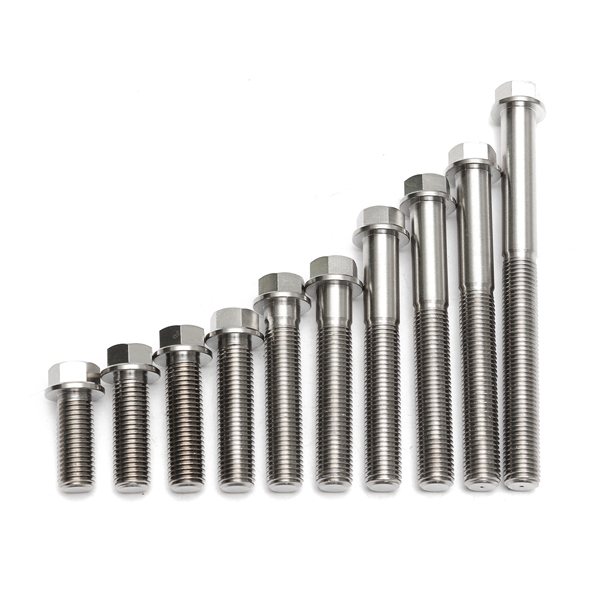
3. The Racing Culture of Ħal Far Raceway & Sicilian Circuit Excursions: Malta boasts an intensely passionate motorsport community centered around Ħal Far Raceway (drag racing, sprint track days, and supermoto). Serious local builders frequently transport their machines via the Virtu Ferries catamaran to Sicilian racing circuits (such as Autodromo Valle dei Templi in Racalmuto). For these competitive teams, Verqo's pre-drilled race-spec flange titanium rotor bolts—compatible with FIM safety wire regulations—provide the ultimate balance of structural rigidity, weight savings, and rapid wheel swaps.
4. Verqo Manufacturing Excellence: Direct from China's "Titanium Valley"
Verqo Titanium Products Co., Ltd. operates directly from Baoji, Shaanxi Province—globally acknowledged as China's "Titanium Valley"—which concentrates over 60% of the world's titanium smelting, testing, and precision machining infrastructure. For over a decade, Verqo has specialized in engineering safety-critical fasteners for automotive, motorcycle, bicycle, and aerospace applications.
Verqo Core Manufacturing & Quality Assurances
Why professional motorcycle mechanics and performance distributors across Malta partner with Verqo
Raw Material Traceability
100% virgin sponge titanium alloyed into vacuum-arc remelted (VAR) ingots. Every production run is accompanied by EN 10204 3.1 chemical and mechanical mill test certificates.
Precision Thread Rolling
Threads are cold-rolled after heat treatment rather than CNC cut. This preserves grain boundary continuity, yielding smooth assembly torque and exceptional fatigue life.
Comprehensive PVD & Anodizing
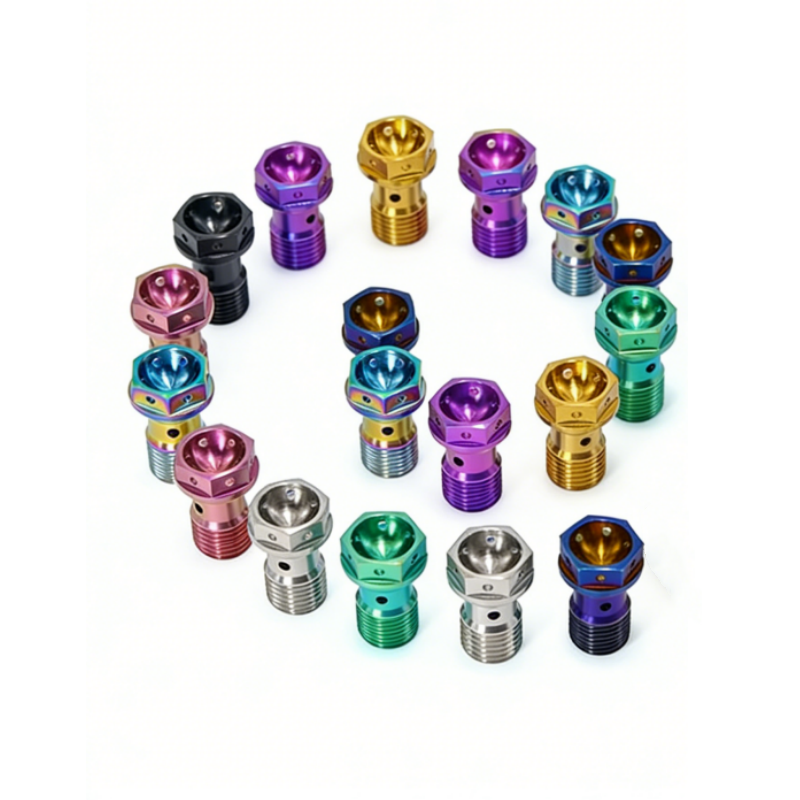
In-house vacuum Physical Vapor Deposition (PVD) produces ultra-hard diamond-like black, burnt blue, and rainbow finishes that resist brake dust abrasion and UV fading.
Rapid Global Logistics to Malta
Dedicated air express accounts with DHL, FedEx, and UPS provide door-to-door delivery across Malta within 4 to 7 business days, accompanied by full customs clearance documentation.
5. Technical Installation & Anti-Galling Engineering Guidelines
Installing titanium fasteners into cast aluminum or forged magnesium motorcycle wheel hubs requires precise engineering discipline to prevent galvanic binding and galling. Titanium's strong chemical affinity can cause microscopic thread microwelding when torqued dry into dissimilar metals. Verqo recommends the following protocols for Maltese technicians and custom builders:
- Lubrication or Threadlock Selection: For motorcycle disc brake rotor bolts, always use medium-strength threadlocker containing anti-corrosion additives (e.g., Loctite 243). If installing dry or with unthreaded guide pins, apply an anti-seize paste formulated with copper, molybdenum disulfide, or synthetic ceramic particles.
- Torque Values: Ti-6Al-4V fasteners have an elastic modulus roughly half that of steel (approx. 114 GPa vs 210 GPa). When utilizing anti-seize or anaerobic threadlockers, reduce dry OEM torque specifications by 10% to 15% to achieve the precise clamping preload without overstressing female hub threads.
- Star-Pattern Tightening: Always tighten rotor bolts incrementally across alternating diameters (star sequence) in two to three stages (e.g., 50% torque, followed by final torque) to guarantee perpendicular rotor seat alignment and zero axial runout.
6. Frequently Asked Questions: B2B Sourcing for Malta & European Mechanics
Upgrade Your Fleet or Workshop with Aerospace-Grade GR5 Titanium
Whether you operate a motorcycle tuning garage in Birkirkara, manage a delivery fleet across Valletta, or campaign a racing team at Ħal Far, Verqo provides the engineering precision, material certifications, and factory-direct pricing your operation requires.
Inquire Now