High-Torque Performance Titanium Fasteners & Rocker Hardware
Engineered for high stress dynamic suspension junctions, rear braking linkages, and extreme duty chassis builds. Explore our verified CNC titanium components below.
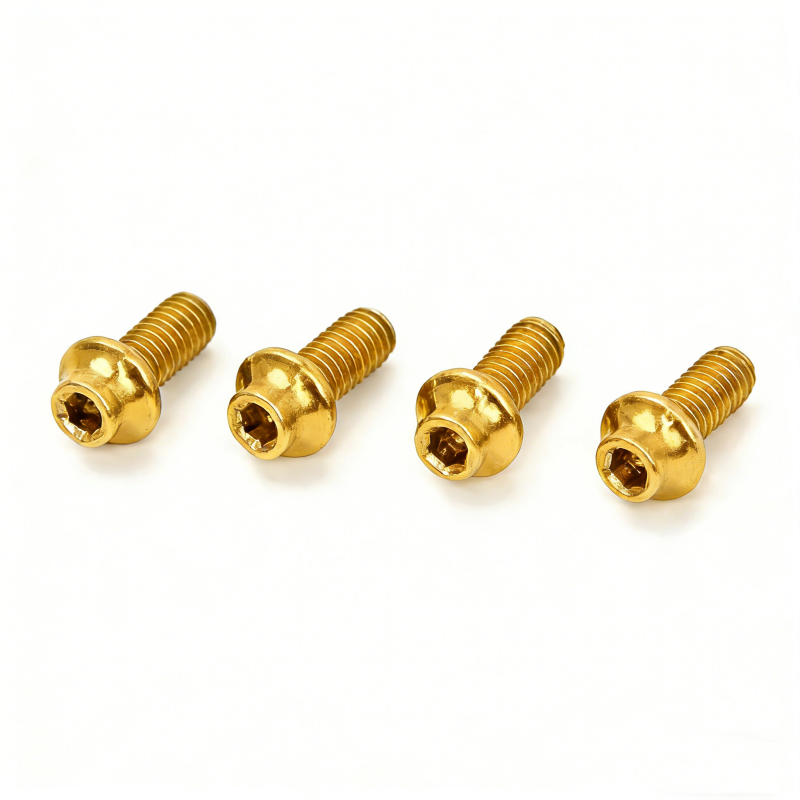
GR5 M2-M4 Anodized Rainbow UFO Cone Head High-Strength Screws
Explore Specs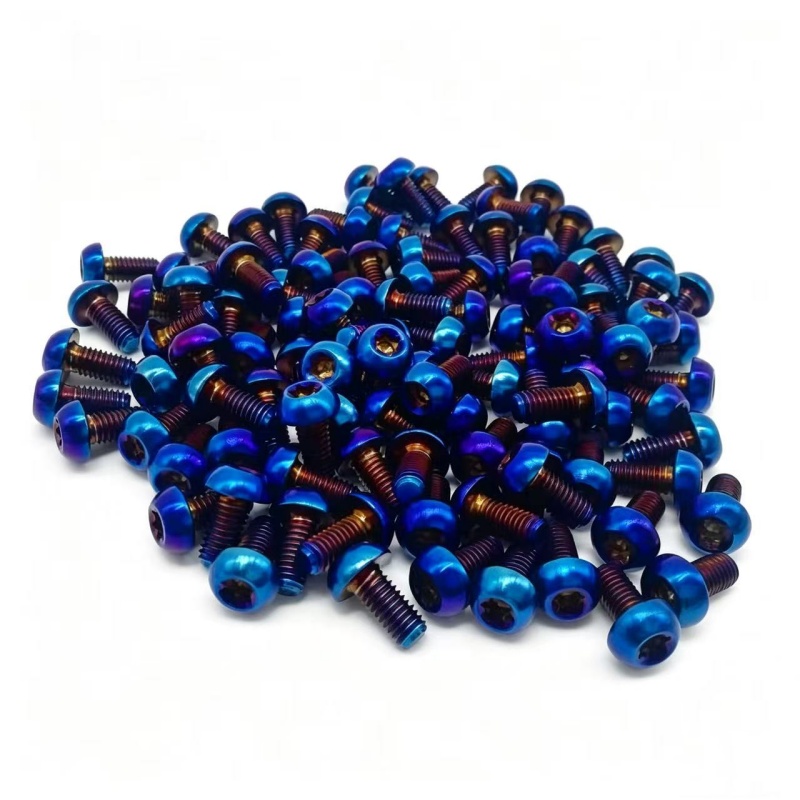
Button Socket Head Titanium Bolts Class 10.9 Surron / Talaria
Explore Specs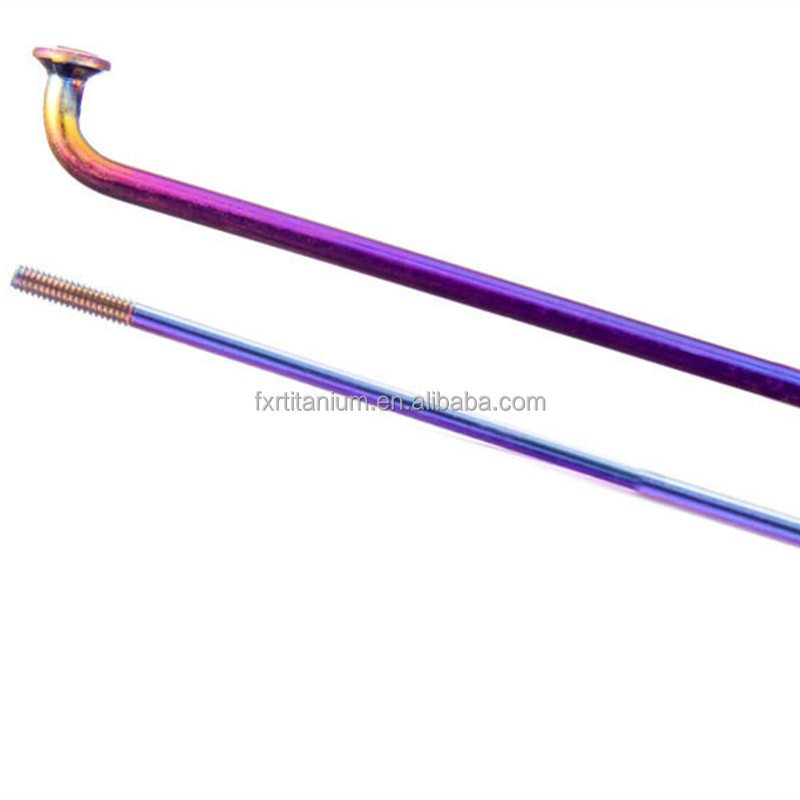
Gr5 Rainbow Pillar 10G-14G Titanium High-Yield Straight Spokes
Explore Specs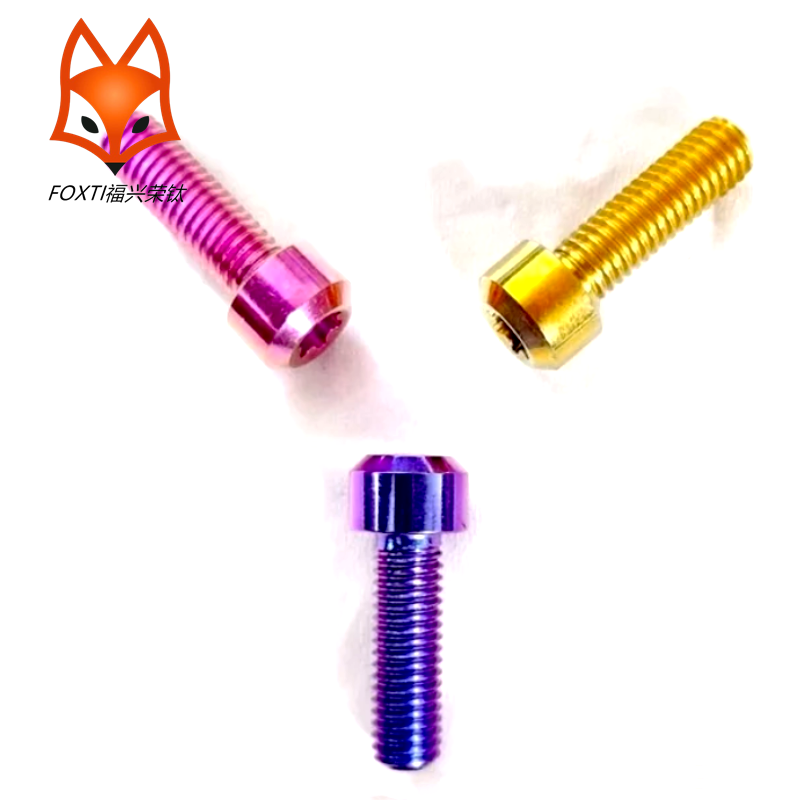
SHSC Head Motorcycle Mod Bolts ISO Plain GR5 Titanium
Explore Specs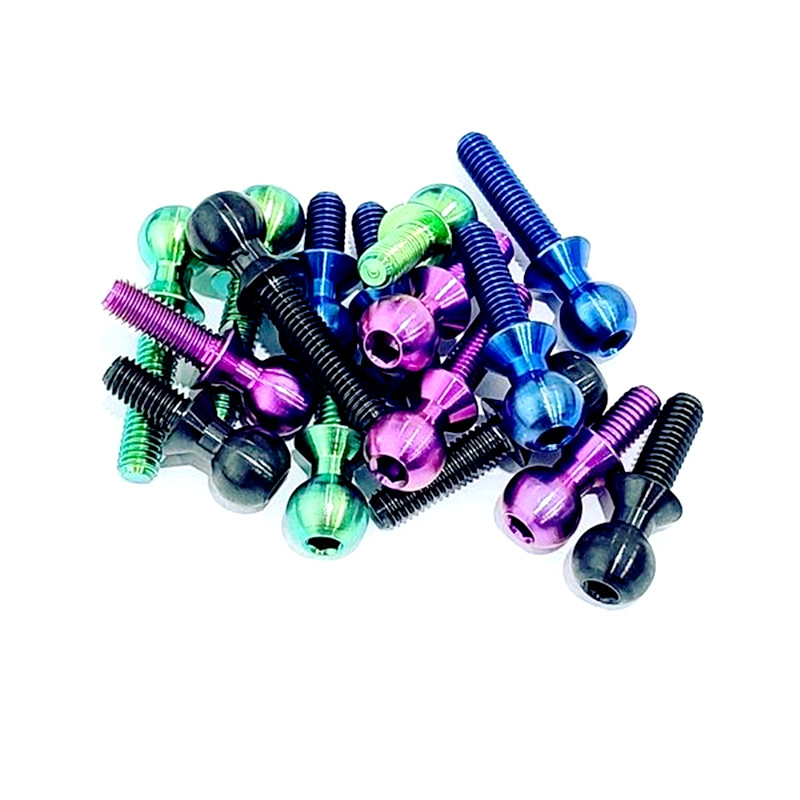
Custom Gr5 M3-M6 Polished PVD Titanium Racing Ball Studs
Explore Specs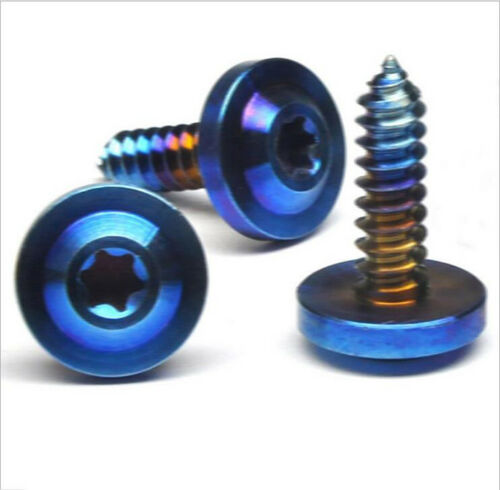
Titanium Body & Rocker Fastener Hardware for Honda Suzuki Yamaha
Explore Specs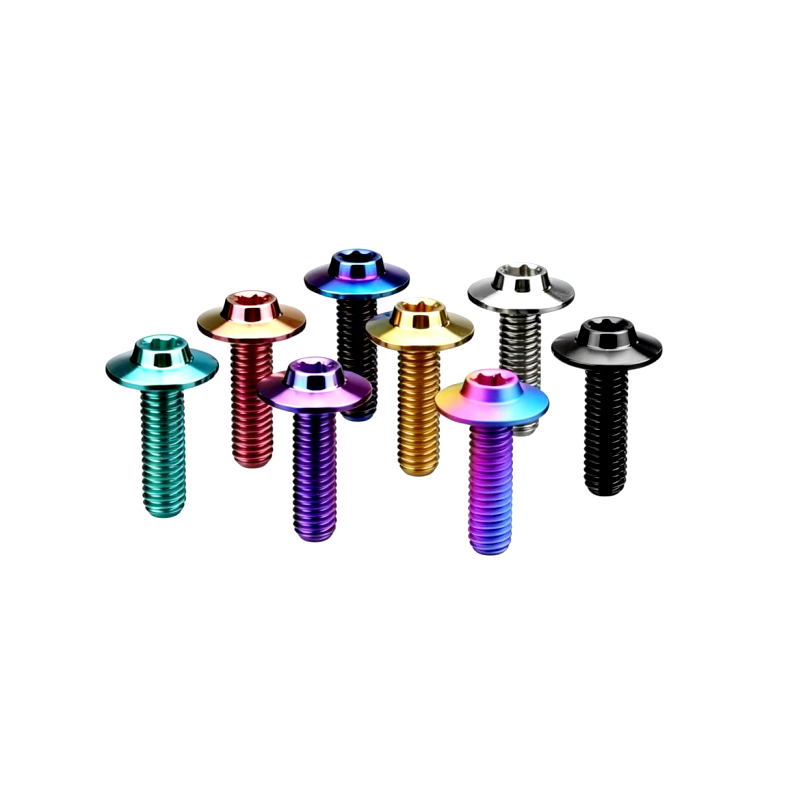
Grade 5 M6 Colorful Umbrella Torx Flange Fasteners
Explore Specs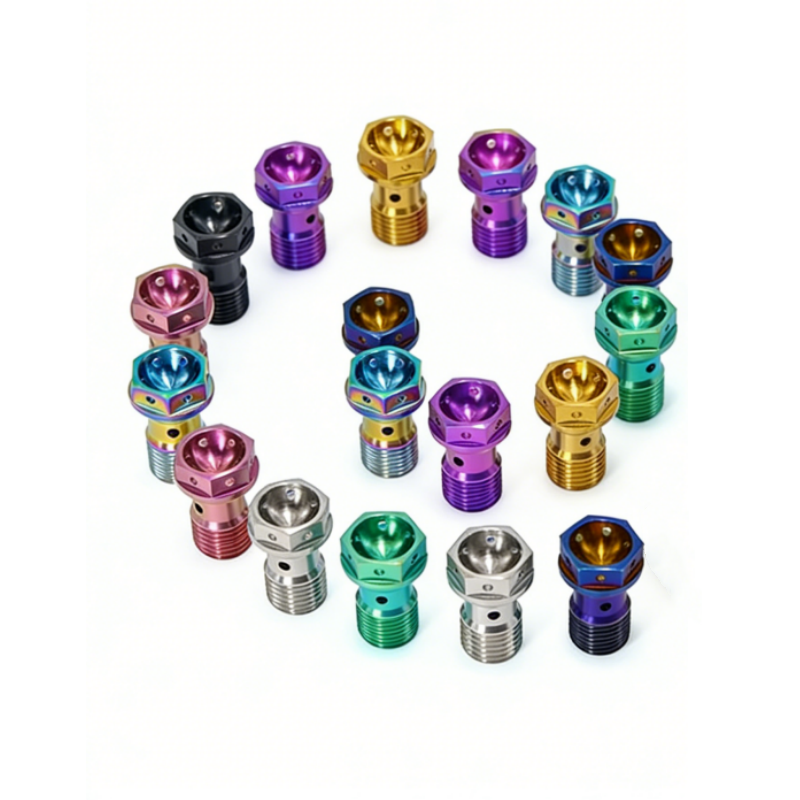
Customized M10x1.0/1.25 Titanium Caliper Banjo Bolts for Brembo
Explore SpecsEngineering Superiority: Ti-6Al-4V Kinetic Rocker Arm Mechanics
A rigorous examination of unsprung weight, shear stress dissipation, and fatigue thresholds across motorcycle and performance automotive rear brake actuation systems.
1. Dynamic Torsional Load Transfer & Deflection Elimination
In conventional drum-to-linkage and modern hydraulic rear brake architectures, the rear brake rocker arm serves as the fundamental pivot converting push-rod tension or mechanical lever displacement into rotational clamping torque. OEM equipment forged from standard stamped mild steel (such as 1018 or 1045 cold-rolled steel) or secondary cast aluminum alloys (A380) frequently exhibits measurable elastic deflection under threshold track or trail braking conditions.
By shifting to CNC-machined Grade 5 Titanium (Ti-6Al-4V, ASTM B348 compliant), our rocker arms and adjoining linkage clevises feature a baseline yield strength exceeding 828 MPa and ultimate tensile strength approaching 950–1000 MPa after specialized vacuum stress relief. The elevated specific stiffness (strength-to-density ratio) ensures that 99.4% of driver pedal force is mechanically transferred to the brake cam without parasitic arm flex, restoring instantaneous tactile feedback and preventing "pedal sponge" during repeated high-thermal braking cycles.
2. Harmonic Damping & Unsprung Weight Reduction on the Swingarm Axis
The rear brake rocker assembly is situated directly on the vehicle's unsprung or semi-sprung kinematic envelope. Every gram saved on the rear axle swingarm node multiplies suspension responsiveness over rough terrain, washboard roads, or high-bank speedway transitions. Grade 5 titanium possesses a nominal density of 4.43 g/cm³ compared to 7.85 g/cm³ for alloy steel—delivering an approximate 43.5% reduction in direct component mass.
Additionally, titanium exhibits an inherently superior internal material damping coefficient compared to aluminum alloys. This metallurgical characteristic dampens high-frequency harmonic oscillations propagated by brake pad chatter and road surface inconsistencies, directly minimizing harmonic micro-fretting along spline interfaces and pivot bushing sleeves.
| Mechanical Property / Material Benchmark | Verqo GR5 Titanium (Ti-6Al-4V) | OEM Cast Aluminum (A380) | Hardened Steel (Class 10.9) |
|---|---|---|---|
| Volumetric Mass Density | 4.43 g/cm³ (-43.5% vs Steel) | 2.71 g/cm³ | 7.85 g/cm³ (Heavy Baseline) |
| Ultimate Tensile Strength (UTS) | 895 – 1020 MPa | 324 MPa | 1040 MPa |
| Yield Strength (0.2% Offset) | 828 – 910 MPa | 160 MPa | 940 MPa |
| Elastic Modulus (Stiffness) | 114 GPa (Optimized Deflection) | 71 GPa (High Flex Risk) | 205 GPa |
| Corrosion Resistance (CASS Salt Spray) | > 1,000 Hours (Self-Passivating) | < 96 Hours (Pit Formation) | < 48 Hours (Rust Infiltration) |
| Galling & Spline Tear Resistance | PVD Coated / Low Friction Nitrided | Extremely Poor (Strip Vulnerable) | Medium (Requires Heavy Grease) |
Precision Applications Across Greater Nashville's Automotive Corridor
From the high-octane short tracks of Wilson and Davidson County to the specialized powersports fleets traversing the Cumberland Plateau, Verqo supplies engineered components where reliability cannot be compromised.
Nashville Fairgrounds & Short-Track Oval Racing
Local asphalt late-model, legend car, and modified sprint divisions racing at the historic Nashville Fairgrounds Speedway demand components that resist high lateral thermal soaking. Our GR5 brake rocker pivots and caliper pad retainers ensure zero brake fade when scrubbing speed lap after lap into tight banked corners.
Cumberland Off-Road & Dual-Sport Endurance
Navigating the mud, limestone clay, and humid woodland trails outside Franklin, Murfreesboro, and the Highland Rim destroys factory steel splines through accelerated crevice corrosion. Verqo's immune titanium oxide passivated film (TiO₂) guarantees that rocker arms operate smoothly without seizing or rust binding.
Middle Tennessee Custom Metric & V-Twin Fabricators
Nashville's burgeoning motorcycle modification ateliers and custom builders demand show-grade mirror polish, burnt blue flame-anodized, or PVD oil-slick custom rocker hardware that matches artistic distinction with structural race integrity on custom swingarms.
Automotive Trends Accelerating Titanium Demand in Tennessee
Understanding the shifting manufacturing ecosystem across the I-65 and I-40 transit nexus.
Electric Powersports Electrification (E-Moto Surge)
With Middle Tennessee quickly establishing itself as the electric mobility hub of the American Southeast, high-torque lightweight electric platforms (Surron Ultra Bee, Talaria Sting, custom EV conversions) require hyper-lightweight kinetic brake components to balance heavy onboard battery configurations.
CAD-Integrated Short-Run OEM Outsourcing
Nashville custom builder collectives are abandoning mass-market catalog parts in favor of proprietary OEM/ODM runs. With Verqo's direct CAD-to-Baoji 5-axis CNC machining centers, regional shops can prototype, test, and stock proprietary billet rocker assemblies in volumes as small as 50 to 100 units.
Transition to PVD Thin-Film Surface Metallurgy
Traditional wet paint and powder-coated linkages chip and trap contaminants. The market trend among Nashville builders is overwhelmingly shifting to PVD (Physical Vapor Deposition) Titanium Nitride (TiN) and Diamond-Like Carbon (DLC) for self-lubricating wear resistance along pivot axes.
Integrated Manufacturing Direct from China's "Titanium Valley"
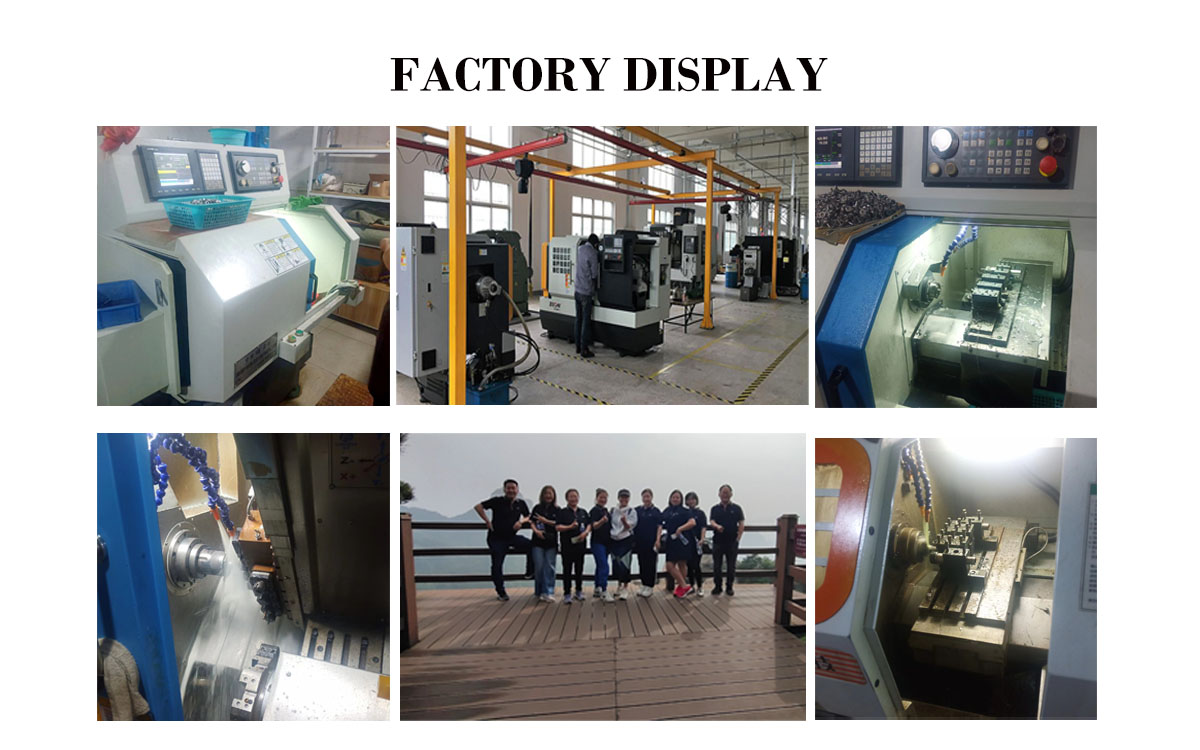
Headquartered in Baoji, Shaanxi Province—the world-renowned epicenter of non-ferrous metallurgical processing—Verqo Titanium Products Co., Ltd. has delivered world-class titanium engineering since 2015. Operating 1,001–2,000 m² of modern production facilities equipped with multi-axis precision CNC lathe-milling complexes, optical comparator scanners, and vacuum PVD chambers, we eliminate trading company markups for our North American partners.
- True Ti-6Al-4V Mill-Cert Material Traceability with Batch Spectral Validation
- Rapid Prototyping: 2D Blueprint (.dwg, .pdf) & 3D SolidWorks (.step) Compatibility
- Rapid Logistics Pipeline Serving Nashville via DHL Express / FedEx Priority Air Freight
- Comprehensive Surface Regimes: Mirror Polishing, Custom Anodizing & PVD Multi-Coloring



Frequently Asked Questions: Nashville OEM/ODM Titanium Sourcing
Direct technical and commercial answers tailored for machine shops, racing teams, and purchasing agents in Tennessee.
What is the standard turnaround time for sample delivery to Nashville, TN?
For custom OEM/ODM rear brake rocker arm drawings, engineering DFM review and toolpath programming take 24–48 hours. Rapid prototyping sample production runs typically finish in 7–10 working days. Shipments to Nashville via express air freight (FedEx Priority / DHL) routinely clear customs at Memphis/Nashville hubs in 3–5 transit days.
How do you address thread galling on titanium brake rocker clevis bolts?
Galling is an intrinsic risk when pairing untreated titanium threads. Verqo counters this by applying micro-finishing on internal threads, offering anti-friction PVD coatings, and providing precise torque correction tables alongside copper-based or MoS2 anti-seize recommendations for all Nashville assembly mechanics.
Can you machine proprietary multi-tooth splines matching OEM motorcycle hubs?
Yes. Our CNC wire EDM and multi-axis gear-hobbing equipment routinely machine standard and custom involute splines (including Japanese JIS, DIN 5480, and SAE specifications). We reproduce zero-backlash spline interfaces from physical samples or CAD gear parameters.
What Minimum Order Quantities (MOQ) apply to custom B2B production?
Unlike rigid industrial conglomerates, Verqo maintains a builder-friendly policy. While standard catalog titanium fasteners start at 10–20 pieces, bespoke CNC-milled rocker arm assemblies and suspension links have initial pilot MOQs starting at just 50 units, scaling seamlessly to 50,000+ units for volume contracts.
Do you provide certified material test reports (MTR) with shipments?
Every single batch dispatched to Tennessee includes EN 10204 3.1 Material Certificates verifying chemical stoichiometry (Ti-6Al-4V) and physical tensile/yield/elongation metrics. Ultrasonic non-destructive flaw detection logs can also be furnished upon project specification.
What B2B payment terms and commercial currencies are supported?
We accept direct USD corporate Wire Transfers (T/T), irrevocable Letters of Credit (L/C) for bulk freight, and verified PayPal processing for rapid sampling runs, catering to corporate purchasing and small speed shops across the US Southeast.
Ready to Engineer Your Titanium Kinetic Components?
Submit your CAD files, sketches, or OEM replacement specs directly to our chief tooling engineers in Baoji. We provide a comprehensive feasibility report and quote within 2 hours.
Contact Us