Precision GR5 Titanium Automotive & Performance Hardware
Manufactured from aerospace-certified Ti-6Al-4V bar stock in China's Titanium Valley (Baoji), offering 43% weight savings over steel and immunity to saltwater corrosion.
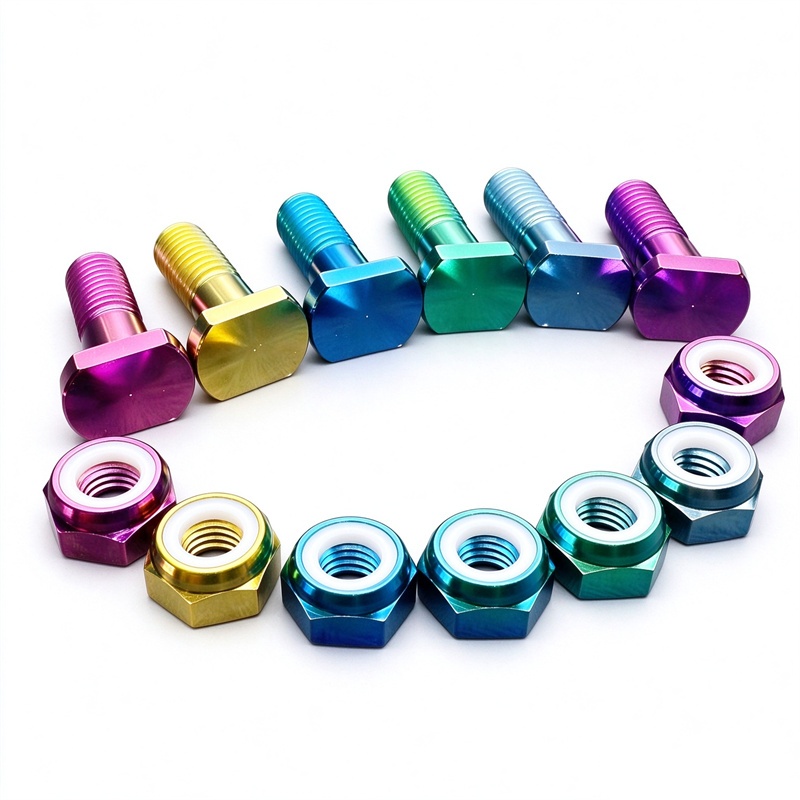
Custom Factory Polished Colorful Gr5 Titanium Disc Rotor Bolt and Nut for Ducati
View Specification →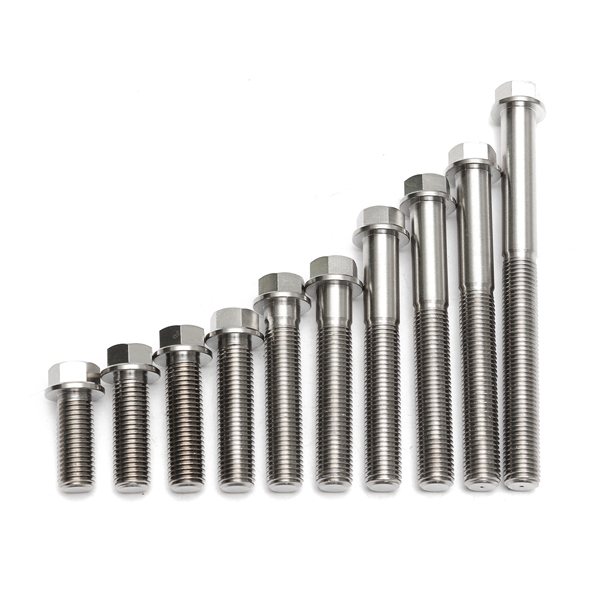
M6 M8 M10 GR5 Automotive & Sprint Car Titanium Hex Flange Bolts Anodized
View Specification →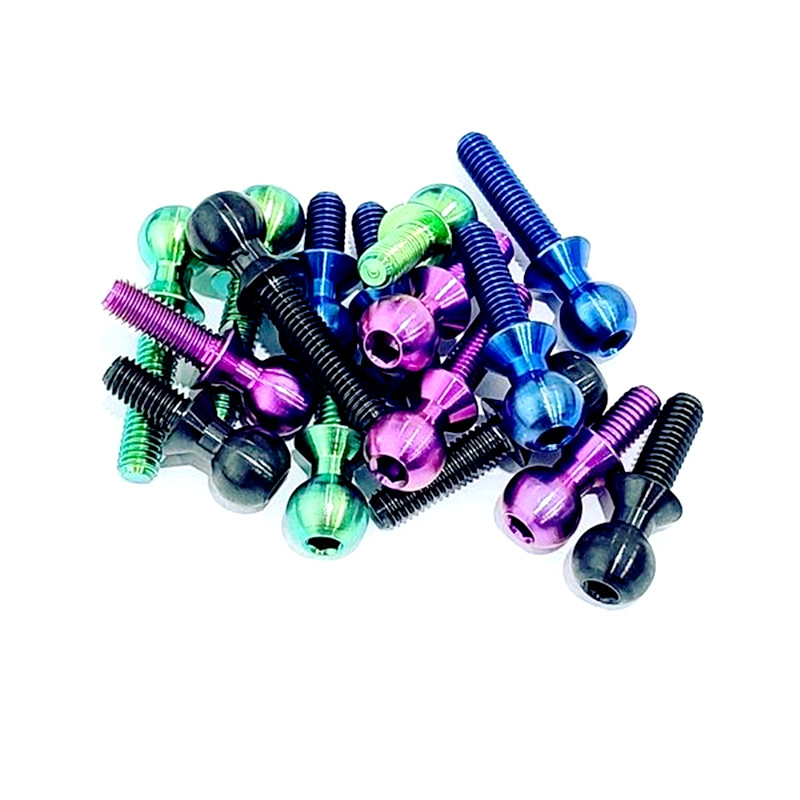
Gr5 M3–M6 PVD / Anodized Finish Titanium Alloy Precision Ball Studs
View Specification →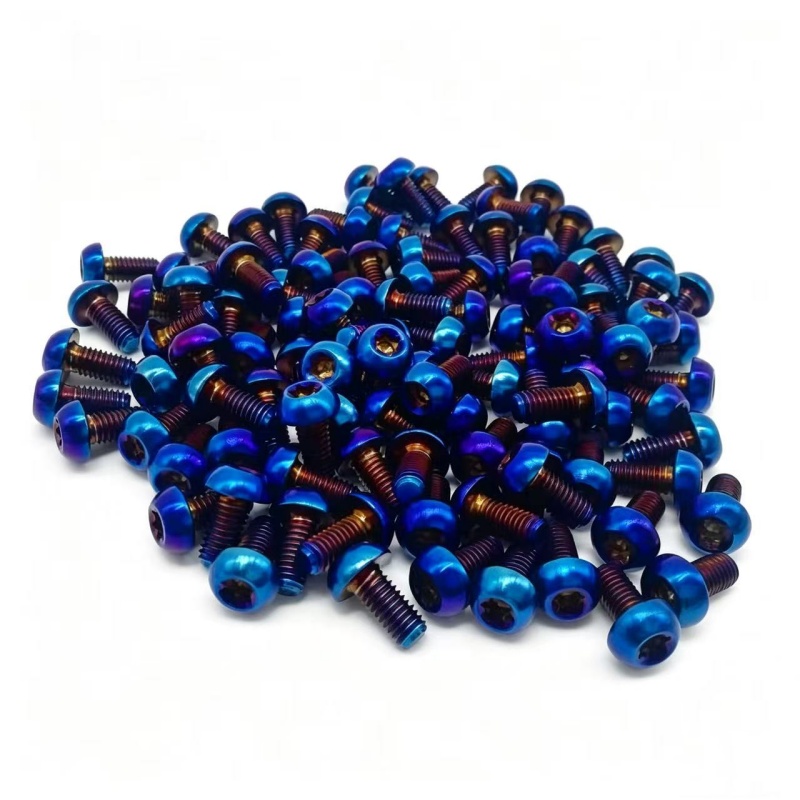
Button Socket Head Titanium Alloy Fasteners Burnt Blue Class 10.9 Equivalent
View Specification →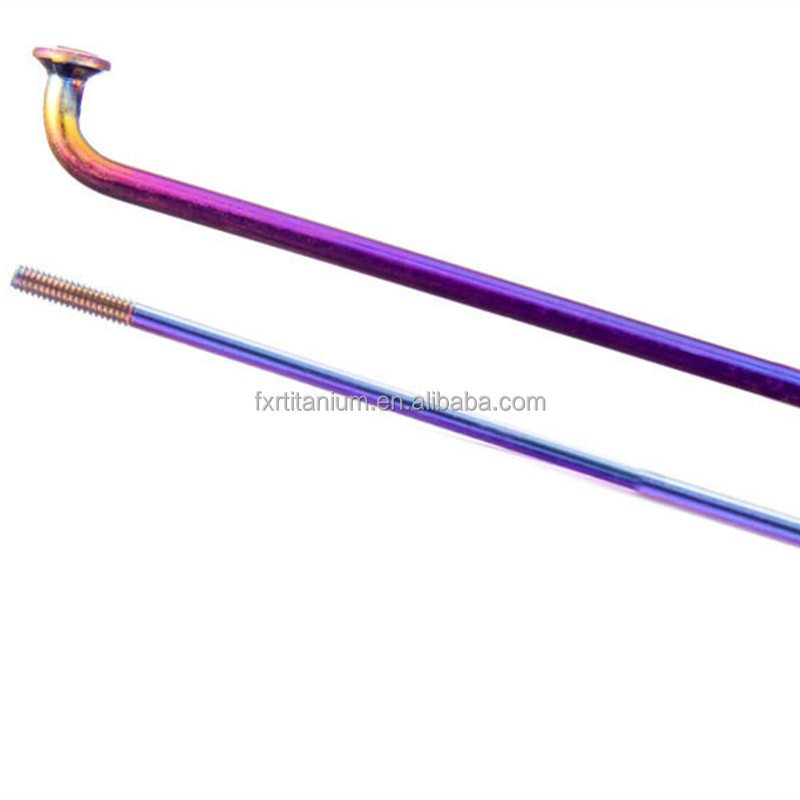
High Quality Gr5 Rainbow 10G / 14G Straight Pull Wheel Titanium Spokes
View Specification →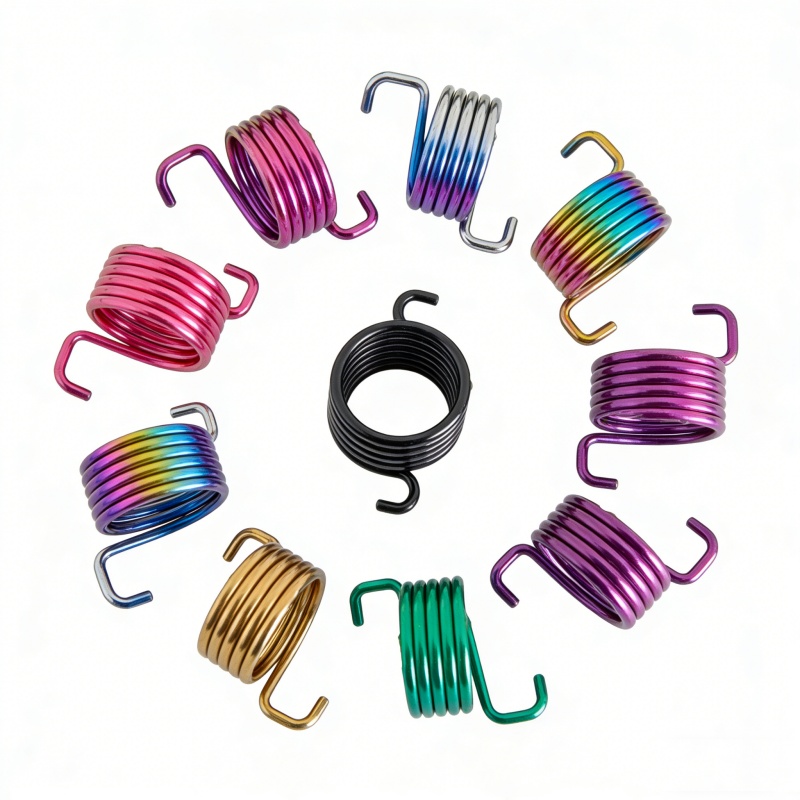
Custom Colorful Titanium Alloy Coil Torsion Springs 25 lb Load Rating
View Specification →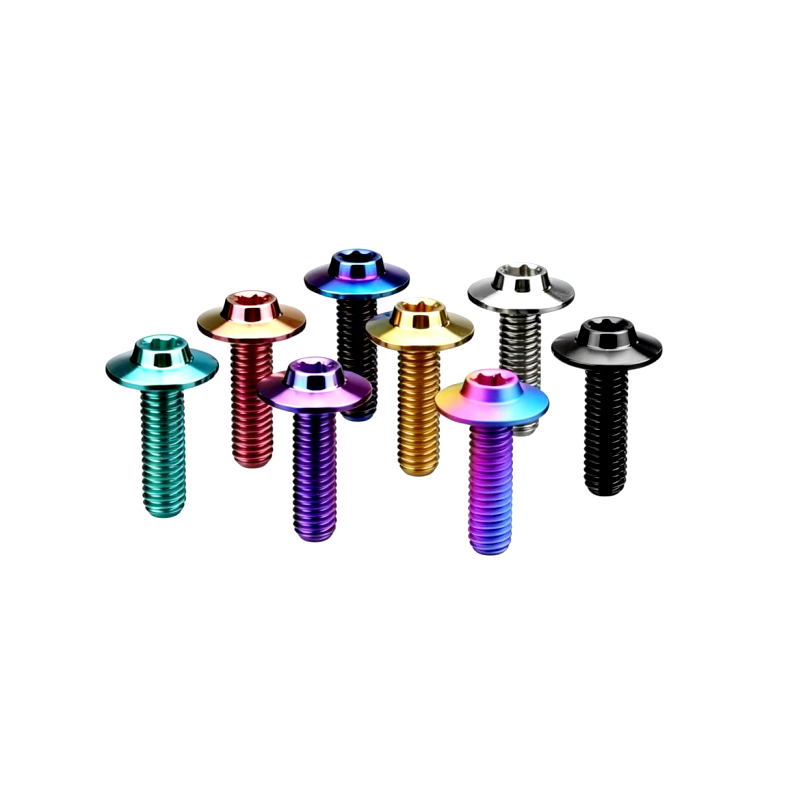
Grade 5 Titanium M6 Umbrella Torx Head Multi-Length Automotive Bolts
View Specification →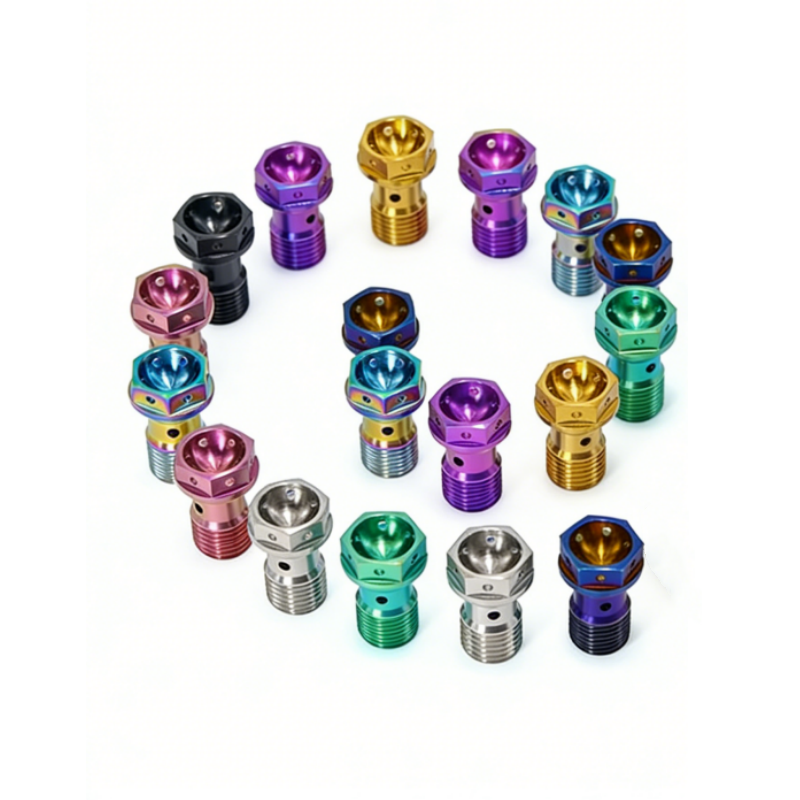
Customized M10×1.0/1.25×19mm Brake Caliper GR5 Titanium Banjo Bolts
View Specification →Engineering White Paper: Titanium Grade 5 vs. Traditional Brass & Aluminum Tire Valve Stems
Automotive tire valve stems represent one of the most critical yet frequently compromised pneumatic containment components on modern passenger, commercial, and utility vehicles. In harsh maritime regions such as St. John’s, Newfoundland and Labrador, standard brass and anodized aluminum tire valve stems undergo aggressive galvanic corrosion, stress-corrosion cracking, and atmospheric oxidation. Verqo’s Grade 5 (Ti-6Al-4V) titanium automotive valve stems eliminate these failure modes by combining an ultra-dense, self-healing rutile-anatase oxide film (TiO₂) with an extraordinary strength-to-weight ratio.
Unlike commercial brass (C36000), which suffers from dezincification in the presence of road-applied calcium chloride and coastal maritime mists, Grade 5 titanium demonstrates thermodynamic immunity to chloride-induced pitting. Simultaneously, aluminum valve stems (such as 6061-T6 often integrated into early-generation tire pressure monitoring systems, or TPMS) routinely seize onto brass or steel valve cores, snapping during routine inflation in freezing temperatures. Verqo's precision CNC-machined titanium tire valve stems eliminate galvanic seizure, withstand rotational centrifugal shear forces beyond 300 km/h, and ensure pneumatic sealing integrity from -55°C to +150°C.
| Performance Parameter | Verqo GR5 Titanium (Ti-6Al-4V) | Automotive Free-Cutting Brass | Anodized Aluminum (6061-T6) |
|---|---|---|---|
| Density & Rotational Mass | 4.43 g/cm³ (High-RPM Balance Stable) | 8.50 g/cm³ (Heavy Centrifugal Drag) | 2.70 g/cm³ (Lightweight, Low Tensile) |
| Ultimate Tensile Strength (UTS) | ≥ 895 – 1,000 MPa | 380 – 450 MPa | 290 – 310 MPa |
| Yield Strength (0.2% Offset) | ≥ 828 MPa | 180 – 230 MPa | 240 – 275 MPa |
| Marine Salt Spray Resistance (ASTM B117) | > 3,000 hrs (Zero Oxidation / Pitting) | 240 hrs (Severe Verdigris & Thread Seizure) | 480 hrs (Galvanic Blistering & Fracture) |
| Chloride Stress Corrosion Cracking | Immune under Ambient Atmospheric Pressures | Moderate to High Risk | Severe Pitting under Road De-Icers |
| Sealing Seat Thread Machining Standard | ISO Class 6g / DIN 7756 (VG8 Precision) | Standard Cast / Extruded Threads | Cut Threads (Prone to Galling) |
St. John’s & Eastern Newfoundland Fleet Operating Environments
Examining how the microclimate, coastal geography, and industrial logistics of St. John's mandate titanium valve hardware over conventional alloys.
1. Sub-Zero Freeze-Thaw & Heavy Chemical De-Icers
The Avalon Peninsula experiences erratic temperature transitions, cycling rapidly between sub-zero blizzards and oceanic rain. Road maintenance departments heavily apply concentrated rock salt (NaCl), magnesium chloride (MgCl₂), and liquid calcium chloride brine on major arterial routes such as Team Gushue Highway, Peacekeepers Way, and the Trans-Canada Highway. These chemical compounds infiltrate wheel cavities, crystallizing in valve stems and chemically attacking brass threads. Verqo GR5 titanium stems are completely impervious to brine-induced degradation, maintaining seamless thread engagement year-round.
2. Port Logistics & Harsh Marine Salt Mist Exposure
As the primary supply base for offshore energy projects in the Jeanne d'Arc Basin and coastal shipping routes, St. John's harbor infrastructure exposes cargo transports, dockside mobile equipment, and heavy-duty logistics haulers to continuous marine fog and high-salinity ocean spray. Conventional rubber-brass clamped stems quickly crack, causing insidious low-pressure rim leaks that increase fuel burn and tire sidewall blowouts. Our marine-grade Ti-6Al-4V stems prevent atmospheric air bleed and seal failures on commercial tractor-trailers and support fleet vehicles.
3. Electric Vehicles (EVs) & Severe Rim Impact Durability
With Newfoundland and Labrador Hydro incentivizing rapid EV adoption in St. John's, heavier curb weights and instant wheel torque put unprecedented mechanical strain on wheels and rim hardware. Combined with frost heaves and springtime pothole impacts on provincial roads, brittle lightweight alloy stems frequently fracture at the rim base. The superior modulus of elasticity (110 GPa) and high fracture toughness (K_IC ≈ 75 MPa·m¹⁄²) of Verqo titanium valve stems reliably absorb high shock loads without bending or micro-fissuring.
Technical Architecture: TPMS Sensor Compatibility & Anti-Galling Design
Modern vehicle fleets across Newfoundland require absolute reliability with Direct Tire Pressure Monitoring Systems (direct TPMS). Conventional aftermarket metallic stems often compromise TPMS accuracy due to electrochemical incompatibility or RF signal interference. Verqo's automotive tire valve stems are specifically engineered with the following technical enhancements:
Universal TPMS Clamp-In Fitment
Precision-contoured stem bodies designed to mate seamlessly with OEM and universal programmable TPMS sensor bodies (including Schrader, Continental, and Huf standards), maintaining standardized 0.453" (11.5 mm) rim hole compatibility.
Fluorocarbon (Viton™) O-Ring Seals
Equipped with aerospace-grade FKM elastomer washers retaining viscoelastic sealing resilience from -40°C to +200°C, preventing bead seepage even during rapid thermal cycling from aggressive coastal highway braking.
Multi-Layer Physical Vapor Deposition (PVD)
Engineered with PVD diamond-like carbon (DLC), neo-chrome, or titanium nitride finishes. These coatings increase surface hardness past 2,500 HV, preventing thread galling during manual torque-down and core servicing.
Automotive & Commercial Hardware Trends Across Atlantic Canada
The automotive component sector serving Atlantic Canada is undergoing a structural shift driven by total cost of ownership (TCO) calculations. Municipal maintenance fleets, emergency emergency vehicles, long-haul transport operators, and luxury performance vehicle owners in St. John’s are steadily moving away from disposable brass and low-grade aluminum hardware toward lifetime-durable titanium components. Three prominent macro trends define current procurement behaviors:
1. Lifecycle Optimization over Initial Piece Cost: Sourcing managers in Newfoundland and Labrador recognize that premature valve stem failure results in roadside downtime, tire destruction, and costly towing bills. A single wheel detachment or rapid roadside flat caused by a snapped aluminum valve stem on the Outer Ring Road costs upwards of $600 CAD in field repair. Investing in titanium hardware provides true lifetime durability, with zero valve replacement required across the multi-year service life of commercial wheel rims.
2. Rising Demand for Lightweight Rotational Unsprung Mass: Performance automotive tuners, sports vehicle clubs, and electric mobility engineers prioritize reducing rotational unsprung weight. Every gram shed at the rim periphery reduces rotational inertia during acceleration and braking. Verqo's titanium stems reduce rotational mass by nearly half compared to heavy brass stems, delivering improved wheel balance retention and refined damper telemetry on rough maritime roads.
3. Enhanced Aesthetic Longevity in Custom Aftermarket Wheel Applications: St. John’s robust 4x4, overlanding, and custom street car enthusiasts demand accessories that endure long winters without tarnishing. Anodized and PVD-treated titanium valve stems retain their brilliant metallic finishes (such as Burnt Blue, Oil-Slick, and Raw Satin) without fading, flaking, or oxidizing when exposed to road slag, highway gravel, or alkaline wheel cleaners.
Why Global & Regional Buyers Partner with Verqo Titanium
Direct manufacturer capabilities situated in Baoji, China's designated "Titanium Valley", guaranteeing complete metallurgical control from raw sponge titanium to finished export packaging.
Certified Titanium Origin
Every production batch uses 100% virgin Ti-6Al-4V titanium ingot with complete traceability, chemical spectrometry analysis, and EN 10204 3.1 Mill Test Certificates available upon request.
Swiss-Type Multi-Axis CNC
Equipped with high-precision CNC multi-axis automatic lathe centers producing precision threads (DIN 7756 / ISO metric) with zero burrs, micro-fine chamfers, and dimensional consistency within ±0.01 mm.
OEM / ODM Customization
Custom stem lengths, rim hole seat diameters (8.3 mm, 11.5 mm, or custom off-road designs), bespoke laser logo engraving, and diverse surface finishes including PVD rainbow, burnt blue, and mirror polish.
Streamlined Export Logistics
Comprehensive B2B export packaging with vacuum sealing, barcoding, and rapid air express logistics to North American hubs, backed by an average technical inquiry response time of under 2 hours.
Frequently Asked Questions: Sourcing Titanium Stems for St. John's Buyers
Essential technical, commercial, and installation answers for automotive wholesalers, fleet technicians, and wheel distributors.
Will titanium valve stems cause galvanic corrosion against aluminum alloy wheels?
No. When installed with Verqo's high-grade EPDM or Viton isolation washers, there is no direct electrical bridging between the titanium stem body and the wheel rim. Furthermore, the passive titanium dioxide (TiO₂) film acts as a natural dielectric barrier. In field testing across sub-zero maritime environments, titanium stems exhibit zero galvanic pitting against alloy wheels compared to the notorious corrosion found with factory steel and brass hardware.
Can Verqo titanium valve stems accommodate internal TPMS sensors?
Yes. We manufacture both standalone clamp-in racing stems and modular stems designed specifically to thread directly into OEM or universal programmable TPMS sensor bodies. Our engineers can provide precise dimension blueprints to verify fitment against your specific sensor module and wheel drop-center geometry.
What is the recommended installation torque for titanium tire valve stems?
For standard 0.453" (11.5 mm) rim hole clamp-in titanium stems, the optimal hex nut tightening torque is 4.0 – 5.0 N·m (35 – 44 in-lbs). Because titanium possesses high tensile yield strength, overtightening standard rubber washers is avoided. We recommend a minute dab of non-petroleum anti-seize or silicone lubricant on external threads for effortless future servicing.
What are the minimum order quantities (MOQ) and shipping transit times to St. John's?
For standard catalog SKUs in raw polished or standard anodized colors, MOQs start as low as 50 to 100 sets. Custom CNC-machined specifications or bespoke OEM branded packaging typically start at 200 to 500 sets. Air express shipments typically arrive at St. John's International Airport (YYT) or logistics centers in 5 to 8 business days following dispatch.
Why is Grade 5 (Ti-6Al-4V) utilized instead of Grade 2 commercially pure titanium?
Grade 2 commercially pure titanium has a yield strength of roughly 275 MPa, which is inadequate for high-stress automotive tire valve stems subject to heavy impact, vibration, and rapid air-chuck leverage. Grade 5 is an alpha-beta alloy featuring 6% aluminum and 4% vanadium, achieving a yield strength exceeding 828 MPa and an ultimate tensile strength over 895 MPa, matching Class 10.9 fastener integrity.
How do Verqo surface finishes withstand Newfoundland road gravel and winter brine?
Our PVD (Physical Vapor Deposition) coating is performed in high-vacuum chambers, creating a molecularly bonded titanium carbonitride or titanium nitride layer that will not peel, chip, or flake like liquid lacquer. Anodized finishes are electrolytic conversions of the titanium's natural oxide layer, providing resilient color depth that withstands winter salt spray and high-pressure car wash chemicals.