Engineered Titanium Caliper Hardware & Performance Bolts
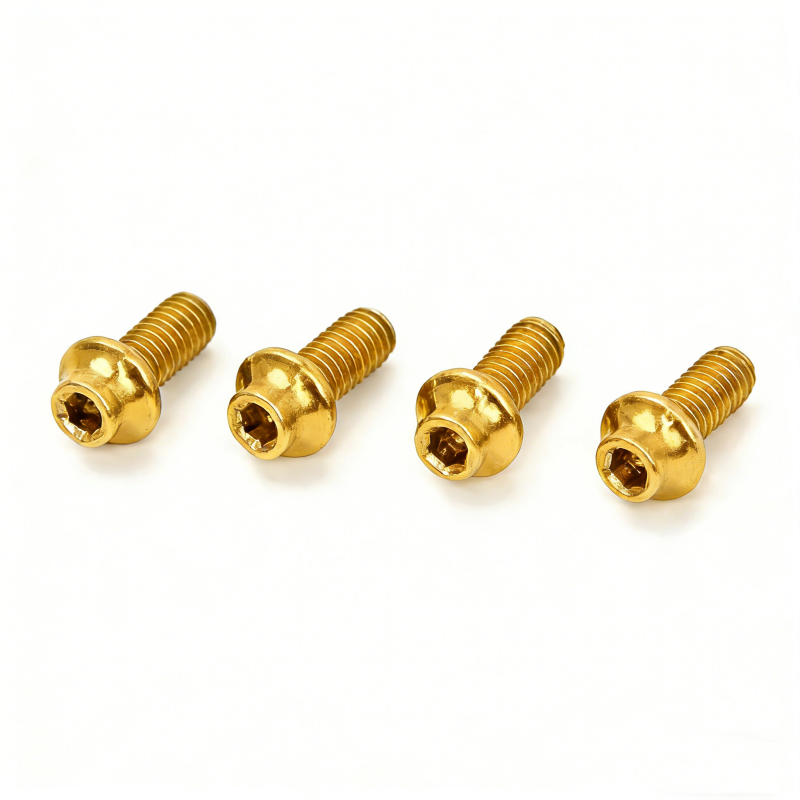
Precision CNC-turned from aerospace-grade Gr5 (Ti-6Al-4V) billet bars. Designed for maximum heat dissipation, corrosion resistance, and zero shear-fatigue under severe braking conditions.
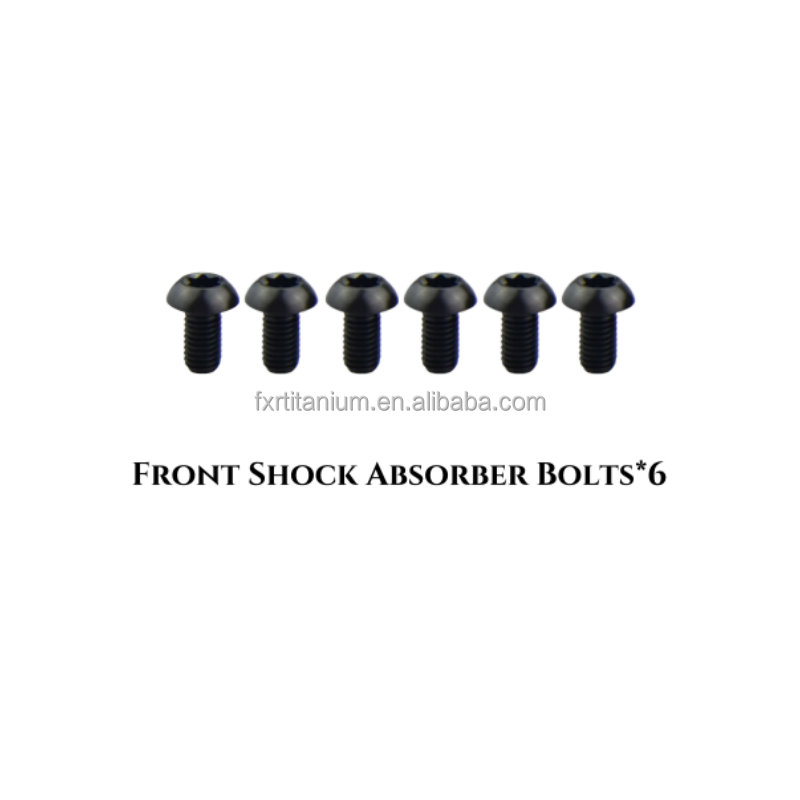
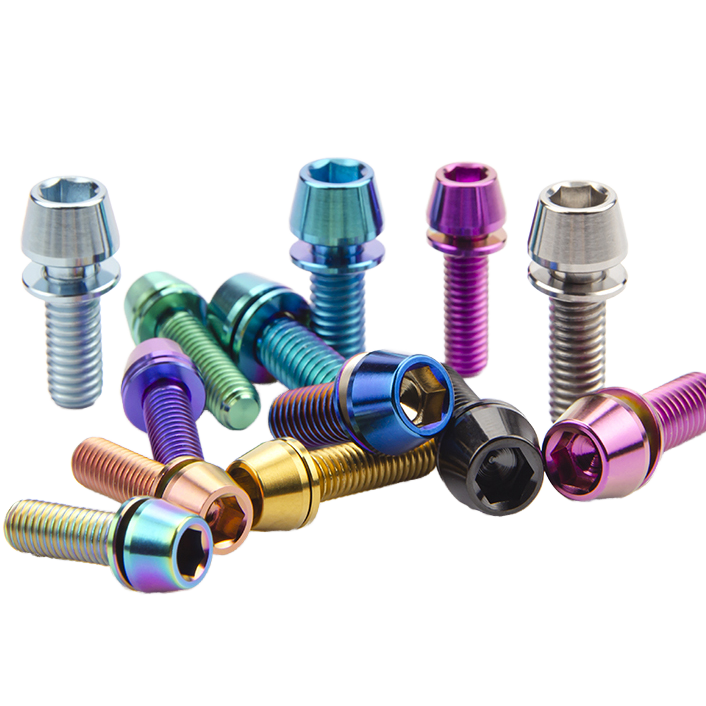
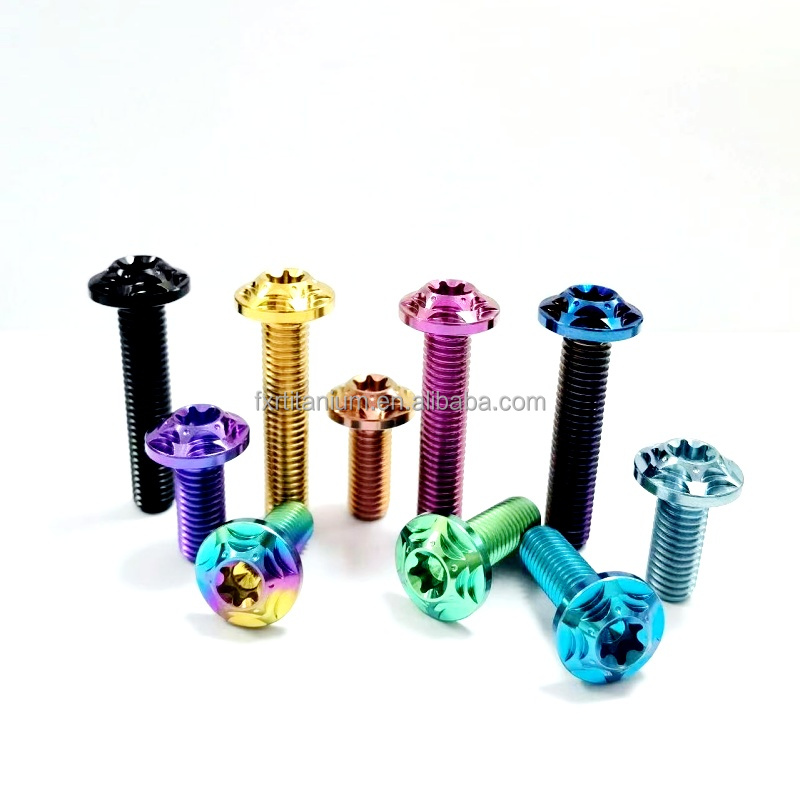
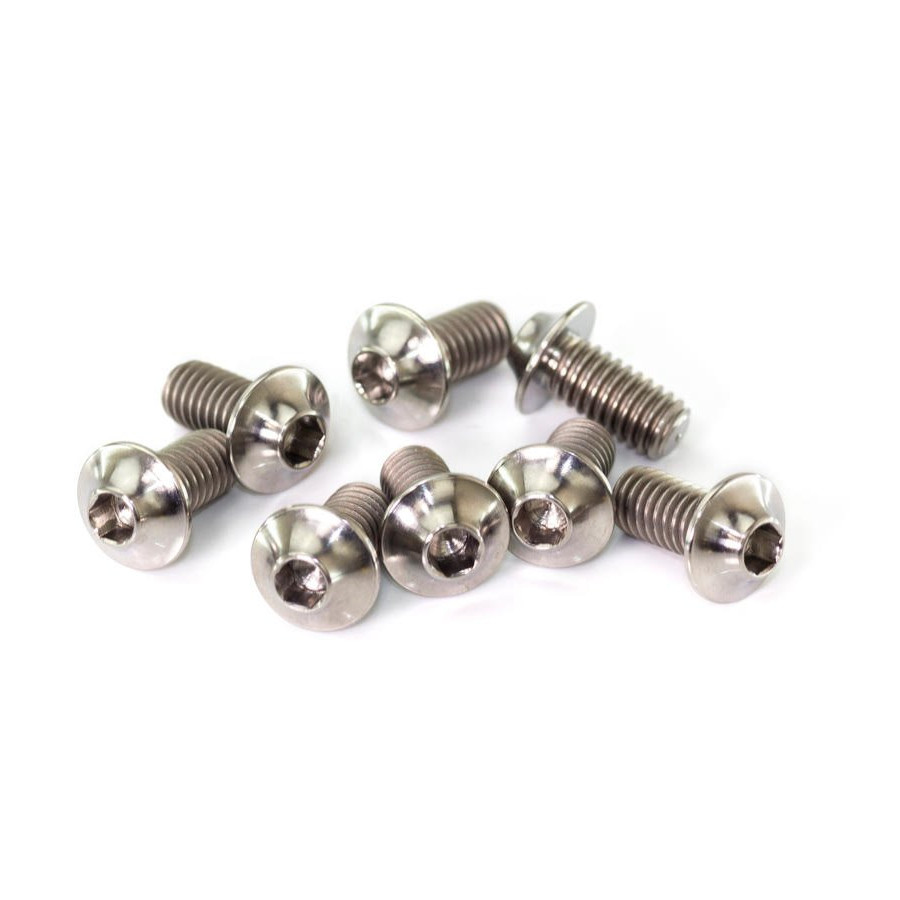
Engineering Excellence: Titanium Brake Caliper Pad Pins for Japan's Racing Ecosystem
In modern supersport motorcycle racing and premium tuning across Japan—from the intense endurance tests of the Suzuka 8 Hours (鈴鹿8耐) to the tight hairpin dynamics of Tsukuba Circuit (筑波サーキット)—braking systems endure catastrophic thermal and mechanical stress. The disc brake pad pin (ブレーキパッドピン) is among the most safety-critical yet frequently compromised unsprung components. While original equipment manufacturers (OEMs) typically install zinc-plated carbon steel or standard 304 stainless steel sliding pins to control mass-production budgets, high-stress track days and spirited mountain passes (峠 - Touge) quickly expose their thermodynamic limitations.
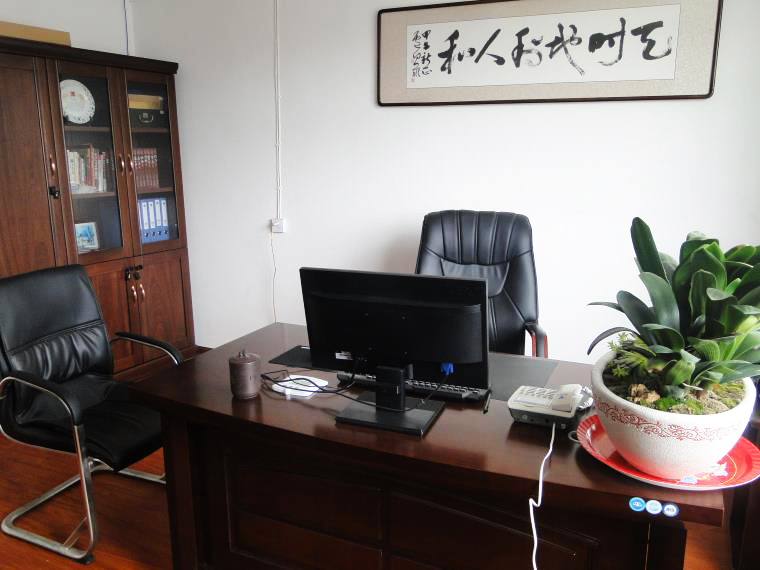
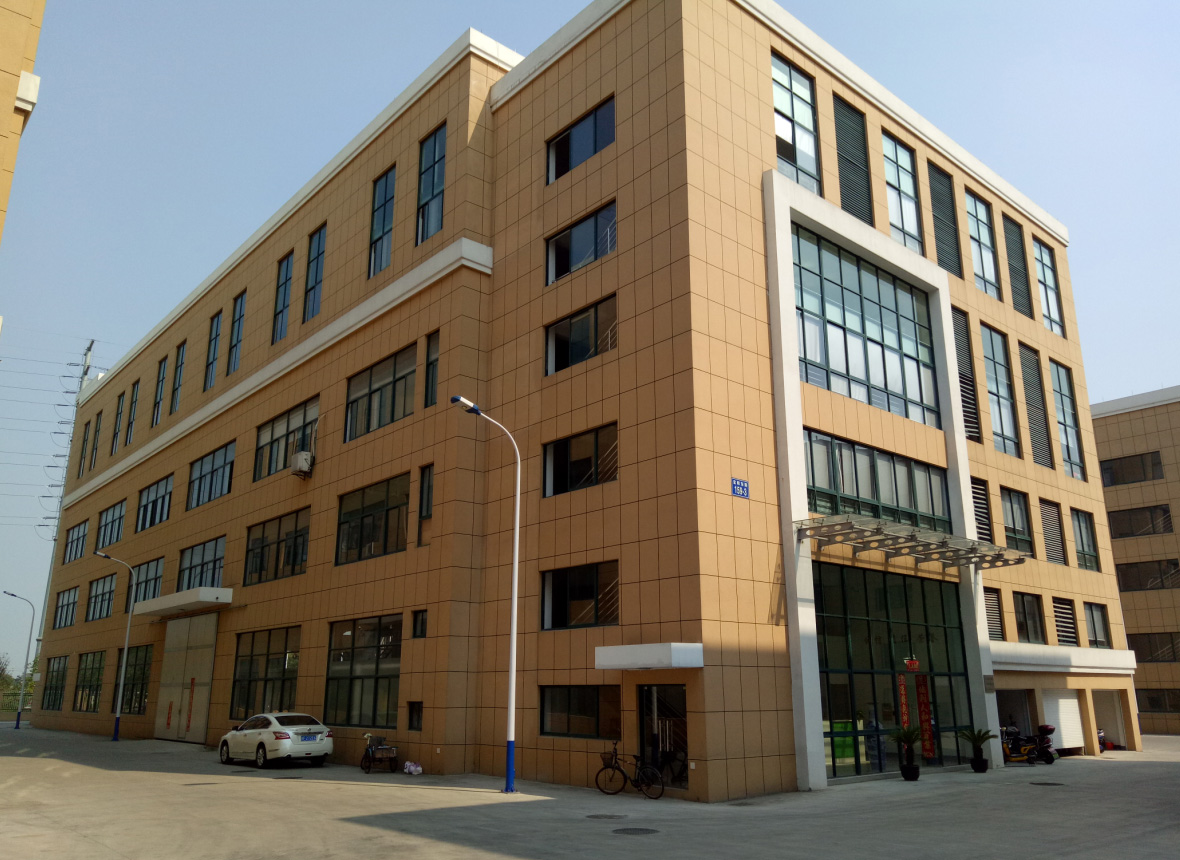
Verqo Titanium Products Co., Ltd., situated directly in China's metallurgical hub—Baoji, Shaanxi (known globally as China's "Titanium Valley")—engineers aerospace-grade GR5 (Ti-6Al-4V) titanium brake pins and caliper retention hardware specifically adapted to Japanese racing standards (JIS B 1051 compliance and strict Class 10.9/12.9 mechanical equivalency). By switching from conventional steel to precision-turned Grade 5 titanium, Japanese race fabricators, brake aftermarket brands, and workshop owners achieve an immediate 43% reduction in unsprung mass while drastically improving thermal decoupling between brake pad backing plates and caliper fluid passages.
Metallurgical Superiority: Why Ti-6Al-4V Dominates Stainless Steel in Caliper Applications
Standard steel pins suffer from rapid galvanic oxidation and brake-dust adhesion when exposed to coastal moisture, chemical road salts, and excessive heat cycles (often exceeding 600°C at the friction pad interface). When pad pins rust or develop stepped grooves from continuous pad rattle, the brake pads fail to retract cleanly. This results in severe brake drag (ブレーキの引きずり), sponge-like lever travel, premature disc rotor warpage, and elevated hydraulic fluid temperatures that cause brake fade.
Verqo's GR5 titanium pins feature a natural, self-regenerating titanium dioxide (TiO₂) passivation layer that renders them entirely impervious to corrosive road salts, chemical wheel cleaners, and humid maritime air. Furthermore, titanium exhibits a significantly lower coefficient of thermal conductivity (≈ 6.7 W/m·K) compared to carbon steel (≈ 50 W/m·K) and aluminum (≈ 205 W/m·K). This mechanical barrier acts as a thermal dam, retarding destructive heat transfer from glowing brake pads directly into the caliper pistons and DOT 4/5.1 brake fluids.
| Mechanical & Physical Property | Verqo GR5 (Ti-6Al-4V) Titanium | SUS304 Stainless Steel | Standard Alloy Steel 10.9 |
|---|---|---|---|
| Density (ρ g/cm³) | 4.43 (43% Lighter) | 7.93 | 7.85 |
| Tensile Strength (σb MPa) | ≥ 895 - 950 | 520 - 700 | 1,040 |
| Yield Strength (σ0.2 MPa) | ≥ 828 | 205 | 940 |
| Thermal Conductivity (W/m·K) | 6.7 (Thermal Barrier) | 16.2 | 49.8 |
| Corrosion Resistance (JIS Z 2371 Salt Spray) | Immune (No Rust > 1000h) | Moderate Pitting Risk | Requires Galvanizing/Plating |
| Shear Fatigue & Vibration Damping | Superior Natural Damping | Prone to Work Hardening | Susceptible to Hydrogen Embrittlement |
Localized Application Scenarios Across the Japanese Motorcycle & Automotive Market
Japanese engineering prioritizes tactile feedback, dimensional precision (公差精度), and mechanical longevity. Verqo manufactures brake pins, caliper carrier bolts, disc rotor studs, and shock mounts engineered to seamlessly interface with both domestic Japanese OEM architectures and high-end European systems favored by Japanese riders:
Nissin & Tokico Calipers
Direct drop-in replacements for standard sliding pins on Honda CBR1000RR-R, Kawasaki Ninja ZX-10R, Suzuki GSX-R1000, and Yamaha YZF-R1. Machined with micrometer chamfers to guarantee butter-smooth pad sliding and immediate brake lever bite.
Brembo Aftermarket & Race Setups
Custom Ti-6Al-4V pins engineered for Brembo GP4-RX, Stylema, and M50 monobloc calipers prevalent in Japanese track-day communities. Features precision cross-drilled safety wire holes (ワイヤリング穴) compatible with MFJ (Motorcycle Federation of Japan) road racing safety regulations.
Custom Japanese Restorations
Bespoke dimensional replication for iconic Japanese vintage platforms including Kawasaki Z1, Honda CB750 Four, Yamaha RZ350, and Suzuki Katana, where OEM hardware is obsolete or heavily corroded.
Emerging Procurement Trends in Japan: Micro-Mobility, Track Tuning & Aesthetic PVD Finishes
Japan's high-performance hardware market is experiencing rapid structural evolution driven by three distinct consumer and industrial shifts:
1. Explosive Growth in Lightweight E-Moto Platforms: The surge of electric performance dirt bikes—such as the Surron Ultra Bee, Light Bee, and Talaria Sting across Japan's off-road parks—has generated massive demand for M6 to M10 Grade 5 chassis bolts and brake caliper hardware. Because electric dirt bikes prioritize weight reduction to extend battery watt-hour efficiency, every gram saved at unsprung suspension points enhances trail agility and dampens shock rebound forces.
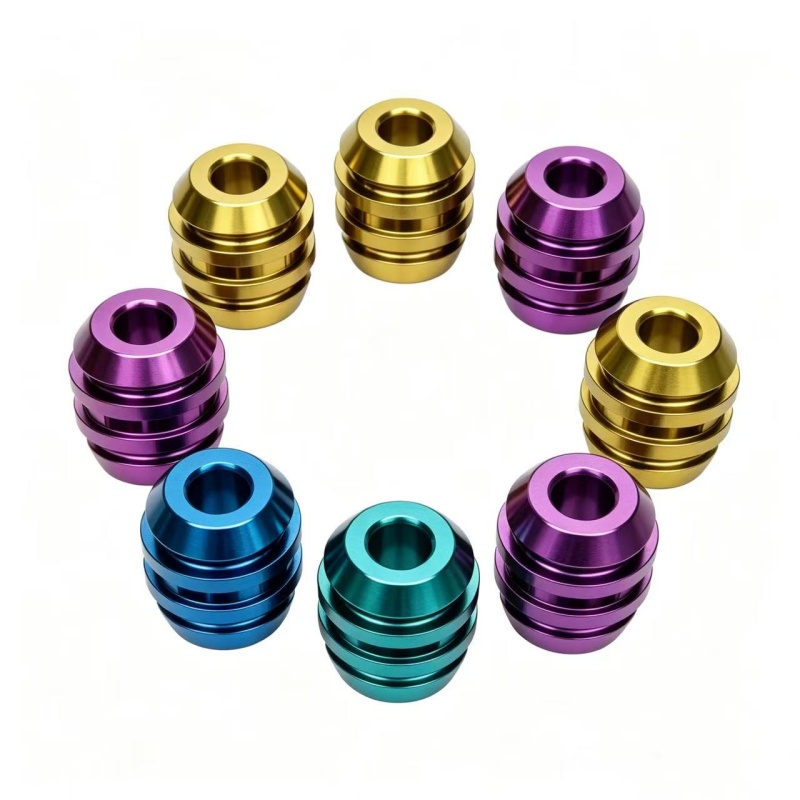
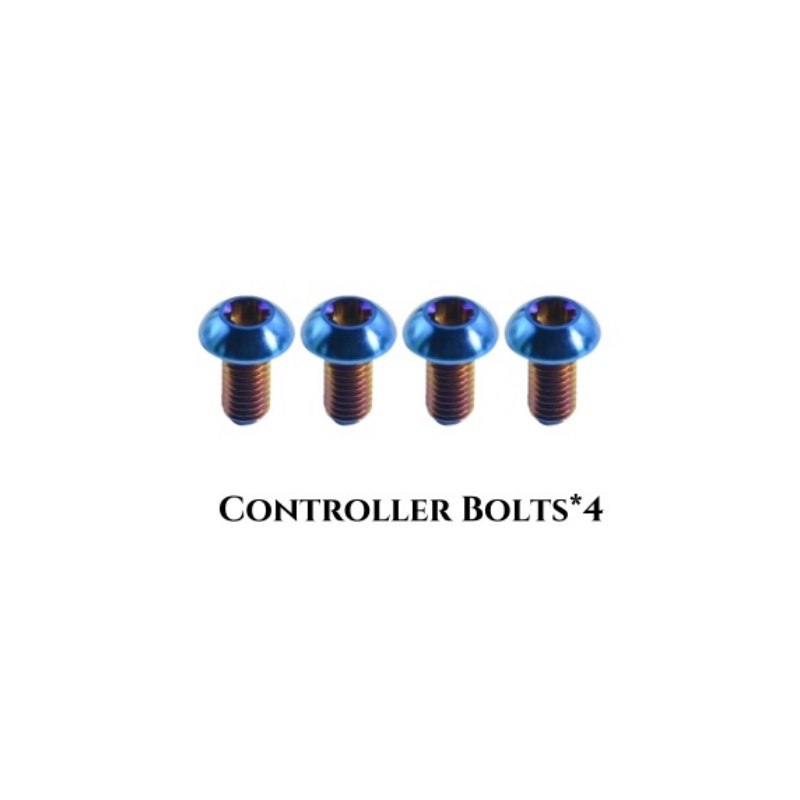
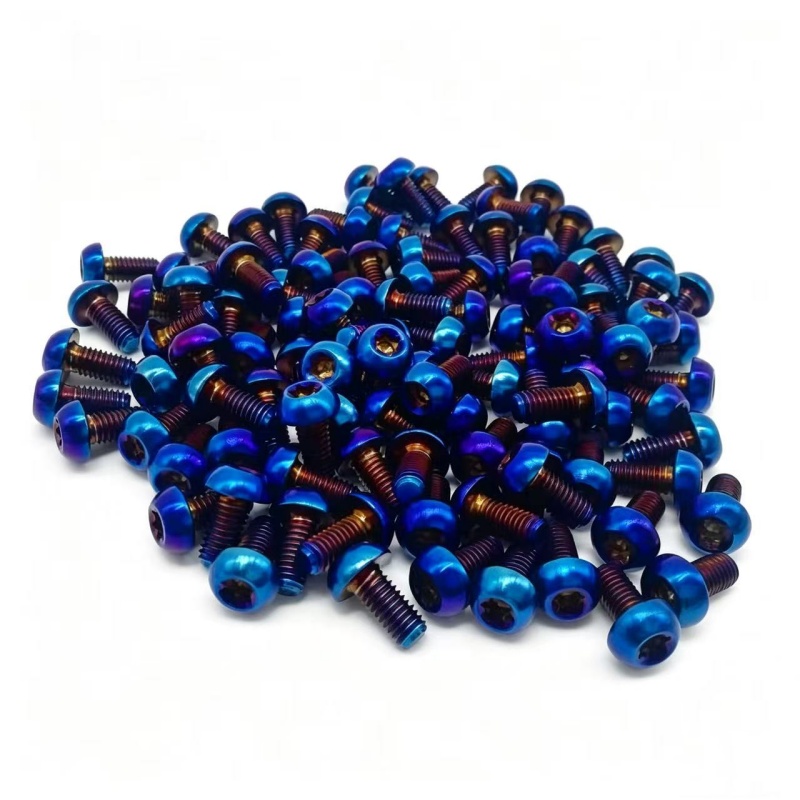
2. Strict Demand for Physical Vapor Deposition (PVD) Coating: Japanese tuners demand flawless aesthetic integration combined with surface micro-hardness. Verqo provides advanced vacuum-ion PVD coatings in high-gloss PVD Black (Diamond-Like Carbon / TiAlN equivalent hardness ≥ 2500 HV), Burnt Blue (焼き色風チタン), and Radiant Oil-Slick Rainbow. Unlike cheap organic lacquers, PVD coatings do not chip when impacted by flying track gravel or high-temperature pad backings.
3. JIT (Just-In-Time) Sourcing & Low-MOQ OEM Customization: Japanese motorcycle parts distributors and custom tuning brands traditionally struggled with massive minimum order quantities demanded by Western defense suppliers. Verqo eliminates these trade bottlenecks by offering flexible MOQs starting at just 10 to 50 pieces for boutique builders, scaling seamlessly to 50,000-unit monthly deliveries for Tier-1 distributors, accompanied by comprehensive dimensional inspection reports.
Why Japanese Buyers Partner with Verqo Titanium Products Co., Ltd.
Located at the epicenter of China’s national titanium industry in Baoji, Shaanxi, Verqo combines raw metallurgical cost-competitiveness with high-precision CNC multi-axis turning. We understand the unyielding quality standards (品質第一) expected by Japanese corporate purchasers and racing engineers.
Certified Aerospace Billet
100% virgin Ti-6Al-4V Grade 5 titanium sponge sourced from verified mills. Full spectroscopic material test certificates (MTC) supplied with every production run.
Swiss-Type CNC Turning
Equipped with ultra-precise multi-axis CNC lathe complexes ensuring pad pin thread tolerances within JIS 6g / ISO 4h, with mirror-smooth pin shank finish (≤ Ra 0.4 μm).
Rapid Japanese Support
Our dedicated export engineering desk operates across Asia-Pacific time zones, ensuring comprehensive quotes, 3D CAD drawing verification, and technical support in under 2 hours.
OEM & Laser Branding
Complete custom branding options including sub-surface laser part numbering, custom batch tracking QR codes, precision blister retail packaging, and customized head flutes.

Frequently Asked Questions by Japanese Sourcing Managers
Direct answers regarding material authenticity, JIS threading standards, anti-galling installation, and customs logistics.
Request Your Custom Titanium Prototype or Bulk Quote Today
Partner directly with Baoji’s premier titanium manufacturer. Send us your CAD drawings, OEM dimensions, or project specifications, and our senior engineering team will respond with competitive factory pricing and material certifications within 2 hours.
Get a Quote