Engineering Whitepaper: Precision Chain Tensioning Dynamics in Severe Operating Environments
In mechanical drive systems—ranging from high-torque racing motorcycles to high-duty conveyor and agricultural equipment used throughout the Gomel Region—the chain adjuster assembly represents a critical mechanical fail-point. Secondary drive alignment directly governs power transmission efficiency, sprocket tooth wear, and bearing service life within the hub carrier. Conventional carbon steel and low-alloy adjustment hardware consistently suffer from thread galling, electrochemical oxidation, and plastic deformation under cyclic impact loads.
Metallurgical Superiority: Grade 5 Ti-6Al-4V vs. Standard Fasteners
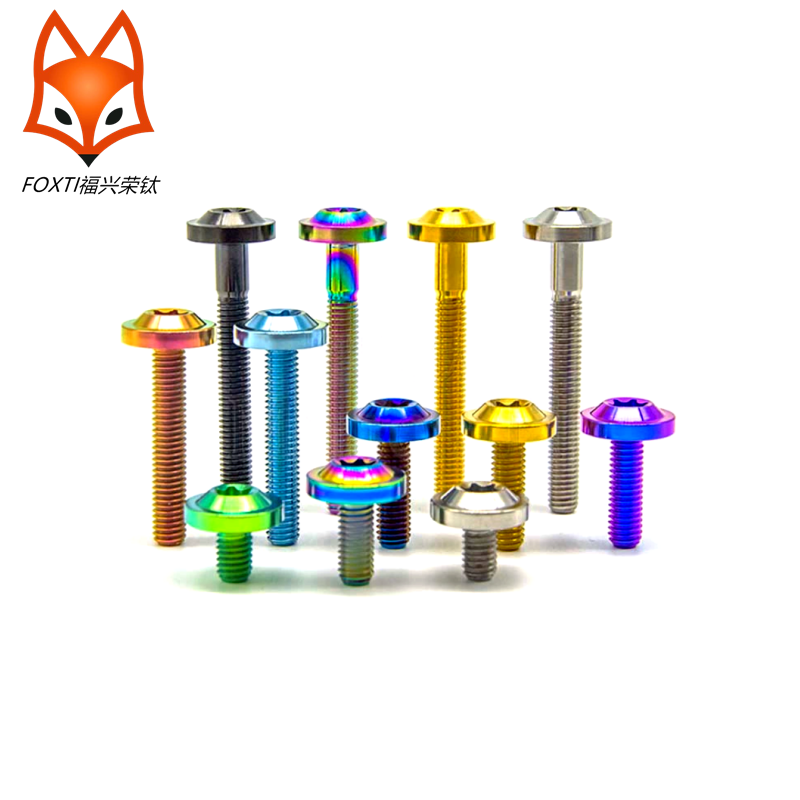
Verqo engineers exclusively deploy certified Grade 5 (Ti-6Al-4V, Werkstoff 3.7165) titanium alloy across our chain adjuster mechanisms, metric threaded rods, alignment blocks, and lock nuts. Featuring an alpha-beta crystal matrix, GR5 delivers a yield strength exceeding 828 MPa, closely rivaling Class 10.9 quenched-and-tempered alloy steels while cutting component density down to 4.43 g/cm³. This provides an exceptional specific strength-to-weight ratio critical for minimizing unsprung mass on the rear swingarm assembly.
| Mechanical / Physical Property | Ti-6Al-4V (Grade 5 Verqo Spec) | Commercially Pure Ti (Grade 2) | Class 10.9 Structural Steel | AISI 304 Stainless Steel |
|---|---|---|---|---|
| Ultimate Tensile Strength (Rm) | 895 – 1000 MPa | ≈ 345 MPa | 1040 MPa | 500 – 700 MPa |
| Yield Strength (Rp 0.2) | ≥ 828 MPa | ≥ 275 MPa | ≥ 940 MPa | ≥ 210 MPa |
| Density (g/cm³) | 4.43 (Ultralight) | 4.51 | 7.85 | 7.93 |
| Modulus of Elasticity (GPa) | 110 – 114 | 103 | 205 – 210 | 193 |
| Chloride Stress Corrosion Resistance | Immune (Spontaneous TiO₂ Layer) | Immune | Extremely Poor (Pitting) | Susceptible to Crevice Pitting |
| Vibration Fatigue Endurance Limit | High (510 MPa @ 10⁷ cycles) | Moderate | Medium (Degrades with Rust) | Low-Medium |
Micro-Tolerancing and Rolled Thread Geometries
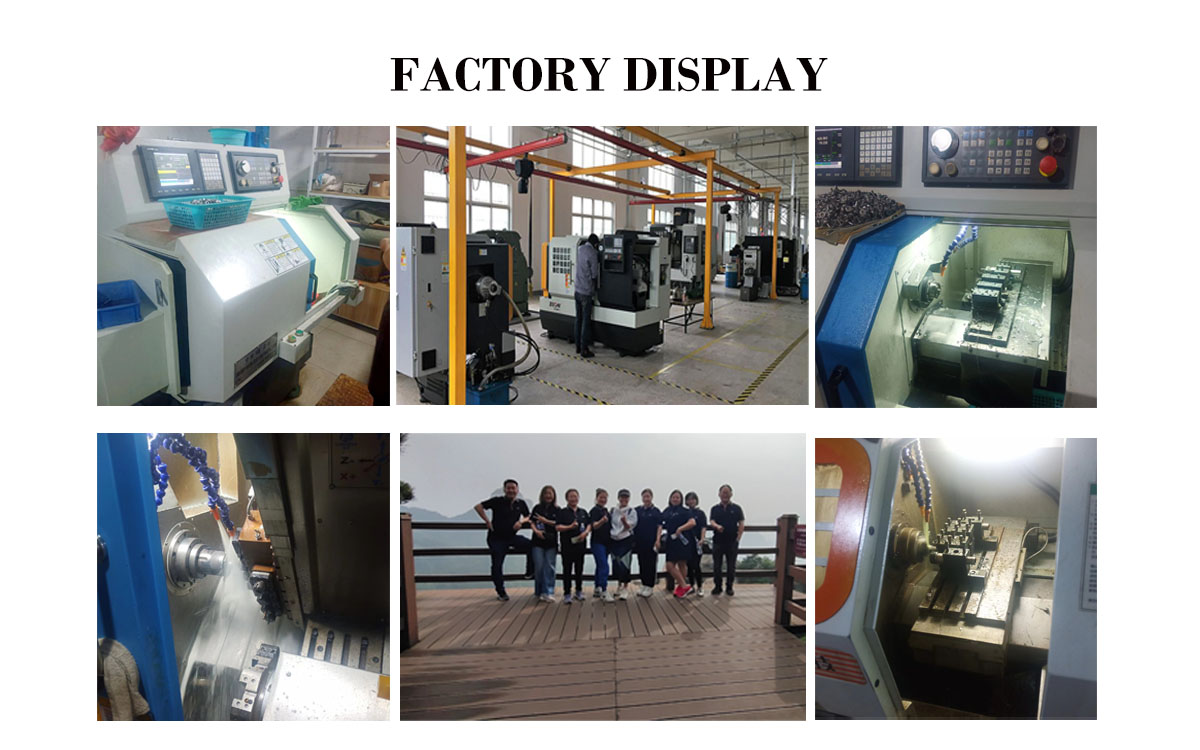
A chain adjuster bolt must deliver micro-metric precision under aggressive axial tension. Verqo utilizes CNC multi-axis turning and precision thread-rolling rather than traditional lathe thread cutting. Thread rolling continuously compresses the titanium grain flow across the root diameter instead of interrupting the fiber structure, resulting in a 30% uplift in fatigue resistance and substantially lowered micro-fretting risks. Thread tolerance is held within ISO 965 6g standards, ensuring smooth alignment adjustments with zero lateral slop.
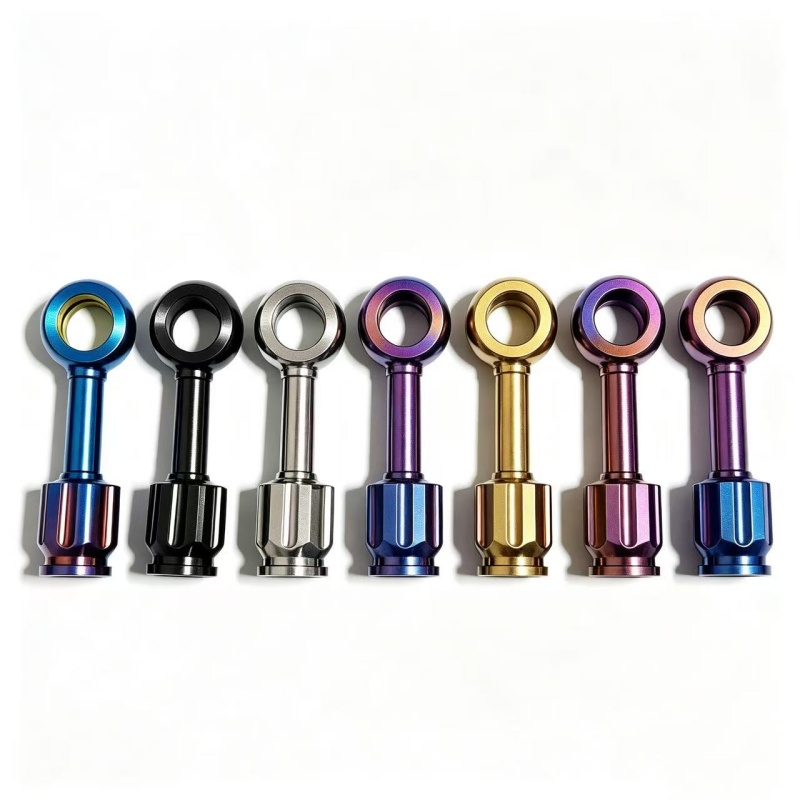
To eliminate galling—a recognized tribological characteristic of non-lubricated titanium contact—our Gomel-destined chain adjusters feature custom surface treatments including Physical Vapor Deposition (PVD) TiN/DLC coatings or high-voltage micro-arc anodic oxidation. These surface finishes create a hard ceramic outer barrier exceeding 2200 Vickers, mitigating thread seizure under heavy torque loads.