CNC Socket Bolt
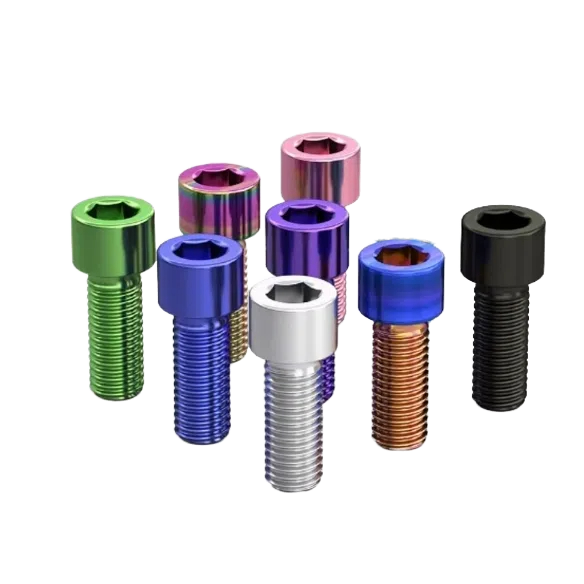
Gr5 Anodized Colored M3-M8 Titanium Alloy CNC Cap Socket Bolts for Motorcycle Bicycle RC Car Automobile
Ti-6Al-4V
M3–M8
Anodized
Engineered in Baoji's world-renowned Titanium Valley and strictly certified for mission-critical marine riggings, motorsports, and bespoke offshore engineering across the Caribbean basin.
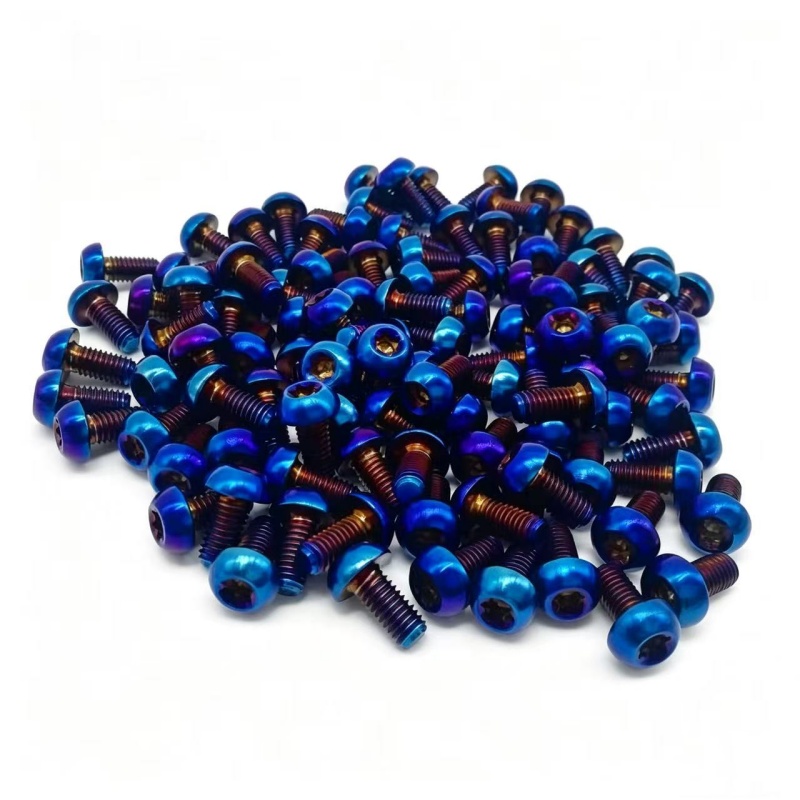
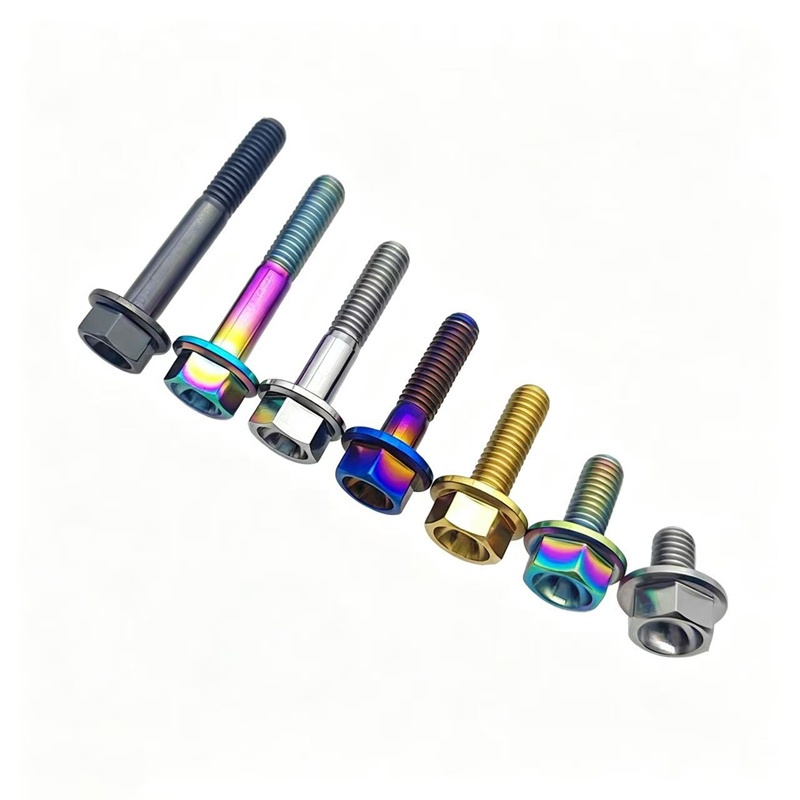
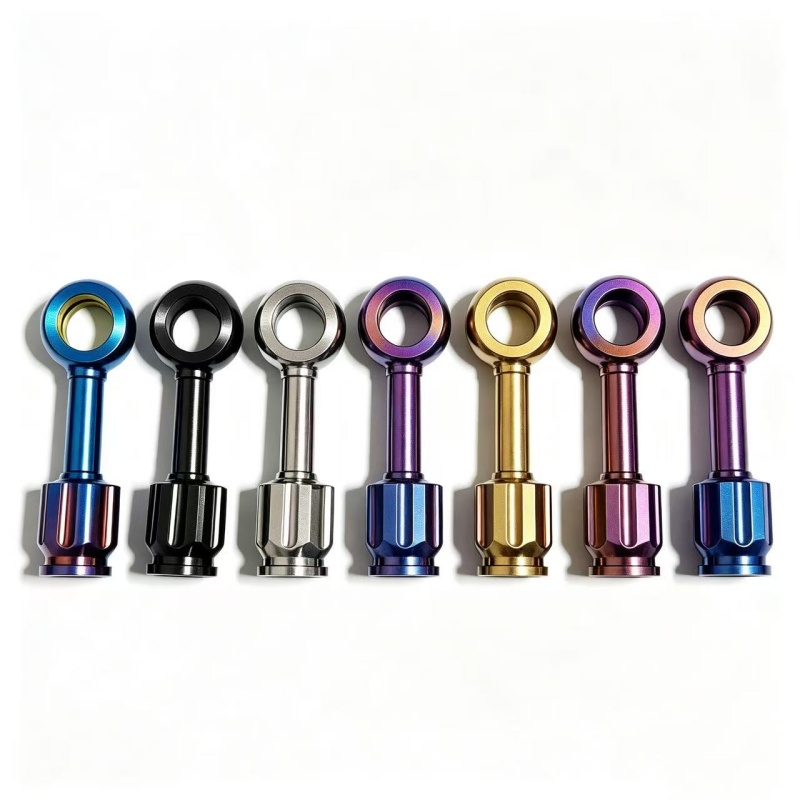
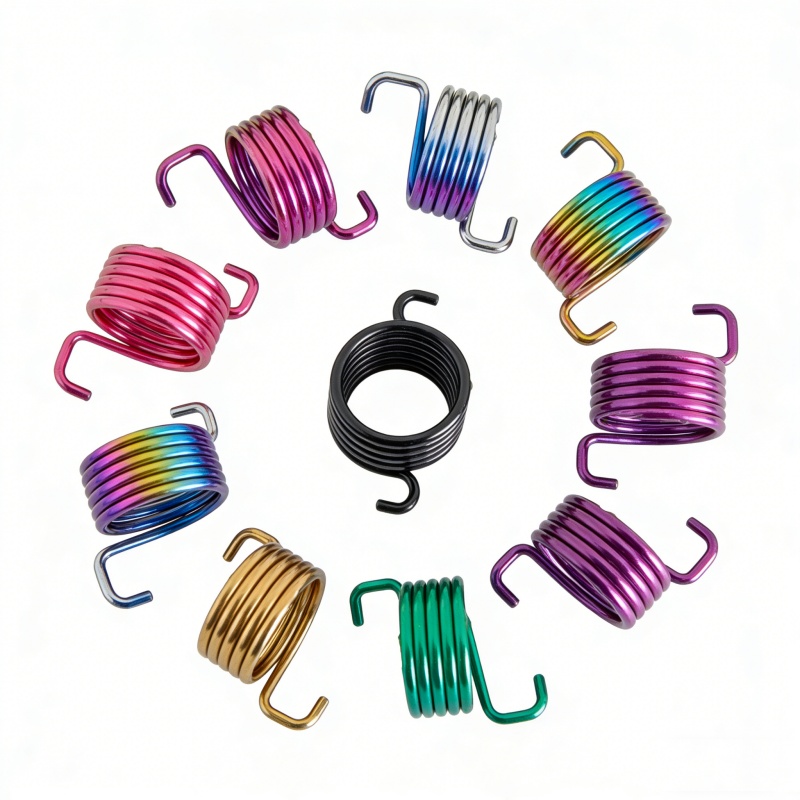
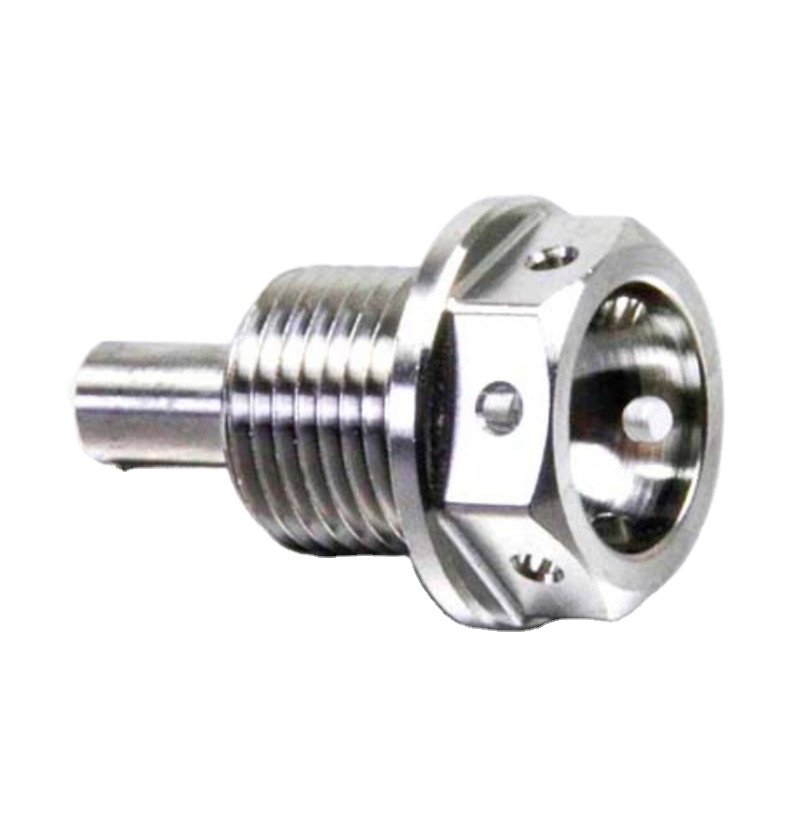
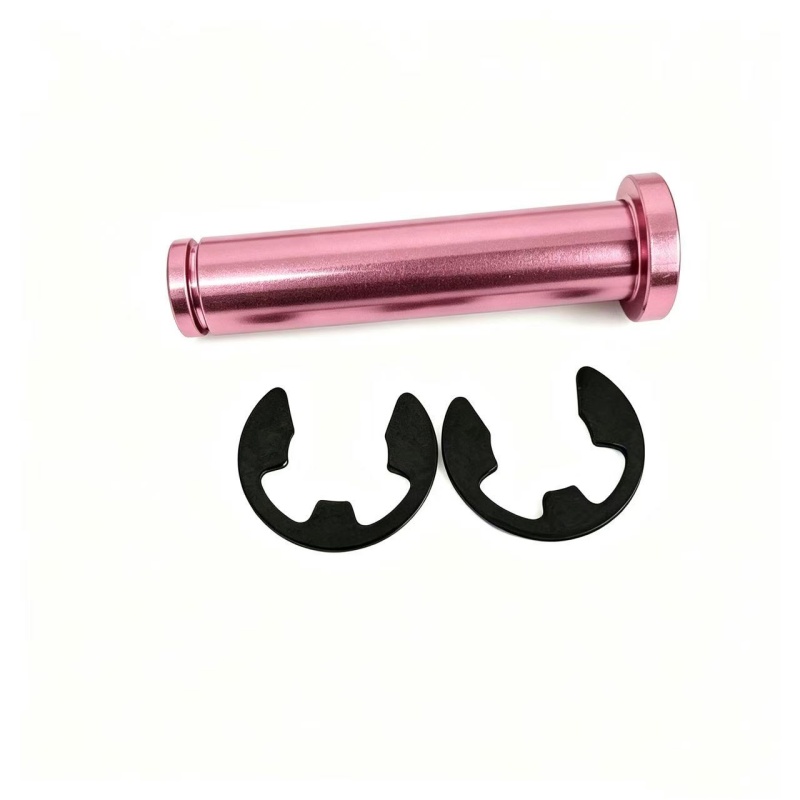
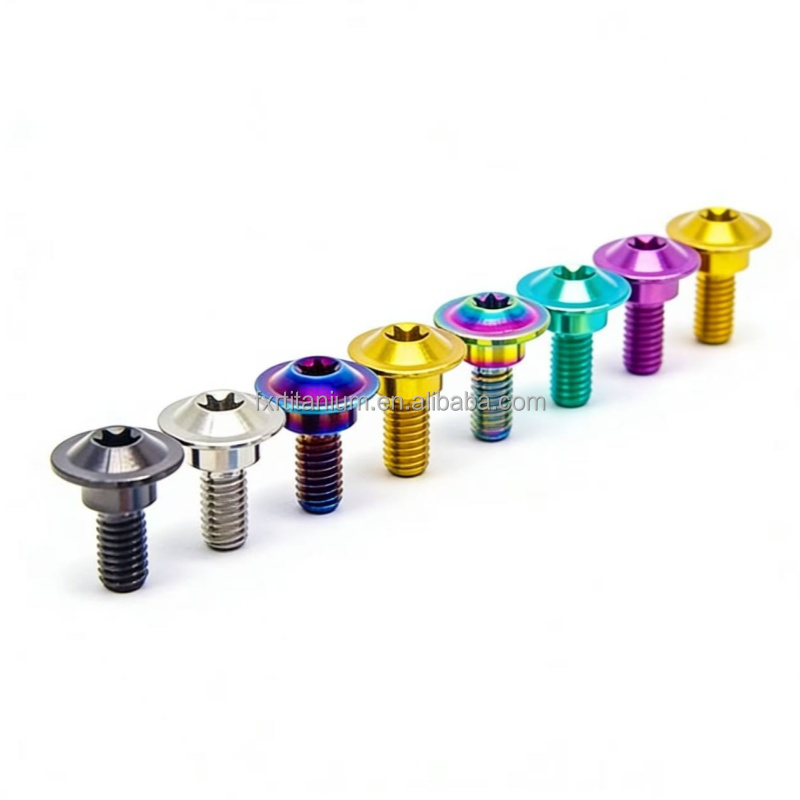
In high-chloride, tropical marine microclimates like Bequia, traditional stainless steel fasteners suffer from catastrophic failure mechanisms. Here is the metallurgical rationale behind adopting Ti-6Al-4V countersunk screw technology.
Countersunk fasteners (DIN 7991, ISO 10642, and ASME B18.6.3) are specifically engineered to sit flush with the substrate surface, eliminating drag, preventing snags on high-performance sailing vessels, and preserving streamlined aesthetics in architectural finishes. However, in tropical saltwater hubs such as Bequia and throughout St. Vincent and the Grenadines, countersunk recesses frequently trap moisture, brine, and airborne salts. When conventional Austenitic Stainless Steels (such as AISI 304 or even 316 marine-grade) are subjected to this low-oxygen, high-chloride environment underneath the head, they succumb to rapid Crevice Corrosion and Chloride Stress Corrosion Cracking (CSCC).
Verqo’s engineered Grade 5 (Ti-6Al-4V) countersunk screws offer an unyielding solution. Upon exposure to oxygen, titanium instantly synthesizes an adherent, chemically stable, and self-healing titanium dioxide ($TiO_2$) passivation film. This nanometer-scale protective boundary operates impervious to room-temperature sea water, marine sprays, chlorine solutions, and galvanic degradation against carbon fiber composite substrates.
| Mechanical & Physical Property | Verqo GR5 Titanium (Ti-6Al-4V) | Marine Grade SS316L | High-Tensile Steel (Class 10.9) |
|---|---|---|---|
| Density ($\text{g/cm}^3$) | 4.43 (43% Weight Reduction) | 8.00 | 7.85 |
| Ultimate Tensile Strength ($\text{MPa}$) | 895 – 1050 | 485 – 620 | 1040 |
| Yield Strength (0.2% Offset, $\text{MPa}$) | ≥ 828 | ≥ 220 | ≥ 940 |
| Pitting Resistance Equivalent (PREN) | Immune ($TiO_2$ Passivated) | 23 – 25 (Pitting Risk in Tropics) | 0 (Severely Oxidizes) |
| Galvanic Compatibility with Carbon Fiber | Exceptional (Low Potential Gap) | Moderate (Risk of Blistering) | Catastrophic Galvanic Cell |
| Thread Profile Accuracy | ISO 965 6g Rolled Thread | Standard Cut Thread | Rolled / Heat Treated |
Traditional stainless countersunk heads starve of oxygen in flush recesses, breaking down passivity. Titanium titanium-dioxide films reform instantaneously in moist saltwater, preventing hidden mechanical failure.
Unlike machined threads that cut across metallurgical grain flows, Verqo countersunk fasteners feature continuous-grain cold-rolled threads that elevate fatigue limits and cycle endurance under oceanic wave pounding.
Manufactured to aerospace and marine DIN 7991 specifications, ensuring absolute uniform seating, eliminating localized stress concentrations, and guaranteeing perfectly flush installation on composite decks and metallic plates.
Bequia, the second-largest island in the Grenadines, stands as the premier yachting crossroad of the Lesser Antilles. From Admiralty Bay's superyacht anchorages to traditional wooden shipwright heritage, titanium fasteners address unique local operational demands.
Mega-yachts and world-cruising catamarans calling at Bequia Marina require completely flush-mounted traveler tracks, chainplates, stanchions, and deck fittings. Our Grade 5 countersunk socket screws sit flush against teak and carbon composite laminates, resisting severe offshore spray without streaking unsightly iron-rust deposits across immaculate decks.
Bequia possesses a world-famous boatbuilding pedigree dating back centuries. Modern refit facilities and independent shipwrights working on classic schooners and high-performance multihulls utilize countersunk titanium fasteners in rudder assemblies, underwater running gear, and keel foil fairings where galvanic corrosion with bronze and carbon must be strictly averted.
Exclusive villa developments overlooking Princess Margaret Beach and Lower Bay utilize our PVD-coated and raw-polished countersunk hardware in frameless structural glass balustrades, outdoor kinetic solar canopies, and oceanfront architectural millwork where high-humidity trade winds corrode commercial stainless screws within months.
Analyzing key structural shifts in how yacht refit managers, naval engineers, and Caribbean procurement directors source high-grade non-ferrous hardware.
Caribbean maintenance budgets are moving from "replace-every-two-years" stainless steel to permanent, lifetime titanium installations. While the upfront unit acquisition cost is marginally higher, total lifecycle expenses fall drastically by terminating emergency mid-season drydock fastener extractions.
The Grenadines have evolved into the epicenter of racing multihull chartering. Naval architects optimizing racing trimaran hulls and foils rely on countersunk titanium screws to eliminate vital kilograms above the waterline, augmenting stability and righting moments in competitive trans-Atlantic regattas.
Chandlery markups in remote West Indies islands often reach 300% due to multiple intermediary handoffs. Fleet managers in Port Elizabeth now partner directly with certified tier-1 manufacturers like Verqo to access mill-certified inventories, custom thread pitches, and direct air freight delivery.
Combining integrated raw material sponge selection, high-precision multi-axis CNC turning, and dedicated international trade logistics.
Established since 2015, Verqo brings a decade of dedicated metallurgical mastery, supplying custom components ranging from micro M2 RC parts to heavy M26 industrial and marine plugs.
We maintain an agile 98.62% response rate with rapid quoting. With clients operating across Caribbean (AST) time zones, our technical sales engineers guarantee seamless communication.
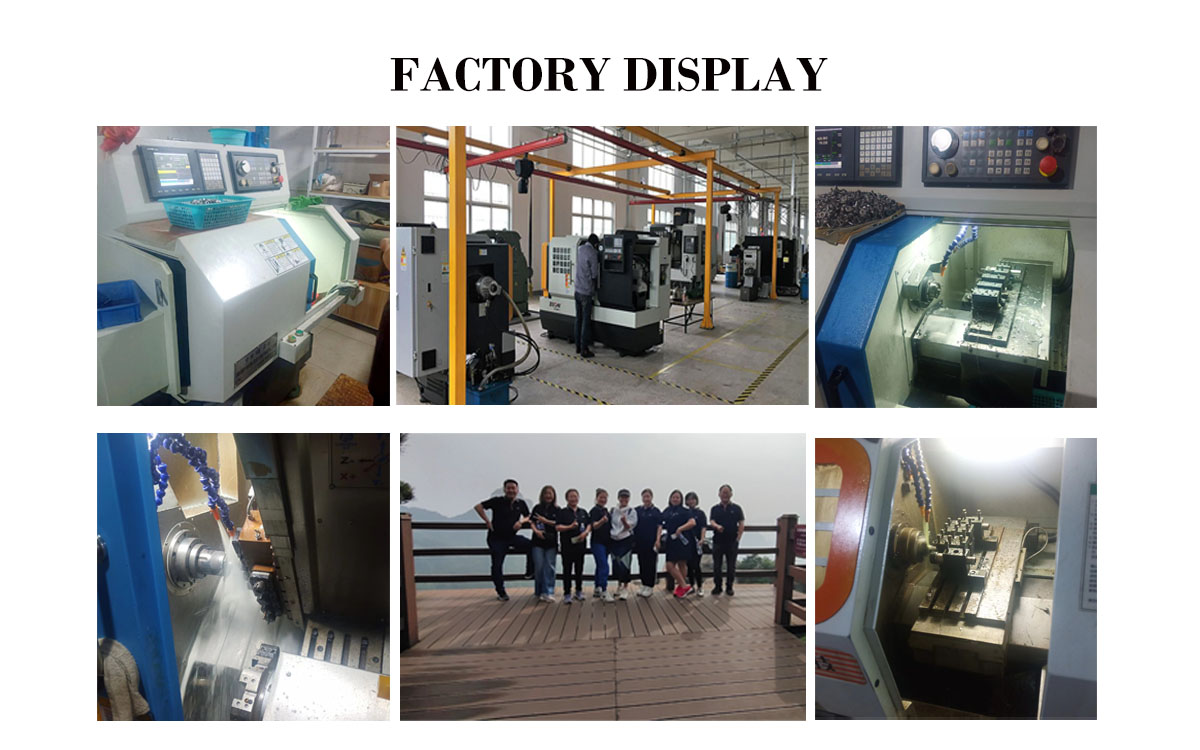
Equipped with state-of-the-art CNC lathes, thread-rolling machines, and optical profile projectors. We execute full dimensional, thread pitch, and surface integrity inspection on every batch.
Stock fasteners ready to ship with low minimums (10–20 pieces), and custom CNC countersunk runs starting at just 50–100 pieces. Secure transactions supported via T/T, L/C, and PayPal.

Addressing real technical, logistics, and installation queries raised by Caribbean shipyards, boatbuilders, and marine procurement officers.
Due to titanium's high coefficient of friction, high-torque installations into female titanium or stainless threads can cause galling. When installing countersunk screws flush on marine tracks or engine mounts, we advise applying high-quality marine anti-seize paste (such as Tef-Gel or nickel-based lubricants) and strictly adhering to calibrated torque charts provided by our engineers.
Yes. We regularly manage export-grade shipments to the Eastern Caribbean via express couriers (DHL, FedEx, UPS air express) with transit times typically between 4 to 7 business days, accompanied by full Commercial Invoices, Packing Lists, Certificate of Conformity, and Material Test Reports (MTRs) to accelerate Kingstown and Bequia customs clearance.
Yes. While metric DIN 7991 specifies a 90° head angle and standard imperial ASME fasteners often demand 82°, specialty aviation or composite yacht applications often require 100° countersink heads. Our CNC engineering team machines your exact specifications directly from your CAD drawings or physical reference samples.
Grade 5 titanium occupies a remarkably compatible galvanic potential relative to carbon fiber composite materials, causing none of the aggressive delamination or oxidation witnessed with carbon steel and aluminum. In contact with manganese bronze, titanium acts cathode-friendly, completely neutralizing the pitting corrosion risks inherent in tropical waters.
We manufacture countersunk heads equipped with standard Hexagon Socket (Allen), Torx (Star drive / 6-Lobe), and high-torque Torx Plus configurations. Torx drives are specifically recommended for flush marine installations as they virtually eliminate cam-out during high-torque power driving, preserving head socket geometry.
For yacht cabins and luxury coastal residences in Bequia, we provide mirror-polished raw finishes, uniform micro-bead blast satin, and Physical Vapor Deposition (PVD) vacuum coatings (including PVD Matte Black, High-Gloss Gold, and Burnt Blue / Rainbow). PVD produces a hard, durable ceramic layer that will not flake or peel under intense UV exposure.