Grade 5 Ti
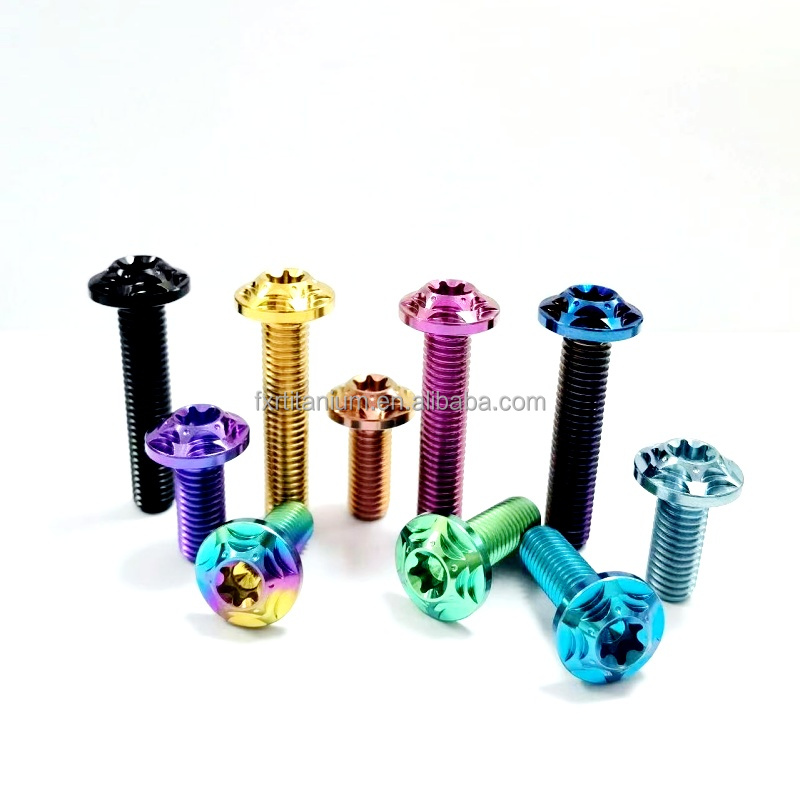
Manufactured from aerospace-grade raw stock in Baoji’s world-renowned Titanium Valley, machined under strict ±0.01mm tolerances, and stocked for rapid dispatch to Puebla’s industrial corridors.
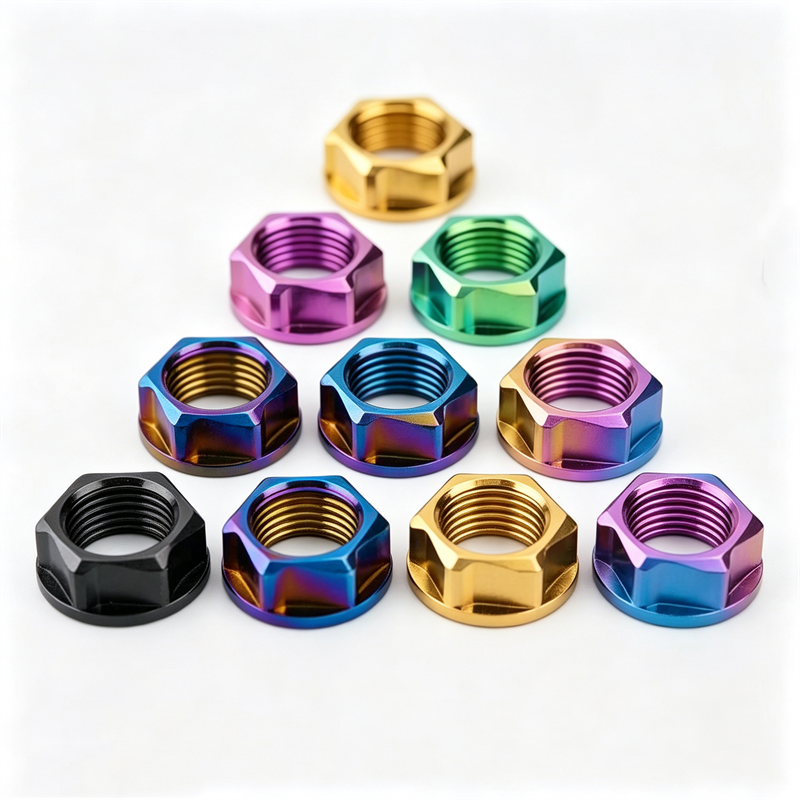
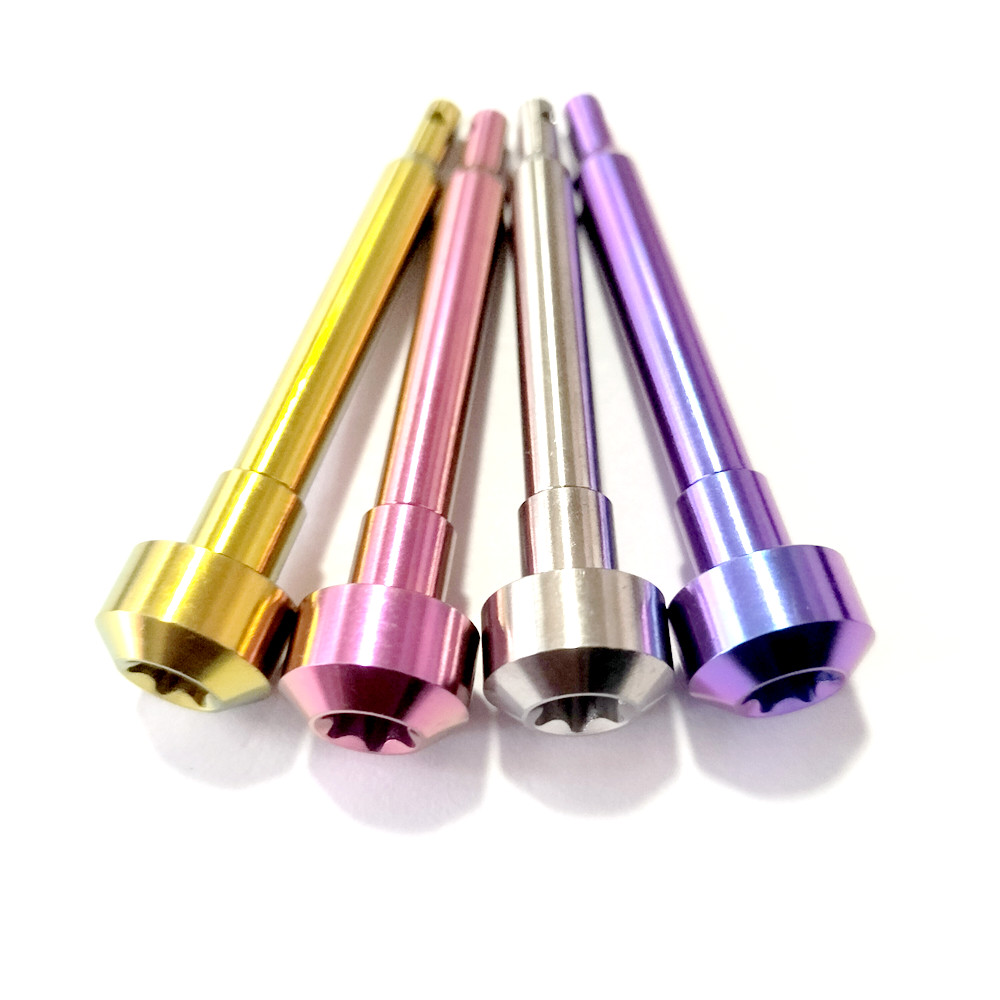
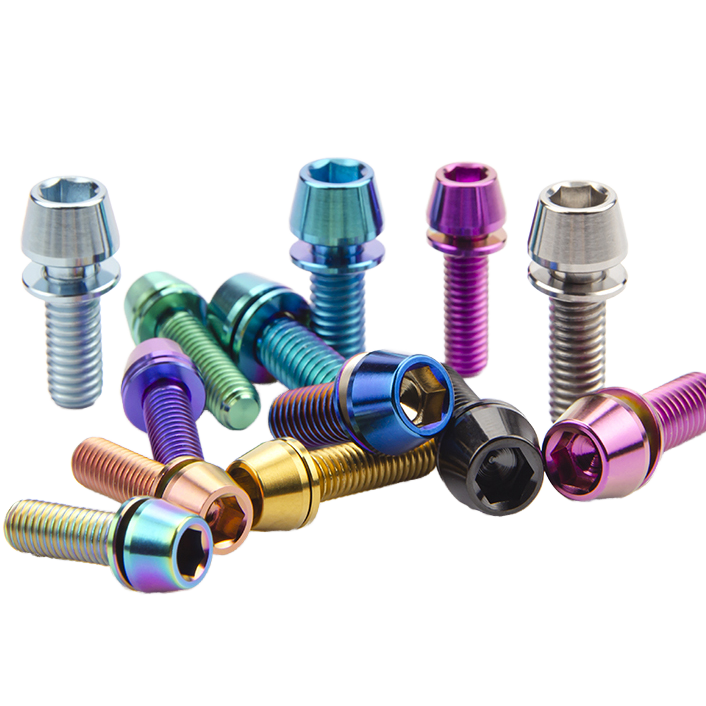
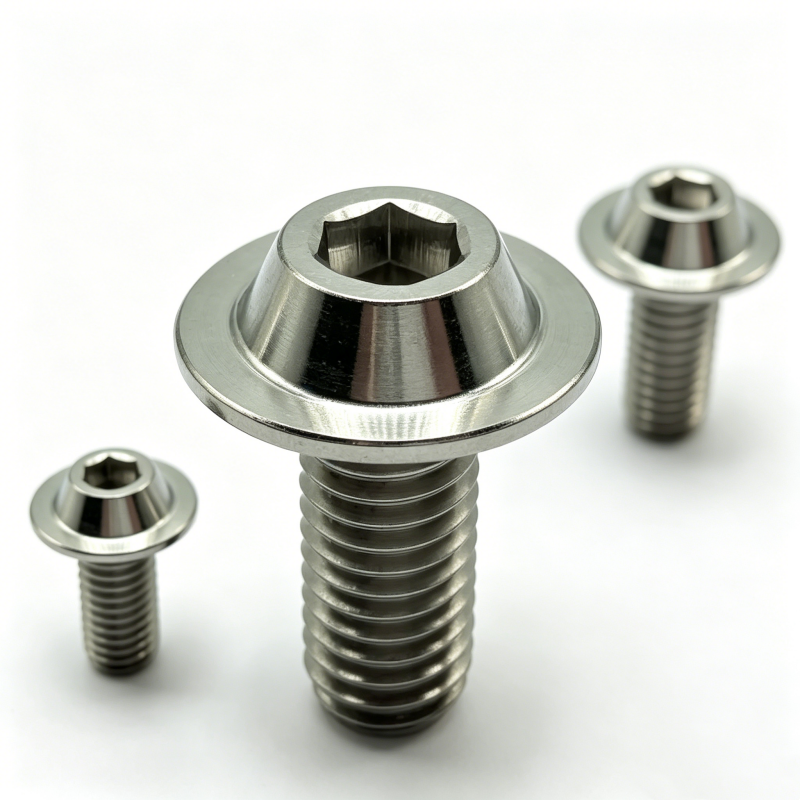
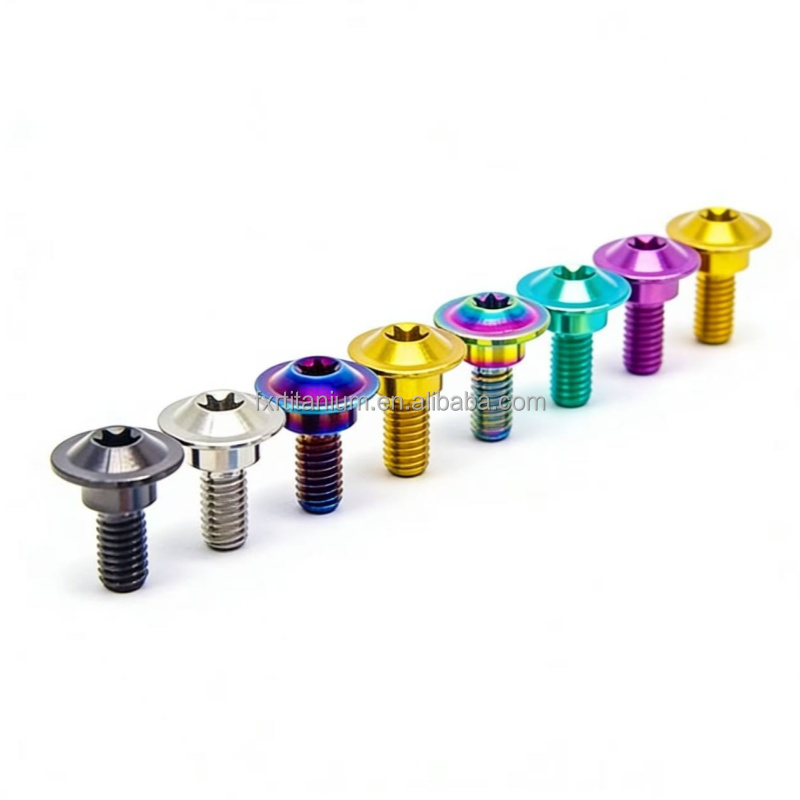
A rigorous metallurgical and supply-chain analysis of why Puebla's Tier-1 automotive manufacturing, agrochemical synthesis, and expanding aerospace sub-assembly plants are standardizing on Grade 5 and Grade 2 titanium piping systems.
The Metropolitan Area of Puebla hosts some of Latin America’s largest automotive original equipment manufacturer (OEM) hubs, including the Volkswagen de México complex in Cuautlancingo and nearby Audi Mexico installations in San José Chiapa. In these automotive finishing ecosystems, electrophoretic deposition (cathodic electrodeposition or e-coat) involves highly corrosive acidic zinc phosphate solutions, deionized immersion baths, and aggressive fluorotitanate chemicals.
Standard 316L stainless steel pipe nipples, elbows, and weld fittings frequently succumb to localized pitting and stress corrosion cracking (SCC) caused by elevated bath temperatures and aggressive chloride ions. Sourcing seamless Grade 2 and specialized Grade 5 titanium pipe fittings forms an instantaneous, regenerative titanium dioxide (TiO₂) passivation layer that completely neutralizes galvanic and acid degradation, extending line maintenance cycles from months to decades.
Outside automotive assembly, the industrial zones along the Atoyac River basin and the Huejotzingo manufacturing corridor support extensive specialty chemical synthesis, fertilizer production, and commercial textile bleaching operations. Facilities operating in these segments continually pump wet chlorine gas, sodium hypochlorite bleaching liquors, nitric acid mixtures, and sulfuric acid waste streams.
Nickel alloys (such as Hastelloy C-276) provide robust corrosion protection but introduce heavy weight, volatile pricing, and challenging fabrication constraints. Verqo’s ASTM B363 titanium fittings, threaded unions, concentric reducers, and high-pressure titanium compression couplings offer total chemical immunity against wet chlorine mediums at half the weight of nickel superalloys, dramatically optimizing pipe hanger weight budgets and eliminating unexpected hazardous line ruptures.
Central Mexico's aerospace supply chain, stretching across Puebla and adjacent Bajío aerospace networks, enforces uncompromising quality thresholds on airframe tubing and lightweight fluid conveyance. Puebla’s emergence as a premier center for high-performance automotive tuning, motor racing teams, and prototype electric mobility projects has likewise accelerated demand for lightweight fluid routing.
Verqo bridges the critical gap between raw aerospace tubing and final assembly points through CNC-machined GR5 (Ti-6Al-4V) banjo fittings, threaded boss adapters, welded titanium exhaust pie-cuts, and AN-flare fittings. When compared to legacy steel hydraulic blocks, our titanium components cut unsprung and chassis-mounted weight by approximately 43% without sacrificing high-pressure hydraulic integrity up to 3,000 PSI.
Review the empirical mechanical, physical, and galvanic properties that dictate piping system longevity within aggressive manufacturing environments.
| Material Designation | Tensile Strength (MPa) | Yield Strength (0.2% MPa) | Density (g/cm³) | Thermal Expansion (10⁻⁶/K) | Pitting Resistance in Chloride Environments |
|---|---|---|---|---|---|
| GR5 Titanium (Ti-6Al-4V) | ≥ 895 | ≥ 828 | 4.43 | 8.6 | Exceptional (Passivated TiO₂ Shield) |
| GR2 Titanium (Commercially Pure) | ≥ 345 | ≥ 275 | 4.51 | 8.6 | Impervious to Wet Cl₂ & Seawater |
| Austenitic 316L Stainless Steel | ≥ 485 | ≥ 170 | 7.98 | 16.5 | Moderate (Subject to Cl⁻ Pitting >60°C) |
| Duplex 2205 (EN 1.4462) | ≥ 655 | ≥ 450 | 7.80 | 13.0 | High (Susceptible to Crevice Attack at High Temp) |
| Hastelloy C-276 (UNS N10276) | ≥ 690 | ≥ 283 | 8.89 | 11.2 | Excellent (High Mass & Extreme Procurement Cost) |
How international trade reconfigurations, sustainable electrification goals, and stringent plant uptime standards are transforming regional piping procurement.
Global original equipment suppliers continue transferring Tier-1 assembly capacity into Puebla, Tlaxcala, and the broader central Mexican manufacturing belt to leverage geographic proximity to the North American market under the United States-Mexico-Canada Agreement (USMCA). In parallel, global parent companies require Mexican processing branches to guarantee 99.8% continuous operating uptime.
Unscheduled line stoppages caused by corroded fluid fittings or worn stainless hardware carry catastrophic production penalties. As a result, procurement engineers at facilities throughout the Parque Industrial FINSA and Parque Industrial Chachapa are systematically specifying titanium pipe fittings and fasteners for all acid-recovery lines, robotic welding jigs, and high-frequency cyclical lines.
Puebla’s automotive sector is transitioning toward dedicated electric vehicle architectures, battery cell assembly arrays, and high-voltage power electronics testing platforms. Thermal management systems for large battery packs use specialized cooling loops containing aggressive fluoropolymer glycols and dielectric fluids.
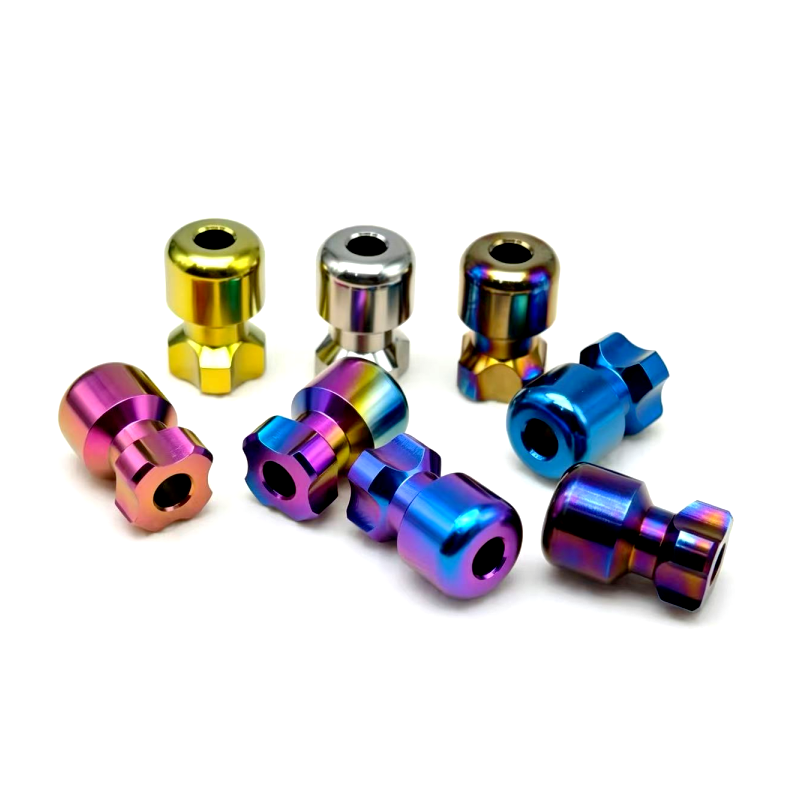
Weight reductions gained in chassis-mounted brackets, cooling manifolds, and high-pressure fluid valves directly extend driving range and vehicle efficiency. By deploying custom CNC-machined titanium pipe adapters, M5–M26 thin-walled fittings, and hollow-core bolt assemblies, automotive engineers achieve maximum structural rigidity with significant weight savings compared to traditional zinc-plated or carbon-steel components.
Environmental standards administered by CONAGUA (Comisión Nacional del Agua) and state-level authorities in Puebla have accelerated zero liquid discharge (ZLD) mandates across textile, chemical, and metal-finishing factories. Reverse osmosis brine concentration systems, thermal evaporation towers, and multi-effect distillation crystallizers concentrate chlorides to near-saturation levels.
In these high-chloride brine environments, stainless steels (including austenitic 304 and 316) suffer stress corrosion cracking in just weeks. Titanium Grade 2 and Grade 7 (palladium-stabilized) pipe fittings represent the premier long-term engineering solution, eliminating maintenance headaches and shielding wastewater reclamation infrastructure from chloride-induced failure.
Combining primary melting, precision 5-axis CNC machining, rigorous chemical testing, and export logistics to deliver cost-effective, race- and aerospace-grade titanium hardware directly to your docks in Puebla.
Founded in 2015, Verqo manufactures within Baoji, Shaanxi Province, where over 60% of China's titanium raw material is melted, forged, and certified. We control quality directly from raw sponge titanium to the final finished fitting.
We maintain an average response window under 2 hours, a verified 98.62% quotation response rate, and prompt international air shipping via DHL/FedEx directly to Puebla’s Hermanos Serdán International Airport (PBC) or Mexico City (MEX).
Whether you require standard ASTM B363 / ASME B16.9 butt-weld fittings, metric threadings from M2 to M26, fine pitch M10x1.25, or custom CNC parts built to your CAD STP/DWG files, our team executes prototypes starting at small MOQs (10–50 pcs).
All production batches receive full chemical spectrometry, ultrasonic non-destructive testing (NDT), go/no-go optical thread gauge checks, and EN 10204 Type 3.1 Material Test Reports guaranteeing mechanical compliance.
Authoritative, real-world answers addressing customs clearance, import tariffs, welding parameters, and galvanic isolation across Mexico's manufacturing sectors.
Whether you require standard ASTM B363 Grade 2 pipe fittings, custom 5-axis CNC titanium couplings, or high-tensile GR5 fasteners for your manufacturing facility, our senior engineering team is ready to review your CAD files and bill of materials.