Precision Titanium Fasteners & Articulated Hardware
Explore standard and bespoke Ti-6Al-4V Grade 5 performance components produced directly in China's Titanium Valley with comprehensive metallurgical certification for Swedish engineering teams.
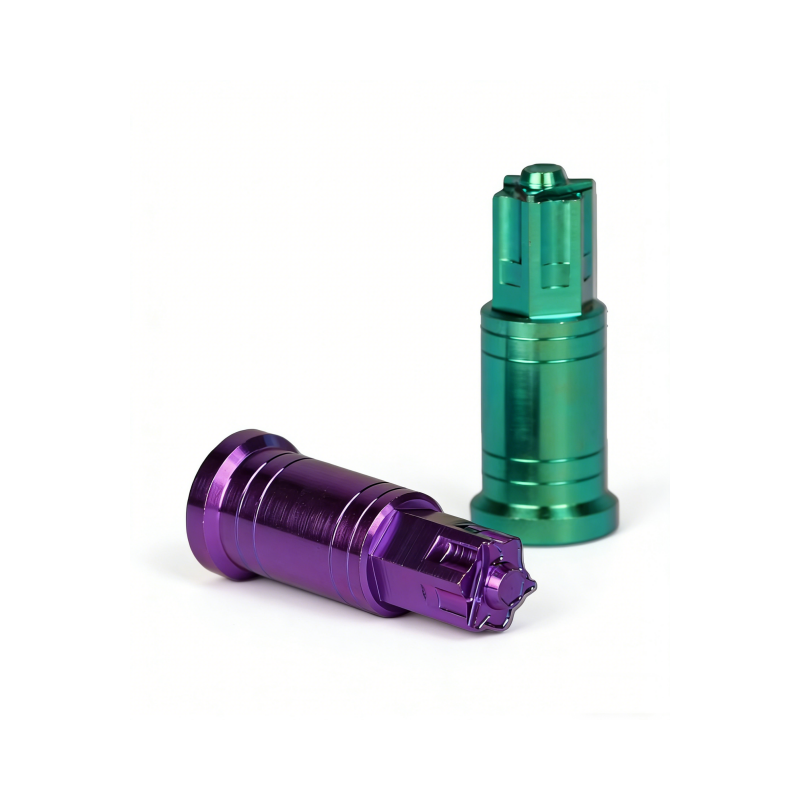
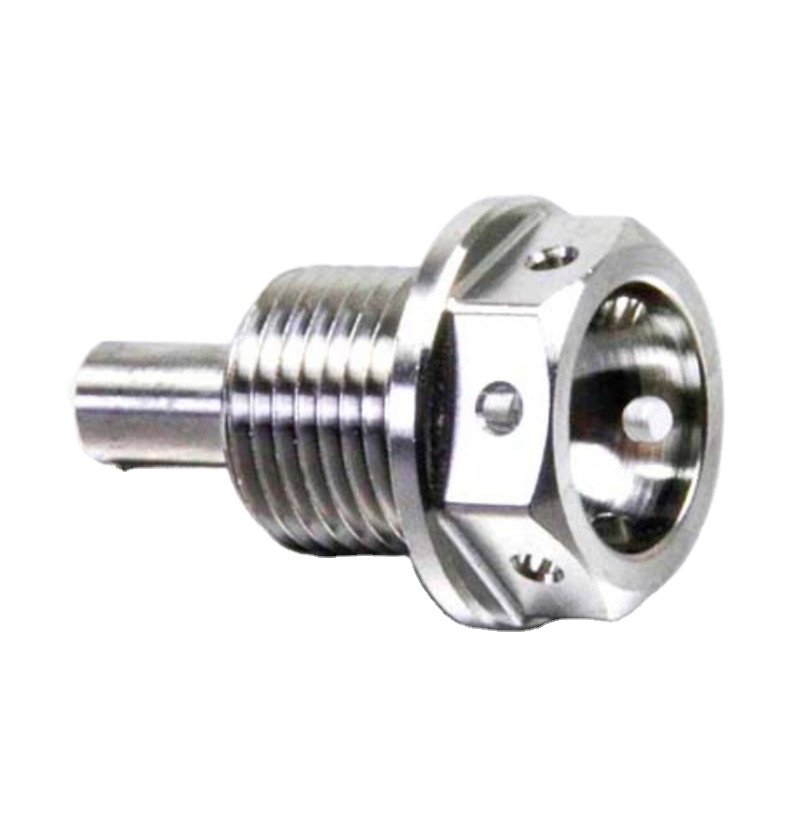
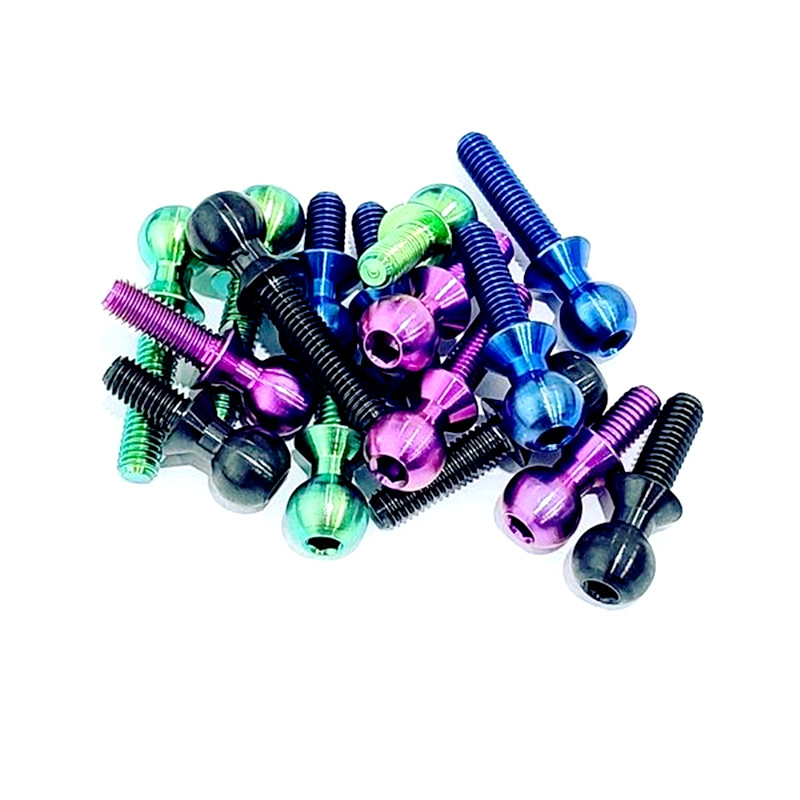
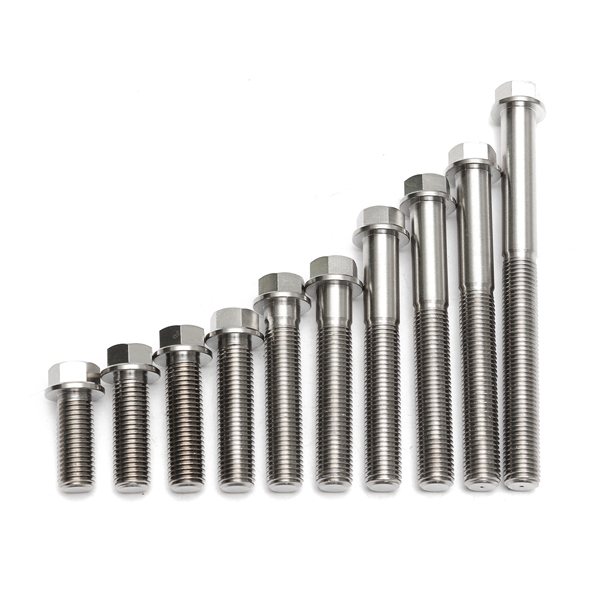
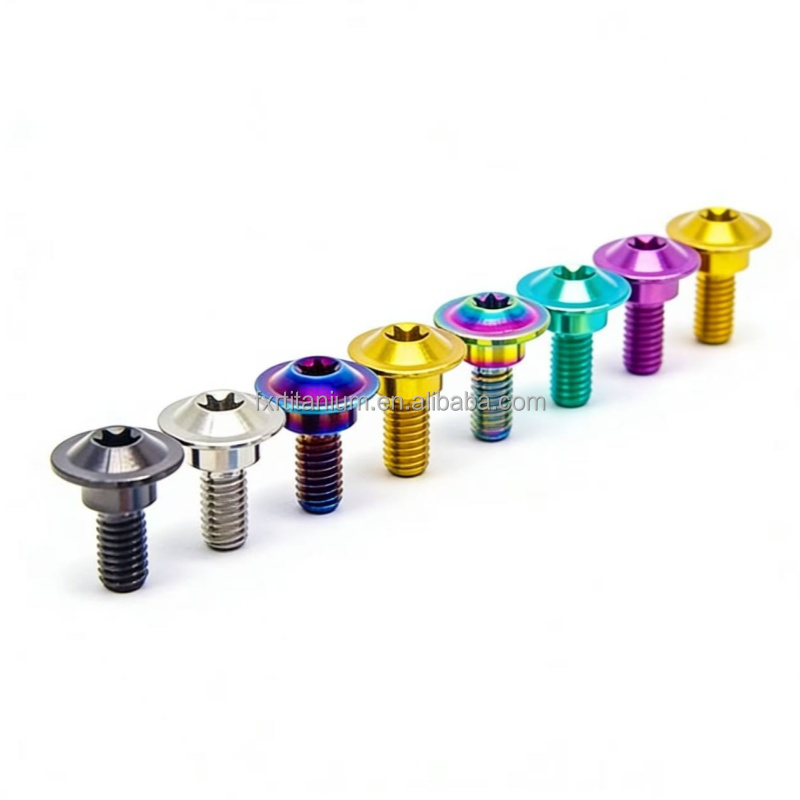
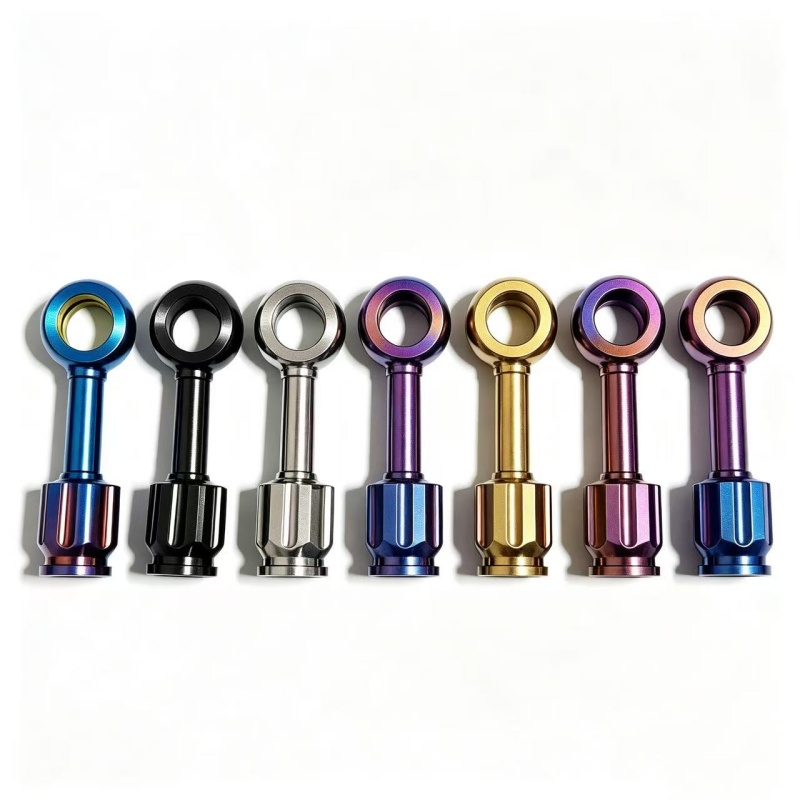
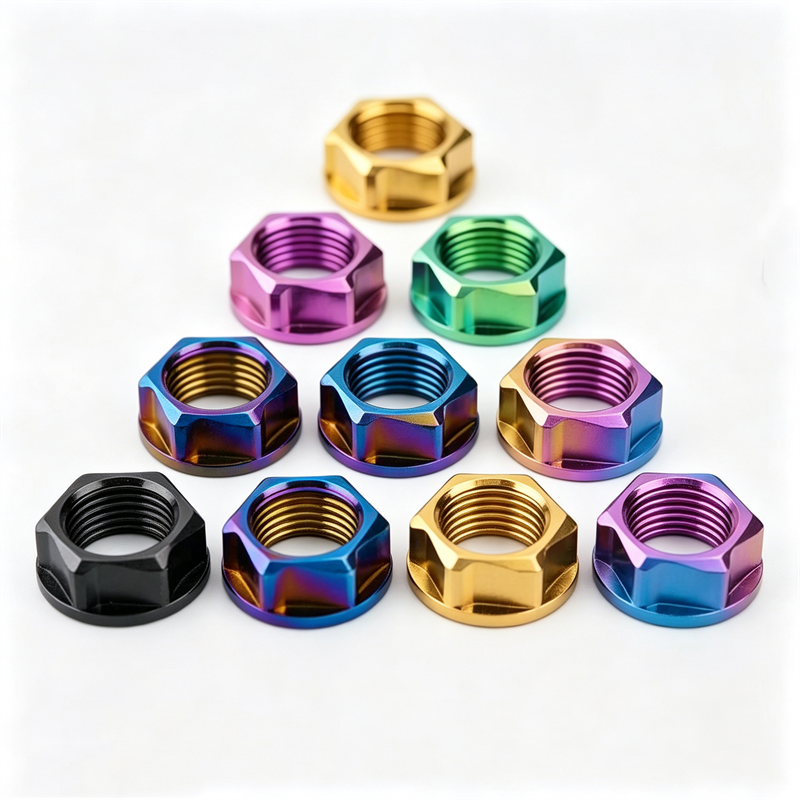
Engineering Whitepaper: Titanium Kinematics & Articulated Rod Ends in the Skåne Industrial Belt
As the third-largest urban economy in Sweden and a prime anchor of the multinational Öresund logistical hub, Malmö has rapidly pivoted from its heritage in classical heavy shipbuilding (Kockums Mekaniska Verkstad) toward high-value advanced industrial automation, cleantech, lightweight electric maritime propulsion, and sustainable transport engineering. In these state-of-the-art technical landscapes, mechanical linkage systems, articulated spherical joints, and rod ends (often historically specified in galvanized steel or bronze bushings) encounter continuous operational degradation triggered by micro-vibrations, dynamic torsional fatigue, and the corrosive brackish waters of the Sound (Öresund).
Our direct titanium manufacturing facilities provide specialized procurement channels for industrial designers and supply chain executives throughout Malmö, Lund, and the wider Skåne county. By substituting conventional alloy steels with vacuum-melted Grade 5 Titanium (Ti-6Al-4V / UNS R56400 / Werkstoff 3.7165), engineering systems capture an immediate 43% reduction in unsprung mass while establishing virtually impervious immunity to chloride stress corrosion cracking, acidic ambient rain, and galvanic degradation.
Technical Consideration: When designing articulating assemblies, replacing steel rod ends with GR5 titanium eliminates rotational inertia without compromising yield strength. Grade 5 titanium exhibits a yield limit surpassing 828 MPa, matching or exceeding standard Class 10.9 steel fasteners under cyclical shock conditions.
Material Metallurgy: Why Ti-6Al-4V Outperforms Traditional Ferrous Rod Ends
Articulated linkages in modern manufacturing and automotive testing endure complex multi-axis shear, cyclical bending stresses, and aggressive environmental exposure. Grade 5 titanium represents an alpha-beta alloy formulated with 6% aluminum and 4% vanadium. Aluminum serves as an alpha-phase stabilizer elevating high-temperature resilience and mechanical rigidity, whereas vanadium acts as an isomorphous beta stabilizer providing remarkable ductile toughness and cold crack propagation resistance.
Unlike standard chromium-plated alloy steel spherical bearings, which depend entirely on surface electroplating that fractures under micro-deflections, titanium develops a continuous, self-healing stoichiometric titanium dioxide (TiO₂) passivation layer instantly upon exposure to atmospheric oxygen. Even within Malmö's coastal docklands or sub-zero salinated winter streetscapes, moisture and de-icing road salts fail to induce crevice corrosion or pitting across critical linkage threads.
| Physical / Mechanical Metric | Verqo GR5 Titanium (Ti-6Al-4V) | Austenitic Stainless (AISI 316L) | Structural Steel (4140 / 10.9) |
|---|---|---|---|
| Density (g/cm³) | 4.43 g/cm³ (43% Lighter) | 8.00 g/cm³ | 7.85 g/cm³ |
| Ultimate Tensile Strength (MPa) | 895 – 1000 MPa | 500 – 700 MPa | 1000 – 1040 MPa |
| Yield Strength (0.2% Offset, MPa) | 828 MPa | 220 – 300 MPa | 940 MPa |
| Modulus of Elasticity (GPa) | 114 GPa (Superior Elastic Damping) | 193 GPa | 210 GPa |
| PREN (Pitting Resistance Index) | Immune (Spontaneous Passivation) | 23 – 25 | < 10 |
| Magnetic Susceptibility | Non-Magnetic (Diamagnetic) | Weakly Paramagnetic | Ferromagnetic |
Localized Engineering Applications Across the Malmö & Skåne Industrial Belt
Electrified Maritime & Port Cranes
Malmö's Western Harbour (Västra Hamnen) and commercial terminal facilities require non-corroding articulated rod ends for hatch actuators, autonomous docking davits, and foils where saltwater spray degrades steel spherical balls within single maintenance quarters.
Robotics & Automated Assembly
MedTech manufacturing and cleantech clusters along the Malmö-Lund innovation corridor demand low-inertia titanium linkages. Reducing arm end effector mass directly increases servo cycle frequencies while dropping thermal motor draw.
EV Transit & Hyper-Light Chassis
Nordic e-mobility transit programs operating under stringent salt-and-slush winter roads utilize our metric tie rods, sway bar end links, and steering knuckles to secure zero-rust compliance without needing grease recoating.
Technological & Regional Industrial Trends in Southern Sweden
Procurement departments across Sweden are bound by aggressive sustainability agendas and strict life-cycle assessments (LCA). The prevailing operational trends governing hardware sourcing include:
1. Life Cycle Costing (LCC) Dominance: Procurement directors in Malmö increasingly recognize that standard steel rod ends require ongoing anti-corrosion grease applications, scheduled inspections, and frequent replacements. Titanium rod ends offer an install-and-forget profile that radically reduces total lifetime maintenance overhead in inaccessible robotics and marine installations.
2. Additive Integration & Hybrid Linkages: The regional growth of Lund University’s materials science hubs and local Medicon Village initiatives has heightened demand for hybrid mechanical systems. We machine rod end housings with customized threading (M3 to M26, unified UN/UNF fine threads, left-hand/right-hand dual linkages) that integrate seamlessly into lightweight carbon fiber pushrods and 3D-printed titanium structures.
3. REACH and RoHS Environmental Compliance: Heavy metal plating, such as hexavalent chromium coatings and zinc-nickel layers applied to ferrous hardware, faces rigorous restriction under European chemicals directives. Natural oxidized and PVD-deposited titanium components deliver supreme corrosion protection without hazardous chemical leachates.
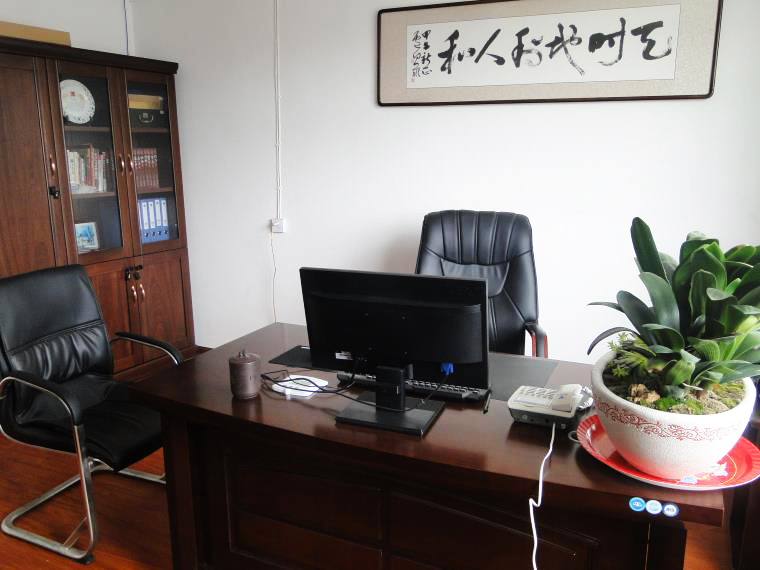
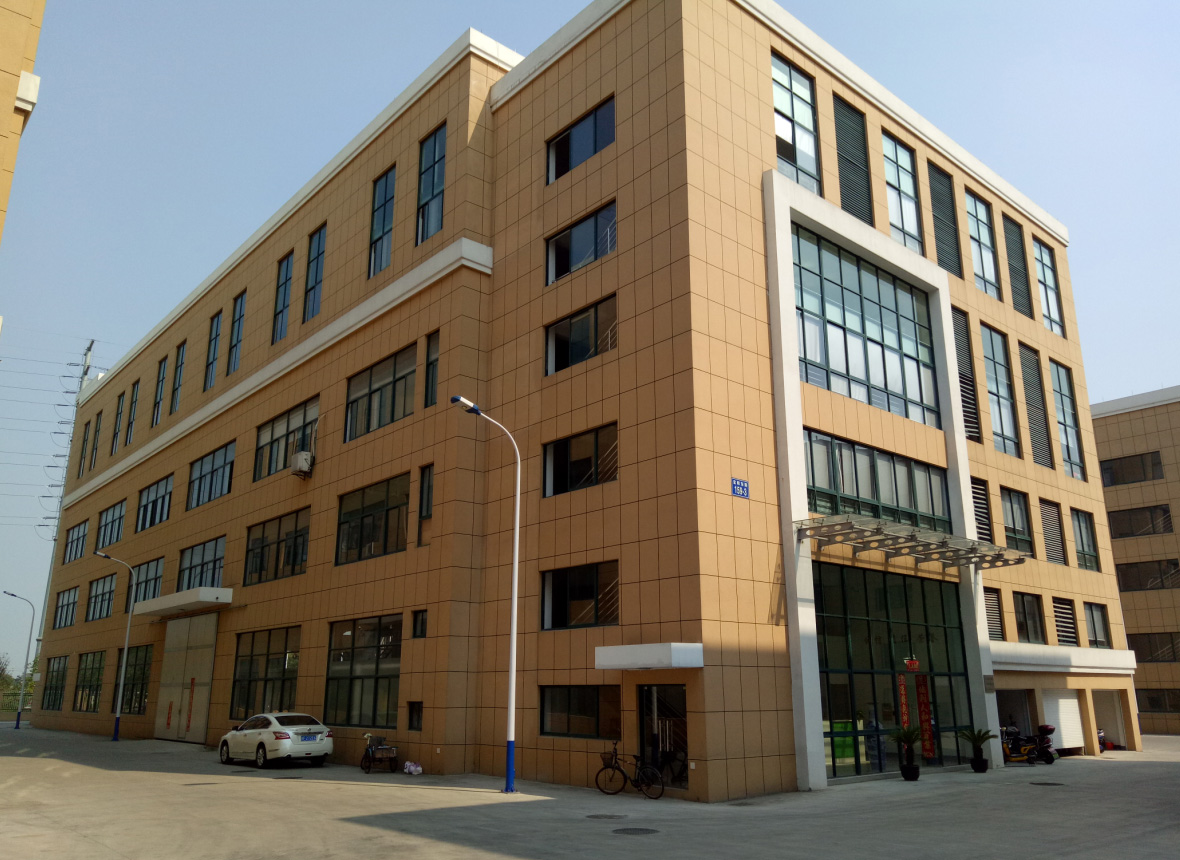
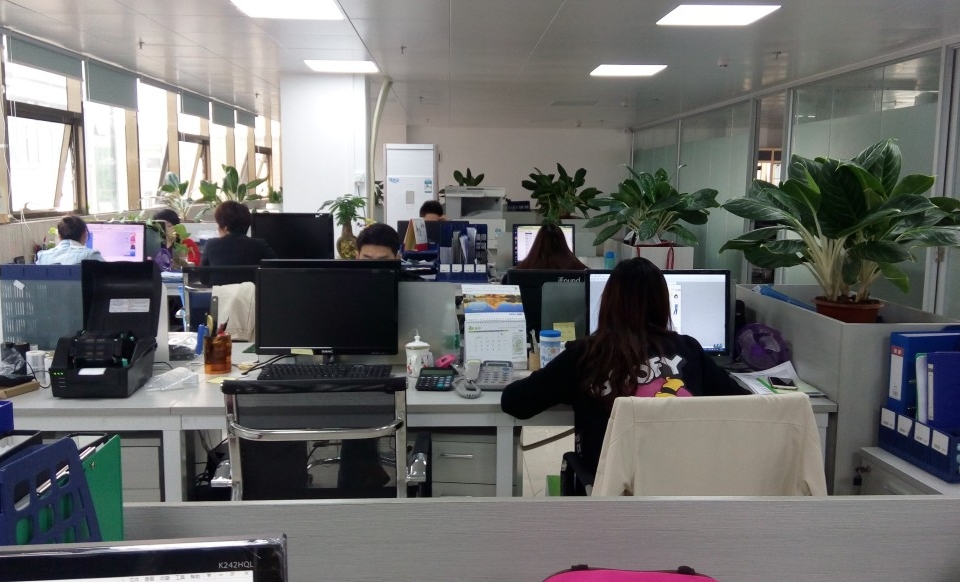
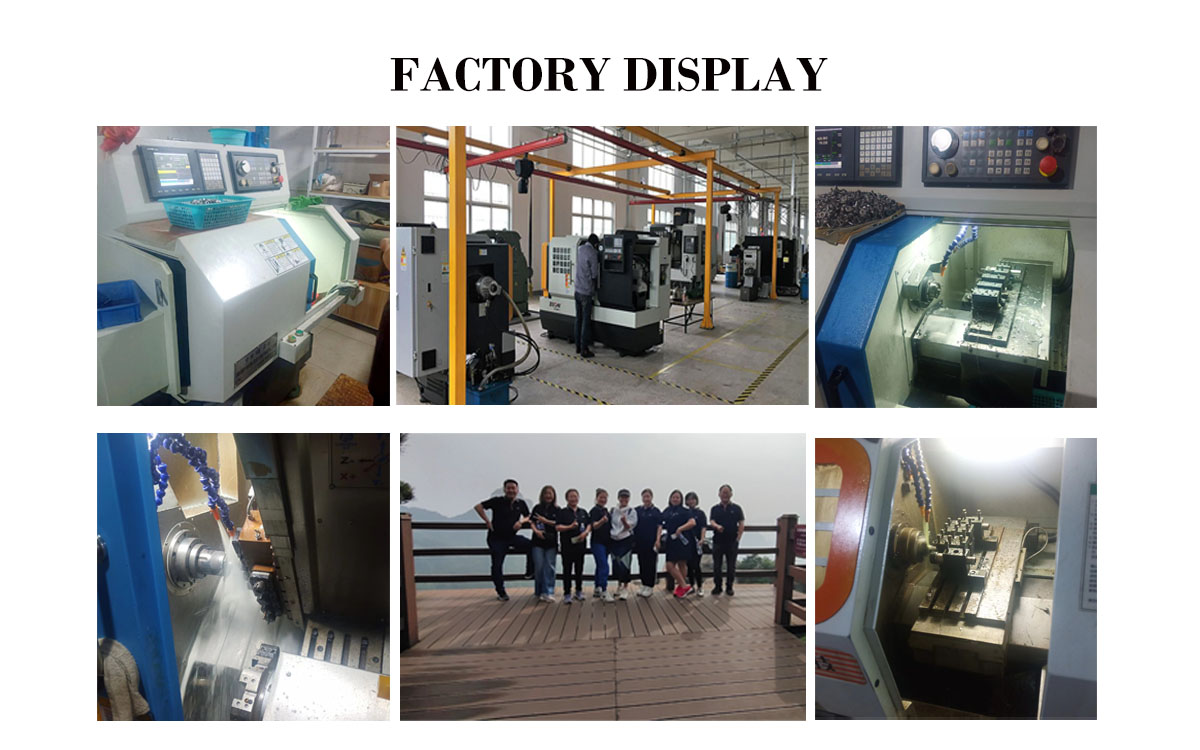
Factory-Direct Manufacturing Capacity & Quality Control
Direct supply from Baoji, China's designated "Titanium Valley" — unified end-to-end processing with ISO 9001 precision standard adherence.
Frequently Asked Questions | Malmö Procurement Desk
Crucial commercial, technical, and logistics details for Swedish industrial purchasers importing high-grade titanium hardware.
What standard certifications accompany shipments to Malmö?
Every industrial consignment ships with EN 10204 3.1 chemical composition and mechanical test inspection certificates, confirming precise Ti-6Al-4V chemical percentages, tensile limits, and elongation stats traceable back to the raw vacuum arc remelting ingot.
What is the average logistical transit time to Southern Sweden?
Air express orders via DHL/FedEx clear customs directly into Malmö Airport (MMX) or Copenhagen Airport (CPH, across the bridge) in 4–7 business days. Bulk marine sea containers clear via Port of Gothenburg or Port of Trelleborg within 28–35 days.
How do titanium rod ends prevent galling when mated with female threads?
Titanium threads have a high friction coefficient. For high-torque applications in Nordic machinery, we provide specialized anti-galling PVD coatings (such as DLC or titanium carbonitride) or advise using molybdenum disulfide / nickel-based anti-seize assemblies.
Can you customize rod ends and ball studs to non-standard CAD prints?
Yes. Supported by 10+ years of dedicated OEM/ODM expertise, our engineers work directly from STEP, IGES, and DWG files, producing metric fine-pitch threads (M10×1.25, M12×1.25, M14×1.5) or specialized spherical clearances with zero tooling delays.
Need Custom Titanium Linkages or Fasteners in Malmö?
Direct factory quotes within 2 hours. Submit your CAD drawings or required dimensions to receive an instant engineering appraisal and volume discount structure.