High-Performance Titanium Hardware & Rod End Solutions
Manufactured in China's Titanium Valley (Baoji) and custom-engineered to withstand cyclic stresses, galvanic exposure, and extreme hydrodynamic loads in Western France.
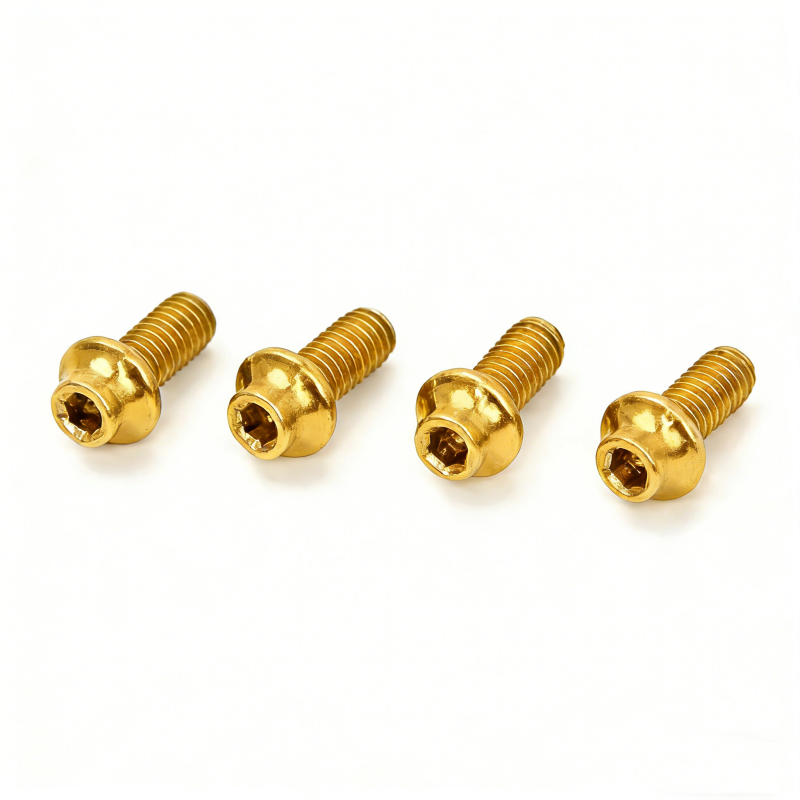
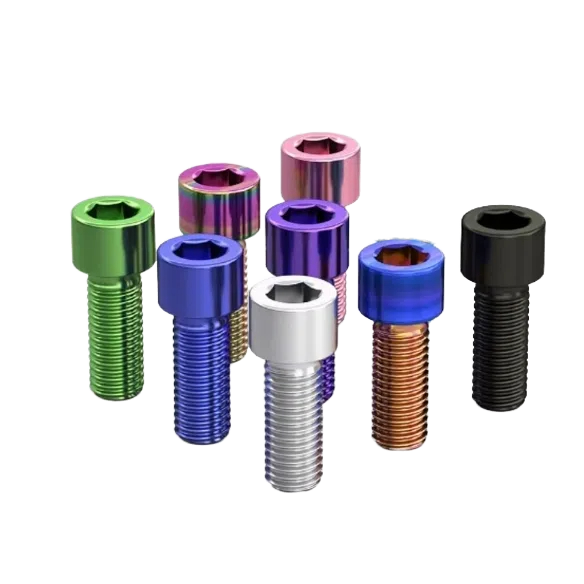
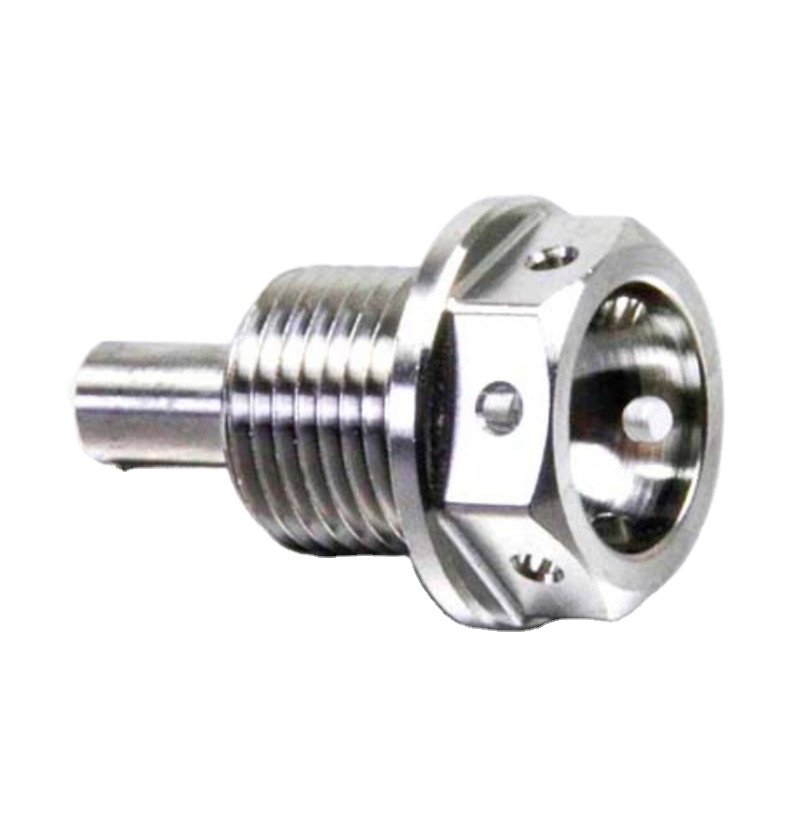
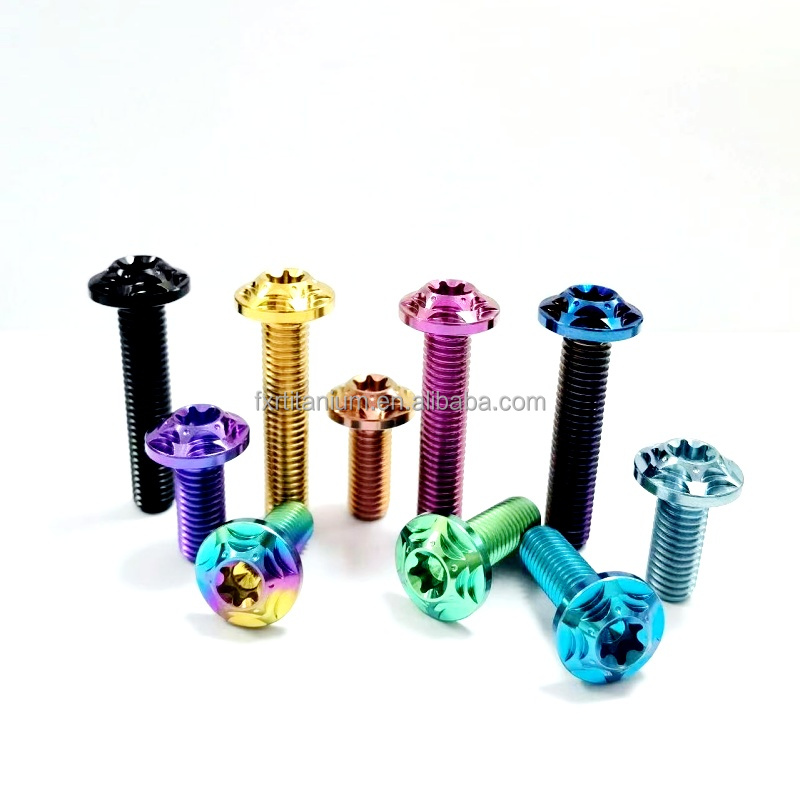
Technical Whitepaper: Metallurgy & Structural Dynamics of Grade 5 Titanium Rod Ends
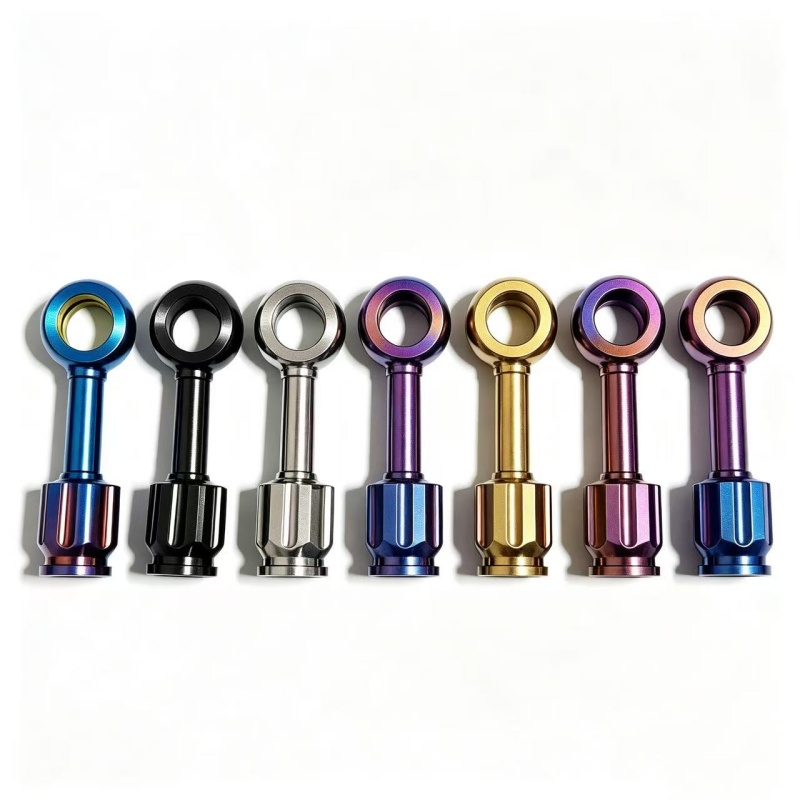
In modern industrial applications spanning the lower Loire valley—from the aeronautical supply chains surrounding Bouguenais to the racing yacht shipyards along the Atlantic seaboard—traditional steel rod ends (Heim joints) introduce unacceptable compromises between structural tare weight and long-term electrochemical degradation. Verqo Titanium utilizes vacuum-arc remelted GR5 (Ti-6Al-4V, Werkstoff 3.7165) to fabricate rod ends and spherical articulated linkage systems that deliver a minimum ultimate tensile strength of ≥ 895 to 930 MPa at an ultra-low density of 4.43 g/cm³.
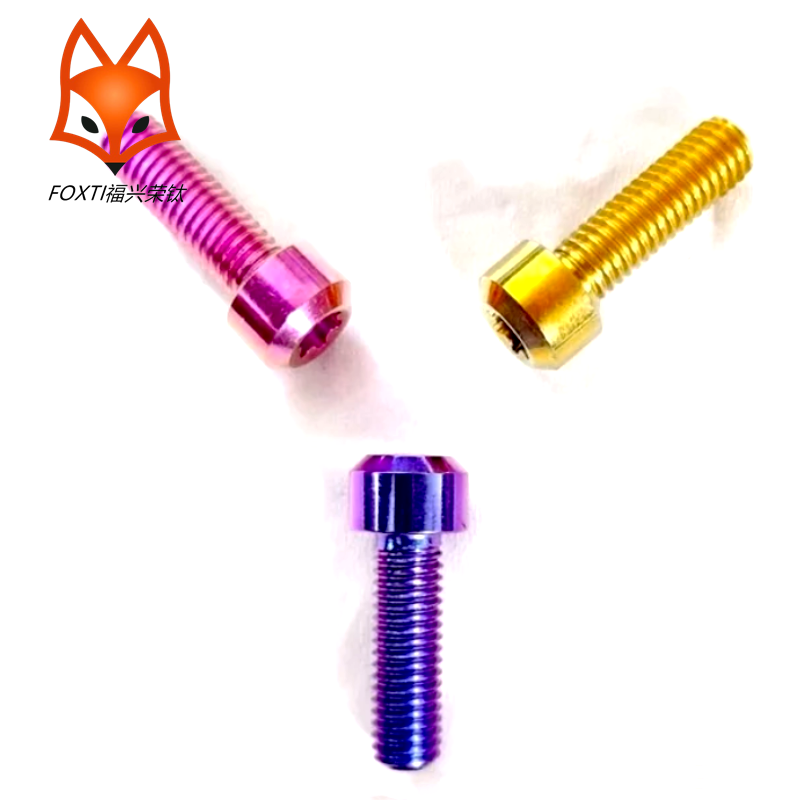
Unlike conventional carbon or stainless steel joints, our titanium rod ends undergo continuous thread rolling rather than single-point cutting. This processes the grain boundary structure uninterrupted along the root radius, increasing mechanical fatigue limits by up to 38% under high-frequency reversing loads. When paired with PTFE self-lubricating liner fabrics or ceramic bearing inserts, our titanium housings offer negligible rotational friction coefficients (μ ≤ 0.04) without grease contamination.
| Mechanical / Chemical Metric | Verqo Titanium GR5 (Ti-6Al-4V) | Stainless Steel 316L (1.4404) | High-Tensile 4130 Chromoly |
|---|---|---|---|
| Volumetric Mass / Density | 4.43 g/cm³ (43% lighter) | 8.00 g/cm³ | 7.85 g/cm³ |
| Yield Strength (Rp 0.2) | ≥ 828 MPa | 220 – 290 MPa | ≈ 690 MPa |
| Ultimate Tensile (Rm) | 895 – 1000 MPa | 520 – 680 MPa | 780 – 980 MPa |
| Strength-to-Weight Efficiency | 214 kN·m/kg (High) | 75 kN·m/kg | 114 kN·m/kg |
| Seawater Corrosion Rate | < 0.001 mm/year (Immune) | Susceptible to Crevice Pitting | Rapid Oxidation / Rusting |
| Non-Magnetic Permeability (μr) | 1.00005 (Paramagnetic) | 1.008 (Slightly Magnetic) | Ferromagnetic (Strong) |
Testing protocols performed in accordance with ASTM B348, ASTM E8/E8M tensile procedures, and ISO 12240-4 rod end articulation guidelines. Inspection data and 3.1 Mill Test Certificates are provisioned with every European freight release.
Precision Applications Across the Nantes & Pays de la Loire Sector
Tailored engineering and inventory delivery pipelines serving the demanding manufacturing clusters along the Loire Estuary and Vendée maritime corridors.
Aerospace & Advanced Composites (Nantes-Atlantique)
Directly interfacing with assembly lines around Bouguenais and Saint-Nazaire, our titanium rod ends serve as primary actuation linkages for nacelle control, flap actuator assemblies, and structural test jigs where weight minimization is essential without thermal fatigue or galvanic interference with carbon fiber composites.
Offshore Foiling & Marine Robotics (Saint-Nazaire / Vendée)
Vendée Globe racing monohulls, ocean foilers, and autonomous subsea survey vessels operating out of the Atlantic coast require rudder and hydrofoil control arms that resist aggressive salt-spray environments and high impact wave slapping without pitting or stress corrosion cracking.
Electric Powertrain & Dynamic Suspension (Carquefou Hub)
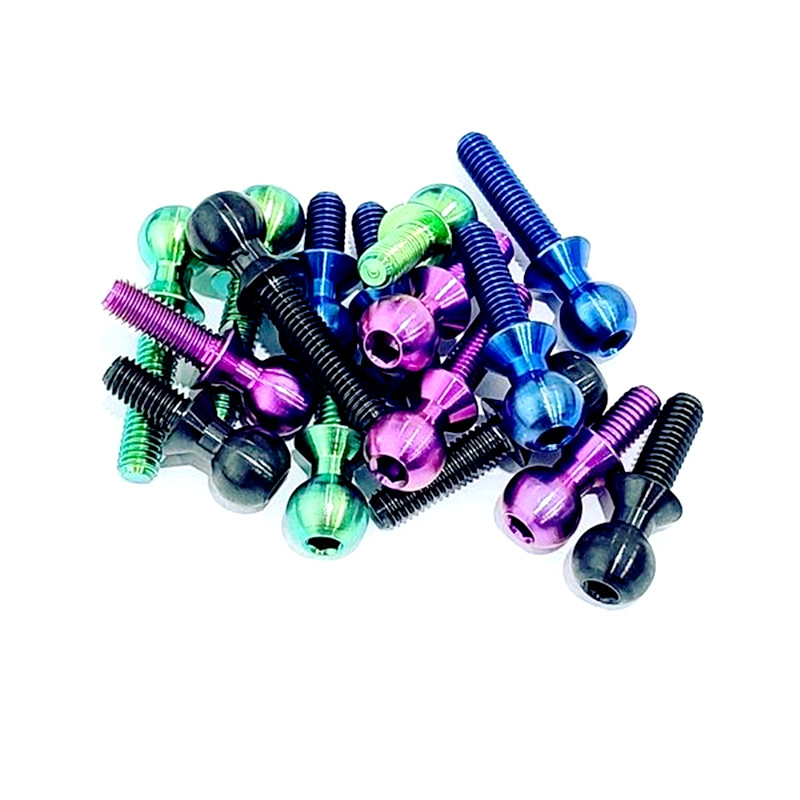
Prototype vehicle builders, high-performance EV test benches, and competition chassis builders throughout Loire-Atlantique deploy Verqo ball studs and spherical Heim joints in double-wishbone linkages to reduce unsprung mass, delivering sharper damping response and instantaneous telemetry feedback.
Macro Trends Transforming Titanium Sourcing in Western France
How the green energy transition, aerospace decarbonization, and supply-chain diversification affect regional procurement teams in Nantes.
1. Decarbonization & Lightweighting in Transport
With stringent European emissions targets impacting automotive and nautical sectors in Western France, substituting alloy steel linkages with Grade 5 titanium produces an instant 40-45% mass saving at identical safety factors. This contributes directly to battery range extension in regional electric mobility platforms.
2. Strict Carbon-Fiber Electrochemical Compatibility
Aluminum and structural carbon steels induce aggressive galvanic corrosion when fastened against carbon-fiber reinforced plastics (CFRP) in saline environments. Titanium shares an almost identical galvanic electrode potential with graphite, making it the metallurgical material of choice for marine and aviation composite joints.
3. Just-in-Time Agility vs. Over-Engineered Minimum MOQs
Nantes-based prototype firms and specialized engineering subcontractors frequently struggle with traditional European mill minimum orders exceeding thousands of units. Verqo bridges this gap with agile batches from 10 to 50 pieces for specialized R&D trials alongside rapid ramp-up mass production.
4. Transparent Traceability & Material Documentation
Procurement departments in France require strict traceability back to raw titanium ingot chemistries. Verqo provisions comprehensive spectrometer composition reports and dimensional inspection charts with all export deliveries to ensure fast customs clearance and quality sign-off.
Rooted in China's "Titanium Valley" – Verqo Titanium Products Co., Ltd.
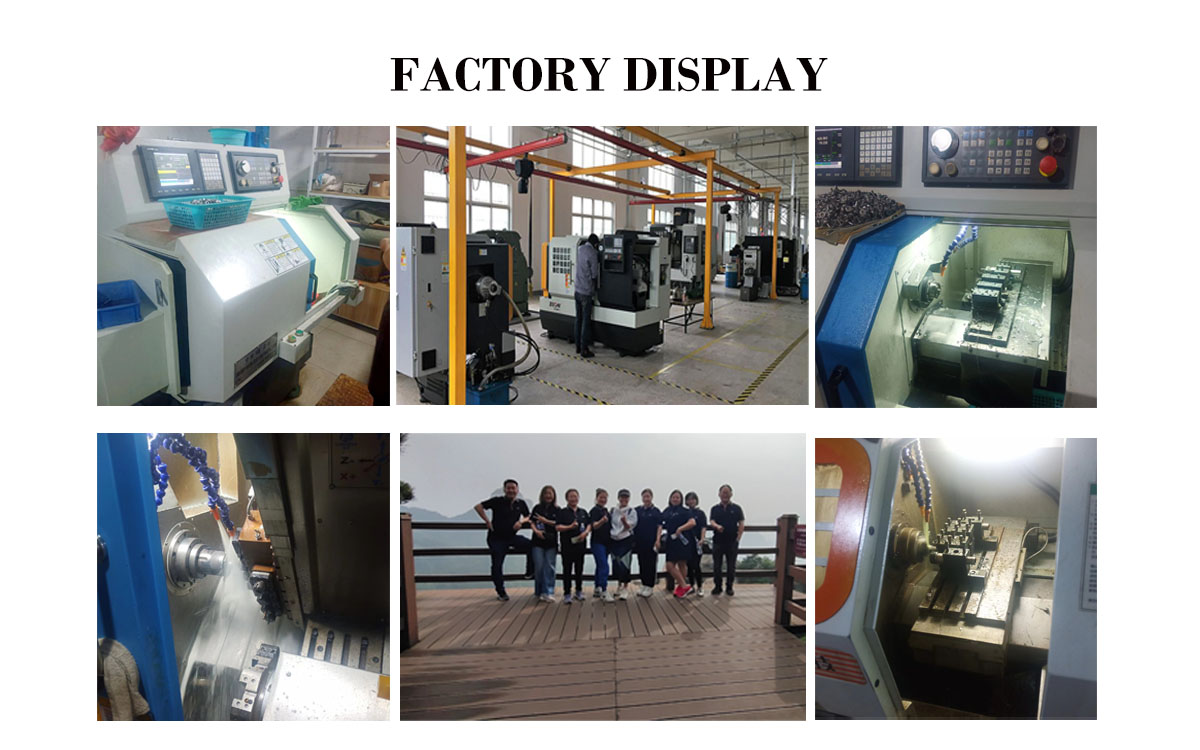
Headquartered in Baoji, Shaanxi Province, China—a hub representing over 60% of domestic titanium raw material refinement—Verqo combines raw bar stock processing, 5-axis CNC machining, anodizing, PVD thin-film coating, and strict metallurgical verification under one dedicated quality-controlled roof.
Since our founding in 2015, we have served OEM and ODM partners across Europe, North America, and Oceania. We eliminate broker markups and maintain complete control over raw titanium melt batches, providing our customers in Nantes with aerospace-grade tolerances, flexible ordering terms, and rapid project lead times.



Print / CAD Review
Send 2D (.dwg/.pdf) or 3D (.step) files. We analyze thread pitches, ball angles, and tolerances.
Metallurgy Audit
Verification of raw GR5 bar stock, specifying torque targets and anti-galling coatings.
Pilot Sampling
Rapid CNC prototyping in 5 to 7 days for functional assembly validation in France.
Batch Production
Controlled CNC runs with optical dimension checks, thread go/no-go gauging, and finish application.
Direct Delivery
Custom packaging, vacuum-sealed bags, express air courier or ocean forwarding straight to your Nantes dock.
Procurement & Technical FAQ for French Buyers
Addressing engineering properties, international trade certifications, logistics, and anti-galling considerations for our titanium rod ends and fasteners.
How do Verqo titanium rod ends prevent thread galling under dynamic mechanical preload?
What metric and imperial thread standards are supported for industrial deliveries to Nantes?
What international material certificates and quality documentation are provided?
What are the typical lead times and logistics routes from China to the Nantes / Saint-Nazaire area?
What is your Minimum Order Quantity (MOQ) for bespoke rod end and ball stud drawings?
Which B2B payment terms and commercial currencies are accepted for European corporations?
Accelerate Your Mechanical Performance in Nantes
Whether you require race-proven spherical linkages, marine-grade articulation joints, or custom titanium hardware built to exact tolerances, our engineering team provides comprehensive quotes within two hours.