1. The Mechanical Imperative: Why Bicycle Stems Require Grade 5 (Ti-6Al-4V) Fasteners
The bicycle handlebar stem is one of the most critical safety junctions on any two-wheeled platform. It is subjected to constant multi-directional forces: torsional stress from rider steering leverage, cyclic bending moments from trail impacts, and static pre-load tension applied to clamp the steerer tube and handlebar. When cyclists navigate the rough descents of Pelister National Park outside Bitola, the cockpit experiences intense harmonic resonance and high-frequency shock loading.
Under these conditions, standard zinc-plated or black-oxide steel fasteners (Grade 8.8) present severe liabilities. Not only are they heavy, but they are also prone to atmospheric corrosion from mud, mountain moisture, and sweat salts, leading to seizing or stress crack propagation. Conversely, commercial aluminum bolts (even 7075-T6) lack the necessary shear modulus and cyclic fatigue endurance to safely secure a stem faceplate under emergency braking or heavy drop-ins.
Grade 5 Titanium (Ti-6Al-4V), recognized as ASTM B348 / DIN 3.7165, resolves this engineering dilemma. Offering a minimum tensile strength of 895 to 1,000 MPa, GR5 delivers the mechanical tenacity of high-tensile heat-treated alloy steel while slashing mass by approximately 43%. Moreover, its lower modulus of elasticity (approx. 114 GPa compared to 210 GPa for structural steel) allows a titanium stem bolt to yield slightly under violent transient shocks, absorbing impact energy and resisting catastrophic brittle fracture.
| Material Specification | Density (g/cm³) | Tensile Strength (MPa) | Yield Strength (MPa) | Fatigue Endurance Limit | Corrosion Resistance |
|---|---|---|---|---|---|
| GR5 Ti-6Al-4V (Verqo Standard) | 4.43 (43% lighter) | 895 – 1,020 | 828 – 940 | Exceptional (>10&sup7; cycles) | Absolute (Immune to Salt & Rust) |
| Commercial Pure Titanium (GR2) | 4.51 | 345 – 480 | 275 – 380 | Moderate (Unfit for Stems) | Excellent |
| Alloy Steel Class 10.9 | 7.85 | 1,040 | 940 | High (Subject to Corrosion Notch) | Poor (Requires Coating) |
| Stainless Steel A2-70 (304) | 7.93 | 700 | 450 | Low-Moderate | Good (Vulnerable to Chlorides) |
| Aluminum Alloy 7075-T6 | 2.81 | 570 | 505 | Low (Notch Sensitive) | Moderate (Galvanic issues) |
2. Precision Manufacturing Architecture: CNC Turning vs. Thread Rolling
In high-performance cycling and motorsport assemblies, how a bolt is made is just as crucial as the raw ingot used. Many low-cost titanium fasteners on the retail market are manufactured using conventional lathe single-point thread cutting. While geometrically acceptable, cut threads slice directly across the longitudinal grain structure of the titanium bar stock, creating microscopic stress risers at each thread root.
At Verqo Titanium, all stem bolts and structural fasteners utilize cold-die thread rolling following CNC multi-axis head finishing. During thread rolling, hydraulic dies exert controlled hydrostatic pressure against the blank, plastically deforming the material into the thread profile without severing the grain lines. This produces three primary engineering benefits:
Continuous Grain Alignment
The microscopic grain flow follows the contour of the crests and roots smoothly, elevating fatigue life under cyclical trail vibrations by up to 300% compared to cut-thread hardware.
Work-Hardened Thread Roots
Plastic displacement increases surface hardness in the thread troughs, improving resistance against thread stripping and cross-threading during repeated torque adjustments.
Precision Pitch Consistency
Maintains strict 6g/6H tolerance classes, eliminating loose play inside 6061-T6 and carbon fiber integrated stems, preventing bolt back-out without requiring dangerous over-torquing.
3. Hyper-Localized Application Scenarios in Bitola & Pelagonia
Bitola holds a unique geographic and economic position in North Macedonia. As the administrative and cultural center of the Pelagonia statistical region, it combines heavy industrial machinery operations, burgeoning light mobility services, and a passionate outdoor sports culture anchored by Pelister National Park.
Pelister Mountain Bike Trails & Enduro Racing
Mount Baba’s sub-alpine trails, such as Kopanki and the Dihovo descents, present extreme rock gardens and technical drop-offs. High-end mountain bikes (Enduro and Downhill rigs) run M5x16mm and M5x18mm Grade 5 stem bolts to hold handlebars firmly in place under severe G-outs, ensuring rider safety while eliminating front-end steering creep.
Boutique Road Cycling & Balkan Bikepacking
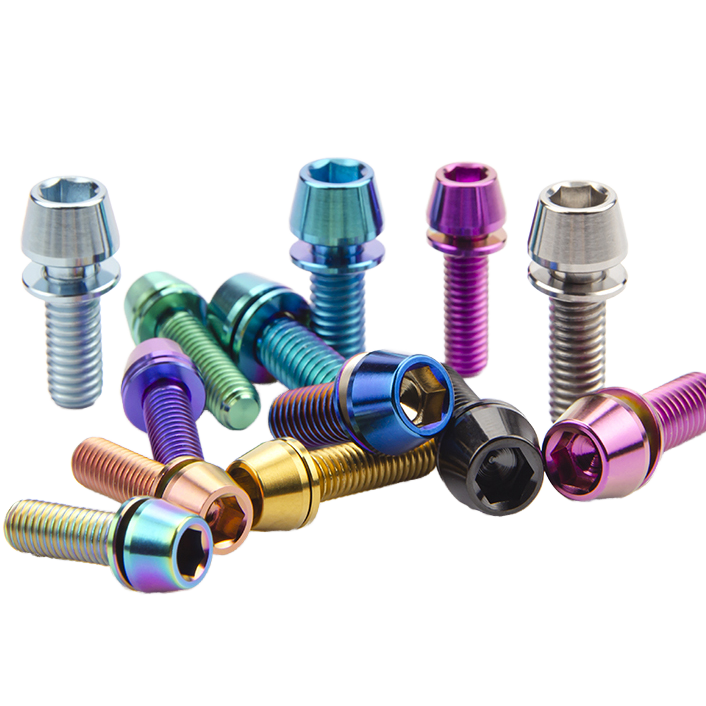
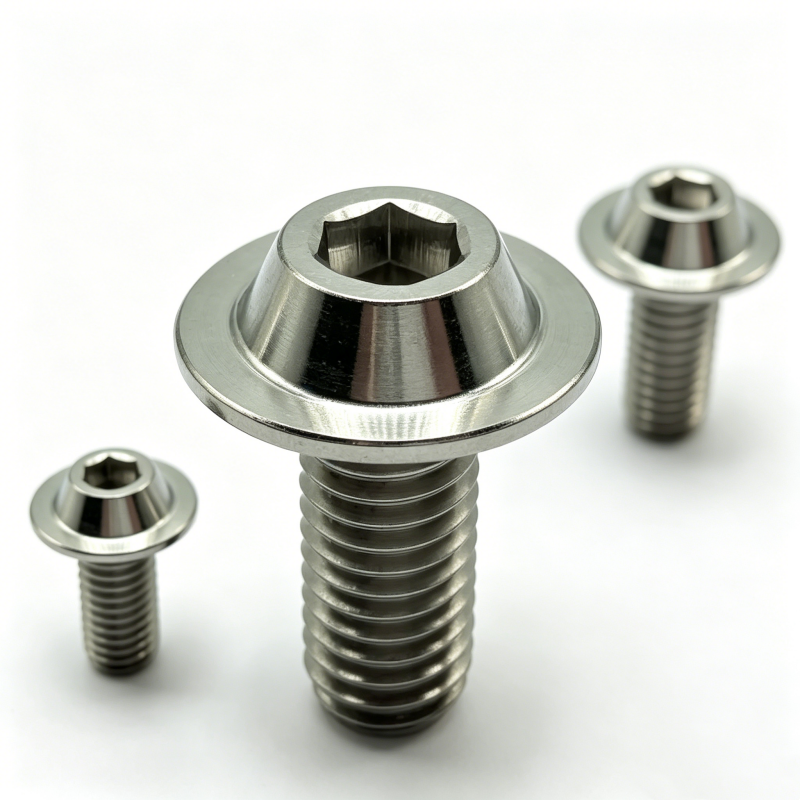
Riders traversing the Pelagonian plain between Bitola, Prilep, and the Greek border (Florina corridor) demand ultra-lightweight cockpit setups. Switching to Grade 5 tapered socket cap stem bolts reduces weight at the furthest point from the bike's center of gravity, refining handling dynamics over long endurance miles.
Light E-Mobility (Sur-Ron, Talaria & E-Commuters)
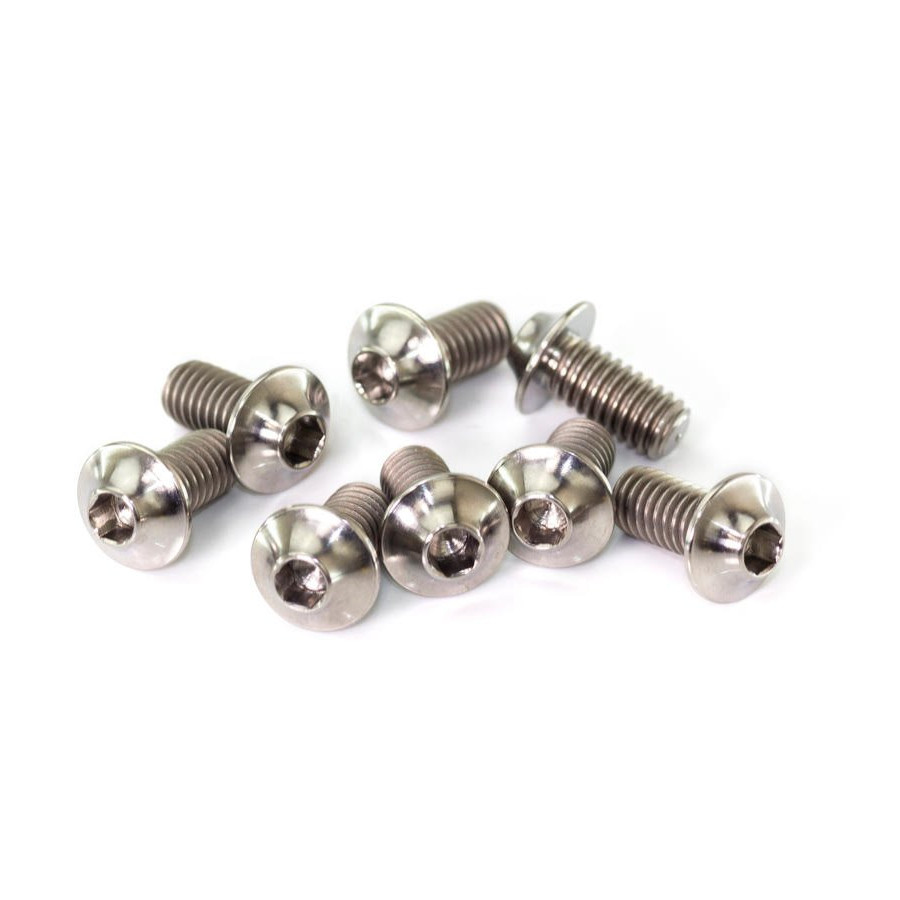
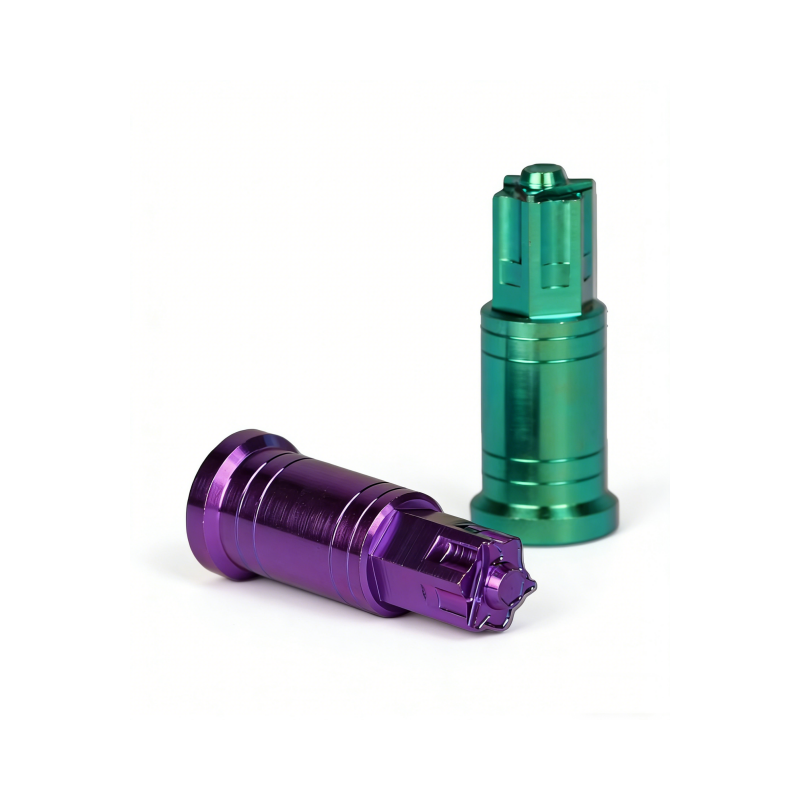
Bitola’s urban transit is witnessing rapid growth in lightweight electric two-wheelers. Electric motorbikes generate rapid torque spikes that loosen low-grade factory stem hardware. Verqo’s M6 UFO and button socket head titanium hardware provides vibration-proof clamping for upgraded inverted front forks and aftermarket bars.
Industrial Automation & Drone Prototyping
Bitola’s technical schools and industrial park engineering firms utilize customized titanium bolts for precision automation fixtures, agricultural robotic booms, and commercial surveying UAVs where strength-to-weight ratio and magnetic neutrality are required.
4. Localized Trends: Sourcing Direct from "Titanium Valley" to North Macedonia
Historically, cycling workshops and tuning shops in Bitola acquired high-end titanium hardware through regional intermediaries in Germany, Italy, or Slovenia. While convenient for single-unit retail needs, this supply model imposed markups of 300% to 500% over factory cost, severely bottlenecking local mechanics, fleet managers, and boutique bike builders.
The contemporary procurement trend in North Macedonia centers on direct factory engagement with Baoji, China (China’s Titanium Valley). By partnering directly with dedicated manufacturers like Verqo Titanium, Bitola businesses access certified aerospace-grade hardware at transparent wholesale pricing, with custom branding and flexible order quantities.
Surface Engineering: Electrochemical Anodizing vs. PVD Vacuum Deposition
Modern bike enthusiasts and motorsport builders in Pelagonia place high value on aesthetic personalization combined with scratch resistance. Verqo offers two primary technological pathways for surface enhancement:
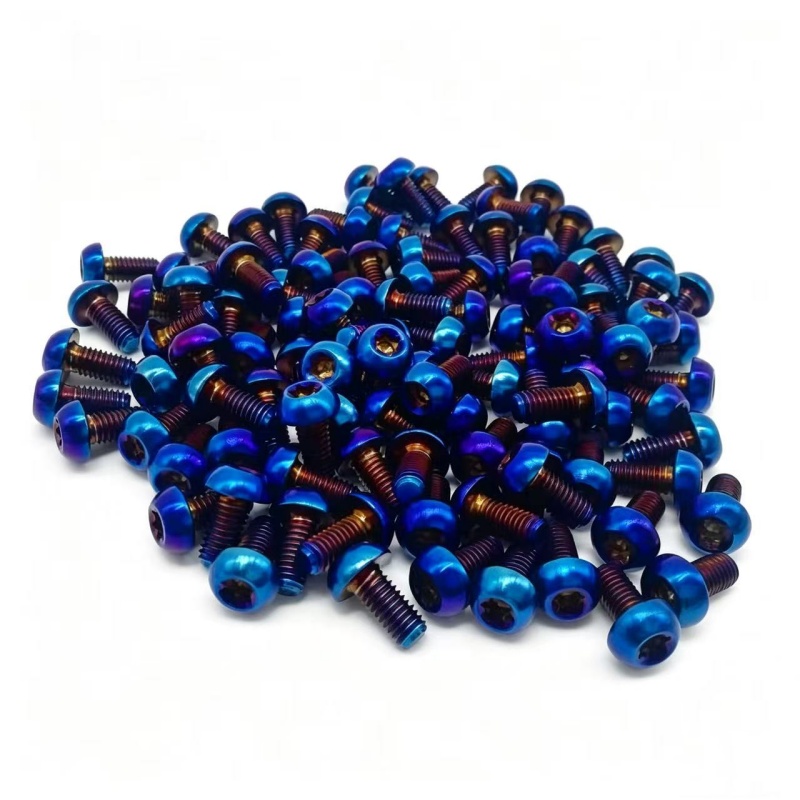
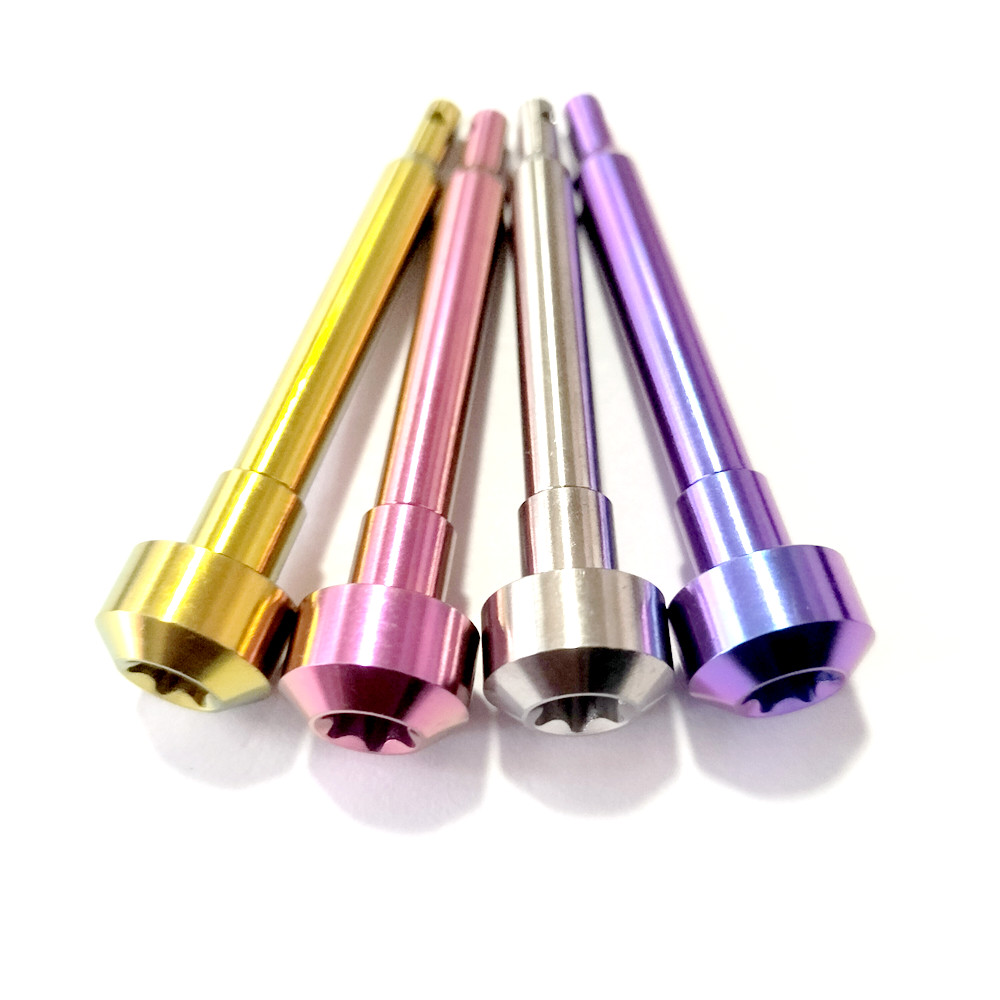
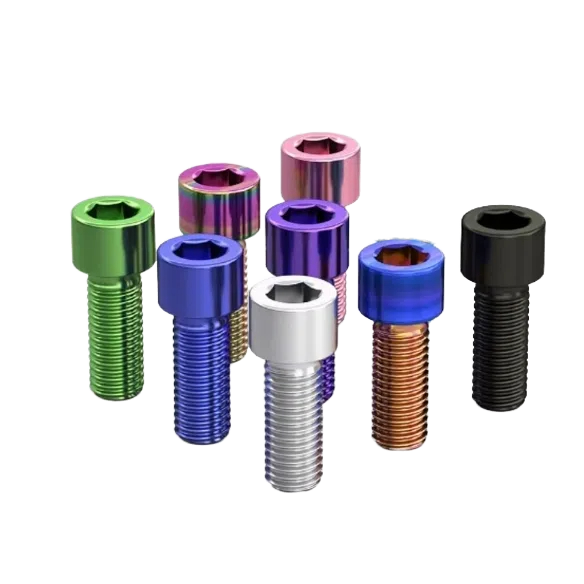
- Controlled Electrochemical Anodizing: An electrolytic process that alters the thickness of the natural titanium oxide layer (TiO&sub2;). Light refraction creates vivid colors — including Gold, Royal Blue, Burnt Blue, Purple, and Green — without adding pigments, paint, or mass.
- Physical Vapor Deposition (PVD) Vacuum Coating: Plasma deposition of titanium carbonitride or zirconium nitride in an ultra-clean vacuum chamber. PVD yields an extremely hard (over 2,500 HV) surface skin in deep finishes like Phantom Black, 12K Gold, and Neo-Chrome Rainbow, offering exceptional scratch protection against gravel roost and trail debris.