Featured High-Tensile Titanium Hardware & Fastener Assemblies
Explore our certified precision Grade 5 (Ti-6Al-4V) titanium fasteners and specialty CNC hardware, fully compatible with sub-zero service conditions, aggressive saline environments, and extreme vibration loads.
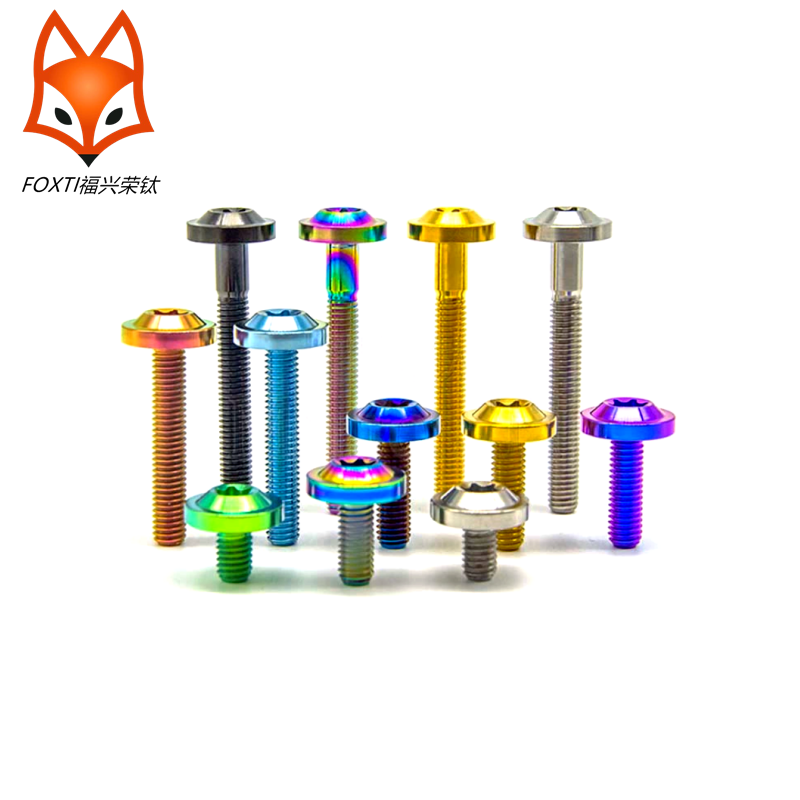
Grade 5 Titanium Torx Head Anodized PVD Disc Bolt Set
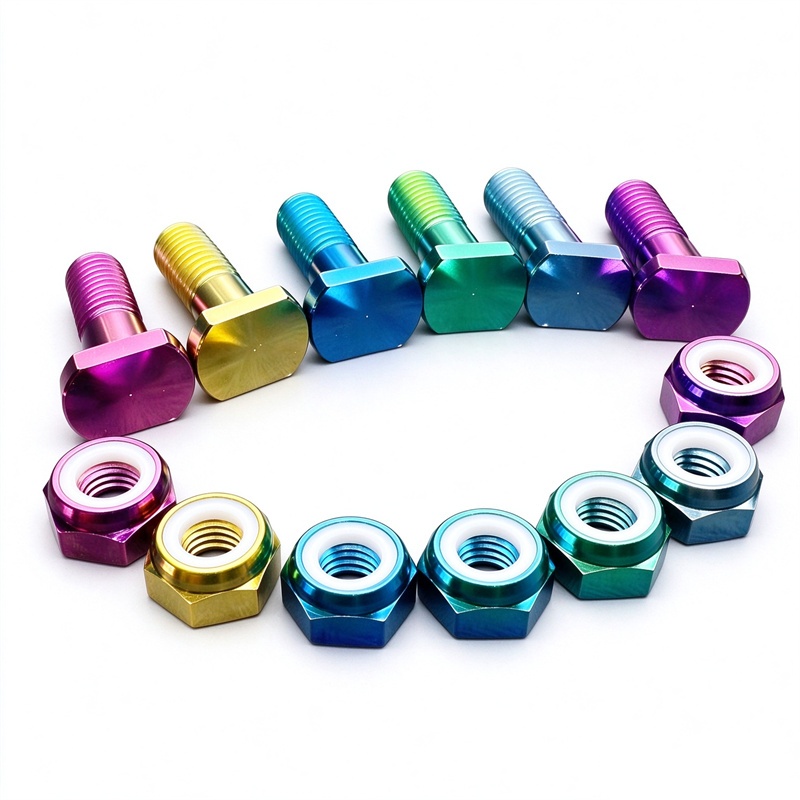
Custom Polished Gr5 Titanium Alloy Disc Rotor Bolt & Nut Assembly
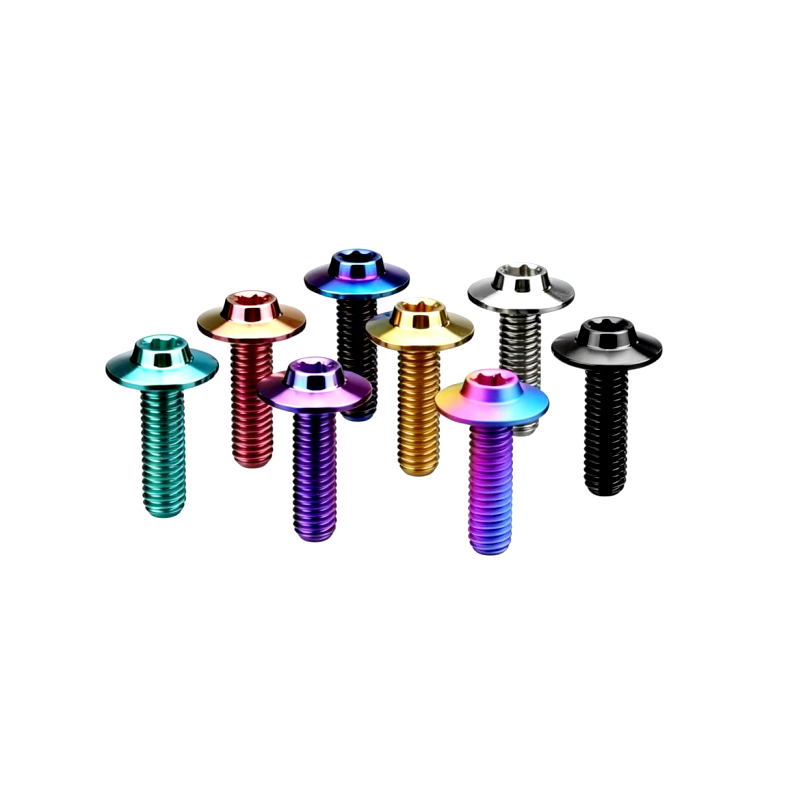
M6 Umbrella Torx Head Multi-Length Grade 5 Titanium Bolts
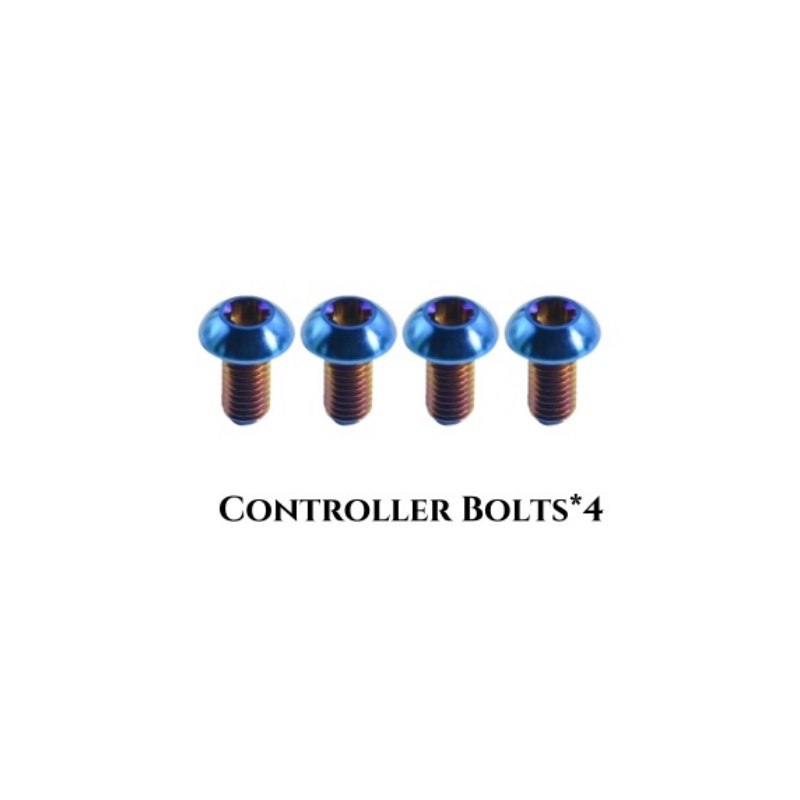
Vacuum-Coated PVD High-Torque Titanium Controller Bolts
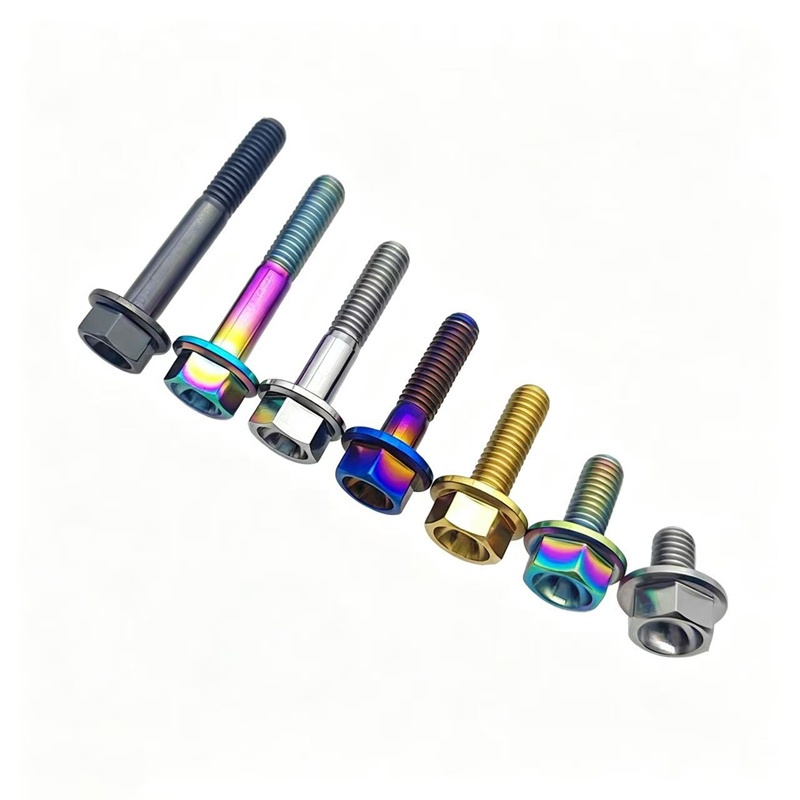
Integral Hex Head Flange Titanium Bolts (M5 to M14 Available)
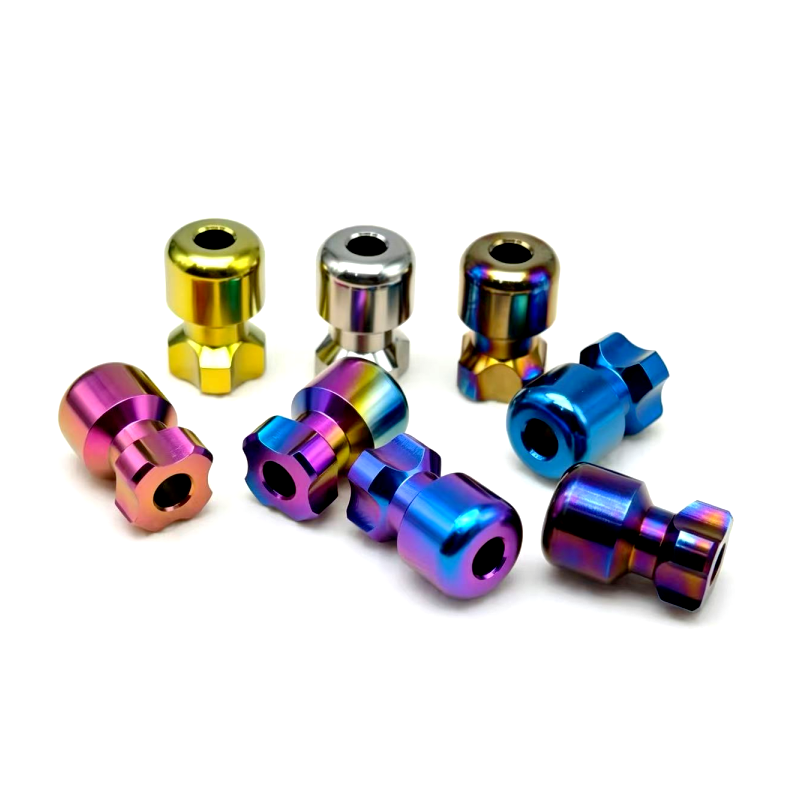
FOXTI Custom Torpedo Gr5 Marine Rigging & Lanyard Hardware
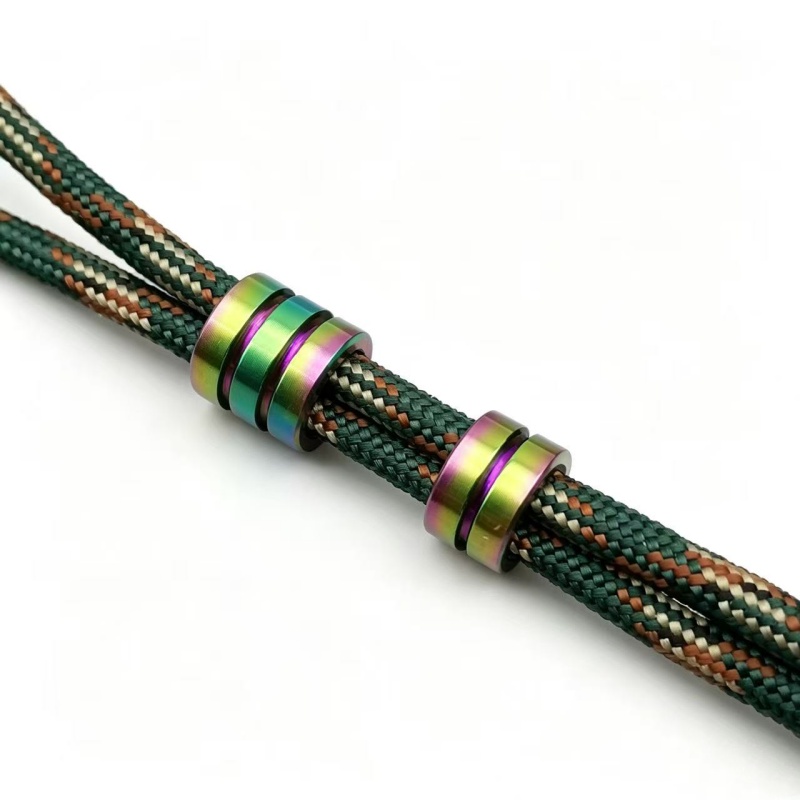
Custom Cylindrical Titanium Deep-Water Rigging Beads & Fasteners
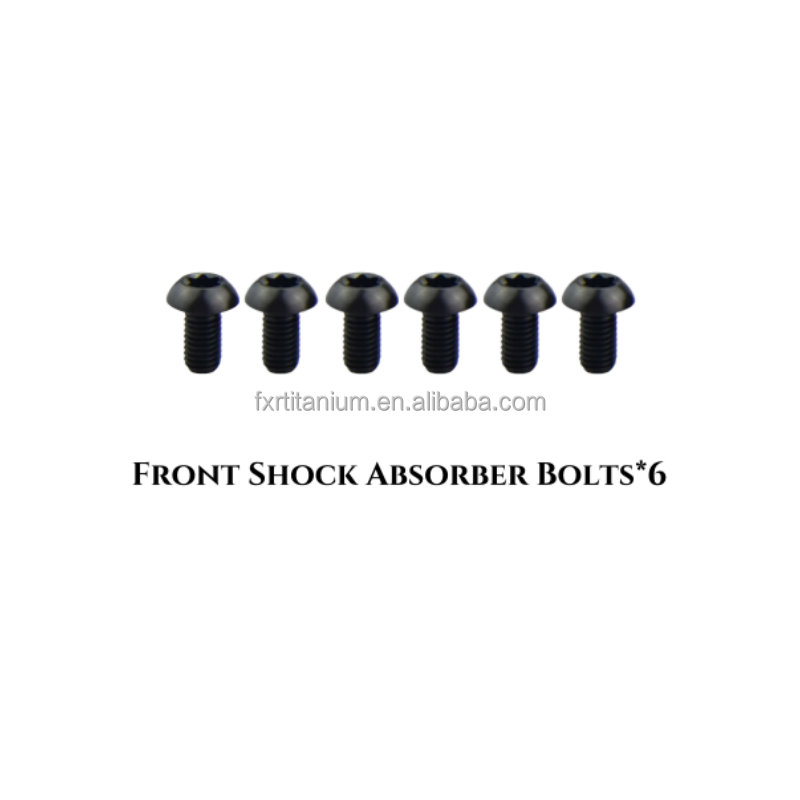
Dynamic Fatigue-Resistant Shock Absorber Titanium Studs (6-Piece Set)
Engineering Analysis: Titanium Threaded Rods in High-Corrosion Geothermal & Marine Operations
As the industrial sector across Kópavogur and the Southwestern Peninsula of Iceland accelerates investment in advanced geothermal extraction, intensive aquaculture, and coastal mechanical installations, traditional fastener materials face unprecedented catastrophic degradation. Standard austenitic stainless steels (such as AISI 304 and 316L) routinely succumb to Stress Corrosion Cracking (SCC) and localized pitting in environments charged with dissolved hydrogen sulfide (H2S), supercritical steam condensates, and icy North Atlantic sea sprays. Verqo designs, manufactures, and supplies continuous all-thread rods and custom double-end studs engineered from aerospace-grade Titanium Grade 5 (Ti-6Al-4V, UNS R56400) and commercially pure Titanium Grade 2 (UNS R50400) to deliver uncompromised mechanical reliability in the most severe Icelandic operational matrices.
1. The Passivation Kinetics of Titanium in Aggressive Icelandic Geothermal Media
The operational longevity of Verqo titanium threaded rods is anchored in the instantaneous formation of a tenacious, stoichiometric titanium dioxide (TiO2, rutile and anatase) passivation film. When mechanical assemblies in the Kópavogur industrial zone interface with geothermal fluids containing up to 350 mg/kg chloride concentrations and dynamic sulfur complexes at temperatures surpassing 180°C, austenitic steels suffer breakdown of their chromium-depleted surface boundaries. Titanium, conversely, demonstrates thermodynamic passivation stability across an expansive electrochemical potential spectrum from acidic (pH ≥ 2) to strongly alkaline conditions. The TiO2 protective barrier self-heals instantaneously within fractions of a millisecond upon localized mechanical abrasion, provided trace oxygen or aqueous moisture is present.
2. Mechanical Properties: Cold-Rolled Threads vs. Cut Threads
Thread fabrication methodology determines structural safety thresholds under cyclic dynamic loading. Verqo titanium threaded rods (spanning M2 through M26 metric pitches, up to UNC/UNF 1-1/2" imperial options) are manufactured predominantly utilizing advanced CNC thread-rolling dies rather than abrasive thread-cutting tools. Thread rolling causes uninterrupted grain boundary continuity along the root radii, imparting favorable compressive residual stresses. This mechanical burnishing process elevates cyclical fatigue endurance by up to 300% compared to conventional cut threads, virtually eliminating root micro-notches where hydrogen embrittlement or cyclic stress fatigue initiates during high-vibration geothermal pump cycling or harsh ocean wave agitation in Icelandic coastal harbors.
| Performance Parameter | Verqo GR5 (Ti-6Al-4V) | Verqo GR2 (CP Titanium) | Marine Stainless (316L) | Alloy Steel (Class 10.9) |
|---|---|---|---|---|
| Density (ρ) | 4.43 g/cm³ | 4.51 g/cm³ | 8.00 g/cm³ | 7.85 g/cm³ |
| Tensile Strength (Rm) | ≥ 895 – 1000 MPa | ≥ 345 – 480 MPa | ≥ 500 – 700 MPa | ≥ 1040 MPa |
| Yield Strength (Rp 0.2) | ≥ 828 MPa | ≥ 275 MPa | ≥ 220 MPa | ≥ 940 MPa |
| Modulus of Elasticity (E) | 110 – 114 GPa | 103 – 105 GPa | 193 GPa | 210 GPa |
| Chloride Stress Corrosion (SCC) | Immune up to 250°C | Immune up to 100°C | Susceptible > 60°C | Extreme Susceptibility |
| Thermal Expansion Coefficient | 8.6 × 10⁻⁶ / K | 8.6 × 10⁻⁶ / K | 16.5 × 10⁻⁶ / K | 11.2 × 10⁻⁶ / K |
3. Preventing Thread Galling in High-Preload Titanium Fastening
Due to titanium's low shear modulus and natural oxide friction coefficients, untreated bare mating threads are prone to cold galling under aggressive preload torque. For mechanical contractors in Kópavogur assembling heat exchangers, downhole wellheads, or subsea sensors, Verqo applies precision Physical Vapor Deposition (PVD) anti-friction coatings (such as Titanium Nitride - TiN, or Diamond-Like Carbon - DLC) or specialized dry-film molybdenum disulfide lubricants. Furthermore, we provide detailed tightening torque algorithms that account for thread friction modifiers, preventing over-yielding while ensuring rigid pretensioning throughout thermal excursions ranging from sub-zero Arctic freeze cycles down to -40°C up to active steam condensate temperatures.
Mission-Critical Applications Across the Kópavogur Industrial Ecosystem
Positioned as Iceland's second-largest municipality and a vital commercial hub bridging Reykjavík and the Reykjanes corridor, Kópavogur hosts sophisticated industries demanding zero-compromise fastening engineering.
Geothermal Turbines & District Heating
Kópavogur sits adjacent to intensive volcanic district heating grids. Our Grade 5 titanium threaded rods serve as non-corrosive tie-bars for plate heat exchangers, geothermal brine pumps, and steam control valve manifolds subject to aggressive non-condensable gas (NCG) streams containing CO2, CH4, and concentrated H2S.
High-Seas Marine & Modern Pelagic Trawlers
Marine engineering shops in Kópavogur maintain deep-sea fish processing lines and automated freezing trawlers. Grade 2 and Grade 5 threaded rods anchor marine hydraulic thrusters, fish processing factory decks, and hull penetrations where saline immersion and organic blood acids destroy conventional stainless steels.
Offshore Aquaculture & Smolt Facilities
Iceland's expanding recirculating aquaculture systems (RAS) and coastal salmon cages rely heavily on titanium all-thread rods for submerged pen linkages, structural brackets, ozone sanitation chambers, and saltwater pump intake screens that require indefinite service life without heavy metal leaching.
Arctic Arctic-Trucks & E-Mobility Conversions
Kópavogur is the national heart of specialized 4x4 glacier-touring vehicle modifications and rapid EV conversions. Our ultralight titanium threaded rods, suspension studs, and motor mounts slash unsprung mass by 43%, delivering maximum structural fatigue thresholds under dynamic sub-zero permafrost impacts.
Carbon Capture & Direct Air Mineralization
Pioneering carbon mineralisation initiatives located throughout the capital region capture atmospheric and geothermal carbon, dissolving it in acidic water for underground basalt injection. Verqo provides custom high-pressure titanium all-thread flange bolts able to withstand carbonic and sulfurous acid cocktails under deep injection pressures.
Coastal Architectural & Infrastructure Tie-Rods
Exposed to severe sub-arctic Atlantic salt fogs, public infrastructure and waterfront commercial facilities in Kópavogur specify titanium architectural tension rods and seismic anchoring hardware, eliminating structural maintenance cycles and preventing galvanic staining of architectural concrete.
Industrial Transformation Trends in Kópavogur & the Greater Capital Area
The industrial landscape in Kópavogur is moving rapidly toward high-value, green-tech engineering, advanced manufacturing, and climate-neutral marine biotechnologies. As municipal urban planning shifts legacy heavy industries away from residential zones toward specialized commercial tech clusters like Smárinn and the Dalvegur commercial corridor, procurement priorities for fastening hardware have transformed radically.
1. Decarbonization and Deep Geothermal Exploration
Iceland's pioneering deep-drilling projects and cascade geothermal systems operate at physical thresholds unachievable by conventional industrial centers. Wells tapping near-magma zones encounter fluids exceeding 300°C with aggressive chloride concentrations. Procurement professionals across Kópavogur are transitioning from duplex stainless steel (which experiences chloride embrittlement above 150°C) toward ASTM B348 Grade 5 titanium threaded rods for high-pressure control valves, casing heads, and heat recovery circuits. The total cost of ownership (TCO) advantage of titanium—which eliminates continuous overhaul downtime—has become a cornerstone metric for regional plant managers.
2. The Clean-Energy Electromobility & Custom Off-Road Boom
Kópavogur commands one of the highest per capita rates of electric vehicle adoption in Europe, paired with an internationally celebrated industry in modified extreme-weather off-road superjeeps engineered for traversing glaciers and the central volcanic highlands. These severe applications subject chassis linkages, battery enclosure tie-rods, and drivetrain assemblies to severe shock loads at -30°C. Designers require high-strength hardware that will not become notch-sensitive or fracture under cryogenic thermal shock. Grade 5 titanium maintains remarkable notch toughness (Charpy V-Notch ≥ 40 J) down to -196°C, offering decisive safety advantages over high-tensile carbon steels prone to low-temperature ductile-to-brittle transitions.
3. Circular Marine By-Product Biorefineries
Modern coastal processing facilities headquartered in the Greater Reykjavík area are maximizing pelagic catch utilization by converting marine enzymes, collagens, and lipids into pharmaceutical and cosmetic grade commodities. This biochemical refining process involves low-pH acidic digestions and saline extraction baths. To maintain pure product streams free from iron, copper, or nickel ion contamination, engineering teams specify commercially pure Grade 2 or alloyed Grade 5 titanium threaded rods, studs, and continuous all-thread assemblies for process vessel agitators, flange connections, and clean-in-place (CIP) pipelines.
Rooted in China's "Titanium Valley" – Serving Global OEM Buyers
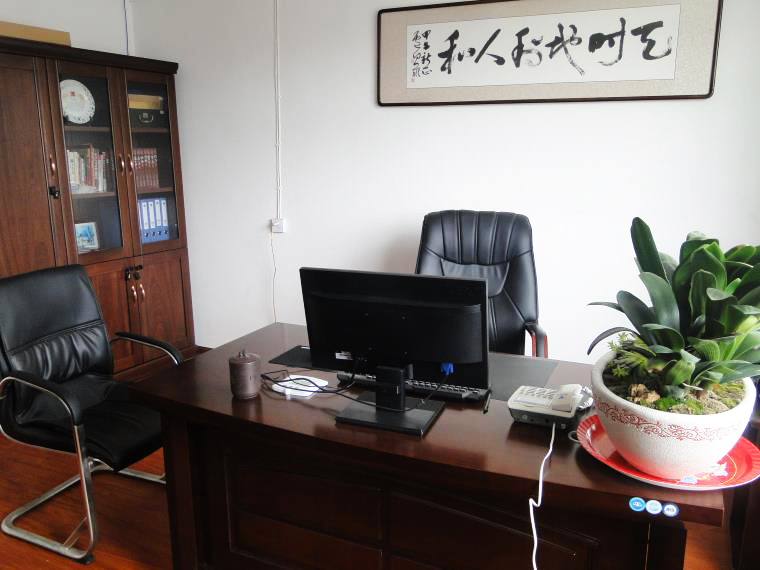
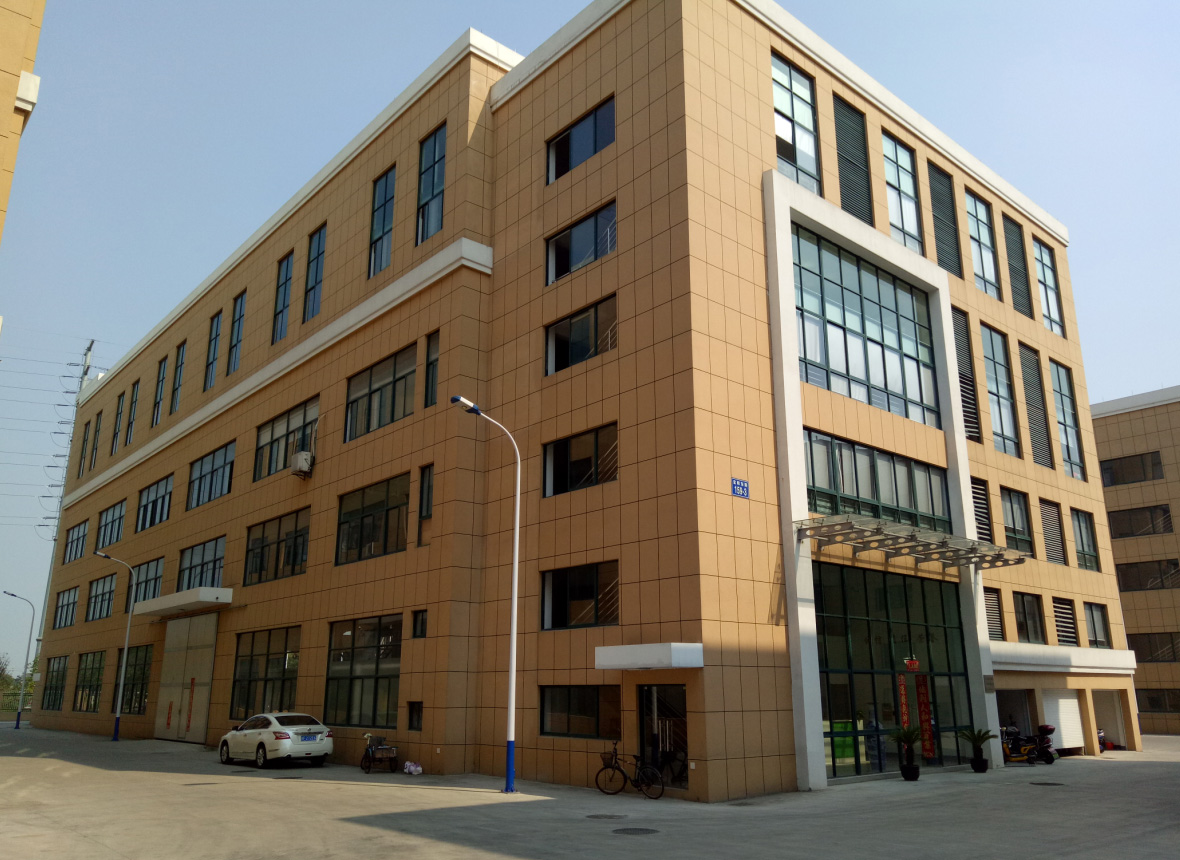
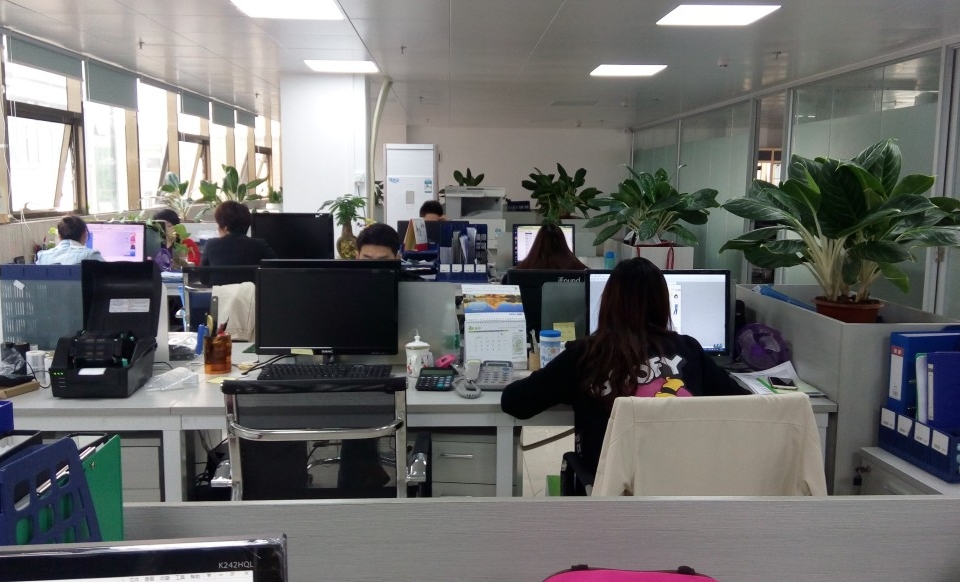
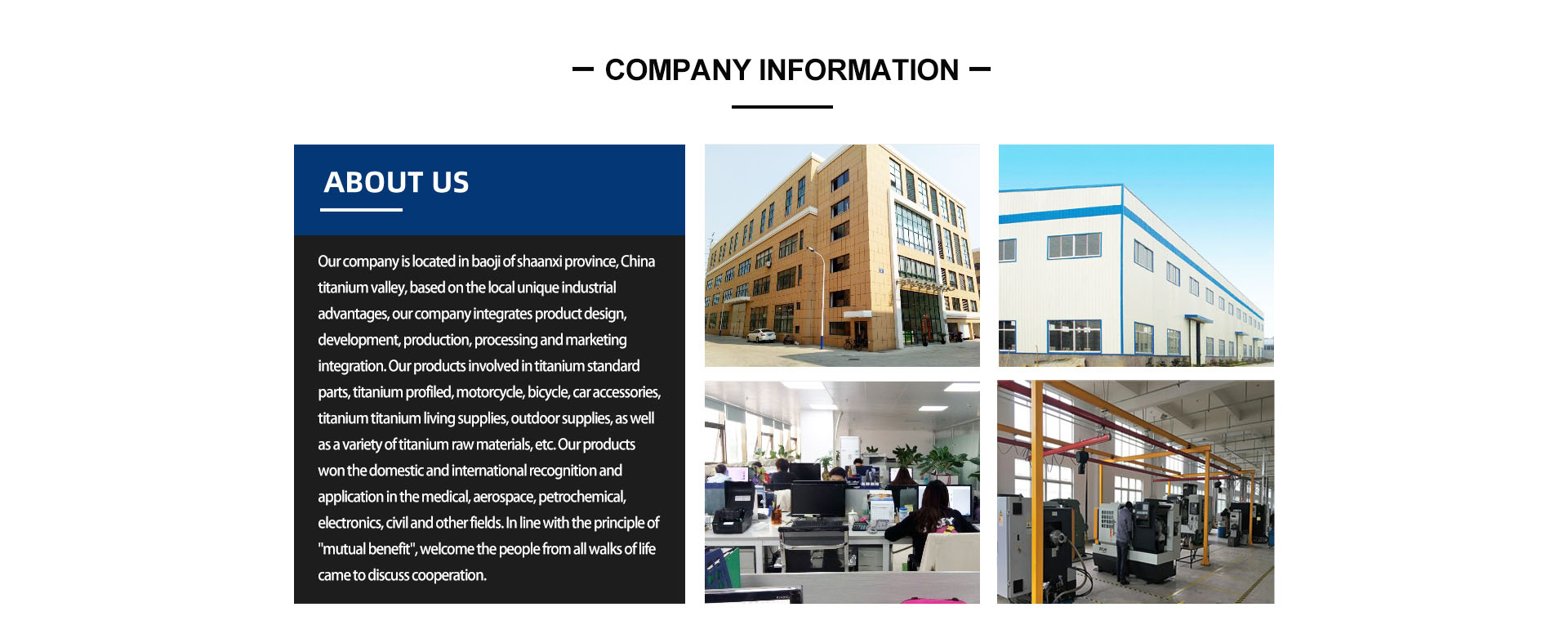
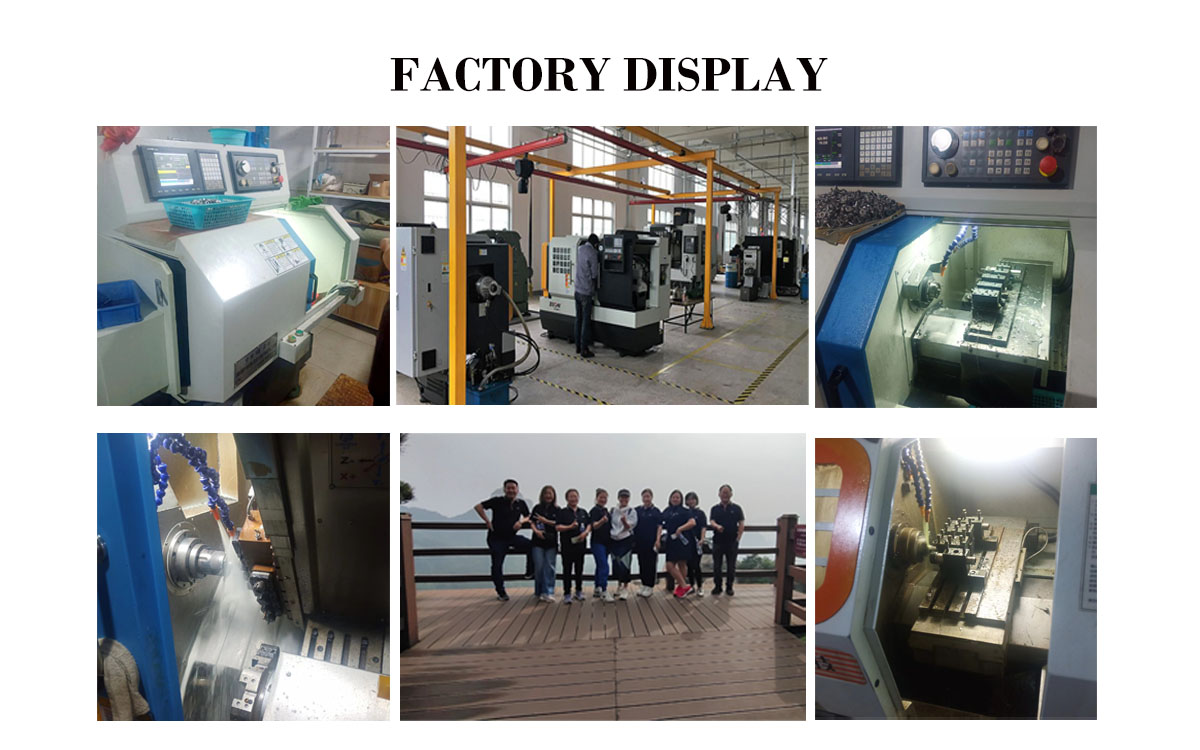
Verqo Titanium Products Co., Ltd., based in Baoji, Shaanxi, combines a 1,001–2,000 m² modern CNC machining workshop with over 10 years of OEM/ODM precision manufacturing experience. We supply ISO-compliant titanium bolts, nuts, studs, and custom threaded rods from M2 to M26 to demanding markets across North America, Scandinavia, and Northern Europe.
Factory-Direct Pricing & Flexible MOQs
Leveraging the Baoji raw material supply cluster, Verqo delivers factory-direct pricing without intermediary surcharges. Stock items start at just 10–20 pieces, while custom drawings start at only 50–100 pieces.
≤ 2-Hour Response Time & 98.6% Rate
Our technical engineering desk bridges the time-zone difference with Kópavogur and Europe seamlessly. Inquiries receive dedicated technical analysis and formal commercial quotes within 2 hours on business days.
Specialized Surface Treatments
Beyond classic micro-polished raw titanium, we provide hard PVD vacuum deposition (black, gold, iridescent oil-slick) and precision electrical anodizing to control friction, enhance wear resistance, and facilitate visual coding.

Frequently Asked Questions for Sourcing Titanium Fasteners in Iceland
Direct answers addressing technical standards, galvanic isolation, sub-arctic torque protocols, and logistics directly into Kópavogur and the Greater Reykjavík metropolitan port.
How do Titanium Grade 5 threaded rods perform against H₂S in geothermal wells?
Titanium Grade 5 (Ti-6Al-4V) exhibits virtually zero corrosion in wet hydrogen sulfide (H2S) and supercritical geothermal brines. Unlike high-strength nickel-chromium alloys and austenitic steels, titanium is immune to sulfide stress corrosion cracking (SSCC) at typical operational geothermal temperatures, offering indefinite operational lifespan.
What is the risk of galvanic corrosion when mating titanium to aluminum or steel?
Because titanium is noble on the galvanic chart, direct contact with less noble metals (such as aluminum marine structures or structural carbon steel) in conductive North Atlantic seawater will accelerate corrosion of the base metal. We recommend isolating connections using glass-reinforced epoxy (GRE) washers, PTFE isolation sleeves, or specialized non-conductive ceramic barrier shims.
Can you provide custom cut lengths, non-standard pitches, or imperial threads?
Yes. We manufacture full-thread continuous rods conforming to DIN 976, studs per DIN 938/939, and custom lengths from 20 mm up to 3,000 mm. We supply metric standard and fine pitches (e.g., M10×1.25, M12×1.25/1.5, M14×1.5) as well as UNC/UNF/UNEF imperial dimensions to customer drawings.
What documentation and quality certifications accompany each shipment?
Every delivery includes comprehensive Material Test Reports (MTR) confirming chemical and mechanical compliance per EN 10204 3.1. We verify ingot melt numbers, mechanical tensile and yield curves, dimensional inspection reports, and optional ultrasonic non-destructive testing (NDT) records.
What is the typical shipping lead time to Kópavogur and Reykjavík ports?
For urgent engineering requirements, express air shipments (via DHL, FedEx, or air freight forwarders directly to Keflavík International Airport) typically arrive within 4–7 business days following manufacturing dispatch. Consolidated sea freight to Reykjavík Harbor is coordinated for large-volume industrial replenishment orders.
What are the recommended tightening torques for Grade 5 titanium rods?
Because titanium has an elastic modulus of approximately 110 GPa (roughly half that of steel), it elongates twice as much under an equivalent tensile strain. We provide customized torque calculators factoring in lubricant friction coefficients (μ ≈ 0.10–0.14 with anti-seize paste), ensuring high clamp retention without plastic deformation.
Accelerate Your Project with Certified Titanium Fasteners
Whether you require prototype sample rods for testing in geothermal condensates or high-volume series production of custom Grade 5 studs for marine assemblies, our engineering staff is available to assist your bill of materials (BOM).