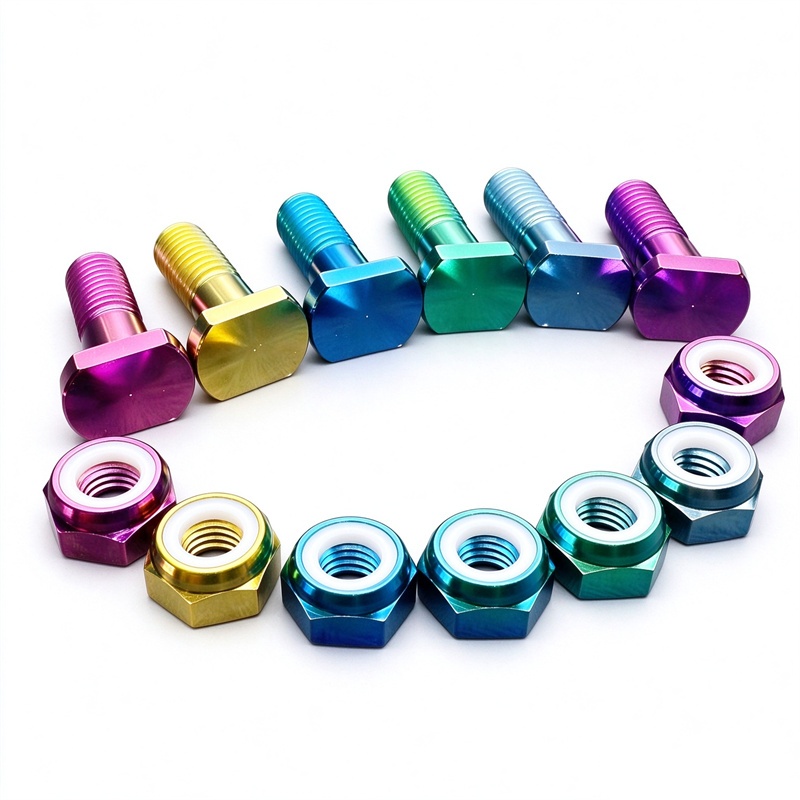
Engineered Fastener Inventory
Precision GR5 Titanium Wheel Studs, Fasteners & Machined Components
Manufactured using aerospace-grade Ti-6Al-4V bar stock with rolled threads, exceptional tensile strength, and multi-stage marine-spec surface treatments.
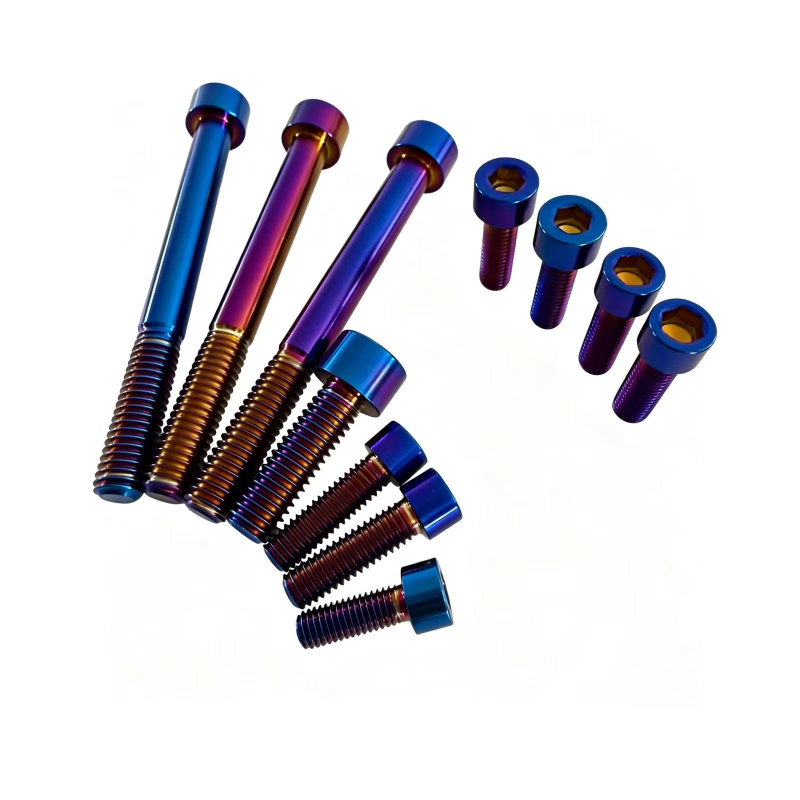
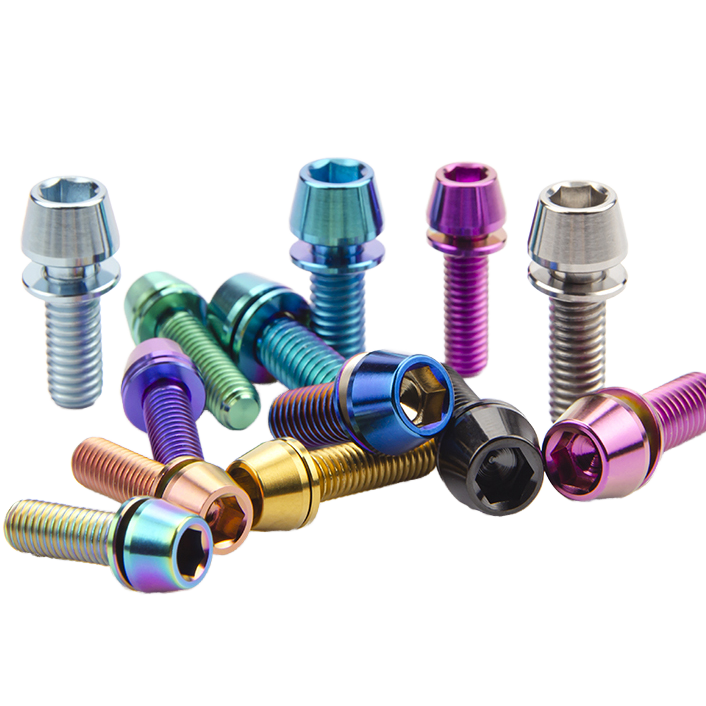
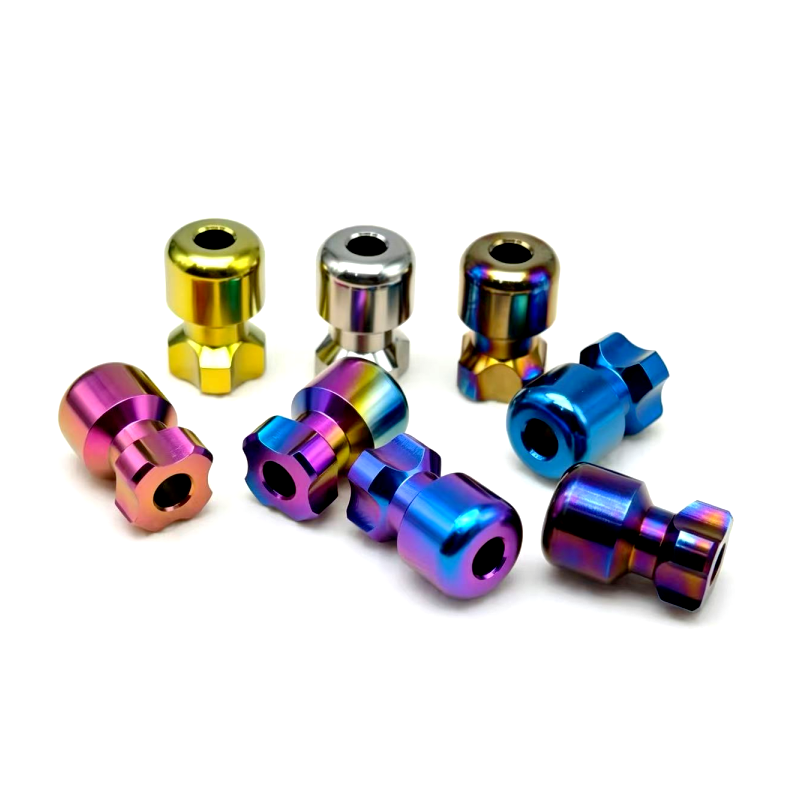
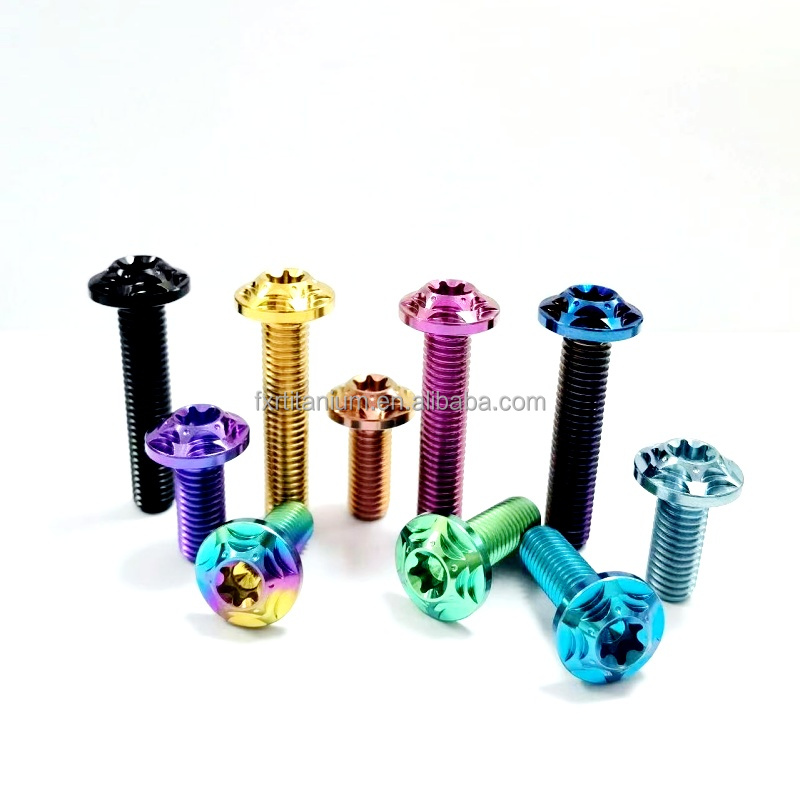
10+
Years Precision OEM/ODM
M2–M26
Metric & UNF Thread Capability
895+ MPa
Tensile Yield Strength (Ti-6Al-4V)
43%
Unsprung Mass Reduction vs Steel
Engineering Excellence for Black Sea Operating Environments: Titanium Fasteners in Burgas
Burgas stands as the logistics powerhouse and critical industrial littoral center of Bulgaria, anchoring the largest port on the Black Sea (Port of Burgas) and housing expansive logistics zones, oil refining complexes, and an ever-expanding regional automotive, off-road racing, and marine refit sector. As the strategic node connecting Southeast European supply chains to Eurasian maritime routes, the commercial and engineering ecosystem in Burgas demands industrial fasteners that can withstand harsh maritime salt-fog exposure while delivering uncompromised structural reliability under high cyclic loading.
For fleet maintenance engineers, automotive chassis tuners, commercial shipyards, and aftermarket distributors operating within the Burgas industrial corridor (including Industrial and Logistics Park Burgas - ILPB), standard zinc-coated carbon steel and stainless steel grade fasteners frequently present operational vulnerabilities. Atmospheric salinity from the Bay of Burgas catalyzes galvanic degradation in steel lug hardware, leading to thread seizing, galling under dynamic brake-rotor thermal cycles, and micro-fissuring. Verqo Titanium Products Co., Ltd., based in China's Titanium Valley (Baoji), bridges this technical vulnerability by engineering Grade 5 (Ti-6Al-4V) titanium wheel studs, nuts, and CNC hardware precisely configured for high-stress, corrosive operating environments.
Metallurgical Comparison: GR5 Titanium Alloy vs. Grade 10.9 Fastener Steel
When selecting wheel studs and wheel hub hardware for racing, track applications, or littoral logistics machinery, selecting the proper alloy determines not just longevity, but catastrophic fatigue prevention. Grade 5 titanium (composed of 6% aluminum, 4% vanadium, and balance titanium) maintains a microstructure that combines alpha and beta phases, granting a strength-to-weight ratio virtually unattainable by conventional carbon steels.
| Mechanical Property | Verqo GR5 (Ti-6Al-4V) | Class 10.9 Alloy Steel | Class 12.9 High-Tensile | A2-70 Stainless Steel |
|---|---|---|---|---|
| Density (g/cm³) | 4.43 (-43% reduction) | 7.85 | 7.85 | 7.90 |
| Tensile Strength (MPa) | 895 – 1,050 | 1,040 | 1,220 | 700 |
| Yield Strength (0.2% Offset, MPa) | 828 – 950 | 940 | 1,100 | 450 |
| Black Sea Salt-Fog Resistance | Permanent Immunity (TiO₂ Passive) | Pitting within 240-480 hrs | Severe Pitting / Embrittlement | Vulnerable to Crevice Attack |
| Thermal Expansion (10⁻⁶/K) | 8.6 (High stability) | 12.2 | 12.5 | 16.0 |
| Thread Forming Methodology | Hot Forged & CNC Rolled | Cold Forged / Cut | Cold Forged / Cut | Cut / Rolled |
Localized Engineering Applications in the Burgas Commercial Sector
Verqo’s specialized titanium wheel studs and structural bolts are deployed across several demanding localized verticals in and around Burgas:
1. Performance Track & Off-Road Rally Racing: Motorsport teams throughout Burgas, Sliven, and Stara Zagora prioritize unsprung weight elimination. Rotating unsprung mass significantly influences damper response and wheel inertia. Switching from carbon steel wheel studs and lug nuts to Verqo Grade 5 titanium shaves roughly 1.1 to 1.8 kilograms of rotating weight per vehicle axle, enabling quicker suspension reaction times over broken tarmac and gravel courses while resisting extreme brake-rotor thermal dissipation (often exceeding 600°C) without thread relaxation.
2. Coastal Logistics & Heavy Transporter Fleets: Commercial trailers and transport chassis operating at the Port of Burgas, handling sea freight containers, operate continually in high-moisture, brackish marine environments. Wheel studs and brake caliper anchor hardware routinely seize from saline encrustation. Verqo’s Grade 5 studs eliminate seized hardware downtime entirely, featuring rolled threads that resist stress-corrosion cracking.
3. High-End Marine & Yacht Trailer Running Gear: The vibrant yachting and recreational boat culture in Burgas Marina and nearby Sozopol, Nesebar, and Pomorie relies heavily on boat trailers submerged directly into saltwater. Verqo titanium wheel studs and sealed hub lug nuts eradicate hub thread seizure, eliminating sheared studs during roadside maintenance.
Development Trends in Southeast Bulgaria's Automotive & Modern Engineering Landscape
The industrial footprint of Burgas is rapidly modernizing. With the municipality’s targeted focus on expanding high-tech light manufacturing in the North Industrial Zone and Southern Industrial Zone, local companies are shifting away from low-durability legacy parts to precision-engineered alloy components. Concurrently, the regional rise in high-voltage electric vehicles (such as performance EV platforms and electric dirt bikes like Surron Ultra Bee and Talaria) demands higher strength-to-weight hardware. Electric drivetrains impart immense instant torque through the wheel hubs. Fasteners must deliver substantial shear strength with minimum gross vehicle mass to preserve battery efficiency. Precision-machined titanium hardware from Baoji directly addresses this dual demand for weight savings and high shear endurance.
Technical Manufacturing Standards & Thread Integrity Assurance
At Verqo Titanium Products Co., Ltd., we apply strict ISO-aligned manufacturing controls to every batch destined for export to Bulgaria and European Union hubs:
Rolled vs. Cut Threads: Rather than using single-point cutting that severs the internal grain structure of the titanium alloy, our wheel studs utilize high-pressure thread rolling dies. This cold-working process compresses the grain along the thread contours, enhancing surface fatigue limits by up to 35% and drastically reducing root-radius stress concentrations under rotational shear.
Anti-Galling Physical Vapor Deposition (PVD): A common query among automotive mechanics in Burgas relates to galling during repeated high-torque pneumatic wrench use. Verqo utilizes aerospace-standard vacuum PVD coating to apply micro-thin titanium nitride (TiN) or carbon-doped DLC layers. This imparts a surface hardness reaching 2,500 HV, preventing mechanical cold welding and ensuring repeatable torque-tension relationships.
Factory Advantage
Why European Procurement Officers Partner with Verqo
Direct sourcing from China's premier titanium manufacturing cluster, combined with export agility tailored for European logistics.
Baoji Raw Material Origin
Situated in China's Titanium Valley, we source certified titanium sponge and melt stock, complete with mill test certificates (MTC) matching EN 10204 3.1 standards.
Precision Multi-Axis CNC Turning
1,001–2,000 m² workshop equipped with Swiss-type CNC automatic lathes and 5-axis machining centers ensuring tight tolerances (±0.01 mm) on complex knurling and threads.
100% Quality Inspection Protocol
Optical profile projectors, thread pitch gauges, coordinate measuring machines (CMM), and eddy current crack testing protect each batch before packaging.
Custom Finishes & Laser Marking
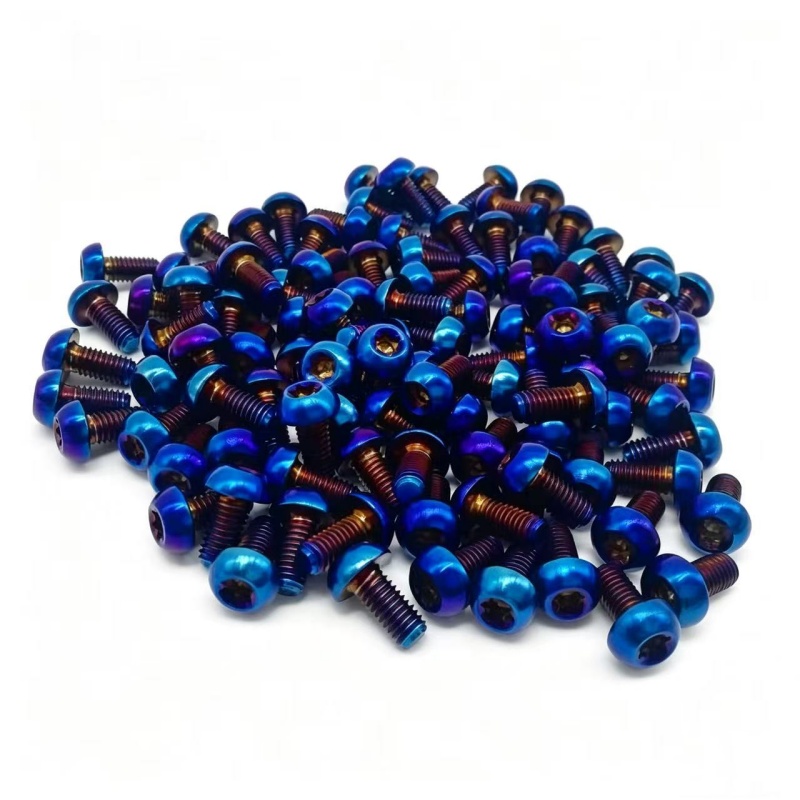
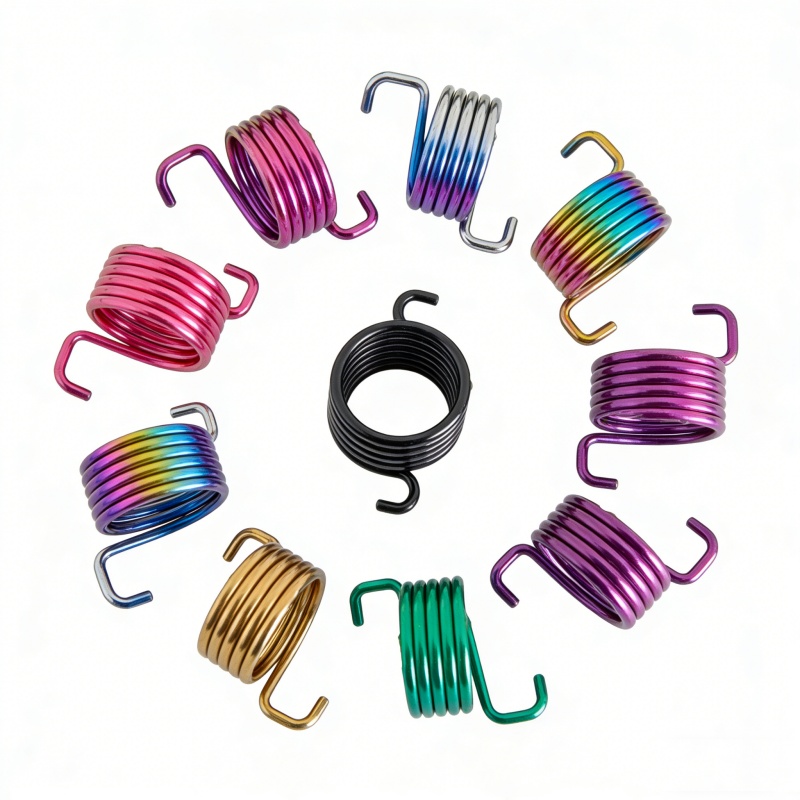
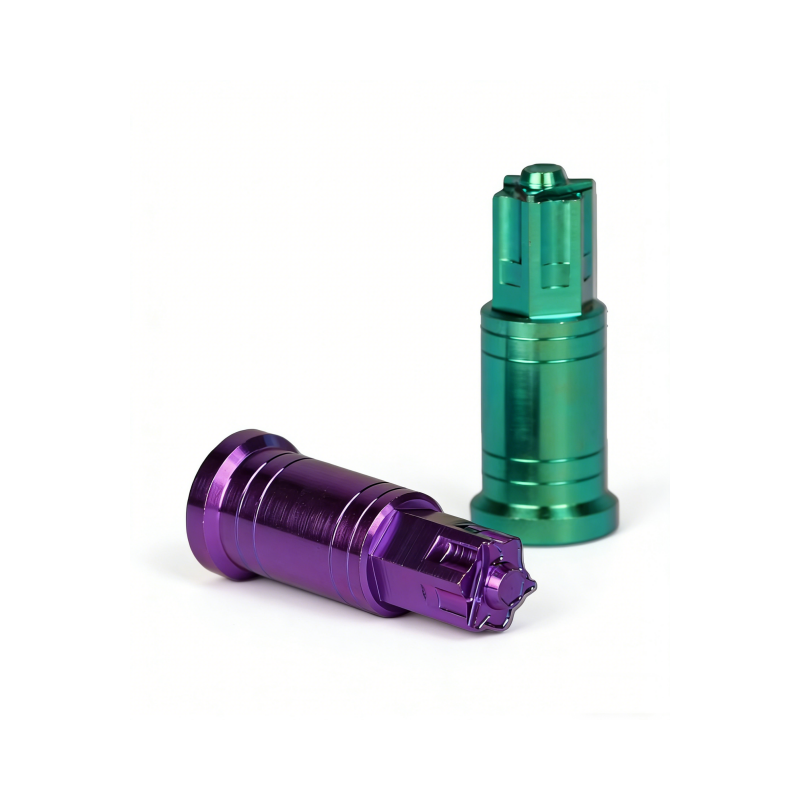
Available in vacuum PVD black, neo-chrome rainbow, burnt blue, and electro-chemical anodized gold/blue, complete with custom logo laser engraving.
Flexible Low MOQ & Rapid Dispatch
In-stock catalog bolts available with minimum orders as low as 10–20 pieces; customized drawings prototyped and shipped quickly via air or consolidated maritime sea freight.
Under 2-Hour Response Time
Our dedicated engineering sales team operates across global time zones, ensuring technical consultation and commercial quotations within 2 hours of inquiry submission.
Procurement Insights
Frequently Asked Questions: Sourcing Titanium Fasteners in Burgas
Direct technical answers addressing customs clearance, metallurgical suitability, installation procedures, and freight consolidation.
What customs HS code and EU import procedures apply to Burgas orders?
Our titanium wheel studs and fasteners ship under HS Code 8108.90 (Articles of Titanium). For clients receiving shipments through Port of Burgas or via Sofia/Burgas Airport courier hubs, we provide full commercial invoices, packing lists, Certificate of Origin (COO), and EN 10204 3.1 Mill Test Certificates to ensure straightforward customs clearance through Bulgarian National Customs Agency inspection points.
How do titanium studs prevent galling when mounted to aluminum wheel hubs?
Direct interface between titanium and aluminum can create galvanic friction during high-torque dry assembly. We recommend using a quality copper-free or molybdenum-disulfide anti-seize paste, or selecting our PVD-coated studs, which provide a low-friction ceramic barrier layer that guarantees consistent clamping loads without thread pickup.
Can you produce custom pitch variations for European, Japanese, and American hubs?
Yes. We manufacture M12x1.25, M12x1.5, M14x1.25, and M14x1.5 metric automotive threads, as well as 1/2"-20 and 5/8"-18 UNF patterns for racing hubs. Length extensions (e.g., 65mm, 75mm, 85mm bullet-nose racing studs) can be produced directly from your CAD drawing or physical sample.
Are titanium studs permitted in Bulgarian and European competitive track racing?
Yes. Grade 5 (Ti-6Al-4V) rolled-thread studs comply with international motorsport regulations, provided they fulfill the required yield tensile criteria equivalent to Class 10.9 steel. Tensile proof load reports accompany every production batch for team verification.
What is the delivery timeline for orders dispatched to Burgas?
For standard stocked hardware, items dispatch within 48 hours, reaching Burgas via express air freight (DHL/FedEx/UPS) within 4 to 7 business days. High-volume container orders ship via sea transit directly to Port of Burgas terminals, with typical sailing transit times ranging from 28 to 35 days.
What payment terms are supported for Bulgarian business buyers?
We support Telegraphic Transfer (T/T), Letter of Credit (L/C) for commercial procurement containers, and PayPal for sample batches and engineering prototypes.
Ready to Upgrade Your Fastener Supply Chain in Burgas?
Connect directly with our engineering department in Baoji. Receive CAD confirmation, material validation sheets, and competitive direct factory pricing within two hours.
Get Catalog