Engineered Titanium Hardware Series Available for Norway
Precision-machined fasteners, hydraulic fittings, and lightweight racing hardware fabricated from aerospace-grade Grade 5 (Ti-6Al-4V) titanium bar stock. Built to strict ISO, DIN, and custom OEM drawings for Oslo's demanding industries.
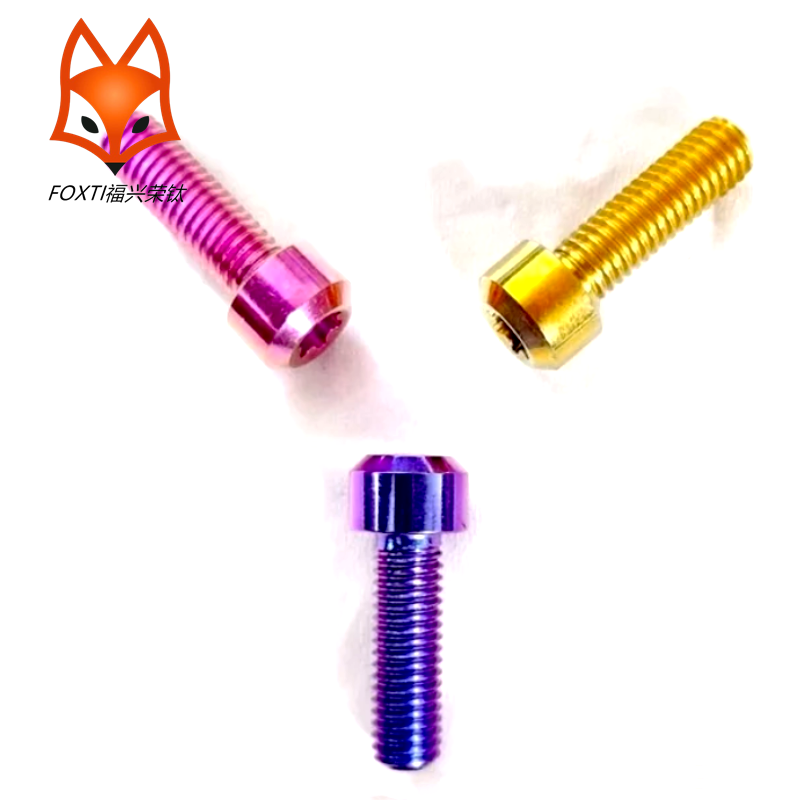
Factory Customized SHSC Head Small Modification Bolts ISO GR5
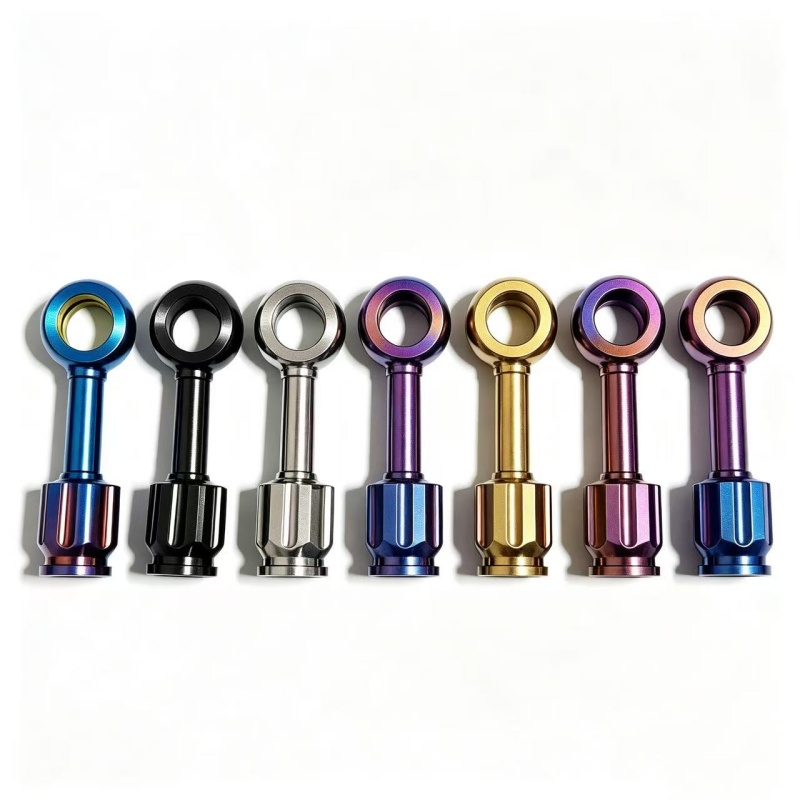
FOXTI Custom Titanium Alloy AN3 Hydraulic Hose Crimp Connector
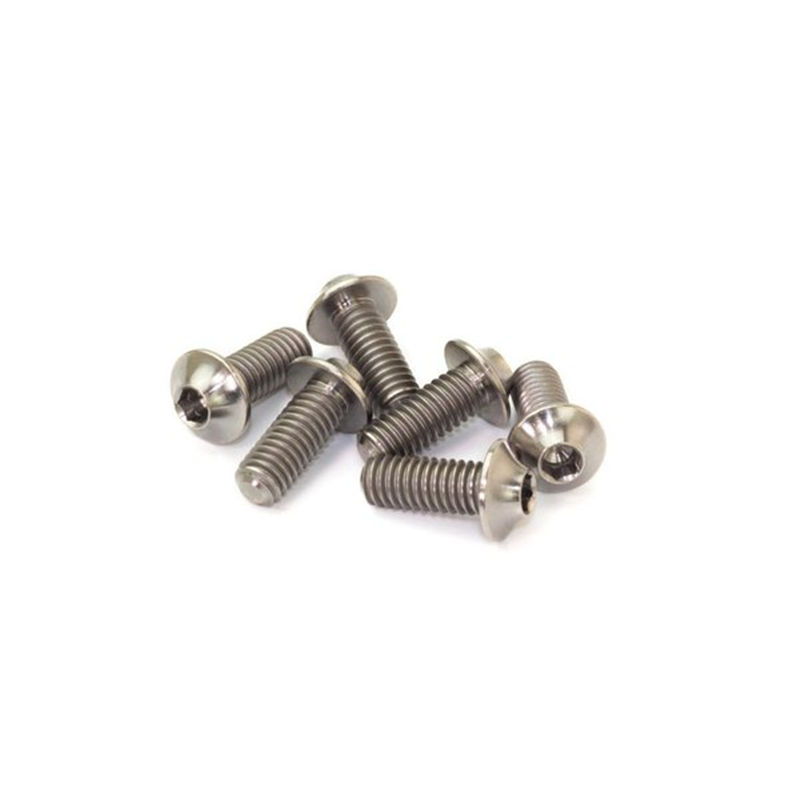
FOXTI LS496 Metric M3 UFO Cone Head Titanium Screw Aircraft Series
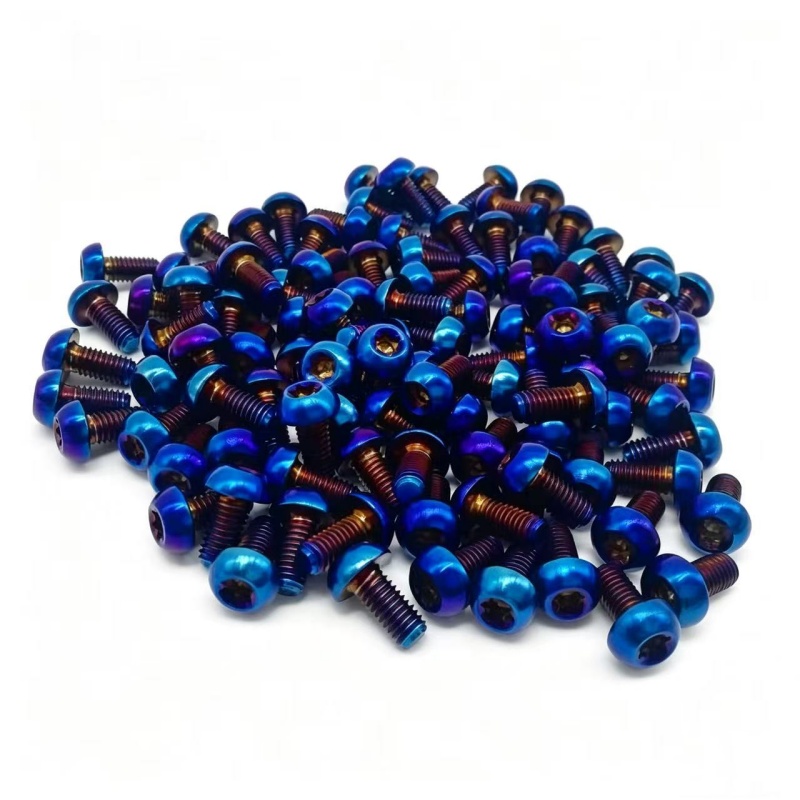
Button Socket Head Titanium Bolts Burnt Blue Lightweight Surron/Talaria
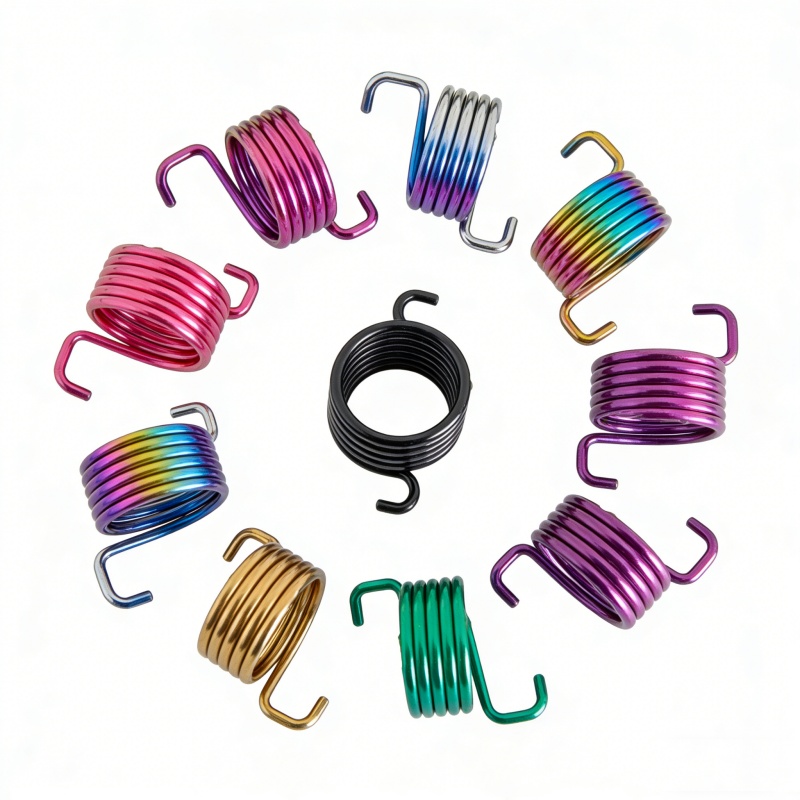
Custom Colorful Titanium Coil Footpeg Torsion Spring 25 lb Load
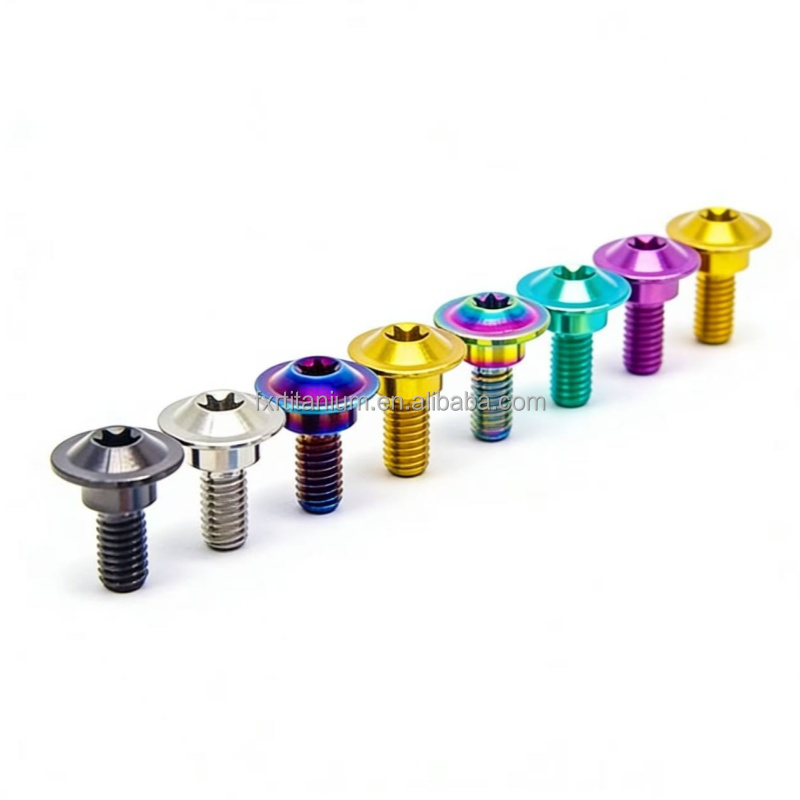
Anodized M5 M6 Disc Head Step Titanium Alloy Windshield Screws
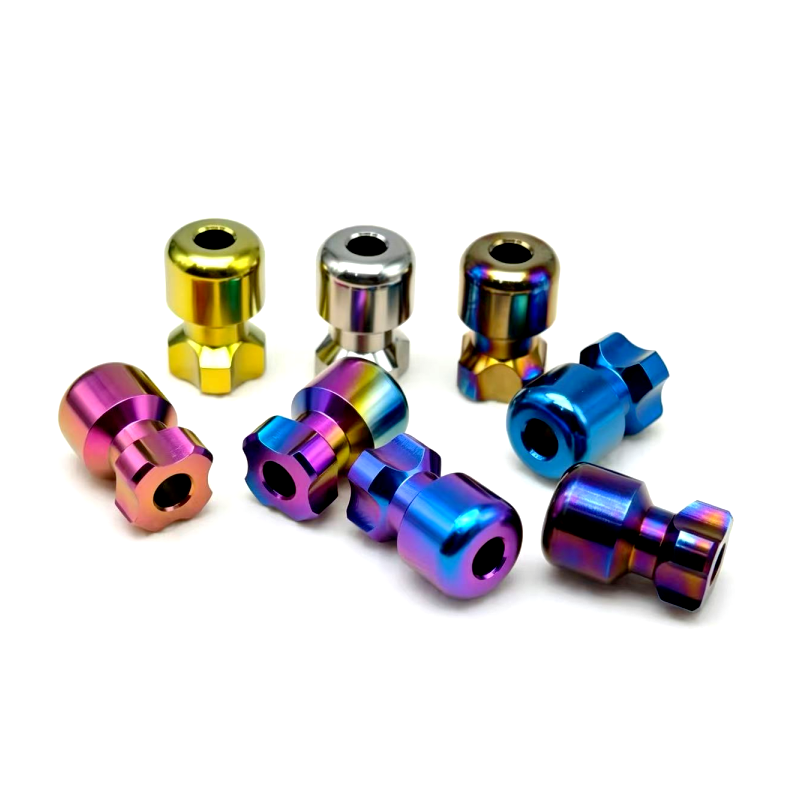
FOXTI Torpedo-Shaped EDC Lanyard Beads Gr5 PVD Vacuum Coated
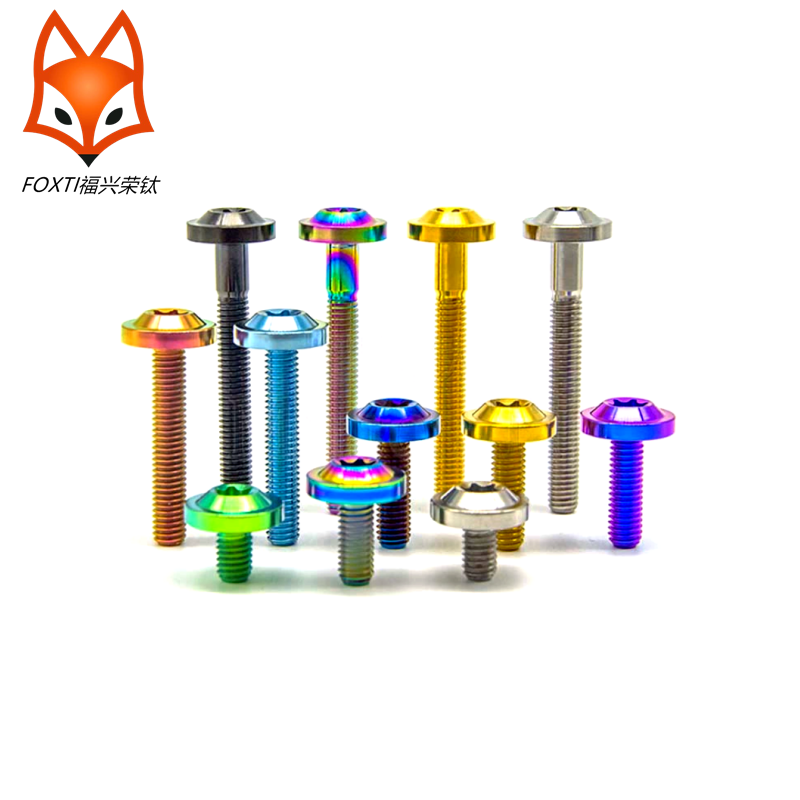
Grade 5 Titanium Disc Torx Head Full Hardware Set M6 M8 M10
The Engineering Dynamics of Hollow Titanium Fasteners in Nordic Environments
In high-performance structural and mechanical engineering, hollow titanium bolts (also known as gun-drilled or bore-through titanium fasteners) represent the pinnacle of strength-to-weight optimization. While conventional solid titanium bolts already provide an approximate 43% weight saving over Grade 10.9 alloy steel, boring an engineered longitudinal channel through the neutral structural axis removes material that contributes minimally to tensile or torsional resistance while unlocking dramatic mass reductions of up to 50% to 55%.
For Oslo's industrial, subsea, and e-mobility engineering sectors, hollow fasteners serve two primary functional topologies:
1. Pure Rotational & Unsprung Mass Elimination: In fast-accelerating rotating assemblies—such as high-torque electric marine drives on the Oslofjord, competitive cross-country cycling hubs, and precision robotic gimbals—removing mass from the perimeter and central pivot reduces inertial moments ($I = mr^2$). Hollow GR5 bolts ensure rapid dynamic response without compromising fastener pre-load or clamping tension.
2. Fluid Transfer & Sensor Telemetry Integration (Dual-Function Fastening): Modern electric vehicle platforms and autonomous offshore submersibles operating along the Norwegian coastline increasingly require integrated routing. A hollow titanium bolt frequently acts as a high-pressure banjo fluid conduit, an internal brake line bolt, or an internal sensor pass-through (accommodating thermocouple wiring or fiber-optic stress transducers) directly inside the structural joint.
Empirical Metallurgy: Titanium GR5 vs. Conventional Fastener Alloys
Evaluating chemical stability, sub-zero impact toughness, and marine electrolyte performance in Norwegian operating environments.
| Material Metric | Verqo Titanium GR5 (Ti-6Al-4V) | AISI 316L Stainless Steel | High-Tensile Alloy Steel 10.9 |
|---|---|---|---|
| Mass Density ($\rho$) | 4.43 g/cm³ (Ultralight) | 7.98 g/cm³ (+80% heavier) | 7.85 g/cm³ (+77% heavier) |
| Ultimate Tensile Strength ($R_m$) | ≥ 895 – 1000 MPa | 500 – 700 MPa | 1000 – 1040 MPa |
| Yield Strength ($R_{p0.2}$) | ≥ 828 MPa | 220 – 300 MPa | 900 – 940 MPa |
| Sub-Zero Impact Energy (-40°C Charpy) | ≥ 40 J (No ductile-brittle shift) | ≥ 60 J | ≤ 20 J (Susceptible to cold brittleness) |
| Chloride Pitting Resistance (PREN) | Immune ($TiO_2$ Passivation) | PREN ~23 – 25 (Vulnerable to crevice attack) | Zero (Requires heavy galvanizing) |
| Magnetic Permeability ($\mu_r$) | 1.00005 (Strictly Non-Magnetic) | 1.008 (Slightly magnetic when worked) | Ferromagnetic (> 100) |
| Thread Fabrication Methodology | Precision CNC Turned + Cold Thread Rolled | Cut or Rolled | Cold Rolled |
Where Hollow Titanium Bolts Excel Across Greater Oslo & Norway
From the marine hubs along the Skagerrak to the winter alpine corridors of Akershus, discover how specialized titanium hardware solves systemic cold-climate and salt-corrosion dilemmas.
Oslofjord Electric Ferries & Maritime Green Transport
Norway leads the globe in maritime electrification, notably visible in the zero-emission passenger ferries traversing the inner Oslofjord between Aker Brygge and Nesodden. Marine propulsion modules and battery enclosure cooling jackets operate in salt-laden brackish atmospheres. Verqo hollow titanium bolts provide fluid junction pathways for non-conductive dielectric coolants, delivering absolute immunity to chloride stress-corrosion cracking while eliminating parasitic structural deadweight.
EV Conversions & Ultra-Lightweight Fleet Tuning
Oslo has the highest density of battery electric vehicles (EVs) per capita globally. Automotive performance specialists and boutique tuning garages throughout Økern, Alna, and Asker substitute heavy standard chassis hardware with our Grade 5 hollow bolts. In suspension uprights, brake rotor hats, and motor subframes, reducing un-sprung mass significantly improves steering fidelity and wheel contact efficiency over rugged winter road surfaces.
Subsea Robotics & Marine Aquaculture Autonomy
Oslo and Kongsberg engineering corridors are renowned worldwide for autonomous underwater vehicles (AUVs) and robotic inspection systems for deep-water offshore installations and salmon farm monitoring. Hollow titanium bolts act as watertight cable-gland penetrations, hydraulic release actuators, and structural fasteners capable of withstanding continuous submersion under extreme hydrostatic pressure without galvanic degradation.
Emerging Procurement Trends Shaping Norway's Fastener Market
Understanding the strict regulatory frameworks, sustainability mandates, and technical shifts impacting Oslo's B2B supply chain.
Aggressive Zero-Emission Mandates
Oslo's municipal climate targets dictate near-total decarbonization of public transit, construction machinery, and harbor traffic. To offset massive battery pack weights, structural lightweighting is no longer optional—it is a procurement requirement for OEM contractors.
Extreme Winter Salt De-icing Chemical Attack
Norwegian transport authorities utilize aggressive aqueous magnesium chloride ($MgCl_2$) and calcium chloride blends across E6 and E18 motorways. Standard zinc-plated or galvanized steel bolts suffer rapid galvanic and hydrogen-induced cracking, prompting a shift to Ti-6Al-4V fasteners.
Full Metallurgical Traceability (EN 10204 3.1)
Norwegian engineering bureaus increasingly demand mill test certificates (MTCs) verifying chemical ingot source, vacuum-arc remelting history, ultrasonic porosity screening, and strict limit thresholds for interstitial gas impurities (O, N, H, C, Fe).
Lifecycle Cost Accounting (LCC)
While upfront procurement costs for titanium exceed standard steel, Oslo industrial operators base purchasing decisions on 25-year lifecycle models. Zero rust, zero re-coating, zero downtime, and lifetime reusability yield profound net savings over the lifecycle of assets.
Why Global Engineers & Nordic Buyers Partner with Verqo
Headquartered in Baoji, Shaanxi Province—internationally recognized as "China's Titanium Valley"—Verqo Titanium Products Co., Ltd. operates at the center of the world's most concentrated titanium supply chain ecosystem.
Since 2015, we have combined raw material smelting selection, ultra-high-precision multi-axis CNC machining, specialized gun-drilling, surface anodizing, and PVD vacuum coating under one vertically integrated quality management system.
- 10+ Years Dedicated OEM/ODM Expertise: Custom metric sizing from M2 to M26, fine pitch variations (M10×1.25, M12×1.25/1.5), and imperial UNC/UNF racing threads.
- Rapid Response Protocol (≤ 2 Hours): Dedicated engineering staff bridging the CET/UTC+1 time difference to deliver quotations, CAD review, and DFM feedback promptly.
- Comprehensive Anti-Galling & Torque Support: We supply precision friction coefficient tables, thread paste specifications, and calibrated tightening torque formulas for every hollow bolt profile.
- Flexible Nordic MOQs & Rapid Air Logistics: Standard stock available with MOQs as low as 10–20 pieces; rapid prototyping shipped via DHL/FedEx door-to-door to Oslo within 4–6 business days.

Frequently Asked Questions on Importing Titanium Fasteners to Oslo
Direct technical and logistical answers addressing customs clearance, metallurgical testing, galvanic compatibility, and arctic temperatures.
Does boring a central hole compromise bolt tensile safety?
When properly engineered through the neutral axis, the material removed is subjected to minimal tensile stress compared to the outer thread root radius. By maintaining adequate wall thickness ratio ($D_{bore} \le 0.4 \times D_{major}$), our hollow GR5 bolts retain over 88% to 92% of original solid bolt proof clamping loads while yielding superior fatigue endurance under cyclic vibration.
How do you prevent galling (cold-welding) during installation?
Titanium has a natural affinity to micro-weld against other metals under extreme contact pressures. We roll threads rather than cutting them to ensure ultra-smooth surface finishes ($Ra \le 0.4 \mu m$). For installation, we specify synthetic anti-seize pastes (such as MoS2 or nickel-based lubricants) or provide our factory PVD vacuum coatings (DLC, Nitride), which completely prevent galling under rated pre-loads.
What documentation is provided for Norwegian customs and quality audits?
Every export shipment to Norway includes full documentation complying with Norwegian Tollvesenet customs regulations. We supply commercial invoices, packing lists, and certified EN 10204 3.1 Mill Test Certificates disclosing exact chemical composition (C, Fe, N, O, H, Ti, Al, V) and mechanical test data (tensile, yield, elongation).
How do Verqo titanium bolts withstand Oslo's sub-zero winters?
Unlike carbon and ferritic steels, which experience a severe Ductile-to-Brittle Transition (DBTT) at temperatures below 0°C, Ti-6Al-4V Grade 5 maintains its face-centered close-packed hexagonal lattice stability down to cryogenic levels (-196°C). Impact toughness, notch ductility, and yield strength remain exceptional during Scandinavian sub-zero operations (-40°C).
Can hollow titanium bolts be coupled with carbon fiber or aluminum?
Yes. Titanium is galvanically noble and does not cause galvanic degradation when directly interfaced with carbon fiber reinforced polymers (CFRP), unlike standard steel. When interfacing with 6000 or 7000-series aluminum in marine environments, we recommend our specialized PVD barrier coating or isolating washers to prevent sacrificial anode oxidation of the aluminum.
What are typical air freight lead times and shipping terms to Oslo?
For ready-to-ship stock items, orders depart within 24–48 hours. Custom CNC manufactured hollow bolts typically require 12–18 working days from CAD sign-off. Shipments are dispatched directly from our Baoji factory via express air freight (DHL, FedEx, UPS) arriving at Oslo Airport Gardermoen (OSL) in 4–6 business days under DAP or DDP terms.