Featured Titanium Tapered & Race-Spec Fasteners
Explore our precision CNC cold-forged and thread-rolled Grade 5 hardware deployed in motorcycle racing teams, electric mobility platforms, and precision mechanical assemblies across Japan.
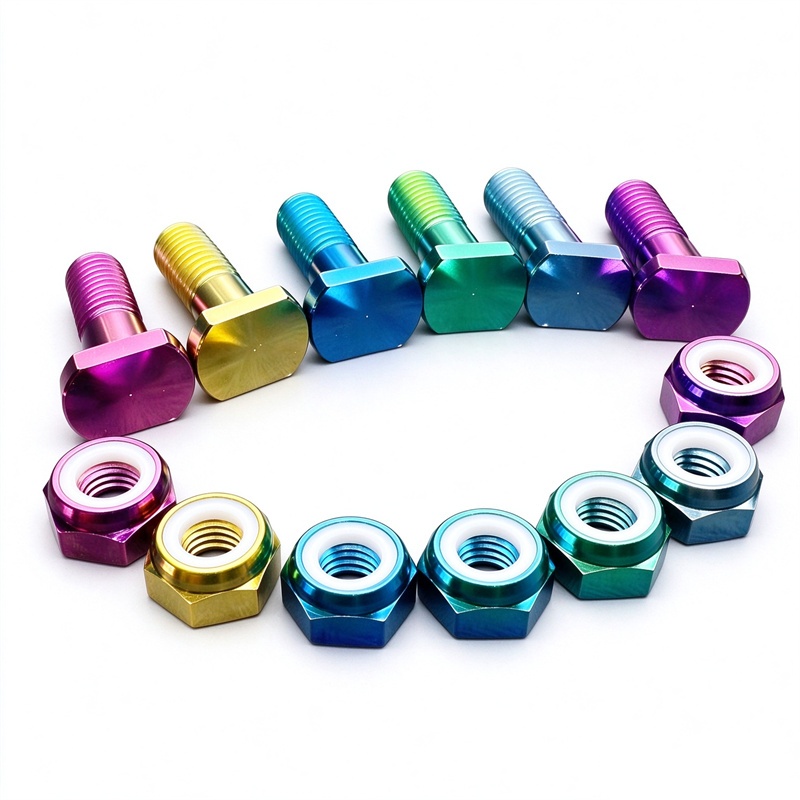
Custom Factory Polished Colorful Gr5 Titanium Alloy Motorcycle Disc Rotor Bolt and Nut for Ducati
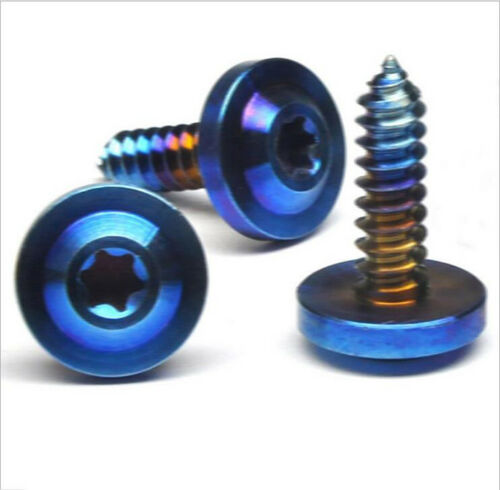
Titanium Coated Body Bolts for Honda, Suzuki, Yamaha Race Assemblies
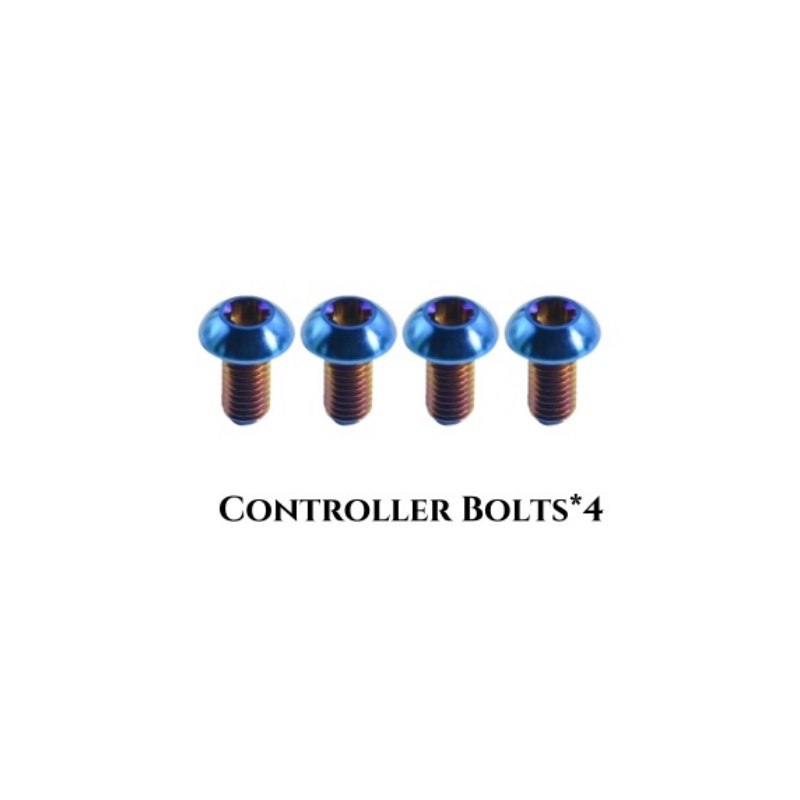
High-Tensile Class 10.9/12.9 Titanium Alloy Controller Bolts Vacuum Coated for Surron Ultra
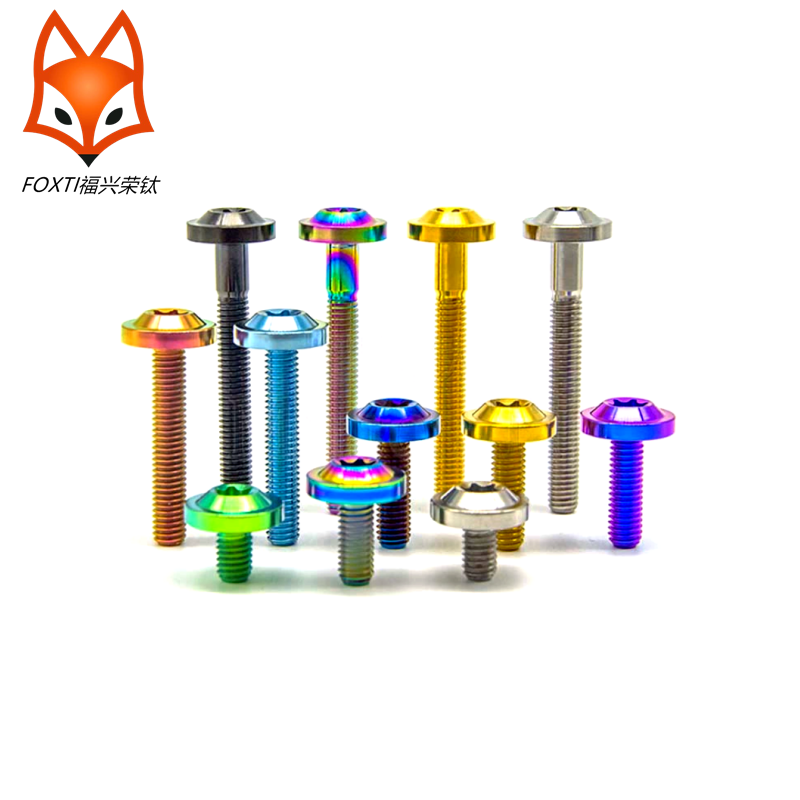
Grade 5 Titanium Alloy Disc Torx Head Anodized PVD Finish Bolt Set M6/M8/M10
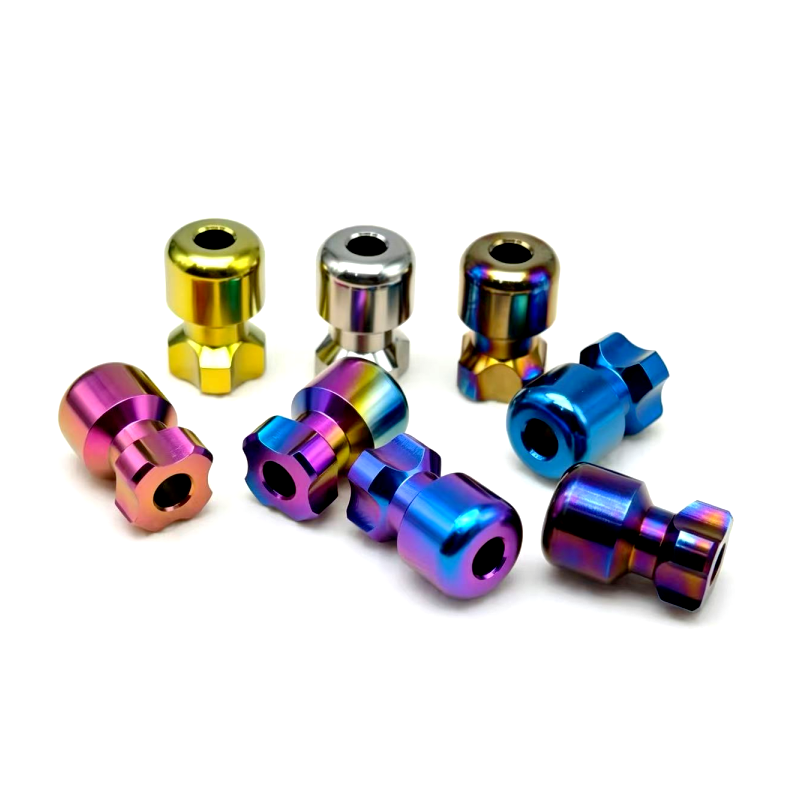
Custom Colorful Titanium Gr5 Torpedo-Shaped EDC Precision Turned Component
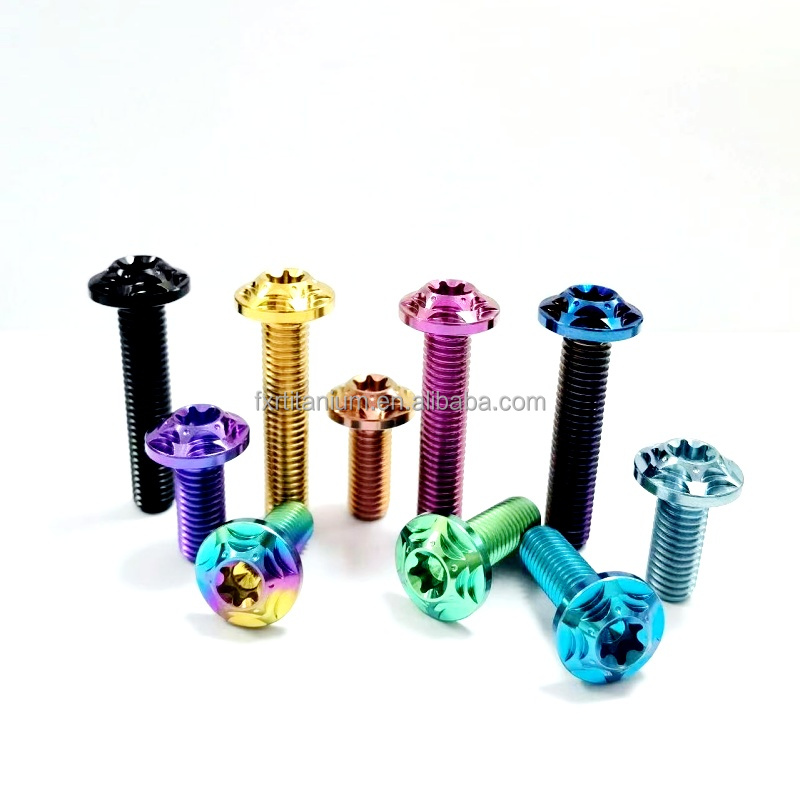
GR5 Titanium Big Head Umbrella Tapered Torx Bolts for Cycling & Motor Racing
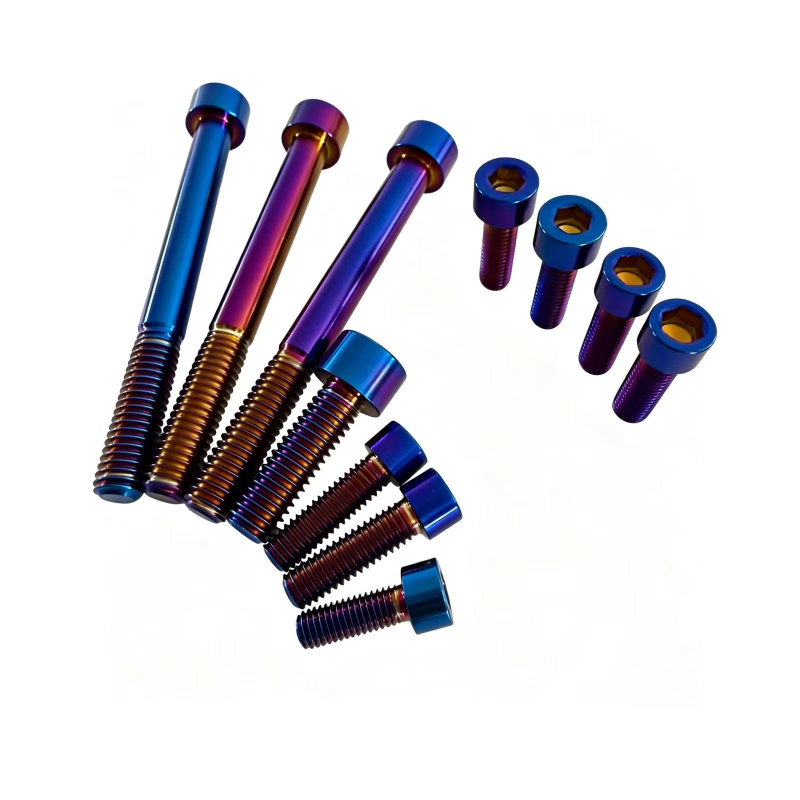
Titanium Alloy Tapered Socket Head Bolts Class 10.9/12.9 PVD Coated for Surron LBX
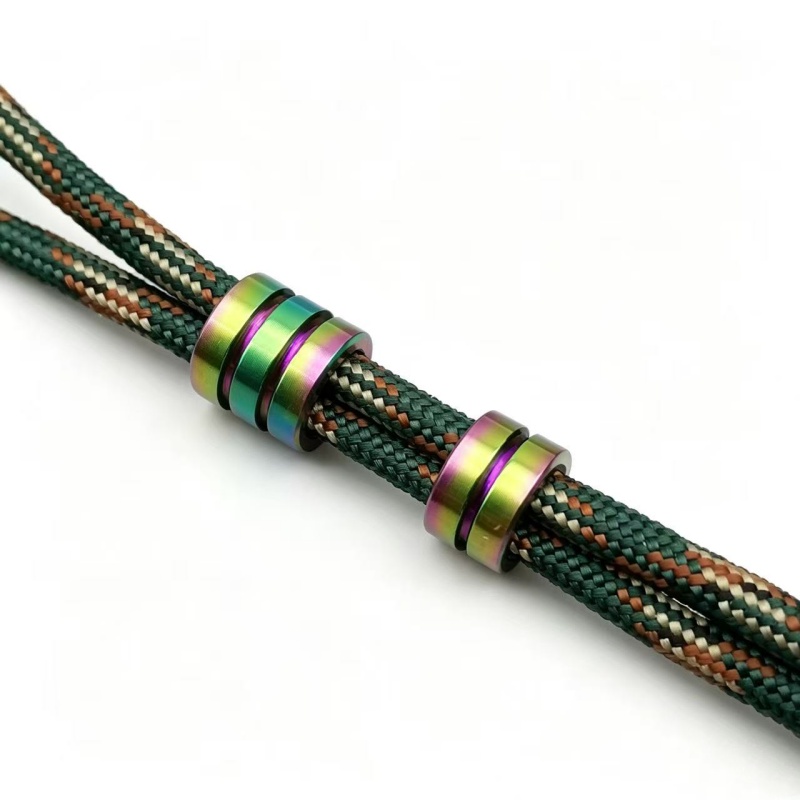
Factory Precision Custom Titanium Turned Hardware & Bushings, Ti-6Al-4V
Engineering Superiority of Grade 5 Titanium Tapered Fasteners in Nagoya’s High-Precision Ecosystem
The Greater Nagoya economic zone, anchoring Aichi Prefecture, represents the unquestioned epicenter of Japan's aerospace, automotive, and high-spec industrial robotics industries. Industrial engineers and technical procurement teams from Toyota City to Komaki are constantly driving the convergence of structural lightweighting and dynamic mechanical endurance. Within this demanding framework, traditional chromium-molybdenum steel (SCM435) fasteners and lightweight 7075-T6 aluminum screws present acute engineering compromises: high-tensile steel introduces excessive rotating and unsprung mass, whereas aluminum fails dramatically in shear resistance and cyclic fatigue limit.
Our Grade 5 (Ti-6Al-4V / ASTM B348 / AMS 4928) titanium tapered bolts provide the decisive solution. Through a meticulously engineered α-β dual-phase crystalline structure, Ti-6Al-4V achieves a tensile yield strength surpassing 895 MPa while boasting a material density of just 4.43 g/cm³—delivering an unmatched strength-to-weight ratio that is approximately 43% lighter than Class 10.9 alloy steel hardware. The tapered head geometry is specifically engineered for high-stress dynamic assemblies: by tapering the transition zone from the head perimeter to the shank, stress concentrations at the bolt junction are systematically dissipated, mitigating peak notch effects by up to 28% compared to traditional flat-underside cap screws.
CNC Cold-Forged Grain Alignment
Heads are hot-forged or high-pressure cold-upset rather than simply turned from round bar stock, maintaining unbroken longitudinal grain continuity through the tapered fillet into the thread flank.
100% Rolled Metric Threads
Threads from M2 through M26 conform strictly to JIS B 0205 and ISO 965 Class 6g tolerances. Cylindrical rolling prevents cut tear lines, imparting high residual surface compressive stress.
Advanced PVD Thin-Film Coating
Physical Vapor Deposition applies uniform TiN, TiAlN, or DLC layers (1.5–3.0 μm) offering surface micro-hardness above 2,500 HV, radically diminishing thread friction and completely eliminating galling.
Comparative Mechanical Properties: Ti-6Al-4V vs. Industrial Steels & Alloys
For Nagoya engineering teams specifying components for extreme operating conditions, selecting fasteners on cost alone introduces long-term failure liabilities. The table below provides verified laboratory benchmark values:
| Physical / Mechanical Property | Verqo GR5 Titanium (Ti-6Al-4V) | JIS SCM435 (Alloy Steel 10.9) | SUS304 Stainless Steel | A7075-T6 Duralumin |
|---|---|---|---|---|
| Density (g/cm³) | 4.43 | 7.85 | 7.93 | 2.81 |
| Tensile Yield Strength (Rp0.2, MPa) | ≥ 828 (Nominal 895) | 940 | 205 | 505 |
| Specific Strength (Strength-to-Weight) | 202 kNm/kg | 119 kNm/kg | 26 kNm/kg | 180 kNm/kg |
| Fatigue Endurance Limit (10⁷ Cycles, MPa) | 510 | 460 | 240 | 160 |
| Atmospheric / Chloride Corrosion Rate | Zero (Inert Passivated TiO₂) | High (Demands Plating) | Moderate (Pitting Risk) | High Galvanic Risk |
| Magnetic Permeability (μr) | 1.00005 (Non-Magnetic) | Ferromagnetic | 1.008 (Slightly Work-Hardened) | Non-Magnetic |
Localized Application Scenarios Across the Nagoya Industrial Cluster
The Chubu region represents a unique manufacturing ecosystem where industrial robotics, aerospace structures, high-performance automotive platforms, and commercial drone engineering intersect. Our titanium tapered bolts serve critical functions across several distinct regional sectors:
1. Suzuka Circuit & Chubu Superbike Racing Constructors: In competitive motorsports, reducing unsprung mass and rotating inertia around wheel hubs, brake disc rotors, and caliper mounting brackets directly improves damper responsiveness and steering agility. Our custom polished and PVD-coated GR5 tapered disc rotor bolts, developed for platforms like Ducati Panigale, Yamaha YZF-R1M, and Honda CBR1000RR-R, replace heavy OEM steel screws. The tapered head provides maximum clamping face contact with disc floating carriers while sitting virtually flush to eliminate turbulent aerodynamic drag and air-flow interference over caliper ducting.
2. High-Speed Robotic Articulated Arms & Semiconductor Handling: Nagoya-based industrial robotics manufacturers construct high-speed SCARA and 6-axis articulated arms requiring minimized end-effector payload weight. Switching end-of-arm tooling fasteners to our Grade 5 tapered socket bolts cuts rotational inertia, enabling higher cycle speeds (CPM) without causing servo motor overheating. Moreover, the non-magnetic nature of Ti-6Al-4V prevents electro-magnetic interference in cleanroom robotic cells handling sensitive wafer cassettes and EV lithium-ion battery modules.
3. Electric Mobility & Lightweight Urban Transport (E-Moto & Vespa Customization): As electric motorcycles such as Surron Ultra Bee and customized scooter platforms scale throughout Japan's metropolitan corridors, battery efficiency dictates an obsession with curb weight. Our Class 10.9/12.9 equivalent controller bolts, rear rocker arm linkages, and M8 wheel hub assemblies provide high clamping rigidity against extreme instantaneous electric motor torque while resisting road salts and winter humidity encountered throughout coastal Aichi.
Procurement Dynamics: How Nagoya Sourcing Specialists Mitigate Supply Chain Bottlenecks
Japanese procurement leaders in Toyota City, Kariya, and Omiya are re-evaluating just-in-time fastener supply strategies. Geopolitical shifts, fluctuating raw sponge titanium pricing, and strict carbon footprint mandates have reshaped modern sourcing criteria:
Decarbonization Through Vehicle Lightweighting: Under Japan's 2050 Carbon Neutrality goals, Tier-1 automotive and motorcycle suppliers are scrutinizing structural gram-savings. Titanium is no longer reserved strictly for hypercars; it is being integrated into suspension top-hats, subframe mounts, and battery casing closures. A typical motorcycle utilizing full Grade 5 titanium bolt kits saves up to 1.8 kilograms of critical unsprung and chassis weight.
Direct Integration with "China’s Titanium Valley": Sourcing titanium fasteners through multi-layer trading firms (Shosha) in Tokyo or Osaka often inflates unit costs by 45% to 80% while adding weeks of communication lag for custom drawings. As an integrated manufacturer located directly in Baoji, Shaanxi, Verqo bridges this gap. We provide Japanese engineering teams direct factory access: from sponge smelting verification and ultrasonic bar inspection to 5-axis CNC machining, PVD finish customization, and direct air freight delivery into Chubu Centrair International Airport (NGO) in just 3 to 5 business days.
Why Japanese Engineering Teams Partner with Verqo Titanium
Direct factory manufacturing out of Baoji, China—backed by verified OEM/ODM export history, zero-defect traceability, and flexible batch production.
Titanium Valley Epicenter
Headquartered in Baoji, Shaanxi, Verqo directly accesses premier Ti-6Al-4V bar stock with certified chemical purity, microstructural density, and full mill test certification (EN 10204 3.1).
1,001–2,000 m² CNC Facility
Equipped with multi-axis precision CNC lathes, thread rolling equipment, optical dimensional screening systems, and specialized in-house vacuum PVD ion coating reactors.
10+ Years Export Pedigree
Over a decade serving demanding tuning specialists, racing teams, and industrial equipment builders across North America, Europe, and Asia, maintaining an average response time of under 2 hours.
Engineered Low-MOQ Prototypes
Fast-track prototyping for R&D trials from 10 to 50 pieces, scaling seamlessly into container-volume production with rigid batch-to-batch color and torque consistency.
Frequently Asked Questions by Japanese Engineers & Sourcing Agents
Essential technical, logistical, and compliance guidance for importing titanium tapered bolts into Japan.
Do Verqo titanium tapered bolts comply with JIS (Japanese Industrial Standards)?
Yes. Our precision metric threads are rolled in full accordance with JIS B 0205 (General Purpose Metric Screw Threads) and ISO 965 Class 6g tolerance limits. Head dimensions, socket depth (Torx T25/T30/T40 or Hex socket), and taper angles can be custom engineered to match JIS B 1176 or specific OEM factory drawings for seamless integration into Japanese machinery and vehicle hubs.
How does Verqo prevent thread galling (seizure) during high-torque assembly?
Titanium alloys have a natural tendency to gall when tightened against matching titanium, stainless steel, or aluminum threads under dry conditions. We mitigate this through two distinct engineering practices: first, our threads are cold-rolled to an ultra-smooth finish (Ra < 0.4 μm); second, our PVD vacuum coatings (DLC, TiN, Burnt Blue) establish an ultra-hard boundary layer that lowers the friction coefficient to under 0.15. Additionally, we provide application-specific molybdenum disulfide or copper-based anti-seize torque tables with each production lot.
What metallurgical documentation and inspection certificates are supplied with shipments?
Every single production batch dispatched to Japan is accompanied by an EN 10204 3.1 Inspection Certificate certifying exact chemical composition (spectrometric verification of Ti, Al, V, Fe, C, N, H, O content) and physical properties (tensile strength, yield strength, elongation, and Rockwell C hardness). Optical sorting reports and thread gauge verification records are archived for complete batch traceability.
What are your lead times, shipping logistics, and customs clearance procedures for Nagoya?
Stock items ship within 24–48 hours via air express (DHL, FedEx, or SF Express International), landing at Chubu Centrair International Airport (NGO) or Kansai Airport (KIX) within 3 to 5 business days. Custom CNC machining orders typically require 12 to 18 business days for tooling, rolling, PVD treatment, and final inspection. We handle complete commercial invoicing, packing lists, and HS code documentation (HS 8108.90) for frictionless clearance through Japan Customs.
Can Verqo manufacture custom head profiles, drill lock-wire holes, or laser etch corporate logos?
Yes. Approximately 60% of our production volume is OEM/ODM customization. We routinely machine race-spec drilled tapered heads (for safety wiring per FIM regulations), lightweight recessed umbrella sockets, Torx-plus drives, and micro-laser mark Japanese part numbers, thread sizes, or brand logos directly onto the bolt head.
What payment terms and minimum order quantities apply to Japanese corporate accounts?
We support standard international B2B payment modalities including wire transfer (T/T), Irrevocable Letters of Credit (L/C), and PayPal for sample orders. For standard catalog items, MOQ starts at just 10–20 pieces; bespoke CNC production runs generally require 50–100 pieces depending on part size and coating specifications.
Accelerate Your Precision Lightweighting Program Today
Whether you require CAD-engineered prototypes for dynamic robotic arms or full-scale Grade 5 titanium fastener runs for race-spec vehicles, our technical engineering desk is ready to assist your Nagoya procurement team.
Contact Us